
You have placed a large order for bulb flat steel. The material is critical to your project. Weeks pass. The delivery date approaches. Then you get a message from the supplier: there is a problem. The certificates are wrong. The dimensions are off. Your project is at risk. This scenario plays out every day in the steel industry. Controlling procurement risks is not optional. It is essential.
Controlling procurement risks in bulb flat steel orders requires a systematic approach at every stage: 1) Pre-order: Clear specifications, approved mill sources, and agreed quality standards. 2) During production: Regular updates, third-party inspection, and progress tracking. 3) Pre-shipment: Dimensional checks, certificate verification, and packaging inspection. 4) Post-shipment: Incoming inspection, documentation review, and prompt handling of non-conformances. Each step reduces the chance of surprises.
Risk control starts with understanding the product. If you do not know exactly what you are buying, you cannot control the risks. Let’s begin with the fundamentals.
What is a bulb flat1?
You are writing a purchase order. The first line says "Bulb Flat." But is that enough? If your definition is vague, your risk is high. A clear, precise definition is your first line of defense against procurement errors.
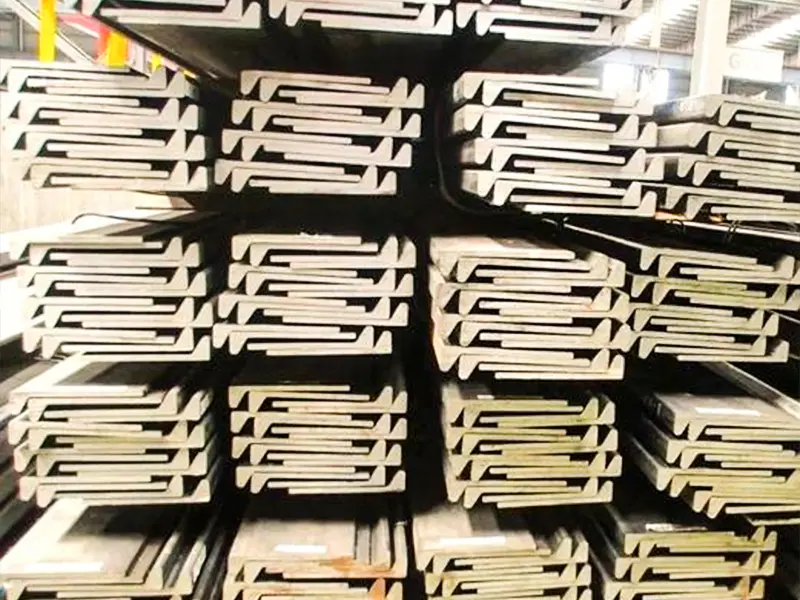
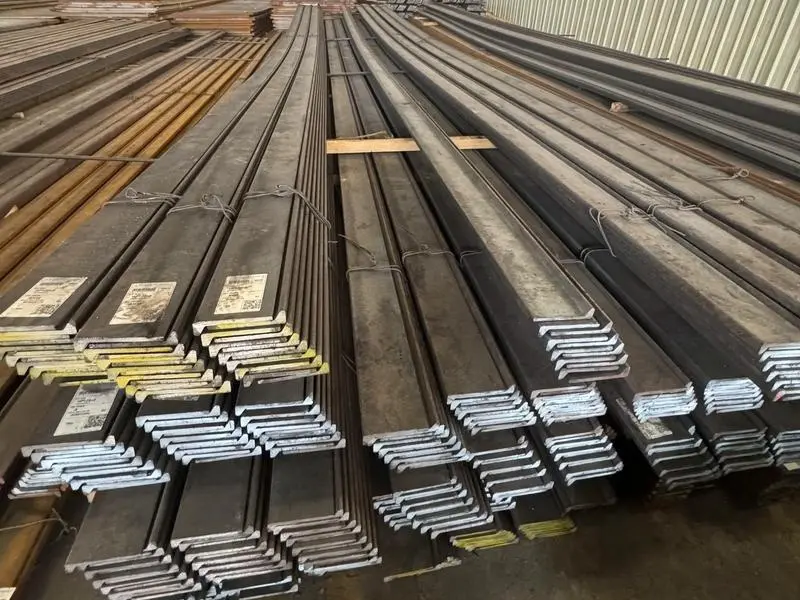
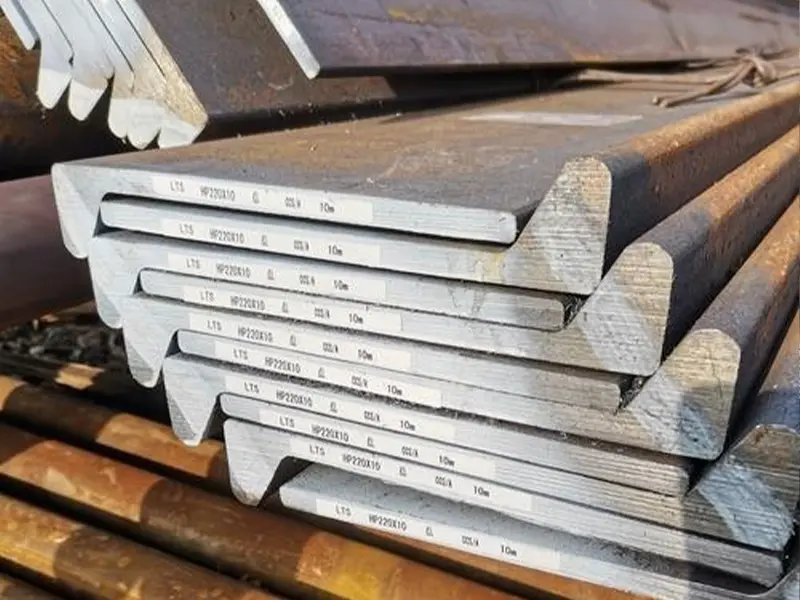
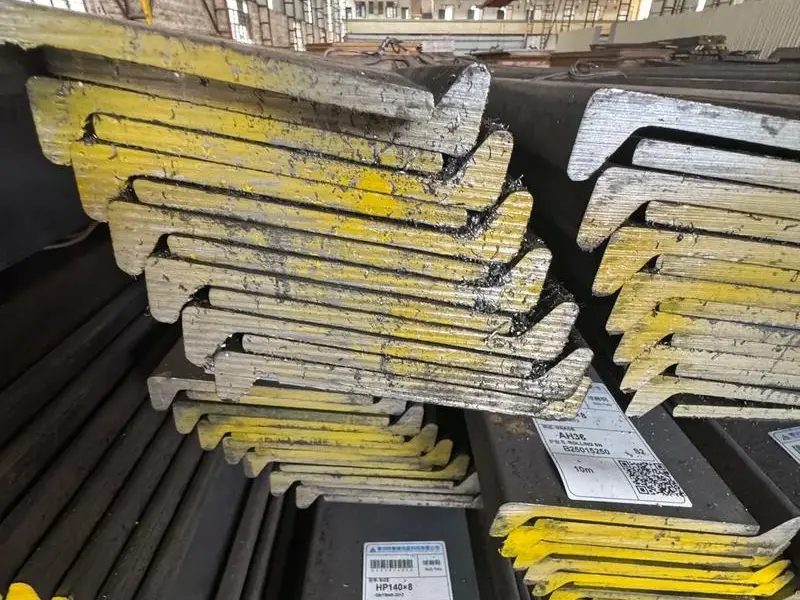
A bulb flat1 is a hot-rolled steel profile with a flat web and a rounded bulb on one edge. It is specified by its web height (e.g., 300mm) and thickness (e.g., 12mm). It is produced to international standards like EN 100672, JIS G 3192, or GB/T 9946. It is used primarily as a stiffener in ship hulls and offshore structures. A complete specification includes the standard, size, grade, and certification requirements3. Anything less invites risk.
Risk Control Step 1: Define the Product Precisely
A vague specification4 is a risk magnet.
| 1. The Elements of a Complete Specification. | Element | Example | Why It Matters |
|---|---|---|---|
| Standard | EN 100672 | Defines exact dimensions and tolerances. | |
| Size | HP 300×12 | Web height and thickness. | |
| Grade | DH36 with ABS certification | Defines strength, toughness, and class approval. | |
| Length | 12 meters (or as per cutting list) | Affects yield and fabrication planning. | |
| Surface | As-rolled, shot-blasted, or primed | Affects corrosion protection and preparation cost. | |
| Quantity | 100 tons | Basis for pricing and logistics. |
2. The Risks of a Vague Specification.
- Wrong Product: Supplier assumes a different standard, delivers material with slightly different dimensions that do not fit.
- Wrong Grade: Supplier delivers a similar but non-certified grade, leading to rejection by class surveyor.
- Disputes: Disagreements over what was ordered vs. what was delivered lead to delays and legal costs.
3. Best Practice.
- Write it down: Put the complete specification in your RFQ and purchase order.
- Get confirmation: Ask the supplier to confirm they understand and can meet the specification.
- Attach documents: Include a drawing or standard extract if helpful.
My Insight from the Field
A client in Vietnam once ordered "bulb flat1 300×12, DH36." That was it. The supplier delivered material to a Japanese standard (JIS) with slightly different dimensions. The client’s cutting program was based on EN dimensions. Nothing fit. The client had to recut all their parts, wasting time and material. Now, their purchase orders always include the standard. This simple addition has eliminated this type of error.
What are the different types of flat steel?
Your project needs bulb flats, but also plates and flat bars. If you treat each as a separate risk, you multiply your exposure. Understanding how these products relate helps you consolidate risk management.
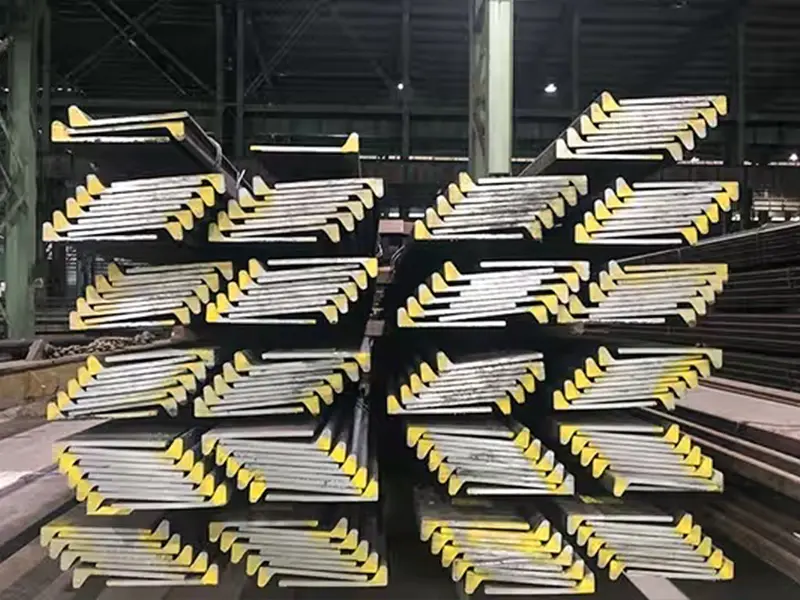
Flat steel includes several distinct products. Steel plate is thick, wide, and used for primary structure. Steel sheet is thinner, often supplied in coils, for panels and cladding. Flat bar is narrow and rectangular, for brackets and framing. Bulb flat is a specialized profile for stiffening. Each has different production methods, tolerances, and applications. A supplier who understands all of them can help you manage risks across your entire flat steel procurement.
Risk Control Step 2: Understand the Product Family
Knowing the differences prevents cross-product errors.
| 1. Key Differences. | Product | Production Method | Typical Use | Key Risk |
|---|---|---|---|---|
| Steel Plate1 | Rolled from slab | Hull, deck, bulkhead structure | Wrong grade, thickness out of tolerance. | |
| Steel Sheet2 | Rolled from slab, thinner | Panels, cladding, non-structural | Wrong thickness, surface defects. | |
| Flat Bar3 | Rolled from billet | Brackets, frames, local stiffeners | Wrong width or thickness, twist. | |
| Bulb Flat4 | Rolled in section mill | Hull and deck stiffeners | Wrong profile, wrong dimensions. |
2. How Confusion Creates Risk.
- Ordering "flat steel" could mean any of these. The supplier may assume one product, but you need another.
- A fabricator may substitute a flat bar for a bulb flat, not understanding the difference in stiffness.
- A certificate for plate may be mistakenly provided for bulb flats, causing traceability issues.
3. Mitigation Strategies.
- Use precise terms: Never order "flat steel." Specify "bulb flat," "plate," or "flat bar."
- Educate your team: Ensure everyone knows the difference. Use photos or samples.
- Verify at receipt: When material arrives, check that it matches the product type ordered.
My Insight from the Field
A shipyard in the Philippines once ordered "flat steel" for stiffeners. The supplier delivered flat bars. The yard’s engineers assumed they were bulb flats and started welding. When the class surveyor arrived, he immediately rejected the work. The stiffeners were the wrong shape and too weak. The yard had to cut them all out and replace them. The cost was enormous. Now, their procurement system does not allow the term "flat steel." You must choose from a dropdown: Plate, Flat Bar3, or Bulb Flat4.
What is the HS code1 for bulb flat?
Your shipment is ready. The freight forwarder asks for the HS code1. You guess. The shipment clears customs, but months later, you get a notice from customs: the wrong code was used. There are fines, delays, and audits. This is a real risk. Knowing the correct HS code1 is part of risk control.
The Harmonized System (HS) code for bulb flats is typically 7216.33 or within the broader heading 7216 (Angles, shapes and sections of iron or non-alloy steel). Specifically, 7216.33 covers "Angles, shapes and sections, not further worked than hot-rolled, hot-drawn or extruded, of iron or non-alloy steel: U, I or H sections, not further worked than hot-rolled, hot-drawn or extruded, of a height of less than 80 mm or more." However, codes can vary slightly by country, so verification with a customs broker is essential.
Risk Control Step 3: Get the HS Code Right
This prevents customs delays2, fines, and audits.
| 1. Why HS Codes Matter. | Risk | Consequence |
|---|---|---|
| Wrong duty paid | Underpayment leads to fines and back-duties. Overpayment hurts your budget. | |
| Customs holds | Shipment delayed while customs investigates. | |
| Audits | Incorrect declarations can trigger audits of all your imports. | |
| Reputation | Customs views repeated errors as negligence. |
2. Finding the Correct Code.
- Step 1: Know the product. Bulb flats are rolled sections, not plates or bars.
- Step 2: Check the HS structure. Chapter 72 (Iron and Steel), Heading 7216 (Angles, shapes, and sections).
- Step 3: Drill down. For bulb flats, the relevant subheading is often 7216.33 or 7216.69, depending on the specific shape and national interpretation.
- Step 4: Verify with a customs broker3. They know the local rules.
3. Best Practices.
- Get a preliminary ruling: For large orders, ask customs for a binding tariff information4 (BTI) decision.
- Include in PO: Once confirmed, include the HS code1 in your purchase order and ask the supplier to reference it on shipping documents.
- Keep records: Document how you determined the code. If audited, you can show due diligence.
My Insight from the Field
A client in Pakistan used an incorrect HS code1 for bulb flats for years. A new customs broker3 audited their past shipments and discovered the error. The potential back-duties and fines were significant. We worked with them to provide all past shipping documents to support a voluntary disclosure. They avoided major penalties but had a stressful experience. Now, they verify the HS code1 for every new product before ordering.
What is a bulb plate1?
You are reviewing an old specification or a subcontractor’s quote. You see "bulb plate1." This term is a red flag. Using it in your procurement documents invites risk. A key part of risk control is eliminating ambiguous terminology2.
"Bulb plate" is an ambiguous, non-standard term that should be eliminated from procurement documents. It most likely refers to a bulb flat3 (the stiffener profile). However, it could be misinterpreted as a plate with a bulbous shape or a special fabricated item. To control risk, your procurement system must ban such terms and enforce the use of precise, standardized language. If you see "bulb plate1," stop and clarify before proceeding.
Risk Control Step 4: Eliminate Ambiguous Terminology
Clear language is the foundation of clear orders.
| 1. The Danger of Ambiguous Terms. | Term | What It Could Mean | Risk |
|---|---|---|---|
| Bulb plate | Bulb flat (stiffener) | Supplier delivers plates, not profiles. | |
| Bulb plate | Plate with a raised pattern | Supplier delivers something you cannot use. | |
| Bulb plate | A fabricated item | Supplier quotes for fabrication, not rolled steel. |
2. Creating a Terminology Standard.
- Ban List: Create a list of terms that are not allowed in your procurement system. Include "bulb plate1," "flat steel" (without specification), "L-shaped steel" (use angle or L-section).
- Preferred Terms: Define the terms you will use. "Bulb flat," "steel plate," "flat bar," "marine angle steel."
- Glossary: Create a one-page glossary with definitions and share it with your team and suppliers.
3. Enforcing the Standard.
- In RFQs: Use only preferred terms.
- In Quotes: Review supplier quotes for compliance. If they use a banned term, ask for correction.
- In POs: Use only preferred terms.
- In Incoming Inspection: Train inspectors to check for terminology on packing lists and certificates.
4. The Cost of Not Doing This.
Ambiguous terms lead to wrong orders, rejected materials, and project delays. The cost of a single error can dwarf the effort of implementing a terminology standard4.
My Insight from the Field
A client in Romania sent us an inquiry for "bulb plate1, 300×12, DH36." We responded with a clarification request: "Do you require bulb flat3 profiles per EN 10067?" They confirmed yes. Another supplier, who did not ask, quoted for 300mm wide steel plate. If the client had accepted that quote, they would have received plate, not bulb flat3s, and the project would have stopped. Our simple question prevented this. This is why we always flag ambiguous terms.
Conclusion
Controlling procurement risks in bulb flat steel orders requires precision at every step. Define the product clearly, understand the product family, use the correct HS code, and eliminate ambiguous terminology. A systematic approach turns procurement from a gamble into a predictable process.
-
Understanding the implications of ‘bulb plate’ can help avoid costly procurement mistakes. ↩ ↩ ↩ ↩ ↩ ↩ ↩ ↩ ↩ ↩ ↩ ↩ ↩ ↩ ↩
-
Explore strategies to eliminate ambiguity in procurement documents for better clarity. ↩ ↩ ↩ ↩ ↩
-
Learn about ‘bulb flat’ to ensure accurate specifications and prevent project delays. ↩ ↩ ↩ ↩ ↩ ↩ ↩ ↩
-
Discover the importance of a terminology standard to streamline procurement processes. ↩ ↩ ↩ ↩ ↩