
Ships carry immense value and human lives. One small material failure can lead to disaster. This is where classification societies come in. They are the guardians of maritime safety. Understanding their standards is not optional for anyone in this industry.
To ensure compliance, you must integrate classification society rules from the start. This applies to ship design, material selection, construction, and daily operations. Regular surveys and certifications are mandatory. Using certified marine steel from approved mills is a fundamental step.
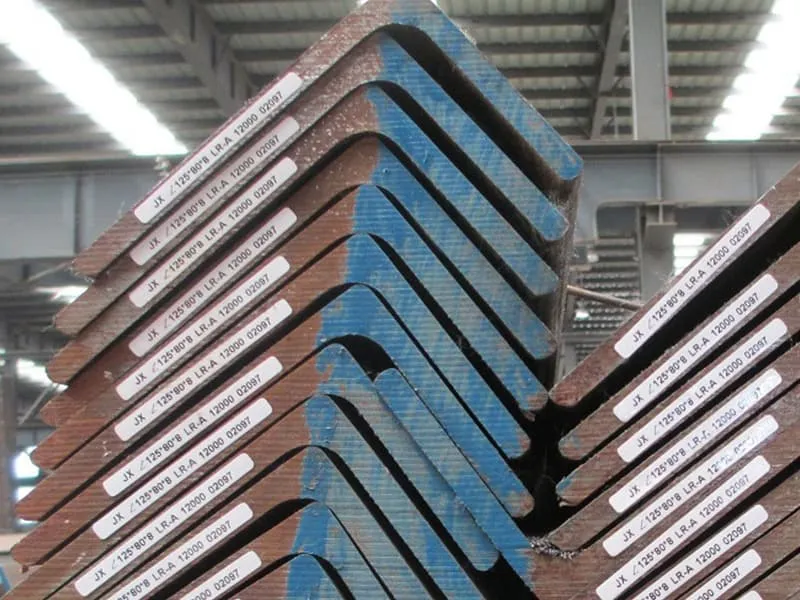
Compliance is not a single action. It is a continuous process that touches every part of a ship’s life. Let’s break down this process to see how each piece fits together for total safety.
What is the classification society1‘s role in ensuring the ship’s compliance with relevant conventions regulations or agreements?
International rules like SOLAS2 are complex. Ship owners can feel overwhelmed. A classification society1 acts as a trusted expert. They translate these global rules into clear, practical technical standards for each ship.
A classification society1 sets technical rules for ship design and construction. They check that ships meet these rules and international conventions like SOLAS2. They issue certificates that prove a ship is safe and compliant. This allows the ship to trade globally.
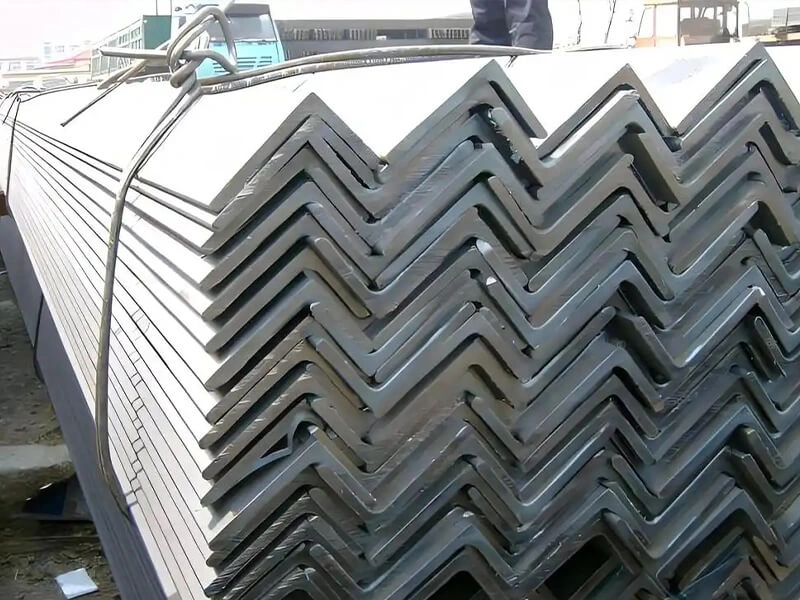
The Bridge Between International Law and Technical Reality
Think of the International Maritime Organization (IMO) as a global lawmaker. They create conventions like SOLAS2 (Safety of Life at Sea) and MARPOL (marine pollution). But these are broad legal frameworks. They do not specify the exact thickness of a steel plate or the precise welding procedure.
This is where classification societies step in. Societies like ABS, DNV, Lloyd’s Register, and others write detailed "Rules and Guides3." These rules turn the high-level goals of IMO conventions into specific engineering requirements. For example, SOLAS2 says a ship’s structure must be strong. The classification society1‘s rules define exactly how to calculate that strength, what steel grades to use, and how to weld it.
Their role has three main parts:
- Rule Development: They have large teams of engineers and researchers. These teams update the rules constantly. They consider new technology, accident findings, and changes to IMO conventions.
- Plan Approval4: Before a ship is built, the shipyard must submit detailed designs. Classification society engineers review these plans. They check every part, from the hull structure to the engine system. They ensure everything follows their rules.
- Surveys and Certification: Society surveyors visit the shipyard during construction. They watch key stages, like steel cutting and welding. After the ship is built, they do final surveys. If everything is good, they issue the crucial "Class Certificate5."
This system creates a chain of trust. Port state control officers see a valid class certificate from a reputable society. They know the ship meets international standards. This makes port operations smooth.
From my work supplying marine steel, I see this directly. A shipyard building an ABS-classed tanker will order steel with an "ABS Approval Certificate." The mill must prove its production process meets ABS’s specific quality standards. We don’t just sell steel; we provide the full certification package. This is what buyers like Gulf Metal Solutions need. They need proof that the materials are compliant from the very beginning.
| Classification Society Function | How It Ensures Compliance | Example from Marine Steel Supply |
|---|---|---|
| Rule Development | Translates IMO conventions into specific technical standards. | Defines the required chemical composition and mechanical properties for AH36 ship plate. |
| Plan Approval4 | Reviews and approves ship design documents before construction starts. | Approves the detailed drawings showing where each grade of steel plate will be used on the hull. |
| Construction Survey6 | Inspects the building process at the shipyard to verify rule compliance. | Surveyor witnesses steel plate cutting and checks welding procedures and welder qualifications. |
| Certification | Issues certificates that act as proof of compliance for authorities. | Provides the Mill Certificate and Classification Society Certificate for each batch of steel. |
How do you ensure operational compliance and safety standards while onboard?
A ship gets its class certificate when built. But the sea is harsh. Equipment wears out, and procedures get lax. Maintaining compliance is a daily effort for the crew. It is about constant vigilance and good management.
You ensure operational compliance through a structured system. This system includes regular maintenance, scheduled class surveys, crew training drills, and strict adherence to the Ship’s Safety Management System (SMS). Daily inspections and proper record-keeping are essential.

The Daily Framework for Maintaining Class
Once a ship leaves the shipyard, the responsibility for compliance shifts to the ship owner and the crew. The classification society does not disappear. It continues to monitor the ship through a cycle of surveys. But the day-to-day work is done onboard.
The core tool is the Safety Management System (SMS), required by the ISM Code. The SMS is a detailed manual. It covers every operational procedure, from navigating in fog to handling garbage. Crew members must be trained on the SMS. They must follow its steps exactly.
Maintenance is the next critical area. All important equipment has a maintenance plan. This plan follows the classification society’s requirements. For example, society rules state how often lifeboats must be tested. The crew does the tests and records them in a log. The classification surveyor will check these records during the annual survey.
Here are the main types of surveys that happen during a ship’s operation:
- Annual Survey: A general check done every year. The surveyor looks at the hull, machinery, and safety equipment.
- Intermediate Survey: A more detailed check, usually around the 2.5-year mark between special surveys.
- Special Survey (Dry-docking): The most thorough inspection. It happens every 5 years. The ship goes into a dry dock. Surveyors inspect every part of the underwater hull and structure. They may require ultrasonic thickness measurements of the steel plates.
The crew’s role is to prepare for these surveys. They must fix problems before the surveyor arrives. If the surveyor finds a major defect, they can issue a recommendation. The ship owner must fix it by a set date. If it is not fixed, the society can suspend the ship’s class. This means the ship cannot trade.
For us as material suppliers, this operational phase still matters. Sometimes, a ship needs a steel repair at a foreign port. The owner will need a specific grade of certified marine steel, and they need it fast. Our ability to supply ABS, DNV, or LR-certified plate quickly from stock helps them maintain compliance and avoid costly delays. This reliability is why project contractors trust us.
What is the role of classification society in ship building?
A ship is one of the most complex machines built. Thousands of parts must come together perfectly. The classification society is the independent quality inspector for this entire process. They make sure the shipyard follows the approved plan.
The classification society oversees the entire shipbuilding process. They approve the design plans first. Then, their surveyors visit the shipyard at key stages. They inspect materials, welding, and equipment installation. They ensure the ship is built exactly according to their safety rules.
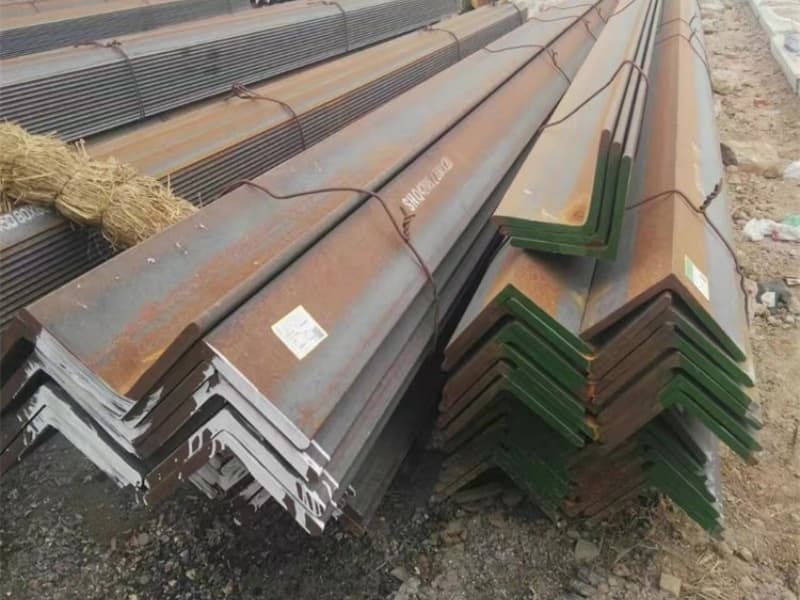
Guardian of the Build: From Steel Plate to Sea Trial
The society’s involvement starts long before the first piece of steel is cut. It is a continuous presence that guarantees quality at every step.
Phase 1: Material Certification
This is the first and most important link in the chain. The steel plates, angles, bulb flats, and other sections must be from mills approved by the society. For every batch, the steel mill provides a Test Certificate. This certificate shows the chemical analysis and mechanical test results. A classification surveyor may visit the mill to witness these tests. We, as suppliers, must provide these original certificates to the shipyard. They are part of the ship’s permanent record.
Phase 2: Construction Surveillance
Society surveyors are stationed at major shipyards. They have a schedule of "hold points." At these points, work must stop for their inspection. Key hold points include:
- Before steel cutting: Checking that the correct grade of certified material is being used.
- During block assembly: Inspecting welds. They may require non-destructive testing (NDT) like X-ray or ultrasound.
- Before launching: A final check of the hull structure.
- During machinery installation: Checking that engines, pumps, and other gear meet the rules.
Phase 3: Testing and Commissioning
When the ship is nearly complete, the surveyors witness critical tests.
- Hull pressure testing: Testing tanks for leaks.
- Engine tests: Running the main engine at full power.
- Safety system tests: Testing alarms, fire systems, and bilge pumps.
- Sea trials: The final test. Surveyors go on the ship’s first voyage. They check performance, maneuverability, and that all systems work at sea.
The table below shows how this process flows and where a steel supplier fits in:
| Shipbuilding Phase | Classification Society Action | Relevance to Steel Supplier |
|---|---|---|
| Design & Plan Approval | Approves technical drawings and material specifications. | We review the spec to provide the exact steel grade (e.g., LR Grade A or DNV NV A36). |
| Material Procurement | Requires mill certificates proving compliance with their rules. | We supply steel from approved mills and provide the original Classification Mill Certificate. |
| Construction (Hull Assembly) | Surveyor inspects steel preparation, cutting, and welding at hold points. | Our steel must have good surface quality and be easy to weld to avoid issues during inspection. |
| Pre-Launch & Outfitting | Inspects overall structure and installed systems. | Proper material traceability ensures any question about a steel part can be answered quickly. |
| Sea Trials & Delivery | Witnesses tests and issues the initial Class Certificate upon satisfaction. | Our job was done correctly if the hull structure passes all surveys without material-related problems. |
How to check vessel classification society?
You are chartering a ship or buying marine steel for a repair. How can you be sure the ship or the materials are truly in class? You cannot just take someone’s word for it. You need to verify the facts yourself.
You check a vessel’s classification society and status through its certificates. The main document is the Certificate of Class1. You can also use online databases provided by the classification societies. For materials, you must check the original mill certificate issued under the society’s approval.
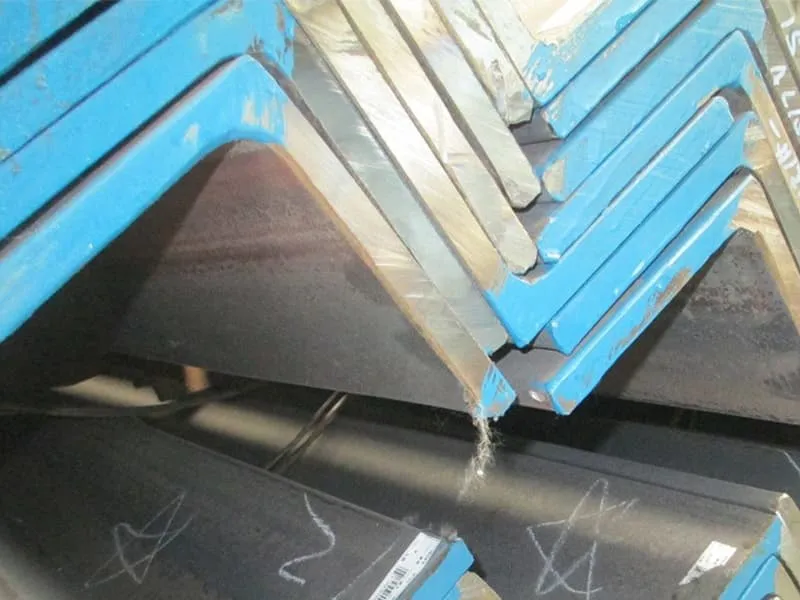
Verification Tools for Buyers and Operators
Trust is good, but verification is necessary in business. There are clear methods to check the class status of both a ship and the materials going into it.
For a Ship:
The primary source is the Certificate of Class1. This is a legal document on board the ship. It shows the ship’s name, the classification society (e.g., "Classed by American Bureau of Shipping"), and the class notation (e.g., ✠A1, "Tanker for Oil"). More importantly, it lists any outstanding recommendations2 or conditions that need to be fixed.
You can also use online tools. Major classification societies have secure online portals. Shipping companies, insurers, and charterers often have access. They can type in a ship’s IMO number3 (a unique, permanent identifier) and see its current class status, survey due dates, and any recent findings. This is a fast way to perform due diligence.
For Marine Steel and Components:
This is where my expertise comes in. When a client like Gulf Metal Solutions orders steel for a ship repair project, they send us the specification4. This spec will say something like "ABS Grade AH32 Plate" or "BV-approved L-shaped steel."
We do not just send any steel that matches the grade. We provide steel from a mill that has "works approval5" from that specific society. The proof is the Mill Certificate of Compliance6. This is not a simple quality report. It is a formal document. It includes:
- The name and logo of the classification society (e.g., DNV).
- A statement that the product was made under their survey.
- The society’s unique approval number for that mill.
- Full test results matching the society’s rules.
As a responsible supplier, we keep these certificates on file. We can send copies to the buyer for their records. The shipyard or repair facility will need to show these certificates to their own classification surveyor.
Why is this so critical? Imagine a ship with an ABS class needs a new section of hull plate. The shipyard uses a piece of steel that only has a generic factory certificate. When the ABS surveyor comes, he will reject it. This causes massive delays and cost. Using correctly certified steel from the start avoids this risk completely. Our clients value this because it makes their project run smoothly and keeps them in compliance.
Conclusion
Compliance with classification society standards is a full-lifecycle process. It starts with certified materials and ends with disciplined operations. Using properly approved steel is the essential first step for building and maintaining a safe, seaworthy vessel.
-
Understanding the Certificate of Class is crucial for verifying a vessel’s classification status and ensuring compliance. ↩ ↩ ↩ ↩ ↩ ↩
-
Learn about recommendations in vessel classification to understand the conditions that may affect a ship’s operational status. ↩ ↩ ↩ ↩ ↩
-
Find out how the IMO number serves as a unique identifier for ships, aiding in the verification of their classification status. ↩ ↩
-
Understanding specifications is key to ensuring that the right materials are sourced for ship repairs, maintaining compliance. ↩ ↩ ↩
-
Discover the significance of works approval in ensuring that materials meet the standards set by classification societies. ↩ ↩
-
Explore the importance of the Mill Certificate of Compliance for ensuring the quality and approval of marine steel used in repairs. ↩ ↩