
Securing ABS and LR certificates for your bulb flat steel shipment is just the beginning. I’ve seen shipments get held up at customs because of incorrect HS codes, turning a successful certification process into a logistical nightmare. Getting the documentation right is as important as the steel quality itself.
To export bulb flat steel with ABS/LR certificates successfully, you need correct HS code classification (typically 7216.10 for hot-rolled), complete certification documents from the classification societies, accurate commercial invoices with HSN codes for the destination country, and proper packaging markings that match all documentation. Each element must align perfectly to ensure smooth customs clearance.
From my experience working with clients from Saudi Arabia to the Philippines, I’ve learned that the certification is only half the battle. The real test comes when the paperwork meets customs regulations. Let me share the practical insights I’ve gained about navigating this complex process successfully.
What is the HS code for bulb flat steel?
A shipment to Vietnam was delayed for five days because the freight forwarder used a generic steel code instead of the specific code for bulb flats1. The importer faced demurrage charges that erased their cost savings. This taught me that precision in HS coding is non-negotiable.
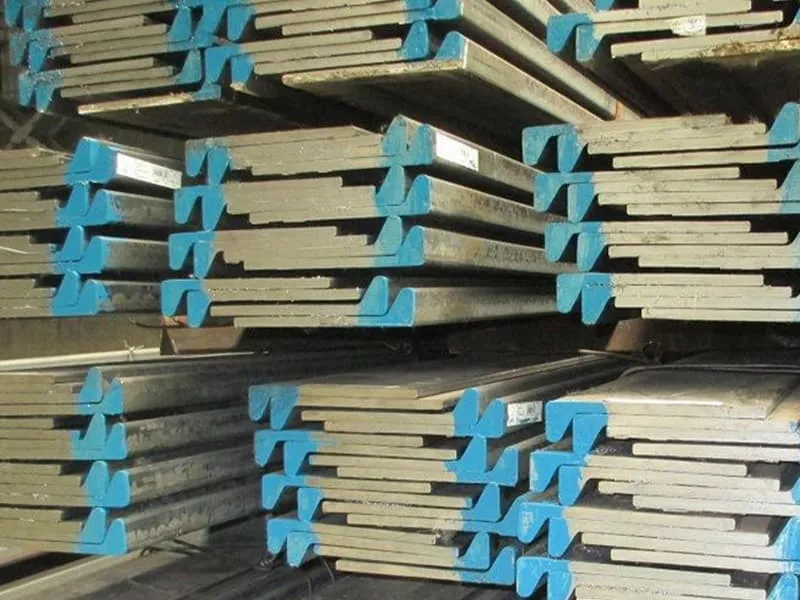
The HS code for hot-rolled bulb flat steel2 is generally 7216.103.90 under the Harmonized System. This falls under heading 7216 for "Angles, shapes and sections of iron or non-alloy steel, not further worked than hot-rolled," with the final digits varying by country to specify "other" sections like bulb flats1. However, the exact code can differ based on dimensions and alloy content, so verification with local customs is essential.
Navigating HS Code Classification for Specialized Steel Profiles
Based on my dealings with customs brokers4 across different countries, I’ve found that bulb flats1 present specific classification challenges that require careful attention.
Understanding the 7216 Category
The HS system follows a logical hierarchy:
- Chapter 72: Iron and steel
- Heading 7216: Angles, shapes and sections of iron or non-alloy steel
- Subheading 7216.103: Not further worked than hot-rolled, hot-drawn or extruded
- Further digits: Country-specific breakdowns, often .90 for "other" shapes
Key Factors That Affect Classification
-
Manufacturing Process:
- Hot-rolled bulb flats1: 7216.103
- Cold-formed bulb flats1: Likely 7216.50 ("Other")
- This distinction matters because the process affects material properties
-
Material Composition:
- Non-alloy steel (carbon steel): 7216.103
- Alloy steel: May shift to 7228 series
- Most marine bulb flats5s](http://www.ozkansteel.com/en/details/shipbuilding-oil-gas-profiles/bulb-flats-199)[^1] are carbon steel, so 7216.103 usually applies
-
Dimensions and Specifications:
- Some countries have specific codes for particular size ranges
- Large or specialized sections might have different classifications
Common Classification Scenarios
| Bulb Flat Description | Likely HS Code | Important Considerations |
|---|---|---|
| Hot-rolled, carbon steel, standard sizes | 7216.103.90 | Most common for marine applications |
| ABS/LR certified marine grade | Same 7216.103.90 | Certification doesn’t change HS code |
| Over 80mm in height | Check local variations | Some countries have size-based classifications |
| Galvanized or coated | Usually same base code | Coating must be declared separately |
Practical Export Advice from Experience
- Always verify with the destination: Customs rules vary. What works for Saudi Arabia may not work for India
- Use detailed descriptions: "Hot-rolled bulb flat steel for shipbuilding, 250x12mm" is better than just "steel sections"
- Keep documentation consistent: The HS code on the commercial invoice must match the packing list and bill of lading
- Work with experienced forwarders: Those familiar with steel exports understand these nuances
I recall a shipment to Mexico where the local customs required additional documentation because the bulb flats1 were classified as "special profiles." Having an experienced forwarder who anticipated this saved two days of processing time.
What is the HS code for flat steel?
A client in Qatar once received a shipment where flat steel plates and bulb flats1 shared the same HS code on documents. Customs flagged this as inconsistent since these are different products with potentially different duty rates2. Proper classification prevents such issues.
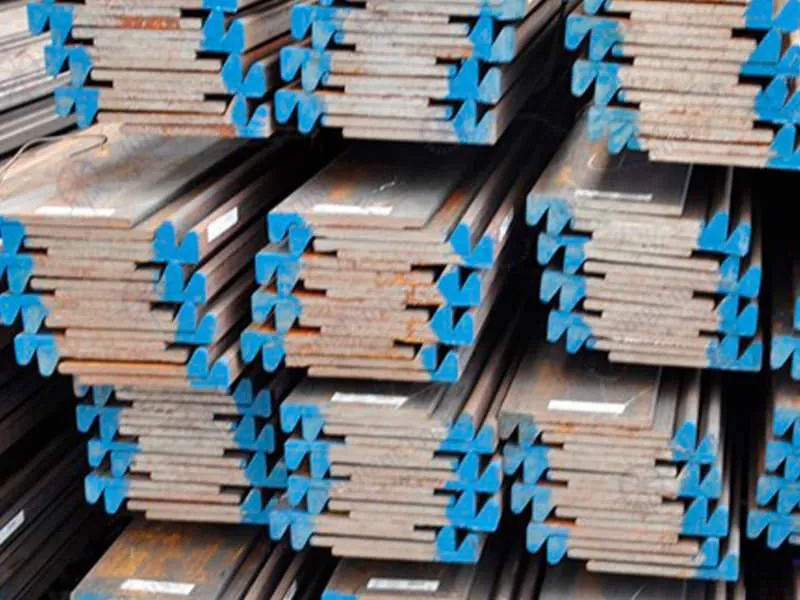
Flat steel typically falls under HS code 72083 for hot-rolled flat products or 7210 for coated/flat-rolled products. However, bulb flats1 are not "flat steel" in the HS system—they’re classified as "sections" under 7216. The distinction is crucial because flat products (plates, sheets) and sections (angles, beams, bulb flats1) have different tariff rates and regulatory requirements in many countries. Using the wrong category can lead to customs delays and incorrect duty assessments.
Understanding the Critical Distinction Between Flat Products and Sections
Through years of export documentation preparation, I’ve learned that this classification difference has significant practical implications.
Flat Steel Products Defined
In HS terminology, "flat steel" refers to:
- Plates
- Sheets
- Strips
- Coils
These are classified mainly under: - 7208: Hot-rolled flat products
- 7210: Coated/flat-rolled products
- 7212: Cold-rolled flat products
Bulb Flats as "Sections"
Bulb flats belong to a different category because:
- They have a specific cross-sectional shape
- They’re designed as structural members, not as plating material
- Their manufacturing process creates a defined profile
Why the Distinction Matters in Practice
- Duty Rates: Many countries have different tariff rates for flat products versus sections
- Import Restrictions: Some countries have quotas or licenses specific to product categories
- Technical Standards: Certification requirements differ between structural sections and plating materials
- Shipping Requirements: Handling and stowage considerations vary
Common Classification Errors I’ve Encountered
| Incorrect Classification | Correct Classification | Problem Created |
|---|---|---|
| Bulb flats as 7208.51 (flat plates) | 7216.10 (sections) | Wrong duty calculation, potential penalties |
| Flat bars as 7216.10 | 7214.10 (bars) | Customs questioning, documentation review |
| Universal "steel" code | Product-specific code | Higher duty rate or import restrictions4 |
Documentation Best Practices
From handling hundreds of shipments:
- Be specific in descriptions: "Bulb flat steel sections, hot-rolled" not just "steel"
- Match all documents: Commercial invoice, packing list, and bill of lading should use identical descriptions
- Include supplementary details: Adding "for shipbuilding" or "structural sections" helps customs officers
- Maintain consistency: Once established for a client, use the same classification for repeat orders
A Real-World Example
A shipment to the Philippines contained both steel plates (7208.51) and bulb flats1 (7216.10). By clearly separating these in the documentation with proper quantities and values for each code, the importer avoided the higher duty rate that would have applied if everything was classified under the plate code. This attention to detail saved them approximately 7% in total landed cost.
What is the GST rate1 on bulbs?
When a client in India asked about importing bulb flats, they were surprised to learn that "bulbs" in customs terminology could mean lighting products. This confusion nearly led to incorrect GST calculations until we clarified the specific product classification.
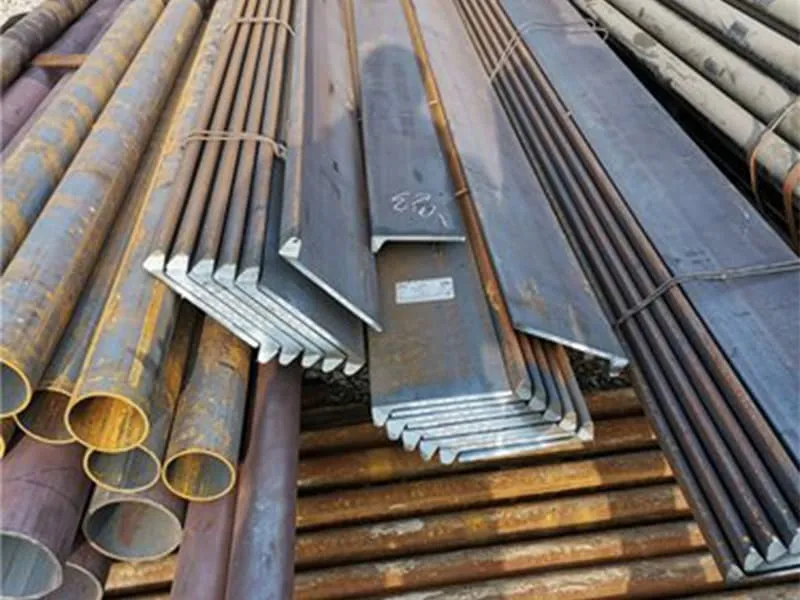
For bulb flat steel2 imports into India, the applicable GST rate1 is 18%, as it falls under general steel products classification. However, "bulbs" for lighting fixtures have a different GST rate1 of 12-28% depending on type, highlighting the importance of precise product description in customs declaration3s to avoid classification errors and incorrect tax assessments. Using clear terminology like "steel bulb flats for shipbuilding" prevents confusion with electrical bulbs.
Navigating Tax Implications for Steel Products vs. Other "Bulbs"
Based on my experience with Indian imports, I’ve learned that terminology matters significantly in tax calculations.
GST Structure for Steel Products
India’s GST system categorizes steel products under Chapter 72-73:
- Most steel products: 18% GST rate1
- Specified steel items: May have different rates
- Bulb flats specifically: Typically 18% as structural steel sections
Common Classification Confusions
The term "bulb" creates several potential misunderstandings:
| Product Type | HS Code Range | GST Rate | Common Confusion Point |
|---|---|---|---|
| Bulb flat steel | 7216.10 | 18% | Mistaken for electrical goods |
| Light bulbs | 8539 | 12-28% | Different category entirely |
| Bulb angles | 7216.10 | 18% | Similar to bulb flats |
| Special bulbs | Various | Varies | Depends on exact product |
Documentation Requirements for Clarity
To ensure correct GST assessment:
- Use full product names: "Hot-rolled bulb flat steel2 sections"
- Include application: "For marine/shipbuilding use"
- Reference standards: "JIS G3192 bulb flats"
- Provide dimensions: "Size: 250mm x 12mm"
Import Process Considerations for India
From working with Indian clients:
- IGST applies4: Integrated GST is levied on imports
- Customs value basis: GST calculated on CIF value plus basic customs duty
- Input tax credit: Importers can claim credit for IGST paid
- Documentation needs: Commercial invoice, packing list, bill of lading, and MTC must all align
Practical Example from Recent Shipments
A shipment to Mumbai contained:
- Bulb flats: 18% GST under 7216.10
- Marine plates: 18% GST under 7208.51
- Total IGST payable: Based on CIF value of $85,000 + 7.5% basic customs duty
By having clear documentation specifying "steel bulb flats" rather than just "bulbs," the importer avoided a potential reclassification that could have triggered a 28% rate for "electrical apparatus." This saved approximately $8,500 in potential additional tax liability.
Are HSN codes1 required for exports?
When exporting to Saudi Arabia, our client was confused about whether they needed HSN codes1 since India uses them for domestic GST. This highlights a common misunderstanding—HSN codes1 are for Indian systems, while exports use the international HS code system2 with country-specific adaptations.
HSN (Harmonized System of Nomenclature) codes are primarily required for goods and services within India’s GST system. For exports from China, international HS codes are used on shipping documents. However, if your buyer is in India or another country using HSN-based systems, they will need the appropriate HSN code for their import declaration3 and GST compliance4. As an exporter, you provide the HS code; importers handle HSN requirements for their local tax systems.
Understanding the Role of HSN in International Trade
From coordinating with importers in various countries, I’ve developed a clear understanding of how HSN fits into the global trade documentation chain.
HSN vs. HS: The Fundamental Difference
- HS Codes: International standard, 6-digit base
- HSN Codes: India’s extension to 8 digits for GST purposes
- Other systems: Different countries have their own extensions (e.g., Philippines uses 10-digit codes)
Documentation Flow in Practice
Here’s how the coding works in actual shipments:
| Document | Coding System Used | Purpose | Responsibility |
|---|---|---|---|
| Commercial Invoice | HS Code (6-10 digit) | International customs clearance | Exporter (China) |
| Bill of Lading | HS Code | Shipping documentation | Carrier/Freight forwarder |
| Import Declaration | HSN Code (8 digit for India) | Local tax assessment | Importer (Destination country) |
| GST Filing | HSN Code | Tax compliance | Importer |
Common Scenarios I’ve Encountered
Scenario 1: Exporting to India
- We provide: HS code 7216.10.90 on all export documents
- Indian importer converts to: HSN code 7216.10.90 (same digits for this product)
- They use this for: Customs clearance and GST credit claims
Scenario 2: Exporting to UAE
- We provide: HS code 7216.10
- UAE uses: Same HS system, may add local digits
- Documentation: Simpler, as VAT system differs from India’s GST
Scenario 3: Mixed Destinations
- Same bulb flats to different countries
- Same HS code from our side
- Different local coding requirements at destination
Best Practices for Exporters
Based on my experience:
- Always use correct HS codes: This is your responsibility as exporter
- Understand destination requirements: Some countries need additional detail
- Maintain consistency: Use the same code for the same product to all destinations
- Document your decisions: Keep records of why you chose specific codes
- Update knowledge: HS system updates every 5 years (2022, 2027, etc.)
A Helpful Reference Table
| Country | System Used | Digits Required | Notes from Experience |
|---|---|---|---|
| India | HSN | 8 digits | Must align with GST rate schedules |
| Saudi Arabia | HS with local mods | 10 digits | Part of GCC unified system |
| Philippines | AHTN | 10 digits | ASEAN Harmonized Tariff Nomenclature |
| Vietnam | HS-based | 8 digits | Similar to but not identical to India |
| Mexico | HS-based | 10 digits | Número de identificación comercial |
Key Insight from Practice
The most important thing I’ve learned is that while we control the export documentation5, we need to educate our buyers about their import documentation requirements. When Gulf Metal Solutions first ordered from us, we provided not just the HS code but also explained how it would be used in Saudi Arabia’s customs system. This proactive communication prevented documentation issues and built trust from the very first shipment.
Conclusion
Successfully exporting certified bulb flat steel requires precise HS code classification, understanding distinctions between product categories, awareness of destination tax systems, and clear documentation that bridges international standards with local requirements like HSN codes.
-
Understanding HSN codes is crucial for compliance in international trade, especially for exporters. ↩ ↩ ↩ ↩ ↩ ↩ ↩ ↩ ↩ ↩ ↩ ↩ ↩ ↩ ↩ ↩ ↩
-
Explore the HS code system to ensure accurate documentation and smooth customs clearance. ↩ ↩ ↩ ↩ ↩
-
Discover the significance of import declarations in international trade and customs processes. ↩ ↩ ↩ ↩ ↩ ↩ ↩ ↩ ↩ ↩
-
Understanding GST compliance is essential for exporters to navigate tax regulations effectively. ↩ ↩ ↩ ↩
-
Learn best practices for export documentation to avoid delays and ensure compliance. ↩ ↩