
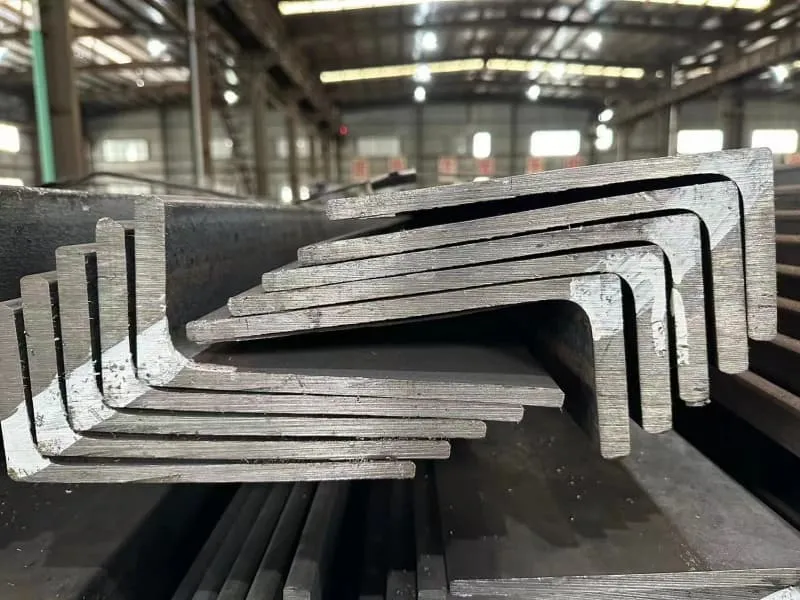
A shipyard in Saudi Arabia recently asked me to guide them through importing L-shaped steel from China. Their first attempt faced customs delays and quality issues.
Importing L-shaped steel from China involves supplier verification, price negotiation, quality inspection arrangement, shipping coordination, and customs clearance. The process typically takes 30-45 days from order to delivery, requiring proper documentation and understanding of international trade procedures for successful procurement.
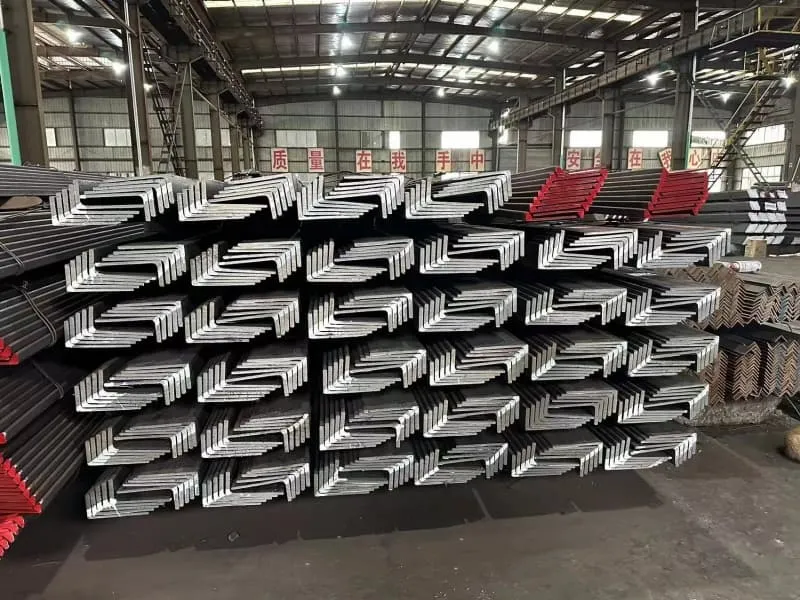
Navigating the import process can be challenging for first-time buyers. Let me guide you through each step to ensure successful procurement of quality marine steel.
What is the import duty on steel from China?
An importer from Qatar was surprised by varying duty rates. Understanding the tariff structure helped them plan costs accurately.
Import duty on Chinese steel varies by country and product type, typically ranging from 0% to 25% depending on trade agreements and product classification. Most countries apply duties based on HS codes 7216.50 for angles and shapes, with additional anti-dumping duties possibly applying to specific steel products in certain markets.
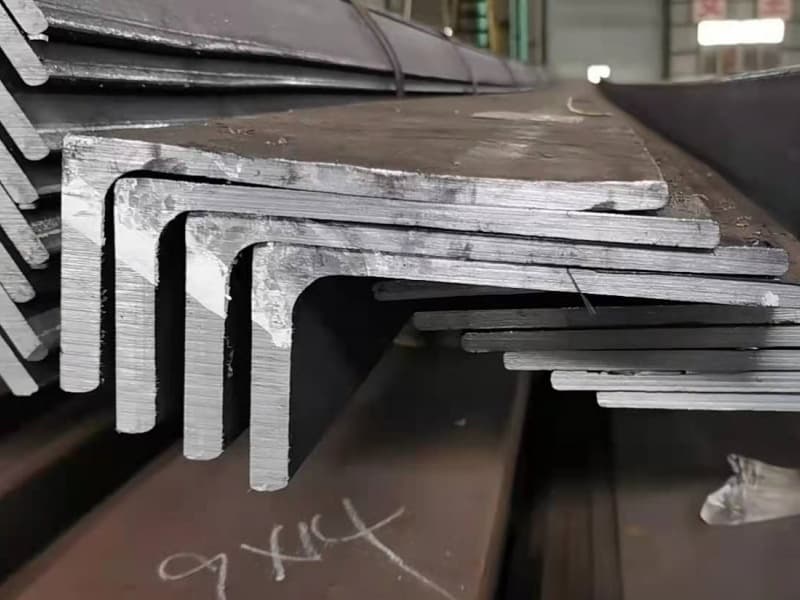
Comprehensive Import Duty Analysis
Import duties on Chinese steel involve multiple factors that affect the final cost. Understanding these elements helps in accurate budget planning and cost calculation.
HS Code Classification Basis
Import duties are determined by Harmonized System codes. L-shaped steel typically falls under HS code 7216.50 for angles, shapes, and sections. This classification covers hot-rolled iron or non-alloy steel products. The specific code may vary slightly by country. Proper classification is essential for correct duty assessment.
Most-Favored-Nation (MFN) Rates
MFN rates represent the baseline duty structure. These rates apply to all WTO member countries. For steel products, MFN rates typically range from 0% to 10% in most markets. Some countries offer preferential rates for developing nations. The rates are published in each country’s customs tariff schedule.
Trade Agreement Preferences
Bilateral and regional trade agreements affect duty rates. Countries with free trade agreements with China may have reduced or zero duties. ASEAN countries often benefit from lower rates under regional agreements. Middle Eastern countries may have different tariff structures. Checking applicable trade agreements can identify duty savings opportunities.
Anti-Dumping and Countervailing Duties
Many countries impose additional duties on Chinese steel. Anti-dumping duties address unfairly low pricing. Countervailing duties offset Chinese government subsidies. These additional duties can significantly increase total costs. The rates vary by product and change frequently. Current duty information should be verified before ordering.
Value Added Tax and Other Charges
Beyond basic import duties, other charges apply. Value Added Tax (VAT) typically ranges from 5% to 20%. Customs processing fees cover administrative costs. Port charges and handling fees add to the total. These additional costs can equal or exceed the basic duty amount.
Country-Specific Duty Structures
Different markets have unique duty approaches. The United States has complex steel tariff structures. European Union applies combined duty and quota systems. Middle Eastern countries may have simpler tariff schedules. Southeast Asian nations often have regional preference rates. Researching the specific destination market is crucial.
Duty Calculation and Planning
Accurate duty calculation requires multiple steps. First, determine the correct HS code classification. Then identify applicable duty rates and trade preferences. Calculate additional taxes and fees. Include these costs in the total landed cost calculation. Proper planning prevents budget surprises.
Steel Import Duty Overview by Region
| Region | Typical Duty Range | Additional Charges | Special Considerations |
|---|---|---|---|
| United States | 10-25% | Anti-dumping duties | Section 232 tariffs may apply |
| European Union | 0-10% | VAT 15-25% | Quota systems for some products |
| Middle East | 0-10% | VAT 5-15% | GCC unified tariff often 5% |
| Southeast Asia | 0-5% | VAT 5-15% | ASEAN-China FTA benefits |
| South America | 10-20% | Various taxes | Complex anti-dumping measures |
We help clients understand duty implications for their specific markets. Proper planning ensures no surprises in final costs.
How to import directly from China?
A shipbuilder from Mexico wanted to bypass trading companies. Learning the direct import process saved them significant costs.
Direct importing from China involves supplier identification, price negotiation, quality control arrangement, shipping organization, and customs clearance. Key steps include verifying supplier credentials, arranging third-party inspection, choosing reliable freight forwarders, and preparing complete documentation for smooth customs processing.
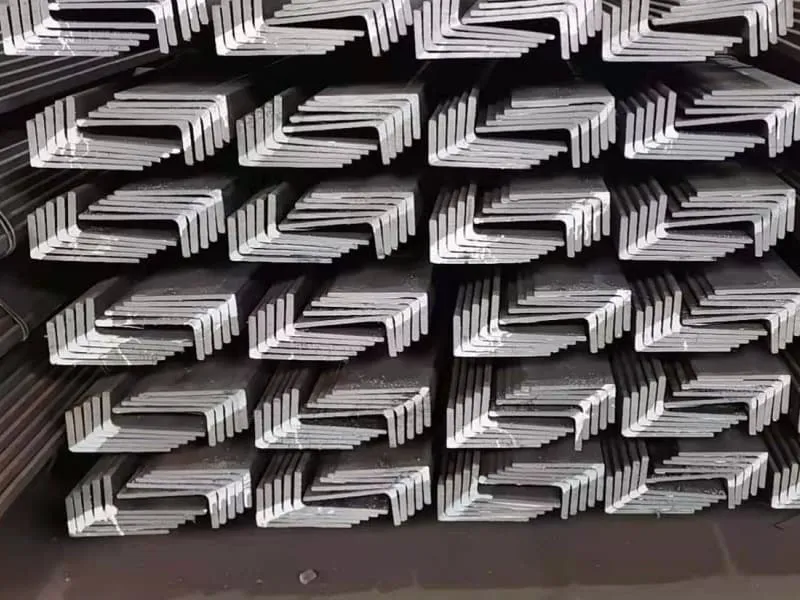
Step-by-Step Direct Import Guide
Direct importing requires careful planning and execution at each stage. Following a systematic approach ensures successful transactions and avoids common pitfalls.
Supplier Identification and Verification1
Start with thorough supplier research. Use B2B platforms like Alibaba and Global Sources. Verify business licenses and export experience. Check production capabilities and quality certifications. Request references from previous international clients. Conduct video meetings to assess communication and professionalism.
Product Specification and Quotation
Provide detailed technical requirements to suppliers. Include grade specifications, dimensions, tolerances, and certifications. Request formal quotations with complete cost breakdown. Compare multiple offers based on price, quality, and service terms. Clarify all points before proceeding to avoid misunderstandings.
Quality Assurance Planning2
Arrange independent quality control measures. Hire third-party inspection companies like SGS or BV. Specify inspection standards and acceptance criteria. Agree on testing methods and sampling plans. Plan for dispute resolution procedures. Quality assurance protects your investment and ensures compliance.
Shipping and Logistics Management3
Choose appropriate shipping methods for steel products. Sea freight is most cost-effective for large shipments. Select reliable freight forwarders with steel experience. Arrange comprehensive cargo insurance coverage. Coordinate loading schedules and documentation preparation. Proper logistics planning ensures timely delivery.
Payment Security Arrangements4
Use secure payment methods that protect both parties. Letters of credit provide payment security through banks. Escrow services offer alternative protection. Telegraphic transfers work for established relationships. Payment terms should balance risk and trust between parties.
Customs Clearance Preparation5
Work with experienced customs brokers in your country. Prepare all required import documents in advance. Ensure compliance with both Chinese export and your import regulations. Understand duty calculation and payment procedures. Proper documentation prevents clearance delays.
Risk Management Strategies6
Identify and mitigate potential risks. Quality risks require inspection protocols. Delivery risks need contingency planning. Payment risks demand secure methods. Currency fluctuation risks may require hedging. Political risks should be monitored for affected regions.
Direct Import Process Timeline
| Stage | Duration | Key Activities | Critical Documents |
|---|---|---|---|
| Supplier Selection | 5-10 days | Research, verification, negotiation | Business licenses, certificates |
| Production | 15-25 days | Manufacturing, quality control | Production schedule, test reports |
| Inspection | 3-5 days | Quality verification, testing | Inspection certificates, reports |
| Shipping | 15-30 days | Booking, loading, transit | Bill of lading, insurance |
| Customs Clearance | 3-10 days | Documentation, payment, release | Import declaration, duty payment |
We guide clients through direct import processes regularly. Our experience helps avoid common mistakes and ensures smooth transactions.
Why is Chinese steel so cheap?
A shipowner from Saudi Arabia questioned Chinese steel pricing. Understanding the cost structure helped them evaluate supplier offers properly.
Chinese steel offers competitive pricing due to large-scale production, government support, lower labor costs, efficient supply chains, and modern manufacturing technology. However, quality variations exist between suppliers, making careful supplier selection crucial for obtaining the right balance between cost and performance for marine applications.
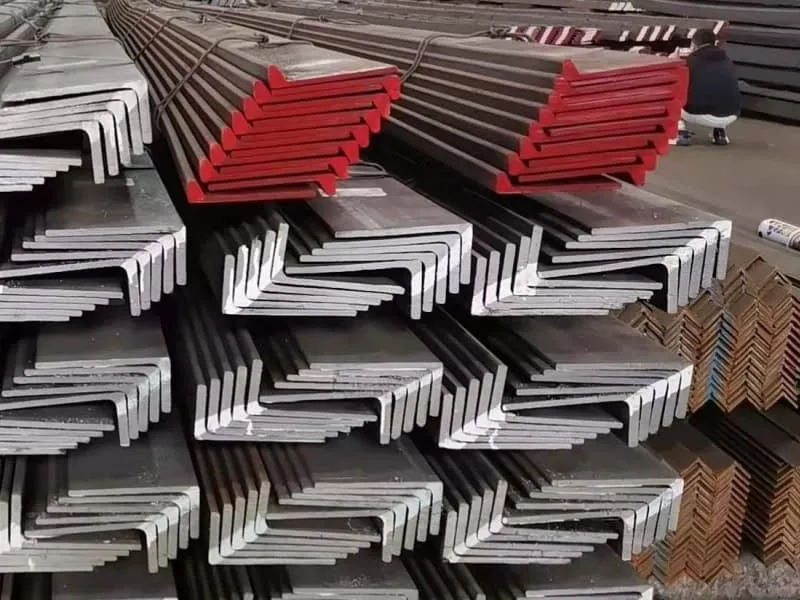
Chinese Steel Competitive Advantage Analysis
Chinese steel’s price advantage stems from multiple factors that create cost efficiencies throughout the production and supply chain. Understanding these factors helps in supplier evaluation.
Production Scale and Efficiency
Chinese steel mills operate at massive scales that reduce costs. Large production volumes spread fixed costs over more units. Continuous operation maximizes equipment utilization. Bulk raw material purchasing achieves better prices. The scale advantage is difficult for smaller producers to match. This efficiency translates to competitive pricing for buyers.
Government Policy Support
The Chinese steel industry receives various forms of government support. Energy subsidies reduce electricity and fuel costs. Tax incentives encourage export activities. Infrastructure support lowers transportation expenses. Research funding promotes technological advancement. These policies contribute significantly to price competitiveness in international markets.
Labor Cost Structure
Labor costs in China remain competitive despite recent increases. Skilled steel workers are available at reasonable rates. Technical education produces qualified workforce efficiently. Manufacturing expertise has developed over decades of industrial growth. The labor cost advantage persists compared to many developed countries.
Raw Material Access
China has established raw material supply chains. Domestic iron ore production supplements imports. Coal resources support coke production for steelmaking. Transportation networks efficiently move raw materials to mills. The integrated supply chain reduces material costs and ensures supply stability.
Manufacturing Technology Investment
Modern Chinese mills use advanced production technology. Automated processes increase productivity and reduce labor needs. Energy-efficient equipment lowers operating costs. Quality control systems minimize material waste. Continuous technology improvement maintains competitiveness. The technology investment pays off in lower production costs.
Supply Chain Optimization
The entire steel supply chain is highly optimized. Efficient port facilities handle large export volumes. Transportation networks connect production centers to ports. Export procedures are streamlined through experience. The supply chain efficiency reduces overall costs for international buyers.
Quality and Price Relationship
Price variations reflect real quality differences. Standard structural steel offers the lowest prices. Marine grades with certification command moderate premiums. Specialized products with enhanced properties have higher costs. Understanding this relationship helps buyers select appropriate quality levels. The right choice matches application requirements with budget constraints.
Chinese Steel Cost Component Analysis
| Cost Factor | Chinese Advantage | Impact on Price | Quality Considerations |
|---|---|---|---|
| Raw Materials | Domestic availability and imports | Lower input costs | Material consistency important |
| Labor | Competitive wages | Reduced manufacturing cost | Skill level varies by mill |
| Energy | Subsidized rates | Lower production cost | Environmental compliance needed |
| Scale | Massive production volume | Economies of scale | Quality control challenges |
| Technology | Modern equipment | Higher efficiency | Requires proper maintenance |
We help clients understand these cost dynamics for informed purchasing decisions. Buyers in Philippines and Thailand achieve optimal value through proper supplier selection.
Who does China import steel from?
While China is the world’s largest steel exporter, it also imports specific steel products. Understanding China’s import patterns1 provides market insights.
China primarily imports high-grade steel products2 from Japan, South Korea, and Germany, along with specialty steels from European suppliers. These imports include high-value added products, specialty alloys3, and advanced steel grades4 not economically produced domestically, despite China’s overall position as the world’s largest steel exporter.
China’s Steel Import Market Analysis
China’s steel imports represent a small but strategic portion of its steel consumption. The import patterns1 reveal gaps in domestic production capabilities and market needs.
Major Import Source Countries
Japan serves as China’s largest source of imported steel. Japanese mills supply high-quality automotive and electronic steels. South Korea provides specialized plates5 and coated products. German suppliers offer premium engineering and tool steels6. These countries maintain quality advantages in specific product segments.
High-Value Product Imports
China imports products where domestic capability is limited. Automotive grade steels requiring precise properties are significant imports. Electrical steels for transformers and motors come from specialized suppliers. Stainless steel with specific corrosion resistance is imported for critical applications. These products command premium prices.
Specialty and Alloy Steels
Advanced alloy steels represent another import category. Tool steels for manufacturing applications are imported from Europe. High-speed steels for cutting tools come from specialized producers. Corrosion-resistant alloys for chemical processing are imported. These products require advanced metallurgical expertise.
Temporary Import Patterns
Import volumes fluctuate based on market conditions. When domestic prices rise sharply, imports may increase temporarily. During domestic production cuts for environmental reasons, imports might supplement supply. Major infrastructure projects sometimes require specialized imported materials. These patterns reflect market dynamics.
Quality and Technology Factors
Imported steels often incorporate advanced technology. Japanese steels offer superior surface quality and consistency. European products provide advanced alloy compositions. Korean steels feature innovative coating technologies. These technological advantages justify import decisions despite higher costs.
Regional Import Distribution
Import patterns vary by Chinese region. Coastal industrial centers import the most steel. Manufacturing hubs like Guangdong import specialized materials. Automotive centers require imported automotive grades. The distribution reflects regional industrial specialization.
Strategic Import Considerations
Imports serve strategic purposes beyond immediate needs. Technology transfer occurs through studying imported products. Quality benchmarking uses imported materials as references. Supply chain diversification maintains multiple sources. These strategic factors influence import decisions.
China’s Steel Import Profile
| Product Category | Main Source Countries | Key Applications | Reasons for Import |
|---|---|---|---|
| Automotive Steel | Japan, Germany | Vehicle manufacturing | Superior consistency, advanced grades |
| Electrical Steel | Japan, South Korea | Transformers, motors | Special magnetic properties |
| Stainless Steel | Japan, Korea, EU | Chemical, food processing | Enhanced corrosion resistance |
| Tool Steel | Germany, Sweden, Japan | Manufacturing tools | Advanced alloy compositions |
| Specialty Plates | Japan, Korea | Pressure vessels, defense | Strict quality requirements |
Understanding China’s import patterns1 helps comprehend the global steel market. Our position in China provides insights into both export and import dynamics.
Conclusion
Importing L-shaped steel from China requires understanding duties, processes, cost factors, and market dynamics. Proper planning ensures successful procurement of quality materials at competitive prices.
-
Gain insights into the fluctuating import patterns of steel in China and their implications for the global market. ↩ ↩ ↩ ↩
-
Explore the significance of high-grade steel products in China’s import strategy and their impact on the market. ↩ ↩
-
Discover the role of specialty alloys in China’s industrial applications and their unique properties. ↩ ↩
-
Find out how advanced steel grades contribute to China’s technological advancements in various sectors. ↩ ↩
-
Explore the importance of specialized plates in China’s infrastructure and defense sectors. ↩ ↩
-
Investigate the various types of tool steels imported by China and their applications in manufacturing. ↩ ↩