
Fabrication shops lose hours to handling, not cutting. Every extra lift pushes the cutting line further behind schedule. This guide shows where those hours hide and how to win them back.
Improve material handling efficiency in a marine steel fabrication shop by mapping every lift from receipt to the cutting line, matching lifting attachments to the load, zoning storage by project and heat number, and delivering steel in kitted bundles instead of loose searches. Most of the gain comes from removing double handling, not from buying bigger cranes.
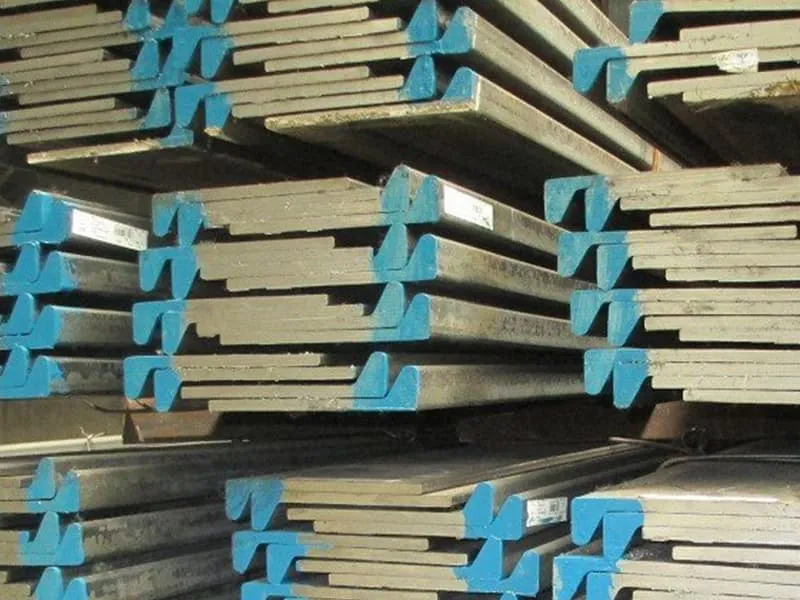
I spend most of my days at the export desk, but I still walk our warehouse in Liaocheng every week, because the way steel sits on the floor tells me more about a fabrication shop than any quotation ever will. When a buyer asks me why his cutting machine stood idle for half a shift, the answer is almost never the machine. It is the ninety minutes an operator spent lifting five bundles to reach one heat number underneath them. The pages below break the problem into four questions: where the time goes, what the lifting gear can save, how the yard should be organized, and what changes when steel arrives in kits instead of piles. Answer them in that order and the shop gets faster without buying a single new machine.
Where Does Handling Time Actually Disappear in a Fabrication Shop?
Handling looks like one activity, but it hides at least five. Count the lifts before you count the minutes, because the wasted ones never appear on any timesheet.
In a typical marine steel fabrication shop, handling time disappears into double handling: steel is lifted, put down, and lifted again because it was stacked in the wrong order. Yard-to-blasting, blasting-to-CNC, and CNC-to-assembly moves are planned, but re-stacking and searching are not, and they consume most of the crane hours.
The Planned Lifts and the Hidden Lifts
A shop plans its visible lifts well. Steel arrives, the gantry or yard crane unloads it into the stockyard, a transfer crane feeds the blasting and priming line, and an overhead crane with an electromagnetic spreader positions the plate or profile at the CNC cutting station. Between those stations sit the hidden lifts: the bundle that has to come off the top of the stack to reach the one underneath, the profile that gets moved twice because the assembly area was occupied, the plate that travels three metres so a truck can pass. In shipbuilding yards running three shifts, the planned moves are continuous and high-frequency, so every extra unplanned lift multiplies fast. The industry literature on shipyard logistics keeps repeating the same warning: prevent deformation and surface damage during handling and position the material precisely at the CNC feed, because a misaligned feed wastes the sheet and the cutting time together.
When the Crane Itself Becomes the Bottleneck
Crane capacity and crane duty are two different problems, and shops confuse them constantly. A crane rated for the tonnage but specified with too light a duty cycle will fail early in a fabrication environment. Steel fabrication typically needs an M5 or M6 duty classification, and under-specifying it is a common and expensive mistake. Two smaller cranes on one runway often beat one large crane, because they can work in different parts of the shop at the same time, back each other up, and tandem-lift the rare oversize load. I have watched a shop run its only overhead crane at full stretch while a second-hand gantry sat idle outside, purely because nobody had drawn the material flow on paper first.
Count the Lifts Before You Blame the Machines
The cheapest diagnostic in the whole exercise is a clipboard. Have someone stand in the yard for one shift and tick every crane cycle: where the load came from, where it went, and whether it will be lifted again before it is cut. In most shops the tick sheet shows that a third or more of the cycles served no cutting purpose at all, they only corrected a stacking mistake. That one-page tally turns a vague complaint about slow material flow into a specific list of stacks to reorganise and lifts to eliminate. It also protects the operators, because handling accidents cluster around exactly these improvised, unplanned moves, and a yard with clear travel lanes, defined stack faces, and no-stand zones under active lifts is both faster and safer than one where the crane guesses its way through the day.
| Handling stage | Typical waste | What it looks like on the floor |
|---|---|---|
| Receipt and yard stacking | Steel stacked in arrival order, not use order | Operator lifts several bundles to reach one heat number |
| Blasting and priming feed | Idle crane waiting on sorting | Blast line stops while the yard hunts the next plate |
| CNC cutting feed | Mispositioning and re-chucking | Cutting misalignment, scrapped edges, repeat setups |
| Inter-station transfer | Double handling | Same bundle lifted three times before it is cut |
| Remnant return | Untraceable offcuts | Offcuts pile up with no grade or heat number on them |
Can the Right Lifting Attachment Cut Cycle Time Without a New Crane?
Most shops ask whether they need a bigger crane. The better question is whether the hook is wearing the right tool, because the attachment decides the cycle time.
Yes. Lifting magnets, vacuum frames, and purpose-built profile hooks attach and release in seconds, eliminate rigging time, and do not mark the steel. One Chinese yard reported in early 2026 that a self-made hook lifting three profiles per cycle instead of one tripled its infeed efficiency and cut three hours of downtime per shift on a single cutting machine.
Magnets: Fast, With Conditions
For plate work, magnetic beams transform productivity because they attach and release in seconds, remove rigging time entirely, and leave the surface unmarked. But magnet performance is not a constant. The air gap between the magnet face and the load surface is the most underestimated variable in magnetic lifting: a few millimetres of gap from surface waviness, protective primer, rust, or scale can reduce holding force by twenty to forty percent depending on the magnet design. Shop primer on shipbuilding plate is a real factor, not a footnote, and it belongs in the safety calculation. Separation is the second trap: when picking one sheet from a stack, the sheet below is often pre-magnetised, and without active demagnetisation you lift two plates instead of one. Modern beams handle this with electronic pulse sequences, and electropermanent designs stay safe even on power loss, which is why below-the-hook devices fall under standards such as ASME B30.20 in North America. Specify every magnet for the worst load in your mix, not the average one: thin, oily, or lightly rusted stock all reduce grip.
The Cheap Fix Is Usually the Right One
Not every answer is a magnet. The Chinese yard case I mentioned above is worth a closer look, because it is the kind of improvement any shop can copy. The profile infeed to its cutting line used a small KBK crane with a hand-operated magnet: one profile per lift, a tedious magnetise-lift-release cycle for every bar, profiles swinging on the hook, and operators standing close to a suspended load. The infeed could not keep up with the cutting machine behind it, so the machine waited. The yard’s own team designed a dedicated hook that lifts three profiles per cycle, dropped the magnet cycle entirely, and built it from leftover steel at almost no cost. The reported results: three times the infeed efficiency per batch, three hours less downtime per shift per cutting machine, an indirect productivity gain of about thirty-seven percent, and hundreds of thousands of yuan in annual labour savings. No new crane, no new building, one welded fixture.
| Attachment | Best for | Cycle speed | Watch out for |
|---|---|---|---|
| Chain slings and beam clamps | Beams and structural sections | Slow, rigging required | Labour per cycle, edge contact marks |
| Magnetic lifting beam | Plate handling and CNC feeding | Seconds to attach and release | Air gap from primer, rust, scale; two-sheet pick-up |
| Vacuum frame | Thin, clean-surfaced sheet | Fast, no marking | Loses grip on rough or oily surfaces |
| C-hook | Coils and narrow plate stacks | Fast, simple | One orientation only |
| Purpose-built profile hook | Angle, bulb flat, T-sections | Multi-bar per cycle | Needs design work for your section mix |
How Should You Organize Storage and Stacking to Stop Double Handling?
Handling efficiency is decided before the first lift of the day, in the way the yard is zoned and stacked. A disorganised yard makes even a fast crane slow.
Zone the yard by project and block, stack by cutting sequence rather than arrival order, and keep every bundle’s grade and heat number visible. Shipyards that replaced experience-based stacking with planned zoning and digital yard management reported around twenty percent faster plate handling and roughly twenty percent lower energy costs for the yard cranes.
Stack for the Next Cut, Not for the Last Truck
The default habit in most yards is stacking in arrival order, because it is easiest the moment a truck arrives. It is also the most expensive arrangement possible, since the plate needed tomorrow sits at the bottom of a stack of steel needed next month. Plan the stacking order from the nesting plan instead: the sections and plates needed first for a block go on top or on the open face. One large Chinese shipbuilder described its own fix in public: it split nesting drawings into finer, standardised categories, cut the number of material categories and stack positions per ship section, and reduced secondary re-stacking so sharply that material moved from “scattered and disordered” to “centralised and ordered”, with both labour and energy costs falling. That sentence sounds bureaucratic, but on the floor it means an operator reaches one stack instead of six.
Make Identity Visible at Distance
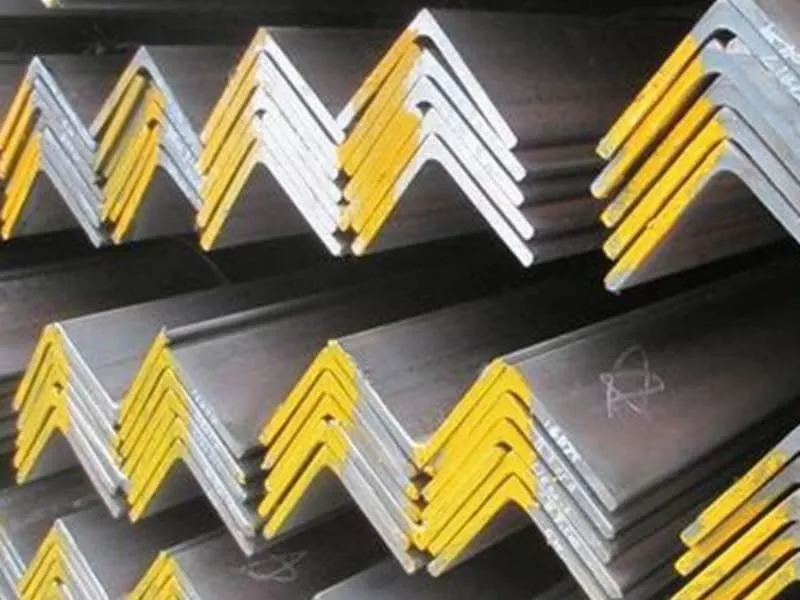
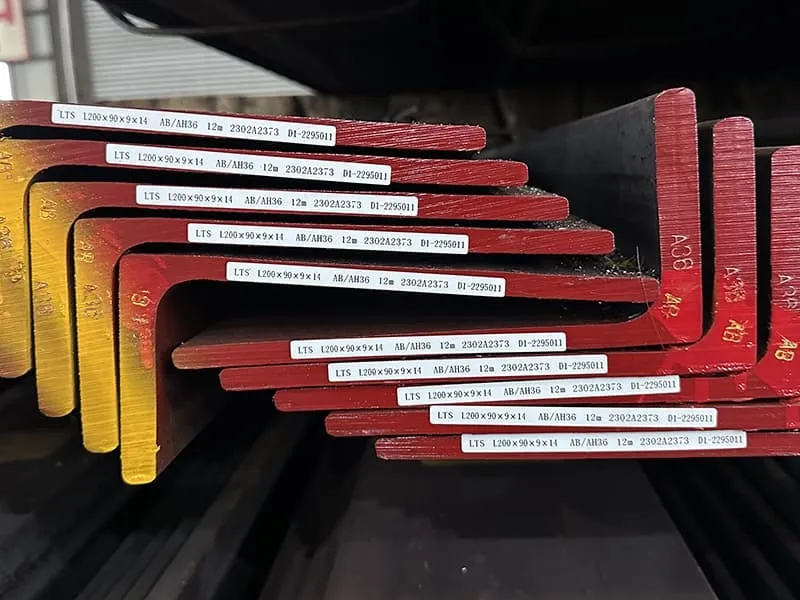
A stack you cannot read is a stack you must open. Every bundle in our own warehouse carries its grade, heat number, and length on an end tag facing the aisle, and I would rather re-stack a bundle once at receipt than have five operators hunt for it five times later. The tags are not decoration, either. A painted end colour tells the yard crew the grade family at a glance, and the printed tag carries the heat number that ties the bar back to its mill test certificate. When a classification surveyor asks for traceability, the answer should be a tag, not an afternoon of paperwork. The same discipline applies to unequal angles and L-sections, where two sizes look almost identical from three metres away and only the leg dimensions on the tag separate them.
The digital yard is the same idea taken further: when a large shipyard in Shanghai digitised its steel plate stockyard, the published figures were roughly twenty percent higher plate handling efficiency, about twenty percent lower electricity cost for yard operations, and around three million yuan saved annually in labour, largely because operators stopped searching and re-stacking by memory. You do not need a full digital twin to get most of that; a simple register that says which stack holds which heat numbers already removes the largest search losses.
| Storage approach | Search time | Re-stacking | Risk of mixed grades |
|---|---|---|---|
| Experience-based stacking | High, memory-driven | Frequent | High when grades look alike |
| Zoned by project and block | Low, location fixed | Occasional | Low, zone holds one project |
| Kit-staged by cutting sequence | Minimal, kit is pre-assembled | Rare | Low, tags verified at receipt |
What Changes When Steel Reaches the Cutting Line in Kitted Bundles?
The final step is to stop supplying the cutting line from the yard at all. Deliver steel in kits, sequenced for the nest, and the yard becomes a buffer instead of a search field.
Kitting means bundling the exact plates and profiles for one block or one nest, tagged and sequenced, and delivering them to the cutting line as a single unit. It removes search time, cuts re-stacking, and turns material supply into a schedule that the cutting machine can follow without waiting.
From Loose Stock to Block Kits
A kit is simply the material list for one unit of work, gathered before the work starts. Instead of feeding the CNC machine bar by bar from the yard, the shop collects the profiles for one sub-assembly, verifies grades and heat numbers once at staging, and moves the kit in one lift. The handling arithmetic is obvious: one lift per kit instead of one lift per bar, and the verification happens once instead of every time an operator grabs a piece. The most advanced yards push this further with automated sorting lines that identify each cut piece, sort finished parts, remnants, and scrap automatically, and move them by AGV to the assembly station, so the material flow between cutting and assembly runs without a person touching it. Most shops cannot justify that equipment yet, but the principle scales down: a bundle staged for one nest, tagged, and placed within crane reach of the machine costs almost nothing extra and removes the machine’s waiting time. Kit staging also changes how remnant offcuts behave, because a nest that returns its offcut as a tagged, graded piece keeps that piece usable for the next bracket, while an offcut dropped loose into a scrap corner is steel you will buy again next month.
What We See on the Export Side
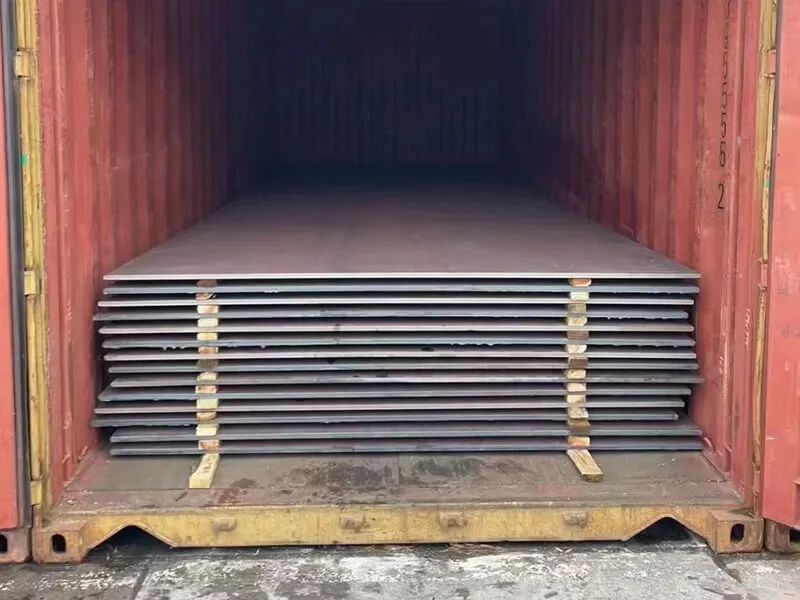
Kitting starts before the steel is even shipped, and this is where I see the difference from my desk. When we packed a recent marine steel plate and angle order for Gulf Metal Solutions in Saudi Arabia, the bundles were sorted by size and grade, tagged on the open face, and packed so that their yard team at Dammam could unload and stage the material without re-sorting it. Their feedback singled out the packaging as the best they had received for ship plates, and that matters for more than pride: steel that arrives sorted by grade and heat number flows into their cutting schedule the day it lands, while steel that arrives as one mixed heap pays a handling tax for weeks. If your supplier ships bundles you must re-sort on arrival, you are paying twice for the same organisation.
| Supply method | Crane lifts per nest | Machine waiting | Traceability effort |
|---|---|---|---|
| Loose stock search | One lift per bar, plus re-stacks | Frequent, unpredictable | Repeated at every pick |
| Kitted bundles | One lift per kit | Rare, scheduled | Verified once at staging |
Conclusion
Map the lifts, fit the right attachment, zone the yard, and ship steel in kits. Material handling efficiency in marine steel fabrication comes from removing wasted moves, and every one of them is visible if you go and look.