
You have ordered high-quality marine L-shaped steel. But how can you be certain it meets the specifications before it sails across the ocean? A thorough pre-shipment inspection is your most powerful tool to prevent costly surprises at the destination port.
Inspecting marine L-shaped steel before shipment involves a three-part process: verifying material certifications, conducting dimensional and visual checks, and performing or witnessing mechanical tests. Key steps include checking the Mill Test Certificate, measuring leg lengths and straightness, looking for surface defects, and confirming packaging for seaworthy transport.
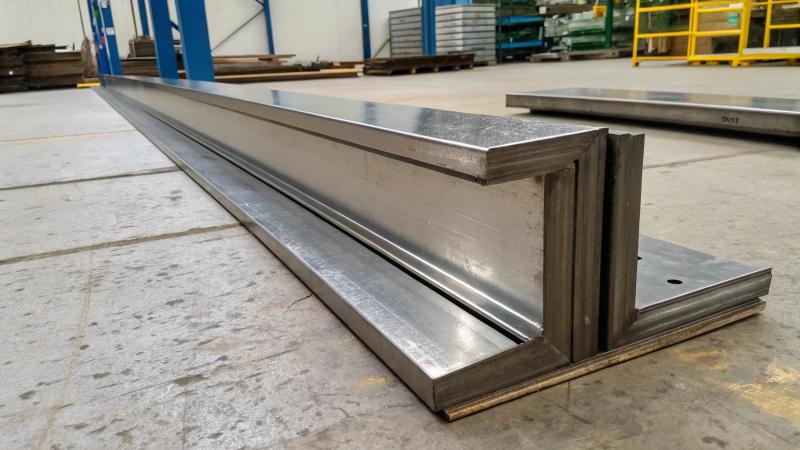
However, a proper inspection is more than a quick look. It is a systematic audit designed to match the product against your order and international standards. Let’s detail what this process really entails.
What is the typical loading pattern1 in a bulk carrier?
Before we inspect the steel itself, we must consider its journey. Your perfectly inspected steel could be ruined by improper loading on the ship. Understanding standard cargo plans helps you ensure your goods are handled correctly from the warehouse to the hold.
The typical loading pattern1 in a bulk carrier aims to distribute weight evenly and keep the ship stable. Cargo is loaded in a specific sequence, often alternating between holds to prevent excessive stress2 on the hull. The final goal is a level, or slightly trimmed, cargo surface to prevent shifting during the voyage.

The Science Behind Safe Stowage: More Than Just Filling Holds
Loading a bulk carrier is a precise operation governed by naval architecture principles. The crew does not just fill one hold after another. They follow a loading plan3 calculated by the ship’s officers to manage two critical forces: stress2 and stability4.
Managing Hull Stress: The Alternating Sequence
A ship’s hull is a long, flexible beam. If you load too much weight in the middle holds and leave the ends empty, the hull will hog (arch upward). If you load the ends and leave the middle empty, it will sag (droop in the middle). Both conditions create immense stress2.
The standard practice is an alternating loading sequence. For a ship with seven holds (numbered 1 to 7 from bow to stern), a common sequence might be: Hold 4 -> Hold 2 -> Hold 6 -> Hold 1 -> Hold 7 -> Hold 3 -> Hold 5. This method balances the weight along the ship’s length, minimizing bending moments and keeping stress2 within safe limits.
Ensuring Ship Stability: The Importance of Trimming
Stability prevents the ship from capsizing. It depends on the vertical and horizontal center of gravity. Heavy, dense cargo like steel lowers the center of gravity, which is generally good. However, if cargo shifts to one side, it can cause a dangerous, permanent list.
To prevent shifting, the cargo must be trimmed. Trimming means leveling the cargo so it fills all spaces below the hatch coaming and has a flat surface. For steel products, this often requires manual work with bulldozers or excavators in the hold to spread the material evenly. A well-trimmed cargo5 has no space to move and maintains an even weight distribution across the ship’s beam.
The Cargo Plan6‘s Role:
The loading sequence and trimming instructions are part of the formal Cargo Plan6. This document is crucial. A reputable freight forwarder or the ship’s agent should provide this plan. For high-value cargo like marine steel, you can request to review it. You want to see that your cargo is scheduled in a hold that follows good practice and is not placed in a way that risks damage from other cargo.
This knowledge is power. When we arrange shipment for clients, we confirm the loading plan3 with the shipping line. We ensure that steel products are not scheduled to be loaded beneath, or adjacent to, potentially damaging cargo like wet bulk or chemicals. This proactive step is part of our end-to-end service.
How should bulk cargoes1 be loaded?
Loading bulk cargo seems straightforward—just pour it in. But for heavy, dense cargo like steel, the "how" is critical. A single mistake in procedure can damage the cargo, the ship, or even cause the vessel to sink.
Bulk cargoes should be loaded carefully according to a pre-approved loading plan. The loading must be monitored for proper weight distribution2 to control hull stress. The cargo must also be properly trimmed3 (leveled) in each hold to ensure it cannot shift during the voyage, which is vital for ship stability and safety.
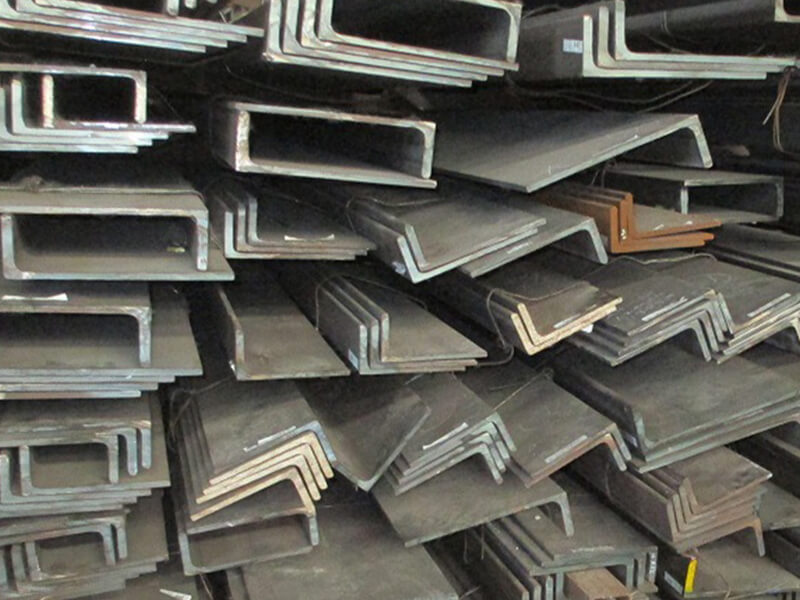
A Step-by-Step Guide to Proper Bulk Loading
Safe loading is a disciplined process with clear stages. Each stage has a specific purpose to protect both the vessel and your cargo.
Stage 1: Pre-Loading Preparation
Before any cargo touches the ship, checks are done.
- Hold Inspection: The cargo holds must be clean, dry, and free of residue from previous cargo. Any leftover material can contaminate your steel or cause corrosion.
- Dunnage Preparation: For steel cargo, wooden dunnage (planks) is often laid on the tank top (the hold floor). This creates a barrier against moisture and allows for forklift movement if needed.
Stage 2: The Loading Operation
This is where the plan is executed.
- Sequenced Loading: The loading proceeds according to the planned sequence discussed earlier. The ship’s officers constantly monitor the draft (how deep the ship sits in the water) at the bow, stern, and sides. They use this to calculate stress in real-time.
- Pausing for Checks: Loading is often paused at 25%, 50%, and 75% of completion in each hold. During these pauses, the crew checks the ship’s structure and confirms stress levels are within limits before continuing.
Stage 3: Trimming – The Most Critical Step for Steel
Once the hold is filled to its desired depth, trimming begins. For steel products like L-angles bundled on pallets or in crates, perfect leveling might not be possible. But the goal is the same: create a stable stow.
- The cargo should be packed tightly, leaving no voids between bundles.
- Gaps along the sides of the hold should be filled with smaller packages or other suitable material.
- The top surface should be as level as possible. A peaked or sloped surface is unacceptable, as cargo can easily slide down.
Stage 4: Securing (if applicable)
While loose bulk like grain shifts easily, unitized steel is more stable. However, in heavy weather, even secured bundles can move. The ship’s crew may use airbags, lashings, or wooden shoring to secure the top layer of cargo and prevent any potential movement.
The table below summarizes the key objectives and actions for each stage:
| Loading Stage | Primary Objective | Key Actions for Steel Cargo |
|---|---|---|
| Preparation | Create a safe, clean stowage environment. | Inspect hold for cleanliness and damage. Lay dunnage on tank top. |
| Loading Execution | Control hull stress and weight distribution2. | Follow the alternating sequence loading plan. Monitor draft and stress continuously. |
| Trimming | Eliminate cargo shift risk for stability. | Level the cargo surface. Fill all gaps and voids between bundles. |
| Securing | Prevent movement of top layers in transit. | Apply lashings, shoring, or airbags to the top tier of bundles. |
This disciplined approach is why we prefer to work with established shipping lines4. Their crews are trained in these procedures. It gives us and our clients confidence that the product we inspected and packaged with care will be handled with equal care at sea.
How are bulk carriers loaded?
Bulk carriers are the workhorses of global trade, moving everything from grain to ore. Their loading method is a blend of massive infrastructure and careful coordination. For a buyer, knowing this process highlights the importance of proper packaging and stowage instructions.
Bulk carriers are loaded using shore-based equipment like conveyor belts, grab cranes, or pneumatic systems that transfer cargo from the terminal into the ship’s holds. The loading rate, sequence, and distribution are tightly controlled from a central console on shore and monitored by the ship’s officers to ensure safety and efficiency.
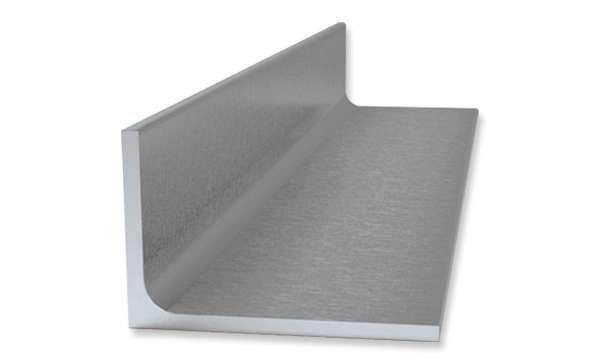
The Machinery and Coordination of Modern Loading
The image of men with shovels is long gone. Today’s bulk ports are highly automated. The type of cargo determines the loading system used.
1. The Loading Equipment:
- Grab Cranes: These are very common for general bulk cargo like coal, ore, and even scrap metal. A large crane with a clamshell grab bucket picks up material from the stockpile, swings it over the open hatch, and releases it. This method can be noisy and causes some impact.
- Conveyor Belt Systems: These are used for large-volume, continuous loading of commodities like grain, iron ore pellets, or bauxite. Belts carry the material to a movable loading arm (a "chute") that directs the flow into the hold. This is a faster, more controlled, and less damaging method.
- Pneumatic Systems: Used for fine powders like cement or grain. The material is blown through pipes into the hold. This creates dust and requires special procedures.
2. The Loading Process for General Cargo (Like Steel):
Steel products are not "bulk" in the same way as grain. They are "general cargo" or "neo-bulk" cargo. They are often loaded using different equipment:
- Ship’s Gear or Shore Cranes: Individual bundles, crates, or pallets of L-shaped steel are lifted by crane. They use slings or spreader beams designed for the load.
- Importance of Proper Lifting: The correct use of slings or frames is crucial to prevent damage to the steel bundles during the lift. Our packaging is designed with specific lifting points to make this safe and easy for the stevedores.
3. The Human Element: Control and Communication
Loading is a partnership between the shore terminal and the ship.
- The Shore Foreman: Controls the rate of loading and the movement of the loading machinery.
- The Ship’s Officers: Monitor the ship’s attitude, draft, and stress. They communicate constantly with the shore, instructing them to move to the next hold, slow down, or stop for checks.
- The Log: All times, quantities loaded per hold, and any incidents are recorded in the ship’s logbook.
For us, as the shipper, our job is to deliver the cargo to the port in a condition ready for this industrial process. That means:
- Robust Packaging: Bundles must be strong enough to withstand crane lifts and potential impact.
- Clear Marking: Each package must have clear weight and lifting point markings.
- Accurate Documentation: The ship needs an accurate cargo manifest listing the weight and dimensions of every package to plan the stowage properly.
When we prepare a shipment for a client in Mexico, we provide all this information in advance. This allows the shipping line to plan the most efficient and safest way to load our cargo alongside other goods on the vessel.
How to load steel coils on a ship?
Steel coils are a special challenge in maritime transport. They are heavy, dense, and perfectly round—meaning they can roll with devastating force. The loading and securing of coils is a textbook example of specialized cargo handling that every steel buyer should understand.
Steel coils are loaded onto ships using cranes with special coil-lifting frames or spreader beams that engage the coil’s central hole. They must be positioned with their axis running across the width of the ship (athwartships) and placed on sturdy wooden cradles or racks. Each coil is then secured with steel lashings to strong points on the deck or hold.

A Masterclass in Cargo Security: The Coil Loading Protocol
Loading coils is a highly regulated procedure because of their inherent risk. Improperly stowed coils are a leading cause of cargo shift incidents and even ship losses.
Step 1: Lifting and Handling
The golden rule: Never lift a coil by wrapping slings around its body. This can crush the outer layers and is unstable. Coils are always lifted vertically using a spreader beam. This beam has arms that insert into the coil’s central hole (the "eye"). The coil hangs securely from its core, preventing damage and allowing controlled rotation for positioning.
Step 2: Stowage Orientation – "Athwartships"
This is the most critical rule. Coils must be stowed with their axis athwartships (from port to starboard, across the ship). Why? Because a ship’s primary motion at sea is rolling from side to side. If a coil’s axis runs along the ship (fore and aft), a heavy roll could make it start rotating. An athwartships coil cannot roll in the direction of the ship’s roll; the ship’s structure itself blocks the movement.
Step 3: Bedding and Support
A heavy coil cannot sit directly on a steel deck. The concentrated weight could damage the deck. Each coil rests on a purpose-built wooden cradle or a steel rack. This cradle supports the lower curve of the coil and spreads the load.
Step 4: Securing with Lashings
Once in its cradle, the coil is secured. Heavy-duty steel wire lashings or chains are passed over the top of the coil. These lashings are connected to pad eyes (strong fixed points) on the deck or hatch coaming. The lashings are tightened with turnbuckles to pull the coil down firmly into its cradle, maximizing friction. Additional wooden or steel chocks are placed snugly against the sides of the coil to prevent any sideways sliding.
Comparison: Coils vs. Bundled L-Angles
It’s useful to contrast this with how our main product, L-shaped steel, is typically loaded:
| Cargo Type | Primary Risk | Loading/Securing Method | Key Difference |
|---|---|---|---|
| Steel Coils | Rolling | Athwartships placement on cradles, top-over steel lashings. | Requires specialized cradles and strict orientation to prevent a dynamic rolling hazard. |
| L-Shaped Steel (Bundled) | Sliding and Sifting | Block stowage in holds or on flat racks, top lashings and nets. | Risk is less dynamic; focus is on tight packing and preventing gradual shifting or small pieces falling. |
Why This Matters to an L-Angle Buyer:
Even if you don’t ship coils, this knowledge is valuable. It shows the level of expertise required for proper steel transport. When you work with a supplier who understands these protocols, you can be sure they appreciate the importance of cargo safety. They are more likely to package your L-angles correctly and choose competent shipping partners. We apply this same rigorous mindset to all our shipments, ensuring every product, from plates to angles, is treated as critical cargo.
Conclusion
A thorough pre-shipment inspection of marine L-shaped steel, combined with an understanding of proper maritime loading practices, is essential to guarantee your material arrives on time, in specification, and in perfect condition.
-
Understanding best practices for loading bulk cargoes ensures safety and efficiency during transport. ↩ ↩ ↩
-
Exploring weight distribution’s impact on ship stability can enhance your loading strategies and safety measures. ↩ ↩ ↩ ↩ ↩ ↩
-
Learning about properly trimmed cargo can help prevent shifting and ensure safe transport of goods. ↩ ↩ ↩
-
Understanding the advantages of established shipping lines can enhance your shipping experience and product safety. ↩ ↩
-
Understanding trimmed cargo is vital for maintaining balance and preventing cargo movement during transit. ↩
-
Discover the significance of a Cargo Plan in ensuring safe and efficient loading of high-value cargo. ↩ ↩