
Choosing the wrong steel grade for a marine project can lead to costly failures or even safety risks. Many buyers feel overwhelmed by the variety of grades and standards. In this article, I will guide you through the process of matching marine steel plate grades with your project specifications, step by step.
Matching marine steel plate grades with project specifications requires a clear understanding of classification society rules, the mechanical properties of steel, and the specific demands of your project, such as welding requirements and corrosion resistance.
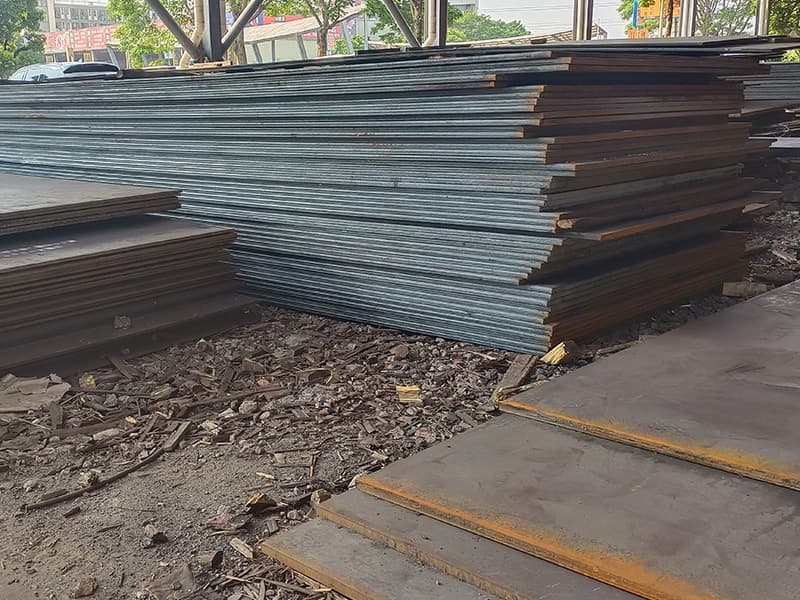
But before we dive into the matching process, we need to start with the basics. What exactly are these grades, and how do they differ? Let’s first explore the different grades of marine steel plates available in the market.
What are the grades of marine steel plates1?
When you first look at a list of marine steel plates, you might see names like AH32, DH36, or even FH40. It can be confusing. Many buyers do not know what these letters and numbers mean. This lack of knowledge can lead to ordering the wrong material.
Marine steel plates are divided into two main categories: normal strength and high strength. The grades are defined by classification societies2 like ABS, LR, DNV, and others. They are based on the steel’s minimum yield strength and its impact toughness3 at specific temperatures.
[^4]](https://cnmarinesteel.com/wp-content/uploads/2025/10/Marine-steel-plate-45.jpg)
Understanding the Grade Naming System
Let me break down the naming system. It is actually quite simple once you know the pattern. The grade name usually consists of two parts: a letter prefix and a number. For example, in "AH32", the "A" stands for the quality level, and "H" stands for high strength. The number "32" indicates the minimum yield strength in ksi (kilopounds per square inch), which is about 315 MPa.
For normal strength steels4, you will see grades like A, B, D, and E. These do not have the "H" because they are not high strength. The letters A, B, D, and E represent different levels of impact toughness, with A having no requirement and E requiring the toughest impact test at -40°C.
For high strength steels5, the grades are AH, DH, EH, and FH. Again, the first letter (A, D, E, F) indicates the impact test temperature, and the "H" stands for high strength. The number following, like 32, 36, or 40, tells you the yield strength. So, DH36 means a high-strength steel with a minimum yield strength of 355 MPa (36 ksi) and impact tested at -20°C.
Common Grades and Their Applications
In my daily work at CN Marine Steel, I see a lot of repeat orders for certain grades. This is because different parts of a ship or offshore structure require different properties. For instance, the hull shell might need a higher strength grade than the superstructure.
Here is a simple table to show you the most common grades and where they are typically used:
| Grade | Strength Level | Impact Test Temperature | Typical Application |
|---|---|---|---|
| A | Normal Strength | Not required | Internal structures, non-critical parts |
| B | Normal Strength | 0°C | Ship decks, bulkheads in mild environments |
| D | Normal Strength | -20°C | Shell plating, areas with moderate stress |
| E | Normal Strength | -40°C | Critical areas in very low temperature zones |
| AH32 | High Strength (315 MPa) | 0°C | General shipbuilding, suitable for most areas |
| DH36 | High Strength (355 MPa) | -20°C | High-stress areas like the bottom and deck of large vessels |
| EH40 | High Strength (390 MPa) | -40°C | Ice-class vessels, offshore platforms in cold regions |
| FH36 | High Strength (355 MPa) | -60°C | Arctic offshore structures, very low temperature service |
Why So Many Grades Exist
You might wonder why we need so many grades. The reason is simple: safety and cost-efficiency. Ships and offshore structures face different stresses and environmental conditions. Using a higher grade than necessary increases costs unnecessarily. Using a lower grade can lead to structural failure.
For example, a container ship that travels in tropical waters does not need the same low-temperature toughness as an icebreaker operating in the Arctic. By selecting the right grade, you ensure safety without overspending.
In my experience, many buyers from countries like Vietnam or Mexico often stick to grades like A or AH32 for general construction. But for projects destined for colder regions, like those going to Russia or Canada, they need EH or FH grades. I always advise my clients to check the intended route and operating environment of the vessel before finalizing the grade.
How to identify the grade of steel?
Once you have ordered the steel, how can you be sure you received the correct grade? I have seen cases where the wrong material was delivered, causing delays and rework. It is a common pain point.
The grade of steel can be identified by checking the mill test certificate, looking at the physical markings on the plate, or using a portable spectrometer for verification. The most reliable method is always the certified document from the mill.
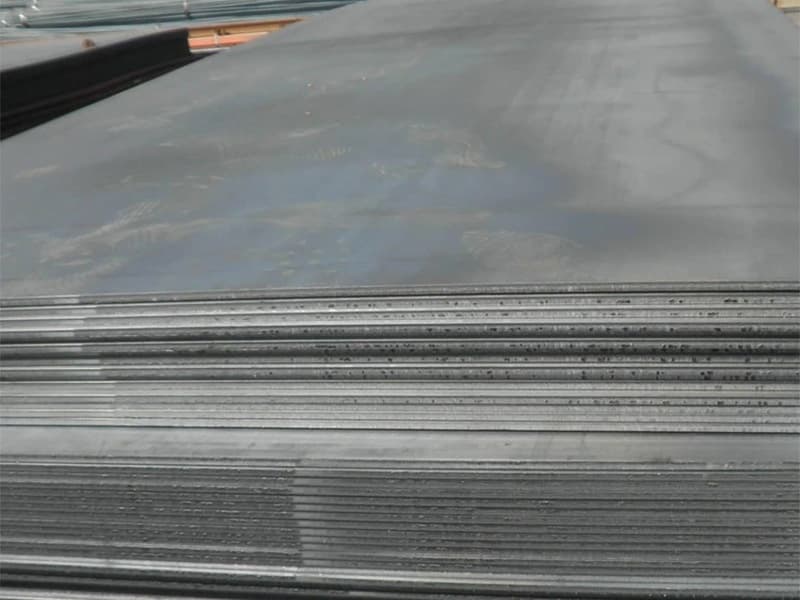
Methods for Grade Identification
Let me walk you through the different ways to confirm the steel grade. Each method has its pros and cons. I always recommend using a combination of these to be absolutely sure.
1. Visual Inspection of Markings1
Every steel plate from a reputable mill comes with markings. These can be stenciled, stamped, or painted on the plate. They usually include the grade, heat number, and the mill’s name. For example, you might see "DH36" painted in white on the edge of the plate. This is the first and easiest check.
However, markings can fade or be covered by rust or paint. Also, in some cases, the markings might be incorrect due to human error. So, while it is a good start, do not rely on it 100%.
2. Mill Test Certificate (MTC)2
The MTC is the official document that comes with each shipment. It contains all the chemical and mechanical test results3 for the specific heat of steel. This is the legal proof of grade. You should always keep these certificates for your records and for any future inspections.
When you receive the steel, check that the heat number on the plate matches the heat number on the certificate. This is a critical step. I train my team to always do this match before releasing material to the customer.
3. Portable Spectrometer Analysis6
For projects with very strict requirements, or if you have any doubt, you can use a portable spectrometer (also called a PMI gun). This device uses optical emission spectroscopy to analyze the chemical composition of the steel. It can tell you within seconds if the steel matches the specified grade.
This method is very accurate but requires specialized equipment and trained operators. Some buyers hire third-party inspection companies4 like SGS to perform this on site. We at CN Marine Steel often arrange SGS inspections5 before shipment to give our clients peace of mind.
A Real Story from the Field
I remember a client from Pakistan who ordered marine angle steel for a ship repair project. They received the material, but their engineer noticed the markings were faint. They were worried it might be the wrong grade. They contacted me, and I immediately sent them the MTCs and photos of the markings taken during packing.
Still, they wanted to be sure. So, we arranged for a local SGS inspector to visit their warehouse. The inspector used a spectrometer on several pieces and confirmed the composition matched the AH36 grade they ordered. The client was relieved. This experience taught me the importance of clear communication and supporting documentation. Now, we always include clear photos of markings and the MTC in our shipping documents.
What are the specifications of structural steel grades for plates?
Knowing the grade is just one part of the puzzle. The specification goes beyond the grade name. It includes dimensions, tolerances, and additional requirements that are just as important. Ignoring these can lead to fit-up problems in the workshop.
The specifications for structural steel plates include the thickness, width, length, flatness, and edge condition, as well as the chemical composition and mechanical properties. These must all align with the project’s drawings and the relevant classification society rules.
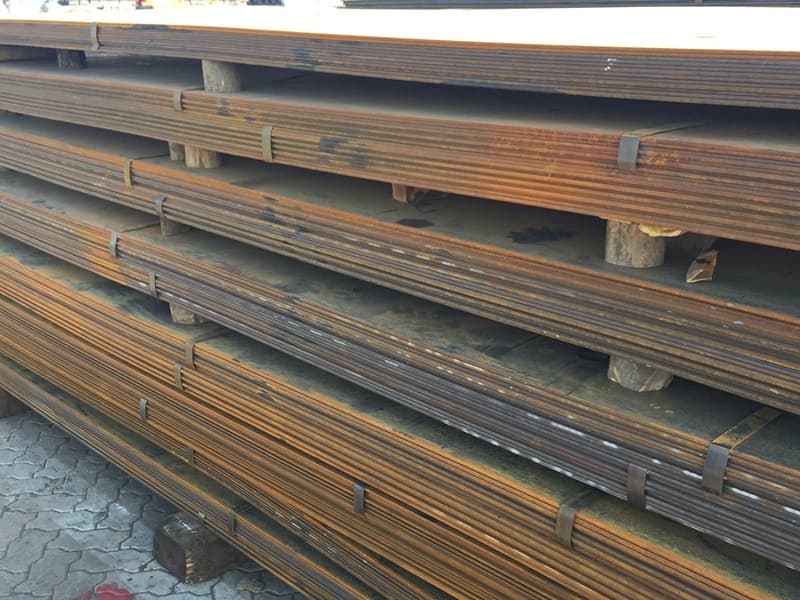
Key Specification Parameters
When we talk about specifications, we are referring to a set of technical requirements. Let me break down the most important ones you need to consider for your project.
Steel plates are not perfectly uniform. They have acceptable variations in thickness, width, and length. These variations are called tolerances. For marine plates, tolerances are usually defined by standards like ASTM A6 or by the classification society.
For example, a plate specified as 20mm thick might actually be between 19.5mm and 20.5mm thick, depending on the tolerance class. If your project requires precise machining or welding, you might need tighter tolerances. In my experience, many fabricators in Mexico and Saudi Arabia pay close attention to thickness tolerances because they affect the weight and fit of the final structure.
The grade defines a range for elements like carbon, manganese, silicon, and others. The exact composition affects weldability and corrosion resistance. For instance, a lower carbon equivalent (CE) is better for welding without preheating.
Some projects, like those for oil tankers, might require steel with a specific sulfur or phosphorus limit to improve resistance to lamellar tearing. These are often called "Z-direction" requirements. We can source plates with these enhanced specifications from our partner mills.
This includes yield strength, tensile strength, and elongation. For high-strength grades, these are the defining characteristics. But sometimes, a project might require additional testing, such as through-thickness tensile tests or bend tests.
4. Surface Quality and Inspection6
Marine plates must have a surface free from defects like laminations, cracks, or heavy scale. Many buyers, like our client Gulf Metal Solutions, appreciate good packaging and surface finish. We ensure that our plates are properly cleaned and oiled if needed, to prevent rust during transit.
Here is a table summarizing common specification requirements for different grades:
| Parameter | Typical Requirement for AH32/DH36 | Notes |
|---|---|---|
| Thickness Tolerance | ±0.5mm for plates under 20mm | Can be tighter on request |
| Carbon Equivalent (CE) | Max 0.40% for good weldability | Lower CE is preferred |
| Yield Strength | Min 315 MPa (AH32) / 355 MPa (DH36) | Confirmed by tensile test |
| Impact Test | 34J at 0°C (AH) / 34J at -20°C (DH) | Temperature varies by grade |
| Surface Condition | No laminations, no deep scratches | Visual inspection per ASTM A6 |
| Ultrasonic Test | Optional, for critical parts | Can be done by SGS or similar |
How Specifications Affect Your Project
I have seen projects delayed because the plate dimensions were off. For example, a contractor in Qatar ordered plates for a pressure vessel. The plates arrived, but the width was slightly less than what their CNC cutting machine was programmed for. They had to reprogram everything, wasting time and money.
That is why I always ask my customers for their exact cutting plans and tolerances. We then work with the mill to ensure the plates are rolled to those specific requirements. Sometimes, we even suggest ordering extra-wide plates to reduce the number of welds. This is a small detail that can save a lot of money in fabrication.
How to choose the right steel grade1?
Now we come to the most important question. With all this information, how do you make the final decision? I have seen many buyers struggle with this, especially when they are working on a new type of vessel or a project in a new region.
Choosing the right steel grade involves evaluating the structural design, the environmental conditions, the fabrication process2, and the budget3. The best choice balances safety, performance, and cost.
A Practical Decision-Making Framework
Over the years, I have developed a simple framework to help my clients make this choice. I will share it with you here. It is not a scientific formula, but it covers the main points.
Step 1: Identify the Applicable Rules and Standards
First, you need to know which classification society will approve the vessel or structure. Is it ABS, Lloyd’s Register, DNV, or another? Each society publishes its own rules for materials. These rules will specify the minimum grade required for different parts of the structure based on the design stress.
For example, if you are building a ship to ABS class, you will refer to the ABS Rules for Materials and Welding. These rules have tables that tell you which grade to use for a given thickness and stress level. This is your starting point.
Step 2: Assess the Service Environment
Next, think about where the structure will operate. Will it be in tropical waters or arctic seas? Will it carry corrosive cargo like oil or chemicals? The environment dictates the toughness and corrosion resistance needed.
For instance, a vessel trading in the Baltic Sea in winter will need steel with good low-temperature toughness6, probably at least DH or EH. On the other hand, a barge operating in a river in Thailand might only need Grade A.
Step 3: Consider Fabrication and Welding
How will the steel be cut, formed, and welded? Higher strength steels often require more care during welding, such as preheating and controlled heat input. This can increase fabrication time and cost.
If your workshop is not set up for high-strength steel welding, you might prefer a lower grade like AH32, even if a higher grade could save some weight. I always ask my clients about their welding capabilities. Some fabricators in Southeast Asia prefer Grade A because it is easier to work with.
Step 4: Evaluate Cost and Availability
Finally, you need to look at the budget. Higher grades like EH40 are more expensive than AH32. Also, some grades might have longer delivery times if they are not commonly stocked.
As a supplier based in Liaocheng, Shandong, we have long-term cooperation with certified mills. This allows us to offer competitive prices and flexible MOQs. But even we have to advise clients when a less common grade will take extra time to produce.
Here is a table to help you compare grades based on typical project scenarios:
| Project Scenario | Recommended Grade | Rationale |
|---|---|---|
| Small cargo ship for tropical waters | Grade A or AH32 | Sufficient strength, easy to weld, cost-effective |
| Large container ship (main deck) | DH36 or EH36 | High strength needed for stress, good toughness for open seas |
| Ice-class tanker | EH36 or FH36 | Low-temperature toughness is critical |
| Offshore platform in Gulf of Mexico | AH36 or DH36 | Good strength and moderate toughness, widely available |
| River barge in Myanmar | Grade A | Simple construction, low cost, easy to source |
A Client Story: Gulf Metal Solutions
Let me tell you about our client from Saudi Arabia, Gulf Metal Solutions. They are a project-based distributor and fabricator. When they first contacted us, they needed marine steel plates and angle steel for a project at Dammam port. Their main concern was quality consistency and fast delivery.
We worked with them to select the right grades. The project required plates for a jetty structure. Some parts were in the splash zone, which needs good corrosion resistance4. Others were above water and had lower stress.
We recommended Grade A for the less critical parts and AH36 for the high-stress connections. We also ensured the plates had a clean surface and were packed for sea shipment to protect against the humid environment. They appreciated our fast response and the fact that we offered SGS inspection support.
This project went smoothly, and they have since ordered L-shaped steel and bulb flat steel from us. Their feedback highlights the importance of matching the grade to the specific application and providing excellent support.
Conclusion
Matching marine steel plate grades with project specifications is about understanding standards, environment, and fabrication needs. Always start with the classification rules, then consider the operating conditions and your workshop’s capabilities.
-
Understanding the factors influencing steel grade selection can help ensure safety and performance in your projects. ↩ ↩ ↩ ↩
-
Discover effective fabrication techniques to optimize the performance and safety of your steel structures. ↩ ↩ ↩ ↩
-
Understanding budget constraints can help you make informed decisions without compromising quality. ↩ ↩ ↩ ↩
-
Explore the importance of corrosion resistance in marine environments to enhance the longevity of structures. ↩ ↩ ↩
-
Understand how SGS inspections provide reliable verification and peace of mind for steel buyers. ↩ ↩
-
Learn about the significance of low-temperature toughness in ensuring structural integrity in harsh conditions. ↩ ↩ ↩