
Your project needs plates in different grades and thicknesses. You order them together. They arrive mixed up. Your yard cannot tell which is which.
To organize mixed‑grade marine steel plates efficiently, group orders by grade and thickness, use color coding and digital tracking, coordinate with your supplier on separate bundling, and follow strict receiving and storage procedures. These steps prevent costly grade mix‑ups.
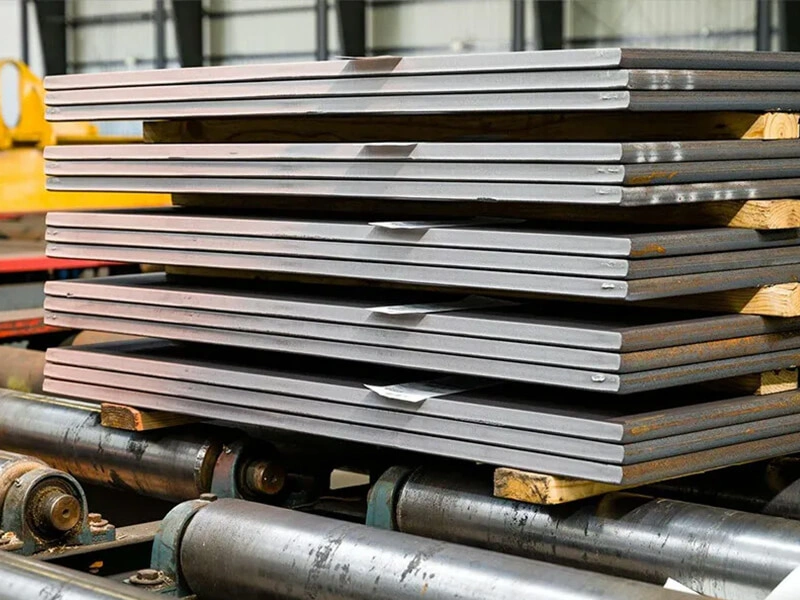
I am Zora Guo from cnmarinesteel.com. I have seen shipyards waste hours sorting mixed plates. I have also seen a worker cut the wrong grade and ruin a whole section. Good organization prevents these problems. Let me show you how.
How to Group Orders by Grade, Thickness, and Project phase to Simplify Mill Production and Delivery?
You need AH36 for the bottom, DH36 for the side, and A grade for the deck. You put them all in one order. The mill rolls them in one batch. They arrive mixed. You are in trouble.
Group your order by grade and thickness before sending it to the mill. Place each group as a separate line item. Also group by project phase – for example, steel for the keel phase (heavy plates) separate from steel for the deck phase (lighter plates). This tells the mill to produce and bundle each group separately. The mill can also schedule production more efficiently, reducing lead time. Clear grouping eliminates confusion at the source.
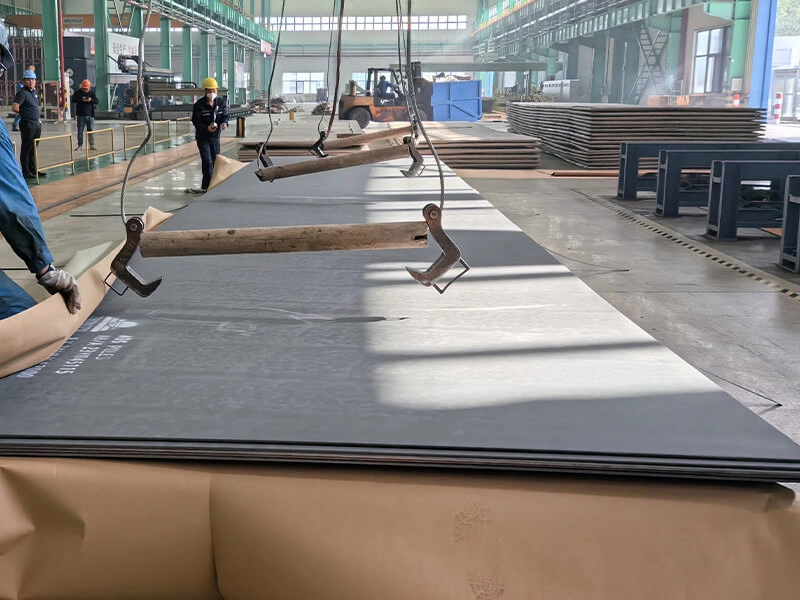
Let me explain how to do this.
Step 1: Separate by Grade
Grades cannot be mixed. A plate stamped AH36 is different from A grade. If they get mixed, you cannot tell which is which by looking.
Group like this:
- Group 1: Grade A – all thicknesses
- Group 2: Grade AH32 – all thicknesses
- Group 3: Grade AH36 – all thicknesses
- Group 4: Grade DH36 – all thicknesses
Step 2: Separate by Thickness
Even within the same grade, different thicknesses should be grouped separately. A 10mm plate and a 20mm plate look similar. But they have different strength and weight.
Sub‑group within each grade:
- AH36, 10mm
- AH36, 12mm
- AH36, 15mm
- AH36, 20mm
Step 3: Separate by Project phase
If your project has phases (keel, bottom, deck, superstructure), group steel by phase. This allows phased delivery. You receive steel only when you need it.
Example for a tanker:
- Phase 1 (keel and bottom): AH36, 20‑25mm
- Phase 2 (inner bottom): AH36, 12‑16mm + DH36, 14mm
- Phase 3 (side shell): DH36, 12‑15mm
- Phase 4 (deck): AH32, 10‑12mm
- Phase 5 (superstructure): A grade, 6‑8mm
How the Mill Uses This Information
When you send a grouped order, the mill’s production planner can:
- Schedule similar products together (reduces roll changes)
- Bundle each group separately on the cooling bed
- Apply different tags or paint marks per group
- Load groups separately onto trucks or containers
A Real Example
A shipyard in Vietnam ordered 2,000 tons of mixed grades. They sent a single line item: “2000 tons mixed AH36/DH36/A grade.” The mill rolled everything in one sequence. Plates came off the line mixed. The supplier had to separate them manually. It took 2 extra weeks. The shipyard received plates late.
Next time, they grouped the order: “500 tons AH36 15mm, 400 tons AH36 12mm, 600 tons DH36 14mm, 500 tons A grade 10mm.” The mill bundled each group separately. Delivery was on time. No sorting needed.
What Color coding, Labeling and Digital tracking Systems Help Distinguish Mixed Grades at the Yard?
The plates arrive. They look the same. How do you know which is AH36 and which is A grade? You need a system.
Use color coding: paint the edge of each plate with a specific color for each grade (e.g., red for AH36, blue for DH36, yellow for A grade, green for AH32). Apply labels with barcodes or QR codes that link to a digital tracking system. Each plate has a unique ID. Scanned at receiving, storage, and cutting. This eliminates guesswork and errors. The system costs little to set up but saves huge rework costs.
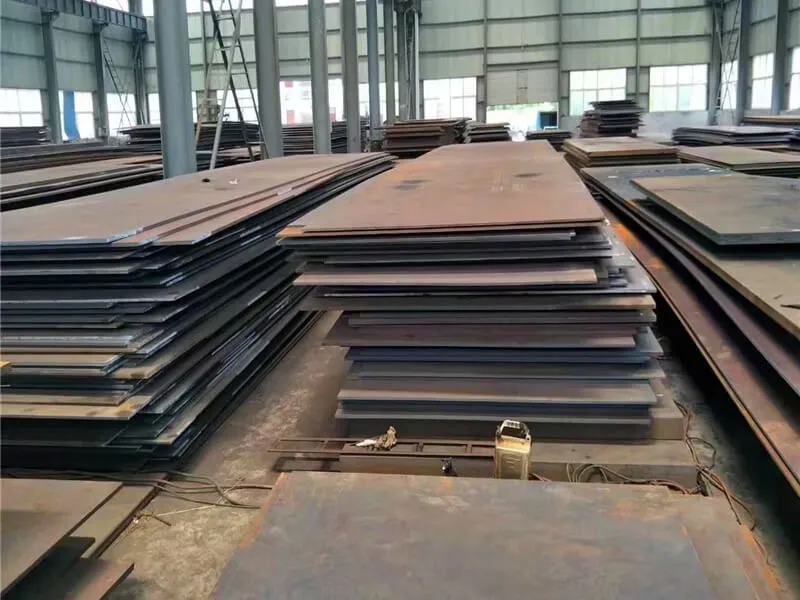
Let me detail each method.
Color Coding – Simple and Visual
Paint the narrow edge of the plate (the thickness face) with a stripe of color. Use high‑visibility paint that lasts.
| Suggested color code: | Grade | Edge color |
|---|---|---|
| Grade A | Yellow | |
| AH32 | Green | |
| AH36 | Red | |
| DH36 | Blue | |
| EH36 | White | |
| Grade D | Orange |
How to apply: Ask your supplier to paint the edge of each plate after cutting. Or do it yourself at receiving. Use a spray can or brush. Paint a 50‑100mm stripe at both ends of the plate.
Labeling – For Traceability
Attach a durable label to each plate. The label should include:
- Heat number
- Grade
- Dimensions (thickness x width x length)
- Project name
- Barcode or QR code
Where to place: On the top surface near the corner. Use a weather‑resistant adhesive label or a metal tag wired to the plate.
Digital Tracking – The Modern Way
Create a simple digital system using Excel or free barcode apps. Each plate gets a unique ID. When you scan the barcode, you see:
- All mill test data
- Storage location in your yard
- Cutting status (not cut, cut, scrap)
How to start: Use a smartphone with a barcode scanner app. Link to a Google Sheet or Airtable. For larger yards, invest in an inventory management system.
A Real Example
A yard in Malaysia started using color coding. Before, they had a 5% error rate in grade identification. After painting edges, errors dropped to 0.5%. A worker told me: “I can see from 20 meters which grade is which. No more running to check the stamp.”
Coordination with Supplier
Ask your supplier to apply the color coding and labels before shipment. We at cnmarinesteel.com offer this service. It costs a little extra but saves the buyer hours of work.
How to Coordinate with Your Supplier on Separate Bundling, Packing lists, and Heat number Documentation?
You order mixed grades. The supplier ships them in one big bundle. The packing list is one page. You cannot tell which plate is which.
Coordinate with your supplier to bundle each grade and thickness separately. Use a different bundle for each combination (e.g., AH36 12mm in bundle #1, AH36 15mm in bundle #2, DH36 12mm in bundle #3). The packing list must show the heat number, grade, thickness, and quantity for each bundle. Also request that the supplier stamps the grade and heat number on every plate. These steps make receiving and sorting fast and accurate.
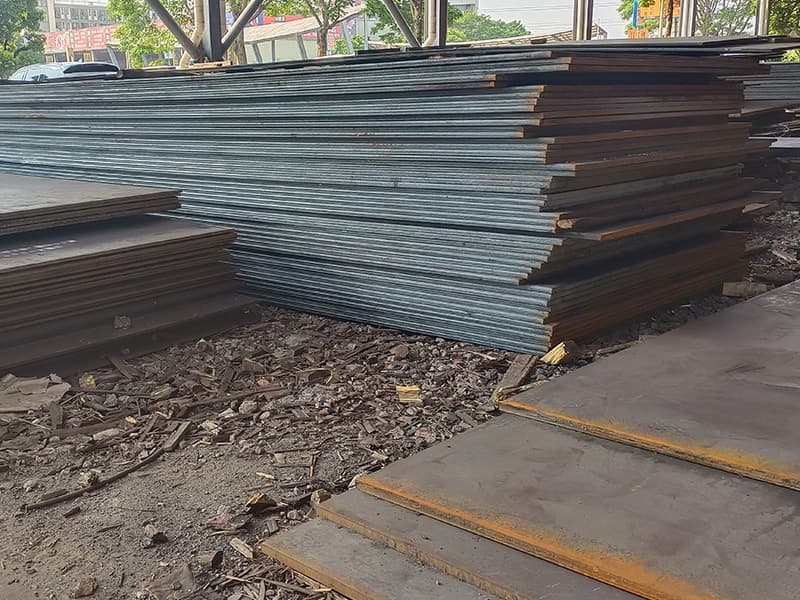
Let me give you a checklist to send to your supplier.
Bundling Requirements
Write this into your purchase order:
“The supplier shall bundle plates as follows:
- Each bundle shall contain plates of only one grade and one thickness.
- Bundles shall be strapped with steel bands.
- Each bundle shall have a weather‑resistant tag showing: grade, thickness, heat number range, quantity, and bundle number.
- Bundles shall be loaded onto the truck or container in order of bundle number.”
Packing List Requirements
| The packing list must include: | Column | Example |
|---|---|---|
| Bundle number | B001 | |
| Grade | AH36 | |
| Thickness | 15mm | |
| Heat numbers | H12345, H12346 | |
| Quantity (pieces) | 25 | |
| Total weight | 12.5 tons |
Send a copy of the packing list to your receiving team before the truck arrives.
Heat Number Documentation
Each plate must have its heat number stamped or painted on the surface. This is a class society requirement. Check that the stamp is legible.
What to ask your supplier:
“Stamp the heat number and grade on every plate. Use 10mm high letters. Stamp near the corner of the plate. If stamping is not possible, use paint stencil. All stamping must be legible after shipping.”
A Real Example
A buyer in Saudi Arabia ordered mixed grades. He sent the supplier a bundling instruction. The supplier ignored it and shipped all plates in one bundle. The packing list was a single line: “200 tons mixed.” The buyer spent 3 days sorting plates. He had to weigh each plate to guess the thickness. He found 5 plates of the wrong grade after cutting. He filed a claim. The supplier paid $10,000 in damages. After that, the buyer added a penalty clause: “$500 per hour for sorting time if not bundled separately.”
What Receiving and Storage Procedures Prevent Grade Mix‑Ups During Unloading and Cutting?
The truck arrives. Your team unloads quickly. Plates go to the storage area. Later, someone picks the wrong plate. It gets cut. The part is wrong.
Implement a receiving procedure: check the packing list against the bundles, verify the grade stamp on each plate, and move each bundle to a designated storage zone for its grade. Use floor markings or signs (e.g., “AH36 only”). For cutting, implement a two‑step verification: the cutter checks the grade stamp and a supervisor confirms before cutting. These procedures take minutes but prevent hours of rework.
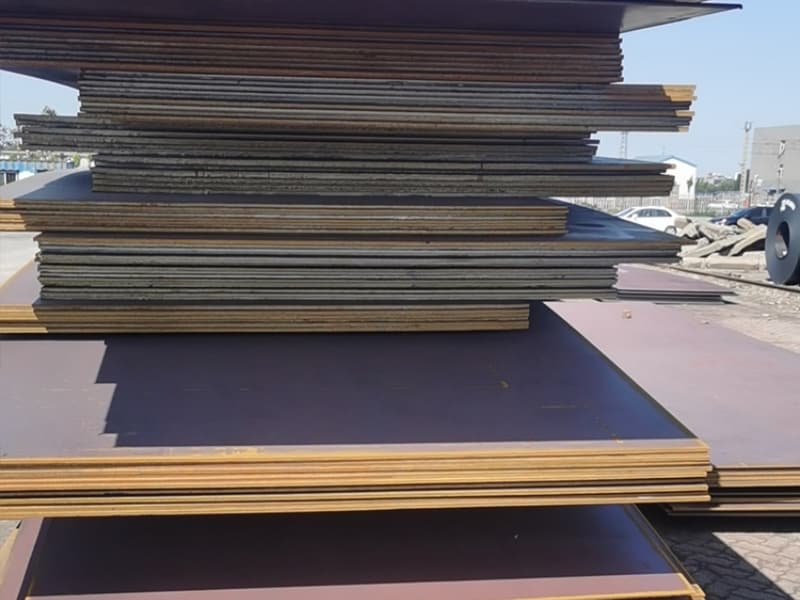
Let me detail the steps.
Receiving Procedure
Step 1: Before unloading
- Have the packing list ready.
- Count the bundles. Do they match the packing list?
- Check the bundle tags. Do the grade and thickness match the packing list?
Step 2: During unloading
- For each bundle, take a photo of the tag and the plates.
- Verify the grade stamp on a random plate from each bundle.
- If any discrepancy, stop unloading and call the supplier.
Step 3: After unloading
- Move each bundle to its designated storage zone.
- Update your inventory log (bundle number, grade, thickness, location).
Storage Zones
Mark your yard with painted lines or signs:
| Zone | Grade | Color |
|---|---|---|
| Zone A | Grade A | Yellow sign |
| Zone AH32 | AH32 | Green sign |
| Zone AH36 | AH36 | Red sign |
| Zone DH36 | DH36 | Blue sign |
Keep zones separate. Leave a gap of at least 1 meter between zones to prevent accidental mixing.
Cutting Procedure
Two‑step verification:
- Cutter checks: Before cutting, the operator reads the grade stamp on the plate. He confirms it matches the cutting list.
- Supervisor confirms: A second person (supervisor or quality inspector) visually checks the stamp and the cutting list. He signs off.
Documentation: Keep a cutting log. Record the heat number, grade, and the part number cut from that plate. This creates traceability.
A Real Example
A yard in the Philippines had a mix‑up. A worker cut an A grade plate that was supposed to be AH36. The part was for the bottom shell. The mistake was found after welding. The whole section had to be cut out and replaced. Cost: $15,000 and 2 weeks of delay. After that, they implemented two‑step verification. In two years, they had zero grade mix‑ups.
What to Do If You Find a Mixed Plate
If you discover a plate with the wrong grade or missing stamp:
- Tag it immediately (red “HOLD” sticker).
- Move it to a quarantine area.
- Do not cut it.
- Contact the supplier for resolution (replacement or re‑certification).
Conclusion
Group orders by grade and thickness. Use color coding and digital tracking. Coordinate bundling and packing lists with your supplier. Follow strict receiving and cutting procedures. These steps prevent costly grade mix‑ups.