
I know the feeling. You are looking at a shipyard layout. The steel is there. But the workflow feels slow. It is like a puzzle with the wrong pieces.
Block construction starts with the right marine angle steel planning. The best method is to use a zone-based layout. This groups all the steel for one block in one place. It cuts down on movement. It speeds up the whole process.
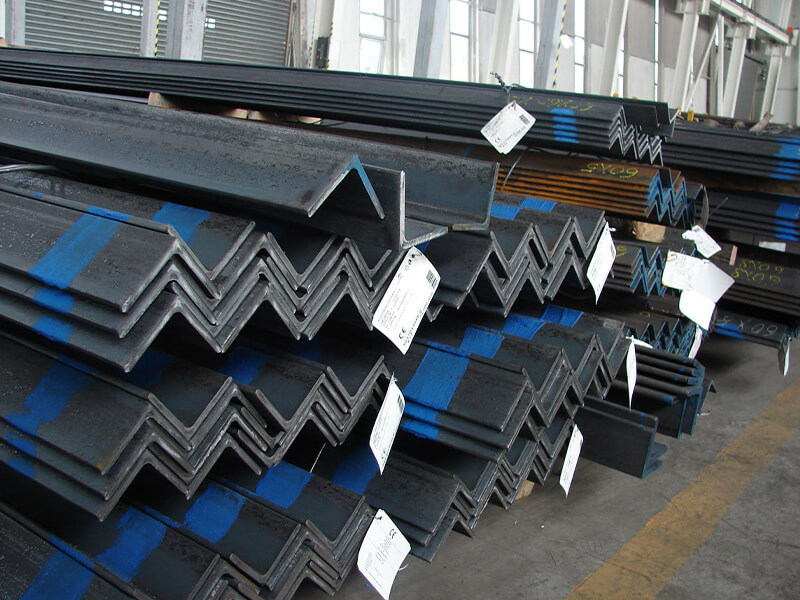
But getting the steel is only the first step. You need to know the steel type. You need to know how to cut it. You need to know how to join it. Let me walk you through the details. This is what I have learned from years of supplying steel to shipyards just like yours.
What type of steel is used in shipbuilding?
I remember a call from a buyer in Vietnam. He was frustrated. His previous supplier sent the wrong plates. The project was delayed. The wrong steel can stop a shipyard cold.
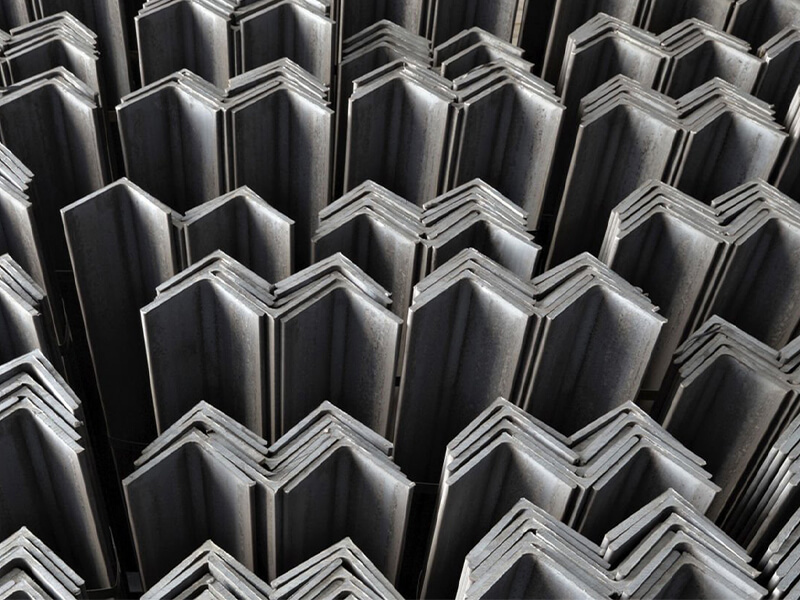
For shipbuilding, the main type of steel is marine grade steel1. This is a specific category of high-strength steel. It is made to resist corrosion. It is also made to handle the stress of the open sea. The most common standards are from classification societies like ABS, LR, and DNV.
The Core Categories You Need to Know
Let’s break this down into simple groups. When I talk to my clients, like Gulf Metal Solutions in Saudi Arabia, we focus on two main categories.
1. General Strength (GS) Steel2
This is your standard shipbuilding steel. It is reliable. It is used for parts of the ship that do not face the highest stress. Think of it as the backbone for less critical areas.
2. High Strength (HS) Steel3
This is the tough one. It gets used in the hull. It goes in the deck. It handles the heavy loads. You will see grades like AH36, DH36, and EH36. The numbers tell you the strength. The letters (A, D, E) tell you the toughness at different temperatures. For example, EH36 is used for very cold environments.
To make it clearer, here is a simple table of the most common grades we supply:
| Grade | Type | Typical Use in Ship |
|---|---|---|
| A | General Strength | Superstructures, light internal framing |
| B | General Strength | Hull shell in less critical areas |
| D | General Strength | Hull shell, decks |
| AH36 | High Strength | Hull structure, strength decks |
| DH36 | High Strength | Heavy load areas, bulk carriers |
| EH36 | High Strength | Icebreakers, tanker hulls for cold routes |
Choosing the right grade is not just about price. It is about safety. It is about the life of the ship. A buyer from Pakistan once told me his project failed inspection because the steel mill certificates were not from an approved society. The steel looked fine. But the paperwork was wrong. The whole batch was rejected.
So when you plan your steel, always ask for the classification society stamp4. At CN Marine Steel, we work with certified mills. We make sure every piece of marine angle steel and plate comes with the right documents. It saves you time. It saves you from a rejected block.
What is the difference between bar angle and structural angle?
I once had a client in the Philippines. He was a project contractor. He kept ordering "angle bars." But his drawings called for structural angles. The difference seems small. But on a ship, it is huge. He almost built an entire frame with the wrong profile.
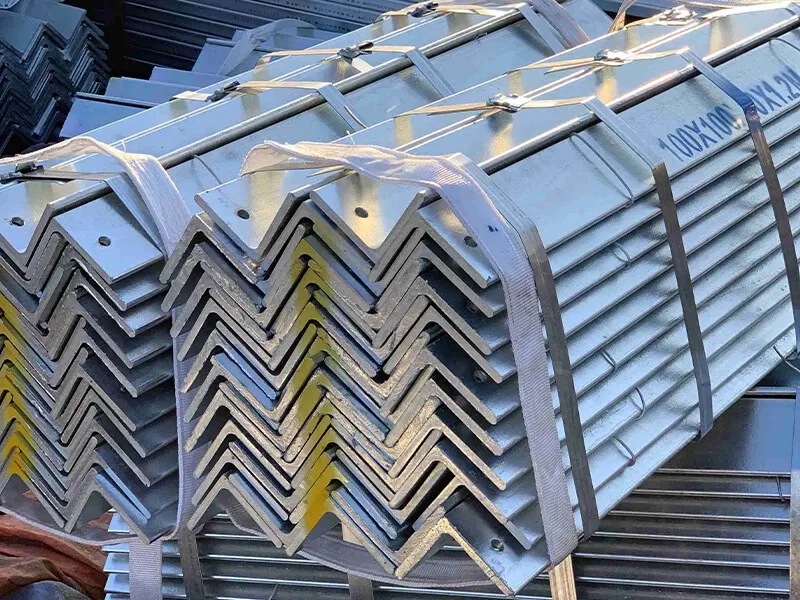
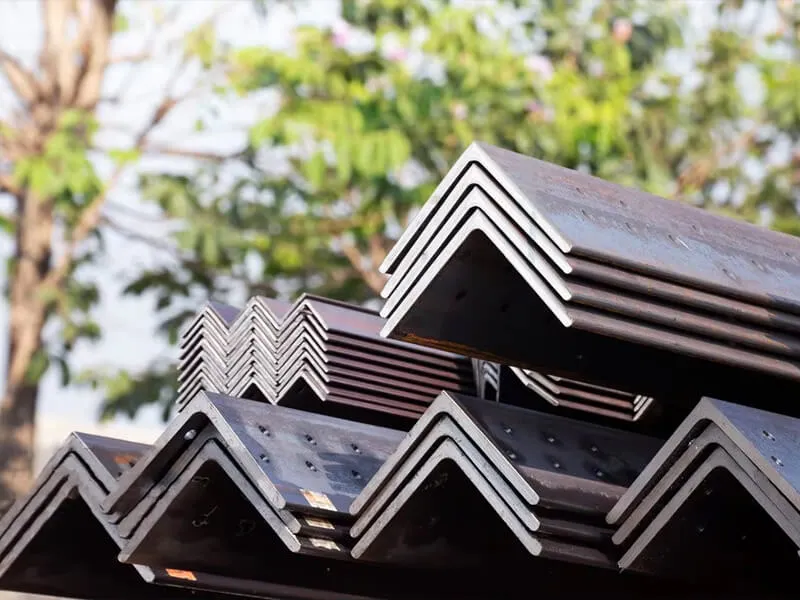
Bar angle is a simple, hot-rolled shape. It has a sharp, square corner. It is made from a billet. Structural angle is also hot-rolled. But it has a radius at the corner. It is made from a slab. This radius makes it stronger. It handles stress better.
1 vs Structural Angle2 Steel")
Why This Difference Matters for Your Ship
You need to know this. It is not just about the look. It is about the engineering.
Bar Angle:
- Corner: Sharp, square inside and outside corner.
- Process: Rolled from a billet in a bar mill.
- Strength: Good for general use. But it has stress points at the sharp corner.
- Use in Ships: Often used for non-structural parts. Think of brackets, ladders, or small supports.
Structural Angle:
- Corner: Rounded fillet on the inside. The edges are more square.
- Process: Rolled from a slab in a structural mill.
- Strength: Much stronger. The radius distributes stress evenly. It resists fatigue better.
- Use in Ships: Used for the main frames. It is the backbone of the hull structure.
I see many buyers mix them up. They think it is just a small price difference. But a naval architect3 designs the ship’s frame with a structural angle in mind. The strength calculations4 are based on that rounded corner. If you use a bar angle, the strength is not the same.
One of my clients in Saudi Arabia, Gulf Metal Solutions, learned this early on. They were building a small project. The drawings were clear. They needed structural angles. We provided the correct profile. Their project manager told me later that using the right steel made the welding easier. The welds sat better on the rounded fillet. It saved them time on labor.
So when you read your shipyard’s bill of materials, check the spec. If it says "L-shaped section steel" for a structural use, you likely need a structural angle, not a bar angle. We make sure to ask these questions. We ask if the steel is for structural framing or for secondary supports. This one question can save your entire project timeline.
Which is the best suitable method of layout for ship building?
I have seen shipyards lose days. They have the steel. They have the welders. But the steel is in the wrong place. The layout is a mess. It becomes a traffic jam. You want a smooth flow. You want the steel to move from the storage yard to the assembly line without stopping.
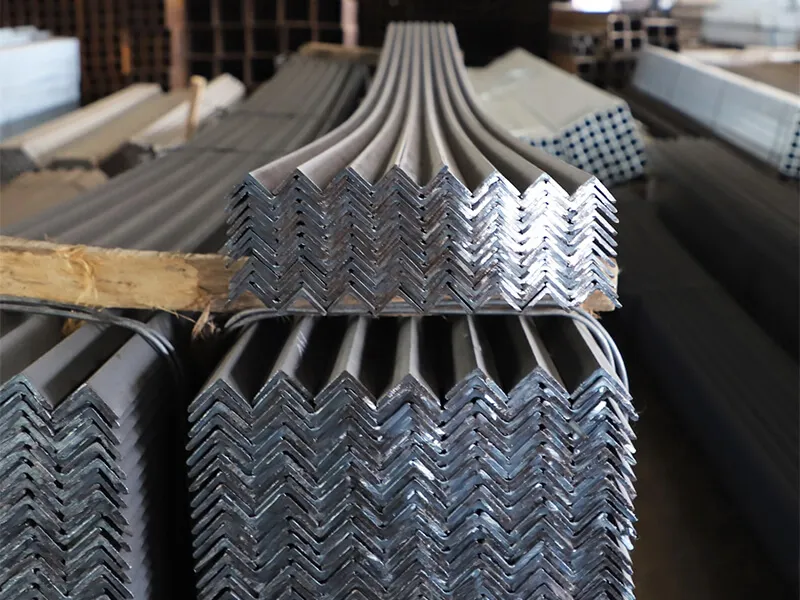
The best suitable method of layout for shipbuilding is product-oriented layout1, specifically for block construction. You group your steel by the block. You do not group it by the type of steel. This is called cellular manufacturing2 in a shipyard.
Breaking Down the Layout Methods
Let me explain this in a simple way. There are three main ways to set up a yard. Only one works for modern shipbuilding.
1. Process-Oriented Layout
This is the old way. You put all the cutting machines in one place. You put all the welding in another place. The steel travels a long distance. It goes back and forth. This is slow. It causes delays.
2. Fixed-Position Layout3
You bring all the workers and machines to one big block. This works for a very large, one-off project. But it is not efficient for building multiple ships. It is like building a house on-site. It works, but it is slow.
3. Product-Oriented Layout (The Best Method)
This is the modern method. You divide the ship into blocks. You create a zone for each block. All the steel for Block 1 goes to Zone 1. The cutters, welders, and fitters stay in their zone. The steel moves a short distance. It is fast. It is repeatable.
Here is why this method works best:
- Reduced Movement: Steel does not travel across the yard. It stays in its zone.
- Shorter Lead Time: Each zone works like a mini-factory. They finish a block and move to the next one.
- Better Quality Control4: The same team works on the same block. They know the job. Mistakes go down.
- Easier Inventory: You know exactly where the steel for each block is stored. You do not have to search for it.
I worked with a client in Malaysia. Their yard used a process layout. Steel came in. It was stored in one big pile. They had to sort through it to find the right angle steel for a block. It took days. We helped them reorganize their storage. We delivered steel in batches labeled by block number. They switched to a zone-based layout. Their production speed increased by 30%. They told me the biggest change was the morale. Workers were not waiting for material. They just worked.
The best layout is not about fancy software. It is about planning the flow. It is about putting the right steel in the right place at the right time. At CN Marine Steel, we help our clients with this planning. We can label your shipments by block number. We can coordinate delivery so your zones are never empty and never overcrowded.
What are the fabrication methods used in shipbuilding?
A buyer from Qatar once asked me this. He knew the steel. He knew the grades. But he was new to the fabrication side. He wanted to know how the raw steel becomes a ship. There are four main methods. Each one has a purpose. Each one needs the right steel.
The main fabrication methods used in shipbuilding are cutting, bending, welding, and assembly. These are the four steps that turn a flat steel plate or an angle bar into a part of a ship.
A Closer Look at Each Fabrication Step
Let us look at each method. I will explain what it is and why it matters to your project.
1. Cutting1
This is the first step. You take a large steel plate or a long angle bar. You cut it to the exact size the drawing needs.
-
Thermal Cutting2: This uses heat. It is the most common in shipyards.
- Oxy-Fuel Cutting: This is good for thick plates. It uses a flame. It is reliable. It is cheap.
- Plasma Cutting: This is faster. It uses a jet of hot plasma. It is good for thinner plates. It leaves a cleaner edge.
- Laser Cutting: This is the most precise. It is used for complex shapes. It is fast. But it is more expensive.
-
Mechanical Cutting3: This uses a blade. Think of a big shear or a saw. It is used for angle steel and bars. It is clean. It does not create a heat-affected zone.
Why it matters: If the cut is bad, the fit-up is bad. Bad fit-up means more welding. More welding means more time and more cost. I always tell my clients to check the edge quality of their cut steel. A rough edge can lead to weld defects.
2. Bending4
Ships are not flat boxes. They have curves. Bending is how you shape the steel.
- Cold Bending: You bend the steel at room temperature. You use a press brake or a bending machine. This is good for slight curves. It is fast.
- Hot Bending: You heat the steel. Then you bend it. This is used for tight curves or thick plates. It changes the steel’s shape without cracking it.
- Line Heating: This is a special method for shipbuilding. You use a torch to heat a line on the steel plate. The plate shrinks along that line. This creates a curved shape. It is an art form.
Why it matters: The type of steel matters here. High-strength steel like AH36 is harder to bend than mild steel. If you bend it too fast or too cold, it can crack. Your fabricator needs to know the steel grade. We provide the mechanical properties with every shipment. It helps the yard set the right bending machine settings.
3. Welding5
This is where the steel becomes a structure. You join the cut and bent pieces together. For shipbuilding, the main method is arc welding.
- SMAW (Stick Welding)6: This is the classic method. It is simple. It works outdoors. It is used for tack welds and repairs.
- GMAW (MIG Welding): This is faster. It uses a wire feed. It is good for long, straight seams. It is very common in block construction.
- SAW (Submerged Arc Welding): This is for thick plates. The arc is under a layer of flux. It is automated. It gives deep, strong welds. It is used for the main hull seams.
Why it matters: The steel must be weldable. All marine steel is. But the welding procedure changes with the grade. For example, EH36 needs a specific pre-heat before welding. If you skip that step, the weld can crack. We had a client in Romania who had this problem. They did not pre-heat. The welds failed inspection. They had to redo the entire block. It cost them two weeks.
4. Assembly7
This is the final fabrication step. You take all the small parts. You put them together into a block.
- Sub-Assembly8: This is where you make small units. You weld a stiffener to a plate. You make a small frame.
- Block Assembly: This is where you take all the sub-assemblies. You put them together to form a large block. This block might be 20 meters long. It is a piece of the ship.
- Erection: This is the last step. You lift the block. You place it on the building dock. You weld it to the other blocks. This is how the ship takes shape.
Why it matters: The success of assembly depends on the previous steps. If the cutting was bad, the pieces do not fit. If the bending was wrong, the curves do not match. If the welding was weak, the block falls apart. Every step needs the right steel and the right skill.
At CN Marine Steel, we see ourselves as the first step in this chain. We provide the raw material. We know that if our marine angle steel is straight and true, it makes the cutting and bending easier. If our plates are flat, it makes the welding faster. We support our clients with more than just steel. We help them get the project done.
Conclusion
Planning your marine angle steel for block construction is about more than just buying steel. It is about choosing the right grade. It is about using the correct profile. It is about a smart layout. It is about knowing how the steel will be fabricated.
-
Understanding cutting methods is crucial for ensuring precision in shipbuilding, which directly impacts the quality of the final product. ↩ ↩ ↩ ↩
-
Thermal cutting is a key method in shipbuilding; understanding it can improve your knowledge of fabrication efficiency. ↩ ↩ ↩ ↩
-
Mechanical cutting offers precision and cleanliness; exploring its benefits can enhance your fabrication strategy. ↩ ↩ ↩ ↩
-
Exploring bending techniques can help you grasp how steel is shaped for complex ship designs, ensuring structural integrity. ↩ ↩ ↩ ↩
-
Learning about welding methods is essential for understanding how ship components are joined, affecting durability and safety. ↩
-
SMAW is a fundamental welding technique; understanding it can provide insights into effective ship construction practices. ↩
-
The assembly process is vital for the final structure of the ship; knowing it can enhance your understanding of shipbuilding logistics. ↩
-
Sub-assembly is a critical step in shipbuilding; knowing its role can help you appreciate the complexity of ship construction. ↩