
Planning marine steel for a big ship feels like setting sail in a storm without a map. You have budget pressures, tight schedules, and one wrong material choice can sink the whole project.
A successful marine steel procurement plan is built on a structured framework. It combines strategic sourcing principles with a deep understanding of material specifications and supplier capabilities to ensure on-time delivery, guaranteed quality, and controlled costs for shipbuilders.
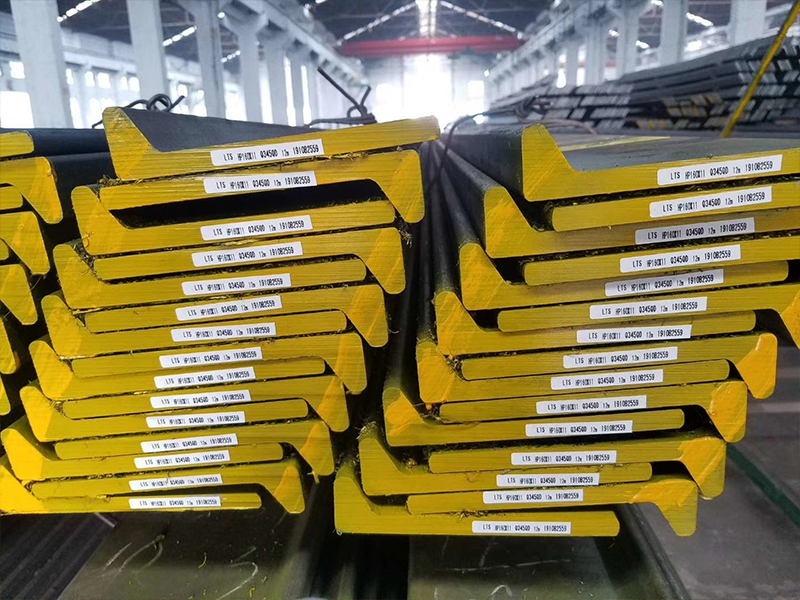
The theory is one thing, but applying it to the real world of shipyards is another. Over the years, I’ve seen projects flourish with good planning and others face costly delays. The difference often comes down to mastering a few core concepts. Let’s break down the essential frameworks that form the backbone of any solid procurement strategy.
What are the 5 P’s of procurement1?
Staring at a complex procurement checklist can be overwhelming. Where do you even start? You need a simple but powerful framework to guide every decision.
The 5 P’s of procurement1 are a fundamental management framework. They are: Product2, Price3, Place4, People5, and Process6. This model helps buyers ensure all critical aspects of a purchase are evaluated systematically for the best outcome.
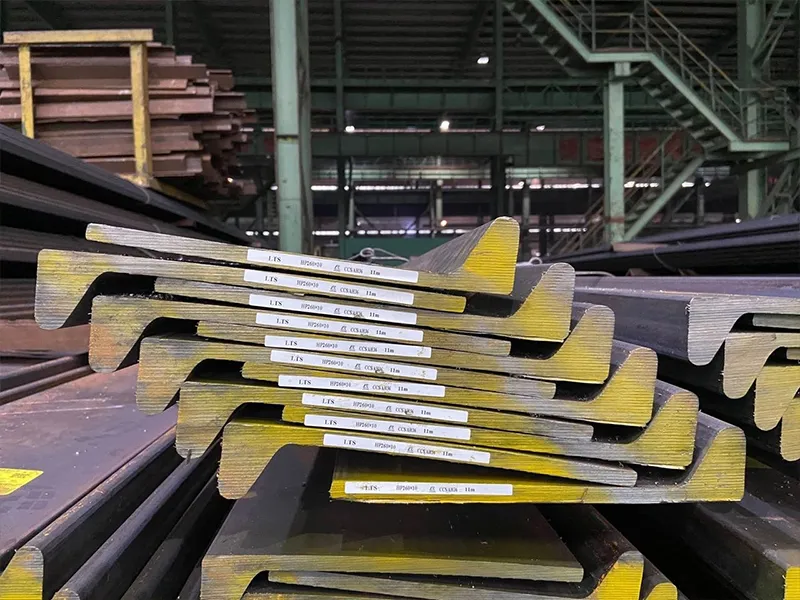
Let’s dive deeper into what each "P" means in the context of sourcing marine steel. This isn’t just theory; it’s the daily checklist my team and I use when evaluating our own supply chain and advising clients.
Breaking Down the 5 P’s for Marine Steel
When you apply the 5 P’s to marine steel, each point takes on specific, critical importance.
1. Product2
This is about the what. It goes far beyond just ordering "shipbuilding steel." You must define:
- Grade & Specification: Exact grades (e.g., AH36, DH36, EH36) as per classification society rules (ABS, LR, DNV, etc.).
- Dimensions & Tolerances: Precise thickness, width, length, and allowable deviations.
- Surface Finish & Conditioning: Requirements for rust, scratches, and edge conditioning.
- Certification: Mandatory Mill Test Certificates (MTCs), and if needed, third-party inspection like SGS.
2. Price3
Price3 is more than just the cost per ton. A holistic view includes:
- Total Landed Cost7: The price of the steel PLUS logistics, insurance, tariffs, and port fees.
- Payment Terms: Options like T/T, L/C, and their impact on your cash flow and risk.
- Cost of Non-Conformance: The hidden cost of delays or rework due to poor-quality material. Sometimes, paying a slight premium for reliability saves massive project costs.
3. Place4
This refers to the source and the destination.
- Sourcing Geography: Evaluating mills and suppliers from different regions (e.g., China, Japan, Korea). Each has trade-offs in cost, lead time, and quality reputation.
- Logistics & Incoterms: Choosing the right shipping terms (FOB, CIF, CFR) and planning the route from the mill’s door to your shipyard. For example, we ship directly from our stockyard in Liaocheng to key ports like Dammam or Ho Chi Minh City.
4. People5
The human element is often the make-or-break factor.
- Supplier’s Team: Do they have responsive, technically competent sales and project managers? Can they communicate clearly in your language?
- Your Internal Team: Alignment between your procurement, engineering, and project management departments is crucial.
- Case in Point: Our client from Saudi Arabia, Gulf Metal Solutions, specifically highlighted that having a dedicated, English-fluent sales rep who responded within two hours was a game-changer for them, solving their previous pain point of delayed communication.
5. Process6
This is the how—the workflow that ties everything together.
- Ordering Process6: From RFQ to purchase order acknowledgment.
- Quality Assurance Process8s](https://tipalti.com/resources/learn/procurement-process/)[^6]: How the supplier manages in-process checks, final inspection, and documentation.
- Delivery & After-Sales Process6: Tracking shipments and handling any claims or issues post-delivery. A transparent process builds trust.
Here is a summary table for quick reference:
| The "P" | Key Questions for Marine Steel Buyers | Common Pitfalls to Avoid |
|---|---|---|
| Product2 | Is the grade certified for my class? Are the dimensions exact? | Assuming all "marine steel" is the same. Not specifying surface finish. |
| Price3 | What is the total landed cost? What are the payment terms? | Choosing the lowest unit price without considering other costs. |
| Place4 | Where is the steel produced and shipped from? What are the lead times? | Not factoring in port congestion or seasonal shipping delays. |
| People5 | Who is my point of contact? Is the team reliable and knowledgeable? | Underestimating the value of good communication and technical support. |
| Process6 | How are quality checks done? How transparent is the shipment tracking? | Lack of a clear process for handling non-conforming materials or delays. |
Mastering the 5 P’s turns a chaotic purchase into a managed project. It gives you a lens to evaluate not just what you buy, but who you buy from and how the entire journey will unfold.
What are the 7 stages of procurement?
You’ve got your framework, but how do you move from theory to action? A haphazard approach leads to missed steps and last-minute panics. You need a clear, step-by-step roadmap.
The 7 stages of procurement provide a complete roadmap for any major purchase. They are: Need Identification1, Supplier Sourcing2, RFQ & Proposal, Negotiation & Contracting, Order Delivery, Performance Review3, and Record Management4.
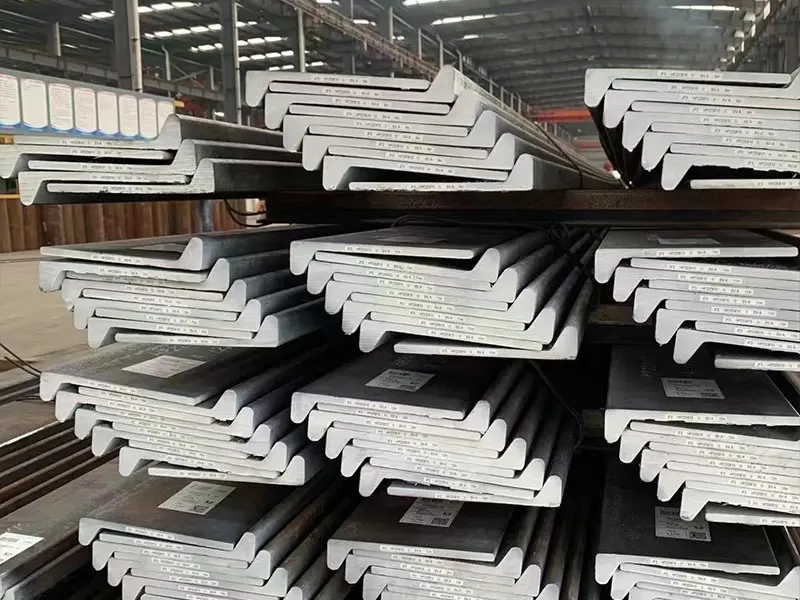
For a shipbuilding project, these stages are not just paperwork. They are critical gates that ensure technical compliance, manage risk, and keep the project on schedule. Let’s walk through each stage with a marine steel lens.
A Shipbuilder’s Guide to the Procurement Stages
Each stage has a distinct goal and set of deliverables. Skipping one can create ripple effects downstream.
1. Need Identification1 & Specification
This is where engineering meets procurement. The project team defines the exact technical requirements based on the ship’s design. This creates the Bill of Materials (BOM) – the bible for all subsequent steps. A vague specification here guarantees problems later.
2. Supplier Sourcing2 & Pre-qualification
Now you find potential partners. This goes beyond a simple web search. It involves:
- Evaluating mill certifications and approvals from classification societies.
- Assessing supplier reputation, financial stability, and production capacity.
- Checking references from past projects. This is where our long-term cooperation with certified mills becomes a key asset for our clients, as it reduces their qualification risk.
3. Request for Quotation (RFQ)5 & Proposal Analysis
You send your detailed BOM and technical specs to pre-qualified suppliers. A good RFQ asks for more than just price; it asks for lead time, packaging details, certification process, and Incoterms. Then, you compare apples to apples, looking at the total value proposition, not just the bottom line.
4. Negotiation & Contracting
This stage finalizes terms and manages risk. Key discussions include:
- Price adjustments, payment milestones, and currency.
- Detailed quality acceptance criteria and inspection rights (like SGS support).
- Liability clauses, force majeure, and dispute resolution. A clear contract protects both parties.
5. Order Fulfillment & Delivery
The supplier produces and ships the steel. Your job is active monitoring, not passive waiting. This includes:
- Reviewing preliminary MTCs.
- Arranging or confirming third-party inspection if required.
- Tracking the vessel and managing logistics to the shipyard. Our client’s feedback on "the best packaging for ship plates" didn’t happen by accident; it’s a deliberate part of our fulfillment process to prevent damage in transit.
6. Performance Review3 & KPI Measurement
After delivery, assess the supplier’s performance. Did the steel arrive on time? Was the quality perfect? Was the documentation complete? This review, like the one Gulf Metal Solutions provided, informs future buying decisions and strengthens good partnerships.
7. Record Management4 & Spend Analysis
File all documents—contracts, MTCs, inspection reports, communications—systematically. Analyze spend data across projects to identify trends, leverage volume, and improve future budgeting.
This structured 7-stage process transforms procurement from a clerical function into a strategic activity. It provides visibility, control, and continuous improvement, which is essential when millions of dollars and tight deadlines are on the line.
What are the 4 types of procurement methods?
With a roadmap in hand, you need to choose the right vehicle for the journey. Not all steel purchases are the same. A one-off repair part and steel for a series of ten bulk carriers demand completely different buying approaches.
The four main types of procurement methods are: Direct Procurement1, Indirect Procurement2, Goods Procurement3, and Services Procurement4. In marine projects, the focus is primarily on direct goods procurement, which can be further broken down by purchase strategy.
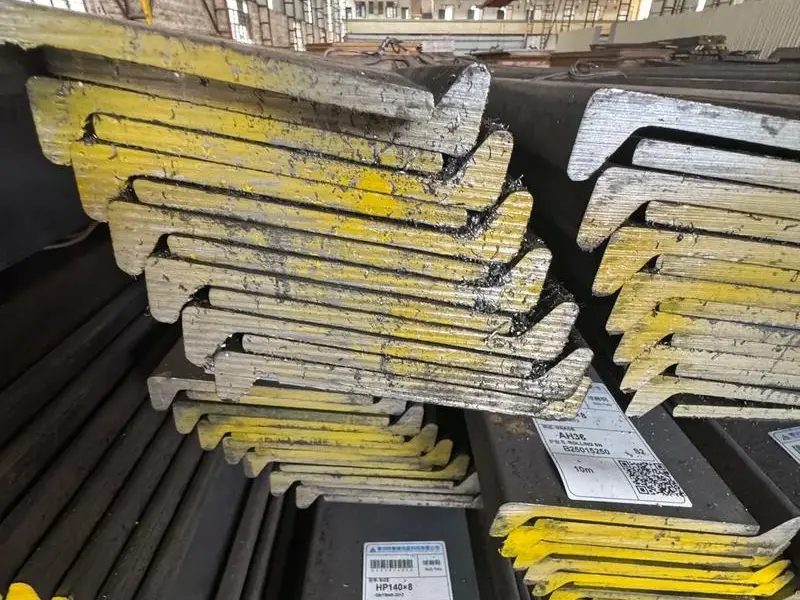
Understanding these methods allows you to match your purchasing strategy to the project’s needs. Using the wrong method can lock you into unfavorable terms or leave you exposed to market volatility.
Choosing the Right Strategy for Marine Steel Purchases
For direct goods procurement of materials like marine steel, the strategy typically falls into a few categories based on volume, relationship, and risk.
1. Spot Purchasing5 (or One-Off Purchase)
This is buying for an immediate, specific need, often at the prevailing market price.
- Best For: Emergency repairs, small projects, or topping up missing quantities.
- Pros: Fast and flexible.
- Cons: No price security, higher transaction costs, less supplier commitment.
- Example: Needing 5 tons of AH36 plate to fix a localized area on a vessel in dry dock.
2. Forward Buying6 / Strategic Stocking
This involves purchasing large quantities in advance based on forecasted needs, aiming to lock in a price or ensure availability.
- Best For: Very large, single projects with a clear BOM, or to hedge against anticipated price increases.
- Pros: Price certainty, material availability secured.
- Cons: Ties up capital in inventory, requires storage, risk of price dropping after purchase.
3. Contract Purchasing7 (or Frame Agreements)
Here, you negotiate long-term terms (price formulas, discounts, terms) with a supplier for repeated purchases over a period, but you only order as needed.
- Best For: Shipyards with a steady flow of similar projects, or for standard items you always use.
- Pros: Better pricing through volume commitment, faster ordering process, stronger relationship.
- Cons: Requires good demand forecasting; can be less flexible if needs change dramatically.
4. Vendor Managed Inventory8 (VMI)
A more collaborative model where the supplier manages the inventory levels at or near your shipyard based on agreed-upon min/max levels.
- Best For: High-consumption, standard-grade materials where keeping production running is critical.
- Pros: Reduces your inventory holding cost, ensures material is always available, simplifies procurement.
- Cons: Requires extremely high trust and integration with the supplier; less common for high-spec marine steel.
The table below helps visualize the choice:
| Procurement Method | Key Driver | Risk for Buyer | Supplier Relationship |
|---|---|---|---|
| Spot Purchasing5 | Immediate Need | High (Price & Availability) | Transactional |
| Forward Buying6 | Price Lock/Project Security | Medium (Market Shift, Capital Tie-up) | Project-Based |
| Contract Purchasing7 | Steady Demand & Cost Control | Low-Medium | Strategic Partner |
| Vendor Managed Inventory8 | Operational Efficiency & JIT | Low (But High Dependency) | Integrated Partner |
Most large shipbuilders use a mix. They might have a contract purchasing agreement with a mill or major stockist like us for their baseline needs of standard plates and sections, while using spot purchasing for unexpected requirements. The strategy for sourcing bulb flat steel for a unique stern section might be a forward buy for that specific project. The method must serve the project’s financial and schedule goals.
What is the steel sourcing strategy?
Knowing the frameworks and methods is crucial, but they must come together in a living, breathing plan—your sourcing strategy. This is your master plan for securing the right steel, from the right place, at the right time and cost. Without it, you’re just reacting to the market.
A steel sourcing strategy is a comprehensive plan that defines how an organization will secure its steel supply. It aligns supplier selection, procurement methods, and risk management with overall business and project objectives to ensure reliable, cost-effective, and quality-assured material flow.
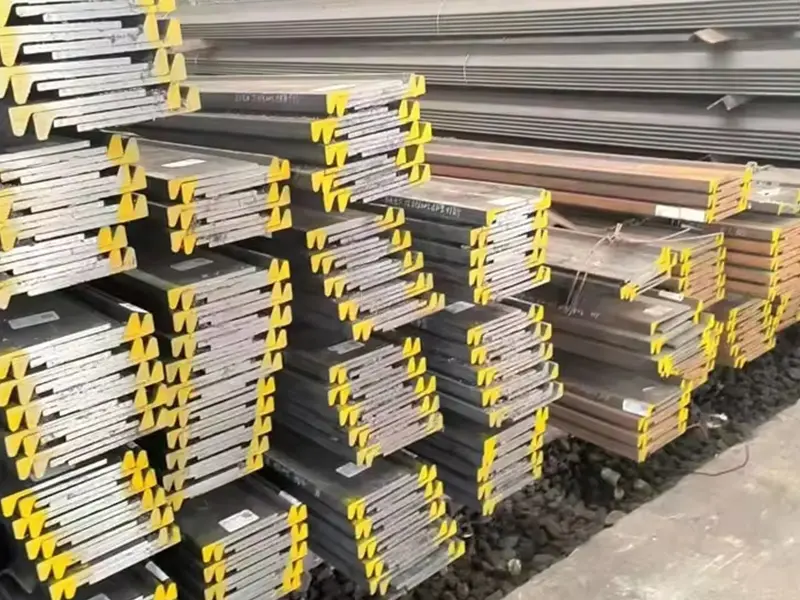
For a shipyard, this strategy is a competitive weapon. It’s what allows you to promise realistic deadlines to your clients and protect your profit margins. Let’s deconstruct what a robust marine steel sourcing strategy entails.
Building a Resilient Marine Steel Sourcing Blueprint
A good strategy isn’t a single decision; it’s a system of interconnected choices designed to balance cost, quality, and risk.
1. Supply Base Optimization: Single vs. Dual vs. Multi-Sourcing
This is your fundamental supplier structure.
- Single Sourcing: Relying on one supplier for a specific material. It can maximize volume discounts and foster deep collaboration but carries high risk if that supplier fails.
- Dual Sourcing: Using two pre-qualified suppliers. It introduces healthy competition and provides a backup. This is a very common and prudent strategy for critical materials.
- Multi-Sourcing: Engaging several suppliers. This maximizes flexibility and protects against regional disruptions (like trade policies or natural disasters) but can be more complex to manage.
2. Geographic Sourcing Strategy
Where in the world will your steel come from?
- Domestic/Local Sourcing: Shorter lead times, easier communication, but often higher cost.
- Global Sourcing (e.g., from China): Typically lower factory prices, access to large-scale mill capacity, but involves longer logistics, currency risk, and cultural/communication bridges. Our base in China’s major steel-producing region allows us to offer this global cost advantage while mitigating the communication pain point through dedicated English support.
3. Total Cost of Ownership (TCO) Focus
Shift the focus from price to total cost. The cheapest steel that causes welding issues and delays costs far more in the end. TCO includes:
- Acquisition Cost (Price)
- Logistics & Handling Cost
- Cost of Quality (Inspection, Rework, Scrap)
- Inventory Holding Cost
- Administrative Cost (Order Processing)
4. Risk Management & Contingency Planning
Identify what can go wrong and have a Plan B.
- Supply Risk: Mill shutdowns, production bottlenecks.
- Logistics Risk: Port strikes, container shortages, customs delays.
- Financial Risk: Currency fluctuations, supplier bankruptcy.
- Mitigation: Holding strategic safety stock for key items, having pre-qualified backup suppliers, using flexible Incoterms, and considering financial hedges.
5. Relationship & Performance Management
Your strategy should define the type of relationship you want. Is it purely transactional, or a long-term partnership? Establish clear Key Performance Indicators (KPIs) for your suppliers: On-Time Delivery (OTD) rate, Quality Acceptance Rate, and Responsiveness. Regularly review these KPIs, as our Saudi client implicitly did when they noted our consistent response time and packaging quality.
Implementing this strategy means you’re not just buying steel for the next ship; you’re building a reliable supply chain for the next ten ships. It turns procurement from a cost center into a source of stability and competitive advantage.
Conclusion
A successful marine steel procurement plan blends structured frameworks, clear processes, strategic methods, and a resilient sourcing strategy to control cost, ensure quality, and keep your shipbuilding project on schedule.
-
Explore this link to understand how Direct Procurement can streamline your purchasing process. ↩ ↩ ↩ ↩ ↩
-
Learn about Indirect Procurement to optimize your overall procurement strategy. ↩ ↩ ↩ ↩ ↩ ↩
-
Discover best practices in Goods Procurement to enhance efficiency and cost-effectiveness. ↩ ↩ ↩ ↩ ↩ ↩ ↩
-
Understanding Services Procurement can help you manage service contracts more effectively. ↩ ↩ ↩ ↩ ↩ ↩
-
Find out how Spot Purchasing can be beneficial for immediate needs and its potential risks. ↩ ↩ ↩ ↩ ↩ ↩
-
Explore Forward Buying strategies to secure prices and ensure material availability. ↩ ↩ ↩ ↩ ↩ ↩ ↩
-
Learn how Contract Purchasing can lead to better pricing and stronger supplier relationships. ↩ ↩ ↩
-
Discover how Vendor Managed Inventory can optimize your inventory management and reduce costs. ↩ ↩ ↩