
You have a project on the line. A single shipment of angle steel that doesn’t fit or is late can stop your entire operation.
The best way to prevent delays is to control the supply chain from the very start. Focus on the right supplier, plan for custom sizes early, protect the steel during shipping, and keep a smart stockpile of your most-used sizes.
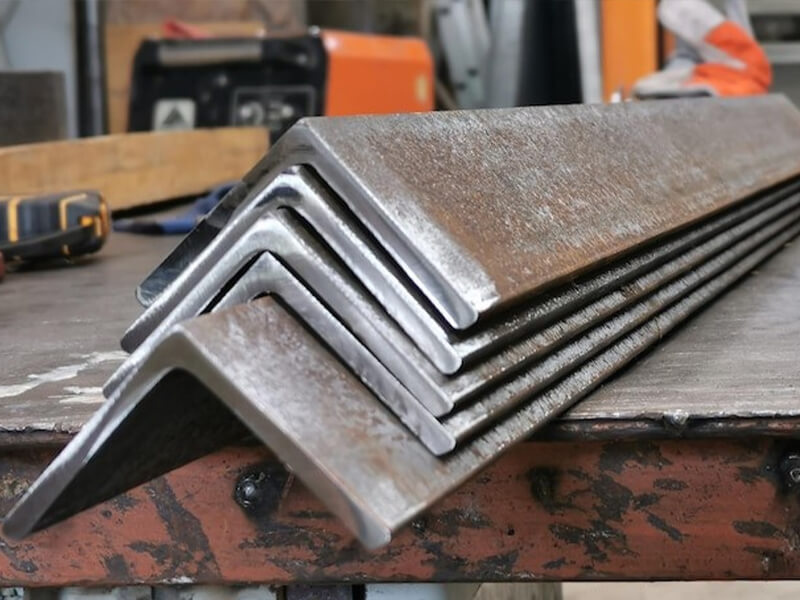
I have worked in the steel industry for years. I have seen projects go from smooth sailing to complete standstills. The cause is often something simple: angle steel. It might be the wrong size, arrive late, or show up damaged. My name is Zora Guo from CN Marine Steel. I have helped clients from Saudi Arabia to the Philippines keep their projects on track. In this article, I will share what I have learned. I will show you how to handle the four main risk areas for angle steel.
1. Supplier Qualification: Vetting Mills and Stockists for Reliability?
You pick a supplier based on a low price. Later, you find out the steel’s surface is poor. Or the mill certificate is fake. The delay starts here.
You must treat the supplier as a partner, not just a vendor. Check if they work directly with certified mills. Ask if they support third-party inspections1, like SGS, before you pay.
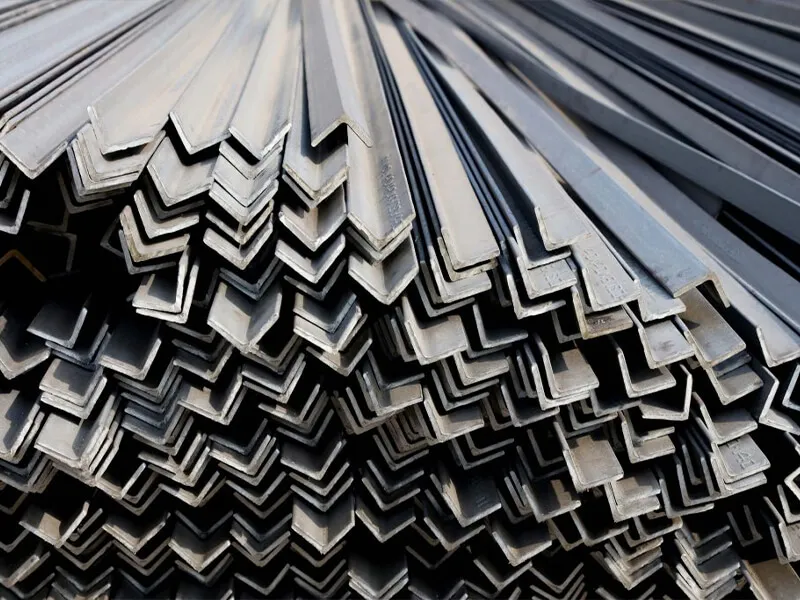
The Real Cost of a "Cheap" Supplier
I remember a client from Mexico. He called me frustrated. His previous Chinese supplier had sent him angle steel that was supposed to be for a ship’s hull. The steel looked fine in the photos. But when he did a third-party test, the chemical composition was wrong. The supplier had mixed steel from different, uncertified sources. My client had to stop his production line. He lost time and money finding new steel. The cheap price cost him ten times more in delays.
This is why I believe in a strict way to vet suppliers. You cannot just look at a website. You need to dig deeper. Here is a simple checklist I use with my own team to qualify a new mill or stockist.
| Qualification Step | What to Look For | Red Flag |
|---|---|---|
| Mill Certificates2 | Look for original MTCs that match the heat number on the steel. | A "generic" certificate that could be used for any shipment. |
| Production Status | A long-term relationship with a few, top-tier mills. | They say they work with "any mill," meaning they just spot-buy. |
| Inspection Support | They openly offer and support SGS or other third-party inspections before shipment. | They avoid inspections or say it’s "too much trouble." |
| Communication | A dedicated sales rep who responds within hours, not days. | You wait over 24 hours for a simple answer. |
When you check these four things, you are not just buying steel. You are buying reliability. The supplier should be your eyes on the ground. For my client in Saudi Arabia, Gulf Metal Solutions, this was their biggest pain point. They had suppliers who were slow to respond. Now, they work with us. They know they can reach me quickly. They also know we support third-party inspections. This gives them the confidence to place orders for marine L-shaped steel and bulb flats.
2. Procurement Lead Times: Avoiding Bottlenecks in Custom-Sized Sections?
You need a specific size of angle steel. It is not a standard stock item. You place the order. Then you wait. And wait. The project clock keeps ticking.
The solution is to plan for custom sizes1 early. Ask your supplier for the exact production lead time2 from their mill. Add a buffer of 2-3 weeks to that time before you tell your own project team.
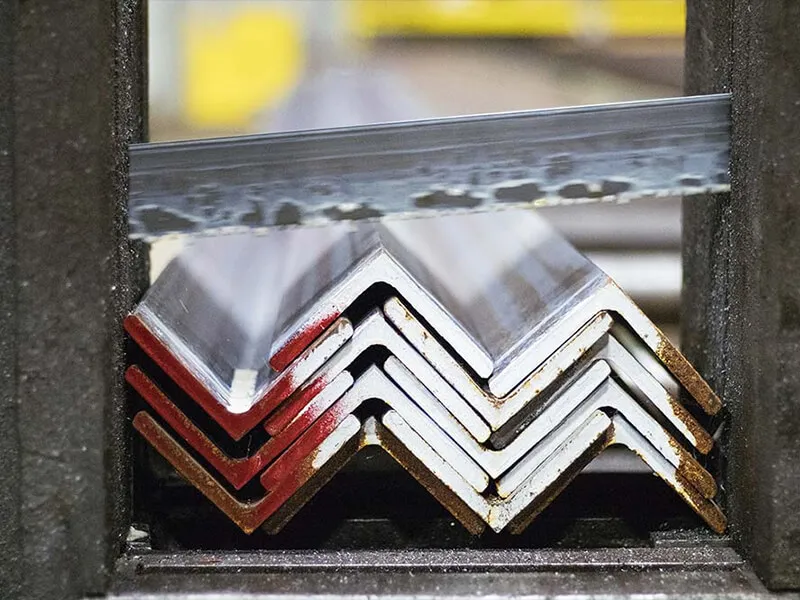
Understanding the Production Timeline
Custom-sized sections are a common need in shipbuilding and large construction projects. They are not sitting on a shelf. A mill needs to schedule a production run for them. If you think of it like a restaurant, standard sizes are like a burger on the menu. Custom sizes are like a special order. It takes time to get the ingredients ready and the chef to prepare it.
Here is how the timeline usually works. I break it down into three main stages.
Stage 1: The Mill’s Production Schedule
First, the mill does not make your steel the day you order. They have a rolling schedule. They plan what steel they will make weeks or months in advance. Your supplier needs to book a slot for your custom size. If the mill is busy, this slot could be 4 to 6 weeks away.
Stage 2: Rolling, Cooling, and Quality Checks
Once the mill starts, the process is fast. But the steel needs to cool after it is rolled. Then, it needs to be cut to your specific lengths. After that, the mill does its own quality checks3. They make sure the mechanical properties are right. This stage usually takes 1 to 2 weeks.
Stage 3: Final Inspection and Loading
This is the final step before the steel ships. If you asked for a third-party inspection, like SGS, this is when it happens. The inspector comes to the mill or the supplier’s warehouse. They check the dimensions, surface, and weight. They also verify the mill certificates. Once they pass, the steel can be loaded into containers or onto a ship. This stage can take another 3 to 7 days.
So, a realistic lead time for custom-sized angle steel is often 8 to 10 weeks. A good supplier will give you this timeline clearly. They will not promise 3 weeks just to get your order. They will be honest. Then, you can plan your own project schedule around this reality. This simple step of adding a buffer has saved many of my clients from panic and last-minute airfreight costs.
3. Logistics Coordination: Minimizing Handling Damage During Transit?
Your steel is ready. It is loaded onto a truck. Then it goes to a port. It is lifted by cranes. It is stacked in a container. Every time someone touches it, there is a risk of damage1.
Damaged steel is delayed steel. To prevent this, work with a supplier who uses proper packing methods2, like steel runners3 for containers, and who communicates the handling instructions clearly to the shipping line.
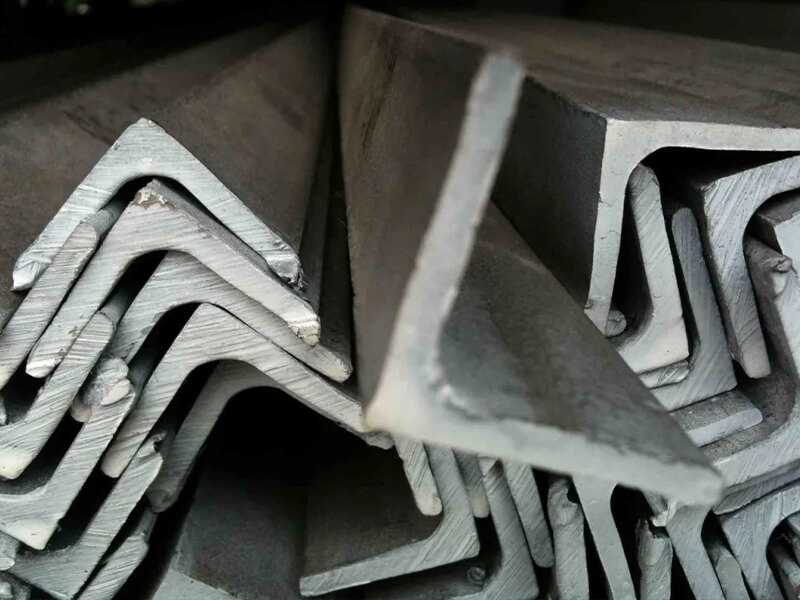
The Journey from Factory to Your Door
I once had a client in Vietnam. He received a shipment of bulb flat steel. When the container opened, half the steel was bent. The steel had not been secured inside the container. It had shifted during the ocean voyage. The force from the shifting had bent the ends of the steel. My client had to spend a week straightening the steel before he could use it. The project was delayed.
That experience changed how I think about packing. It is not an afterthought. It is a core part of the service. The goal is to make sure the steel arrives in the same condition it left the mill.
Here is a breakdown of the key points in the logistics chain where damage can happen, and how to prevent it.
| Logistics Stage | Risk of Damage | Prevention Strategy |
|---|---|---|
| Factory to Warehouse | Steel can slide off a flatbed truck if not tied down. | Use steel straps and ensure the driver is trained on steel loads. |
| Warehouse to Container | Forklifts can dent the steel if they move too fast. Cranes can drop bundles. | Use slings and spreader bars. Pack steel tightly in the container. |
| Inside the Container | Steel shifts during ocean transit, causing bending or scratches. | Use steel "runners" on the floor. Fill all gaps with dunnage bags or wood. |
| Port Handling | Crane operators can mishandle containers, causing internal shifting. | Mark the container clearly as "Steel – Heavy Load." Use container locks. |
The best packing I have ever seen is what we now do for our clients like Gulf Metal Solutions. We use steel runners inside the container. These are long steel beams that we weld to the container floor. Then we strap the angle steel to these runners. It becomes one solid block. Even if the crane operator is rough, the steel cannot shift. Our client in Saudi Arabia called this "the best packaging" they had ever received. That is not just a compliment. It is proof that good logistics coordination4 prevents delays.
4. Strategic Stockpiling: Balancing Inventory Costs Against Delay Risks?
You do not want to hold too much steel. It ties up your money and takes up space. But if you hold too little, one small delay can stop your entire project.
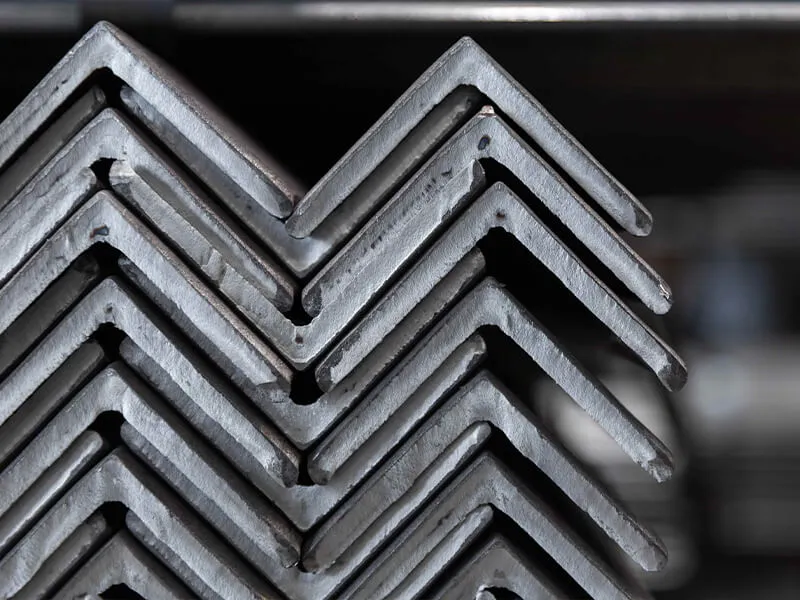
The smart move is strategic stockpiling1. Identify your three to five most-used sizes of marine angle steel and keep a safety stock2. The cost of holding this inventory is far less than the cost of a project shutdown.
Finding Your Safety Stock Number
This is a topic I discuss with many project managers. They often think in extremes. One extreme is "just-in-time" inventory. They order exactly what they need, when they need it. The other extreme is "just-in-case" inventory. They buy a huge amount and store it for years. The answer is in the middle.
I have a simple method to help my clients find their safety stock number. We look at three things: your consumption rate, the total lead time3, and the cost of a delay.
First, calculate your average weekly consumption4. How many tons of a specific size of angle steel do you use in a normal week? Let’s say it is 10 tons.
Second, know your total lead time. This is not just the supplier’s production time. It is the time from order placement to arrival at your site. For custom sizes from China, this is often 10 to 12 weeks.
If your lead time is 10 weeks, and you use 10 tons a week, you need 100 tons on order just to keep working. If you have zero in stock and the shipment is delayed by 2 weeks, you are out of steel. Your project stops.
To prevent this, you need a safety stock. This is extra steel you keep in your warehouse. It is your buffer against the unexpected. A good safety stock is often 2 to 4 weeks of your consumption. In our example, that would be 20 to 40 tons.
Let’s look at the cost comparison. I will use a simple table to show the math.
| Scenario | Inventory Cost (for 20 tons) | Delay Cost | Total Cost |
|---|---|---|---|
| No Safety Stock | $0 | $20,000 (for 2-week project delay) | $20,000 |
| With Safety Stock | $1,000 (storage + capital tied up for 3 months) | $0 | $1,000 |
As you can see, the cost of holding a small safety stock is almost always less than the cost of a project delay. The delay cost includes idle labor, late penalties, and damaged relationships with your own clients. When you think about it this way, the choice becomes clear. I always advise my clients to find that balance. It gives them peace of mind. They know they have a cushion. And when their regular order is on the water, they can keep working without panic.
Conclusion
Preventing project delays from angle steel is simple. Pick a reliable partner, plan for custom sizes, protect the steel in transit, and keep a smart stockpile.
-
Explore this link to understand how strategic stockpiling can optimize your inventory and reduce costs. ↩ ↩ ↩ ↩
-
Learn the best practices for calculating safety stock to prevent project delays and manage inventory effectively. ↩ ↩ ↩ ↩
-
Understanding total lead time is crucial for effective inventory management; explore this resource for insights. ↩ ↩ ↩
-
Discover how to accurately assess average weekly consumption to improve your inventory planning. ↩ ↩