
Your bulb flat steel arrives at the shipyard. The inspector takes one look. Then he says no.
You prevent project delays by ordering bulb flat steel with the right mill certificate, adding third-party inspection before shipping, and building buffer time into your schedule for testing and rework.
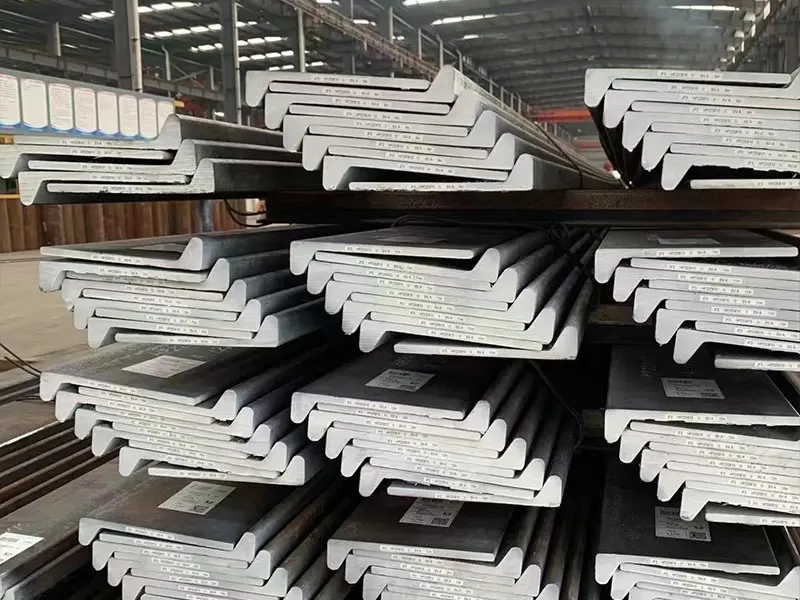
I have seen too many projects stopped because of bad steel. The shipyard waits. The workers stand around. The customer gets angry. Let me show you how to avoid that.
How to prevent delays in construction projects?
Delays feel like they come out of nowhere. But most delays have warning signs. You just have to know where to look.
You prevent delays by making a realistic schedule1, ordering materials early, checking quality before shipment, and keeping one person in charge of communication. For bulb flat steel, the biggest risk is the certificate and the shape tolerances.
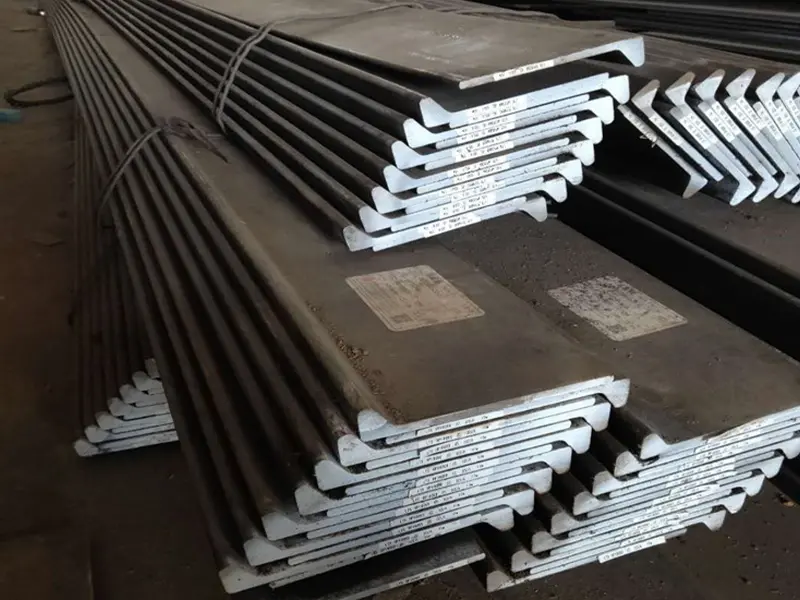
The four pillars of delay prevention
I learned these from shipping steel to over 15 countries. They work every time.
Pillar one is the realistic schedule. Do not trust the supplier who says “20 days” for everything. Ask for a written timeline. Break it down: mill order day, production start, production end, testing days, loading day, shipping days, port clearance. Add 10% buffer on top of each step.
Pillar two is early ordering2. Bulb flat steel is not stock material for many mills. They need to change rollers. That takes time. Order at least 8 weeks before your site needs the steel. For large projects, order 12 weeks ahead.
Pillar three is pre-shipment quality check3. This is the most important. I will talk more about it later. But a simple rule: never ship bulb flat steel without someone checking the dimensions and the certificate first.
Pillar four is single point of communication4. When you have five people emailing five different people at the mill, things get lost. Assign one person on your side and ask the supplier to assign one person on their side. That pair owns the project.
A simple delay prevention table
| Step | What to do | How much time to save |
|---|---|---|
| Order placement | Confirm mill has the right roller size | 2 to 4 weeks |
| Production | Ask for daily progress photos | Catch issues early |
| Testing | Request mill certificate draft before final | Fix mistakes before shipping |
| Loading | Hire local inspector at port | Avoid rejection at arrival |
| Shipping | Choose direct route with fewer transshipments | 1 to 2 weeks |
A real example from my customer
Gulf Metal Solutions in Saudi Arabia used to have delays with their previous supplier. The supplier would say “steel is ready.” But when the container arrived, the bulb flat steel had wrong dimensions. The shipyard rejected it. Then they waited another 45 days for replacement.
Now they work with me. I send them photos of every bundle before loading. I also send them the mill certificate draft by email. They check the numbers. If something is wrong, we fix it before the steel leaves China. No more delays.
What is the biggest cause of project delays?
You might think shipping is the biggest problem. Or customs. But I see something else more often.
The biggest cause of project delays is mismatched documentation1. The mill certificate says one thing. The actual steel says another. The shipyard cannot accept the steel without matching heat numbers and test results.
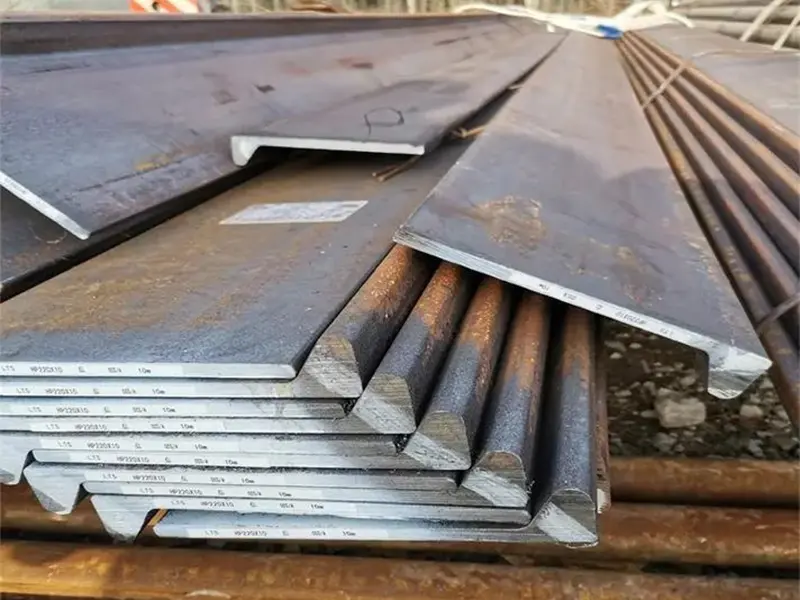
Why documentation kills more projects than broken ships
Let me explain. A shipyard follows strict rules from the classification society (ABS, DNV, LR, etc.). They cannot use any steel without a valid certificate. The certificate must have the heat number. The steel piece must have the same heat number stamped on it.
If the numbers do not match, the shipyard stops. They will not cut or weld that steel. They will put it aside. Then they call you. You call the supplier. The supplier says “oh, we used the wrong stamp.” Or “the mill made a typo.”
Now you have a container full of steel that cannot be used. You can send it back. That takes 60 days. Or you can ask the mill to issue a new certificate. That takes 10 days if they are fast. But the shipyard may still reject it because the stamp date is after the arrival date.
Most common documentation mistakes
| Mistake | What happens | How long it delays |
|---|---|---|
| Heat number mismatch | Steel cannot be traced | 10 to 30 days |
| Missing third-party stamp2 | Certificate not valid for shipbuilding | 7 to 14 days |
| Wrong grade printed | Steel is Grade A, certificate says AH36 | Rejection, 30+ days |
| Wrong dimensions on certificate | Certificate shows 150mm, steel is 152mm | 5 to 10 days for correction |
| No impact test values | Required for cold climate vessels | 10 days for retesting |
What is the second biggest cause?
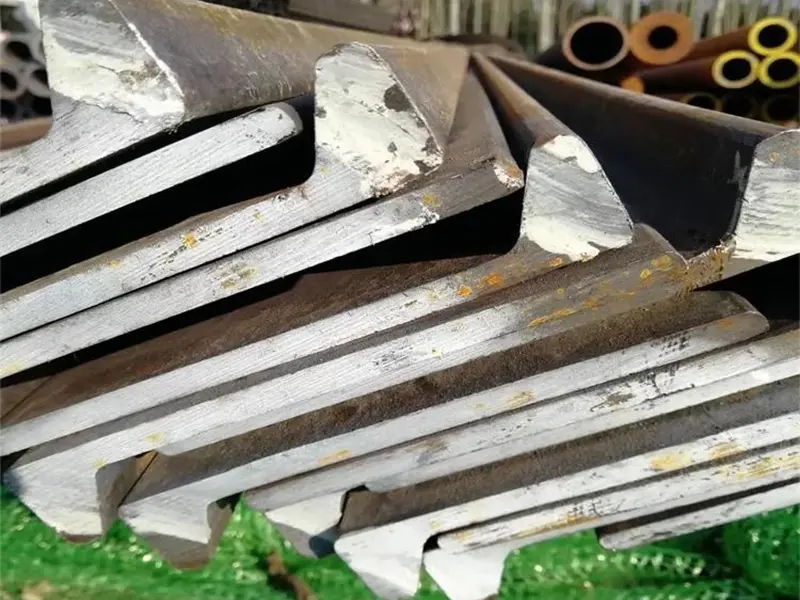
Wrong dimensions. Bulb flat steel has a special shape. The bulb (the round part) and the web (the flat part) must match the drawing exactly. Shipyards measure every piece. If the bulb height is off by 2mm, they reject the whole bundle.
I had a customer in Vietnam. They ordered 50 tons of bulb flat steel size 160×8. The mill sent 160×9. That is just 1mm thicker. But the shipyard’s welding procedure was written for 8mm. They could not change it easily. The steel sat for three weeks while they rewrote the procedure. That cost them money.
So always ask the mill for a sample piece. Cut it. Measure it. Then approve mass production.
How would you handle material equipment delays to a project?
Delays happen. Even with good planning. The question is not “if” but “when.” And the answer is not to panic.
You handle material delays by having a backup plan, communicating early with the shipyard, and asking the supplier for expedited replacement1. For bulb flat steel2, you can also ask for air freight3 for small quantities or find alternative sizes that still work.
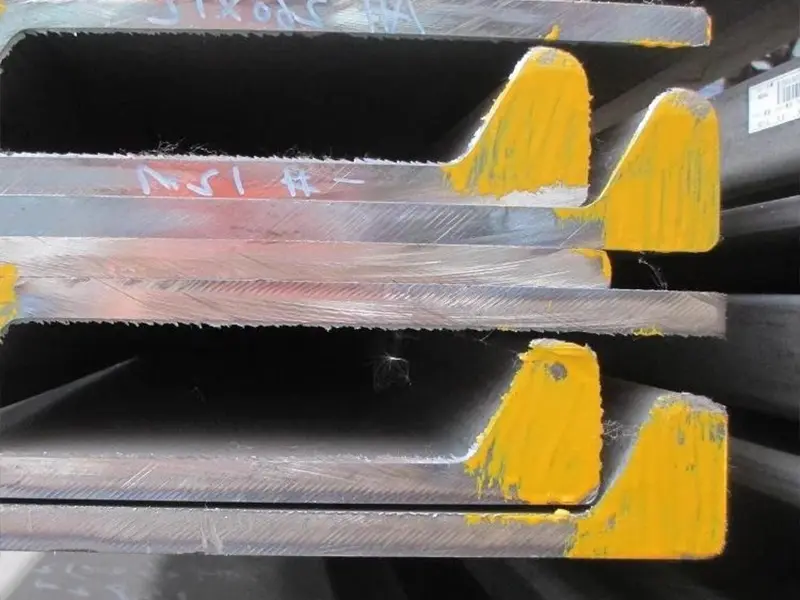
The three-step response to any delay
Step one is to verify the delay. Do not trust the first message. Ask for proof. If the supplier says “production delayed,” ask for a photo of the mill line. If they say “shipment missed,” ask for the loading report. Sometimes the delay is smaller than they say.
Step two is to inform the shipyard immediately. Do not wait. Tell them the new estimated arrival date. Ask if they can move other work to fill the gap. Most shipyards have flexible schedules. They appreciate early warning.
Step three is to find a solution. For small quantities (under 5 tons), air freight is possible. It costs more, but it saves weeks. For larger quantities, ask the supplier to split the order. Ship what is ready now. Send the rest later. That way the shipyard can start some work.
Delay response options
| Delay length | Best response | Extra cost |
|---|---|---|
| 1 to 3 days | Wait, inform shipyard | $0 |
| 4 to 7 days | Ask for partial shipment4 | Low (extra freight) |
| 8 to 14 days | Expedite by faster sea route | Medium |
| 15+ days | Air freight for critical pieces | High |
| 30+ days | Cancel order, find new supplier | Very high, but necessary |
A story of how we handled a delay
Last year, a customer in Mexico ordered 80 tons of bulb flat steel for a container ship. The mill had a breakdown. The steel was delayed by 12 days. The customer was worried. They had a delivery date to their own customer.
I did three things. First, I sent a video of the broken roller. The customer saw it was real. Second, I offered to split the order. We shipped 40 tons by normal sea. The other 40 tons we sent by a faster shipping line that cost 15% more. I paid half of that extra cost. Third, I gave the customer a written guarantee that the second shipment would arrive no later than 5 days after the first.
The customer agreed. The first shipment arrived on time. The second shipment arrived 4 days later. The shipyard worked on the first 40 tons while waiting for the rest. No overall delay to the project.
The customer later told me: “You handled it like a professional. Other suppliers just say sorry.”
How to overcome project delays?
Once a delay has happened, you cannot turn back time. But you can reduce the damage.
You overcome project delays by resetting the schedule1, adding extra shifts, and using buffer time that you built in from the start. You also review what caused the delay so it does not happen again on the next project.
The recovery plan
First, sit down with the shipyard and the supplier on the same call. Not separate emails. Get everyone on one line. Agree on the new dates. Write them down.
Second, look at the critical path2. Which tasks depend on the delayed steel? Can you do other work first? For example, if the bulb flat steel is for the upper hull, can you build the lower hull first? Often yes.
Third, add resources. Overtime for workers. Extra shift. Weekend work. It costs money, but it saves time. Compare the cost of overtime to the cost of late delivery penalties.
Fourth, communicate to the end customer. If you are a distributor, your customer needs to know. Bad news does not get better with time. Tell them early. Give them a new date. Then deliver on that new date.
Recovery actions and their trade-offs
| Action | Time saved | Extra cost | Risk |
|---|---|---|---|
| Overtime (1 hour/day) | 5% to 10% | Low | Worker fatigue |
| Double shift | 30% to 40% | Medium | Coordination issues |
| Weekend work | 15% to 20% | Medium | Quality may drop |
| Air freight for missing parts | 2 to 4 weeks | High | None, but expensive |
| Redesign to use stock sizes | 1 to 2 weeks | Medium (engineering time) | May weaken structure |
How we helped a customer overcome a 3-week delay
A customer in the Philippines had a problem. Their previous supplier sent bulb flat steel with the wrong bulb radius. The shipyard rejected it. The customer called me in a panic. They needed 30 tons of size 180×10 in 10 days. Normal lead time is 25 days.
I checked with my mill. They had one heat of 180×10 already scheduled for another customer. That customer agreed to wait one week. I took that heat. We rushed the testing. We loaded the steel on a plane to Manila. It arrived on day 9.
The customer paid extra for air freight. But they avoided a late penalty of $15,000. The air freight cost $4,000. They saved $11,000. And they kept their relationship with the shipyard.
That customer now orders all their bulb flat steel from me.
What to do after the delay is over
Do a post-mortem3. Write down what happened. Share it with your team and your supplier. Ask: “How can we stop this from happening again?”
Maybe you need to order earlier. Maybe you need a different mill. Maybe you need to add a third-party inspection at the mill. Maybe you need to keep safety stock4 of common sizes.
I keep 50 tons of the most common bulb flat steel sizes in my warehouse in Liaocheng. That is my safety stock. If a customer has an urgent need, I can ship within 3 days. That has saved many projects.
Conclusion
Order early, check certificates, inspect before shipping, and have a recovery plan. That is how you beat delays.
-
Explore this resource to learn how to effectively reset project schedules and minimize delays. ↩ ↩ ↩ ↩
-
Understanding the critical path is essential for managing project timelines; this link provides valuable insights. ↩ ↩ ↩ ↩
-
Discover why post-mortems are vital for continuous improvement and preventing future delays. ↩ ↩ ↩
-
This link explains how maintaining safety stock can safeguard against delays and ensure timely deliveries. ↩ ↩ ↩