
Your steel plates arrive. The thickness is wrong. The plates are bowed. Your supplier says they are fine. You argue for weeks.
To prevent thickness and flatness disputes, specify clear tolerances in your purchase order, use the same measurement methods as your supplier, arrange a pre‑shipment inspection, and write rejection clauses into your contract. These steps stop arguments before they start.

I am Zora Guo from cnmarinesteel.com. I have seen many disputes between buyers and suppliers over thickness and flatness. Most of them happen because the two sides used different tolerances, different measurement points, or no inspection at all. Let me show you how to avoid that.
What Thickness and Flatness Tolerances Should You Specify in Your Purchase Order to Avoid Confusion?
You order 12mm plate. The mill sends 11.8mm. Is that acceptable? The answer depends on what you wrote in your purchase order.
You should specify thickness tolerances based on class society rules (ABS, DNV, LR) or an international standard like ASTM A6. For marine steel plates, typical under‑tolerance is -0.3mm for plates up to 15mm, and -0.5mm for plates over 15mm. For flatness, specify a maximum bow of 5mm per meter of length and a wave height limit of 3mm per 300mm. Write these numbers directly into your PO. Do not assume the mill knows your expectation.
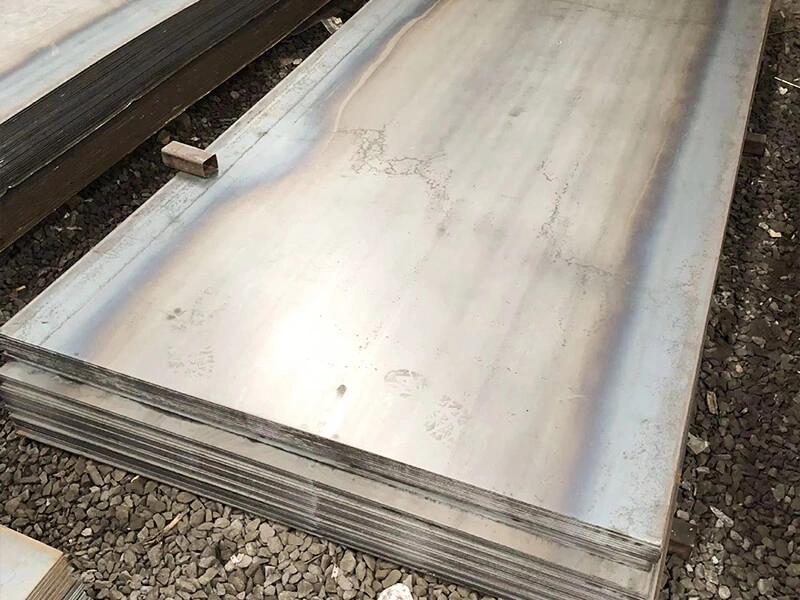
Let me give you exact numbers to put in your contract.
Thickness Tolerances
Different standards give different tolerances. For marine steel, I recommend using the tolerances from the classification society rules or ASTM A6.
Common thickness tolerances (under‑tolerance only):
| Nominal thickness (mm) | Tolerance (minus) – ASTM A6 | Tolerance (minus) – ABS/DNV |
|---|---|---|
| 5‑8 mm | -0.3 mm | -0.2 mm |
| 8‑12 mm | -0.4 mm | -0.3 mm |
| 12‑20 mm | -0.5 mm | -0.4 mm |
| 20‑30 mm | -0.6 mm | -0.5 mm |
| Over 30 mm | -0.7 mm | -0.6 mm |
What to write in your PO:
“Thickness tolerance per ABS rules. For 12mm plate, maximum under‑tolerance -0.3mm. No plate shall measure below 11.7mm at any point.”
Flatness Tolerances
Flatness is harder to measure. There are two types: bow (longitudinal curve) and wavy edge (local waves).
Bow tolerance: The plate should not be bent along its length. Typical limit is 5mm per meter of length. For a 10m plate, maximum bow is 50mm.
Wavy edge tolerance: For plates up to 20mm thick, wave height should not exceed 3mm over a 300mm length.
What to write in your PO:
“Flatness per ASTM A6. Maximum bow: 5mm per meter. Maximum wavy edge: 3mm over 300mm.”
Why This Matters
A customer in Vietnam once ordered 15mm plates. He wrote “thickness per standard” but did not say which standard. The mill used a national standard with -0.7mm tolerance. The buyer expected class tolerance of -0.4mm. The plates measured 14.5mm. The buyer rejected them. The mill refused to replace. Both sides lost time and money. A clear PO would have prevented this.
How to Use Standardized Measurement Methods (Gauging points, Straightedge checks) to Ensure Consistent Readings?
You measure thickness at the edge. The supplier measures at the center. You get different numbers. You argue.
Standardized measurement methods mean you and your supplier agree on where and how to measure. For thickness, use an ultrasonic gauge at points 25mm from each edge and at the center. Take at least five readings per plate. For flatness, use a 1‑2 meter straightedge placed across the plate width at multiple points. Measure the gap underneath. Write the method into your contract. Then both sides get the same results.
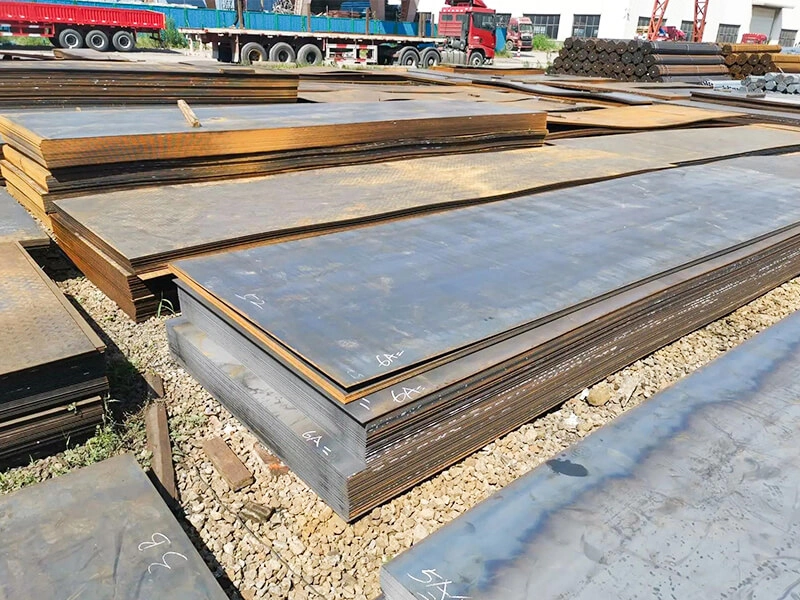
Let me give you a simple, repeatable method.
Thickness Measurement Protocol
Equipment: Calibrated ultrasonic thickness gauge (accuracy ±0.1mm). Also a magnetic or mechanical caliper for edge checks.
Measurement points: For each plate, measure at:
- 25mm from each corner (4 points)
- Center of the plate (1 point)
- If the plate is over 6m long, also measure at mid‑length on both edges (2 more points)
Procedure:
- Clean the measurement area (remove rust, scale, or paint).
- Apply couplant gel.
- Place the probe flat on the steel.
- Read the thickness.
- Take the average of all readings. Then check the minimum single reading.
Acceptance: The average should meet the nominal thickness minus tolerance. No single reading should be more than 0.2mm below the average.
Flatness Measurement Protocol
Equipment: A straightedge that is 1‑2 meters long, accurate to 0.5mm per meter. Feeler gauges.
For bow (longitudinal curve):
- Place the plate on a flat surface (or on supports at the ends).
- Lay the straightedge along the length of the plate, at the centerline.
- Measure the maximum gap between the straightedge and the plate.
- Repeat at 1 meter intervals.
For wavy edge (local waves):
- Place the straightedge across the plate width at 90 degrees to the rolling direction.
- Measure at 500mm intervals along the length.
- At each position, find the maximum gap under the straightedge.
Acceptance: Maximum bow ≤ 5mm per meter. Maximum wavy edge ≤ 3mm over 300mm.
Agree on Method Before Production
I always send my buyers a one‑page document showing the measurement points and the equipment we use. They sign it. Then there is no argument. One buyer in Saudi Arabia told me: “Your method is the same as our yard’s procedure. We have never had a dispute.”
Why Is a Pre‑Shipment Inspection by a Third Party Critical to Catch Disputes Before Steel Leaves the Mill?
You trust your supplier. You pay. The steel arrives. It is bad. Now you wait weeks for a replacement. Your project stops.
A pre‑shipment inspection (PSI) by a third party like SGS, Bureau Veritas, or a class surveyor catches thickness and flatness issues before you pay the final balance. The inspector measures plates using the agreed method. If plates are out of tolerance, you reject them at the mill. The supplier must replace them at their cost. You pay nothing for the bad plates. You avoid shipping costs, customs delays, and project stoppages.
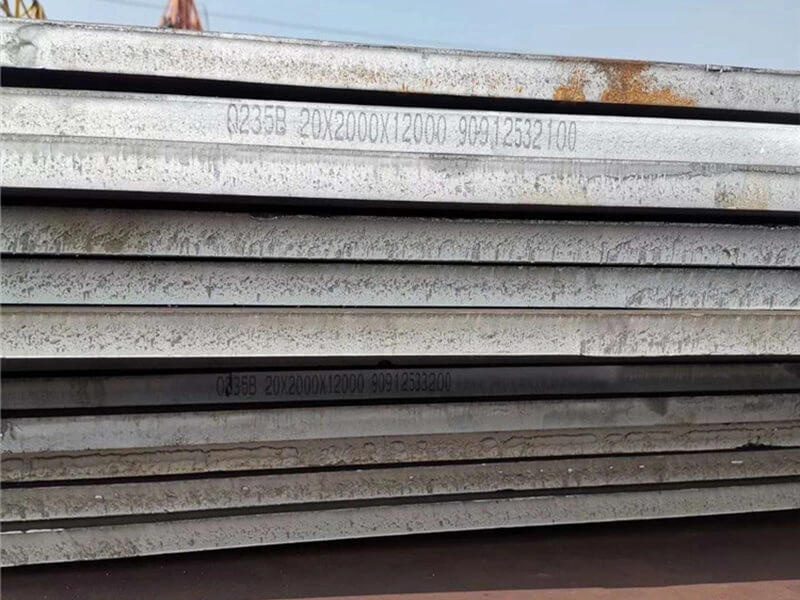
Let me explain how PSI works for thickness and flatness.
What the Inspector Does
The third‑party inspector follows an Inspection and Test Plan (ITP) agreed between you and the supplier. For thickness and flatness, the ITP will specify:
- Sampling rate (e.g., 10% of plates, or 100% for critical orders)
- Measurement points (as described above)
- Acceptance criteria (the tolerances from your PO)
- What to do if a plate fails (reject, rework, or accept with price reduction)
The inspector then visits the mill or the supplier’s warehouse. They randomly select plates from the shipment. They measure each plate. They record the readings. They tag non‑conforming plates.
What Happens If Plates Fail?
The inspector issues a non‑conformance report (NCR). You send it to the supplier. The supplier then has options:
- Replace the bad plates from stock (if available)
- Re‑roll new plates (if time allows)
- Offer a price reduction if the deviation is minor
You decide. You do not pay for the bad plates. You do not pay freight for them. The supplier absorbs the cost.
Cost vs. Benefit
A pre‑shipment inspection for a 200‑ton order costs about $500‑1,000. That is 0.2‑0.5% of the order value. If the inspection finds 5% of plates out of tolerance, you save the cost of shipping and replacing those 10 tons. The saving is much larger than the inspection fee.
I had a buyer in Malaysia who skipped inspection to save $800. The plates arrived. 30% were under thickness. The buyer spent $15,000 on shipping back the bad plates and lost 6 weeks of production. After that, they never skip PSI.
How to Document and Communicate Rejection Criteria in Contracts to Resolve Disputes Quickly and Fairly?
You have a dispute. Thickness is 0.2mm below the limit. The supplier says it is fine. You say it is not. Who is right? The contract should say.
Write clear rejection criteria into your contract. State the exact tolerances (e.g., “no plate shall measure more than 0.3mm below nominal thickness at any point”). Define what happens if a plate fails (rejection, replacement, or price reduction). Also include a dispute resolution clause – such as a third‑party retest at a lab chosen by both sides. With these clauses, most disputes are solved in days, not months.
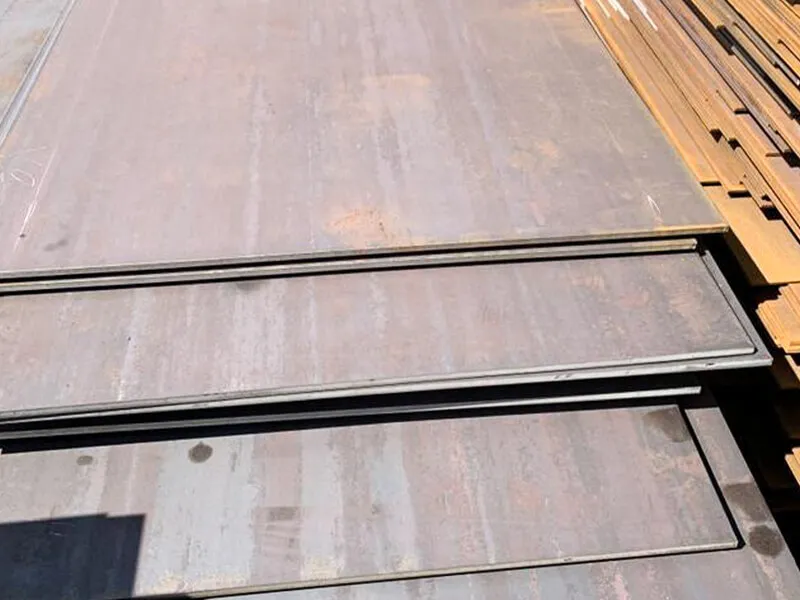
Let me show you what to write.
Clause 1: Tolerance and Rejection Threshold
Sample wording:
“Thickness tolerance for plates up to 15mm: nominal thickness minus 0.3mm maximum. Any plate with a thickness reading more than 0.3mm below nominal at any measurement point shall be rejected. The supplier shall replace rejected plates at no cost to the buyer, including expedited shipping.”
Clause 2: Flatness Rejection
Sample wording:
“Flatness tolerance: maximum bow of 5mm per meter of length. Maximum wavy edge of 3mm over 300mm. Any plate exceeding these limits shall be rejected. The supplier may grind or straighten the plate at their cost, but only with buyer’s written approval.”
Clause 3: Measurement Method
Sample wording:
“Thickness shall be measured using a calibrated ultrasonic gauge at points 25mm from each edge and at the center. Flatness shall be measured using a 2‑meter straightedge. The measurement method shall follow the attached procedure (Appendix A). Both parties agree to this method.”
Clause 4: Dispute Resolution
Sample wording:
“If the buyer and supplier disagree on whether a plate meets the tolerances, either party may request a retest by an independent laboratory (e.g., SGS, BV, or an accredited lab agreed by both). The lab’s measurement shall be final and binding. The cost of the retest shall be paid by the party whose measurement is found incorrect.”
A Real Example
A buyer in Indonesia had a dispute over flatness. The supplier said the plates were within 5mm per meter. The buyer said they were 7mm per meter. The contract had no dispute clause. They argued for 3 months. Finally, they sent a sample to a third lab. The lab found 6mm per meter. The buyer accepted a small price reduction. But the delay cost them $20,000 in lost production.
After that, the buyer added a clause that any dispute goes to SGS within 10 days. The loser pays.
Conclusion
Specify clear tolerances, use the same measurement methods, hire a third‑party inspector, and write rejection clauses into your contract. These four steps stop thickness and flatness disputes before they start.