
Seeing the total price on a bulk steel quote can be a shock. Hidden costs and wrong choices can silently drain your project budget, turning a good deal into a financial headache.
You reduce the cost of bulk bulb flat steel by focusing on total landed cost, not just unit price. Key strategies include optimizing material specification, choosing the right production process (HR vs CR), consolidating orders, and partnering with a supplier who offers logistics and inspection support to avoid hidden expenses.

I talk with buyers every week who want the lowest price per ton. But the cheapest steel can become the most expensive. A client in Thailand once bought a container of "bargain" bulb flats. The steel itself was okay, but the lengths were random and the packaging was poor. They spent thousands more on-site cutting and handling, and some pieces were bent on arrival. The real cost was far above our quoted price. Smart cost reduction is about intelligence, not just haggling. This guide will show you practical steps, beyond just asking for a discount, to truly save money on your next major purchase.
Does cold rolled steel cost less?
Many buyers assume "cold rolled" means a smoother, more premium product, so it must cost more. The reality of pricing between hot-rolled (HR) and cold-rolled (CR) steel is not that simple and depends heavily on what you are buying.
For basic shapes like bulb flats, hot-rolled steel almost always costs less than cold-rolled. Cold rolling is an extra processing step that adds cost. However, for thin sheet products, CR might be the standard and most cost-effective option due to different production routes.
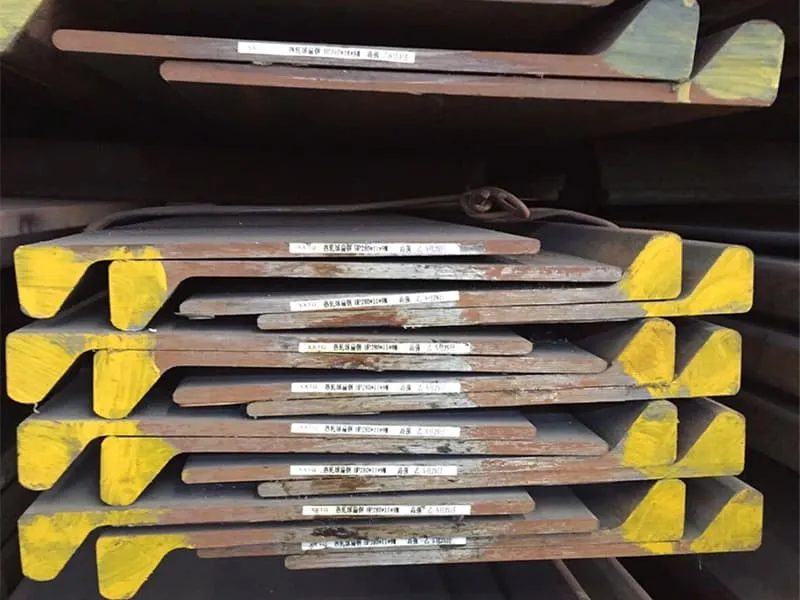
Understanding the Cost Drivers in Rolling Processes
You cannot compare the cost of HR and CR fairly without knowing what the "rolling" process actually does. The cost difference comes from the number of steps, energy use, and yield.
The Hot-Rolled (HR) Route: Efficient for Sections
Hot rolling happens above the steel’s recrystallization temperature (over 1700°F). The steel is soft and malleable. For structural sections like bulb flats, angles, and beams, this is the primary and most efficient way to shape them.
- A large, hot slab or bloom is passed through a series of rolling stands.
- Each stand shapes the steel closer to its final profile.
- The process is continuous and fast for long lengths.
The key point is: For a given shape and size, the hot-rolling mill produces the finished product in one go. The cost includes the raw material (slab) and the rolling mill’s operation.
The Cold-Rolled (CR) Route: An Additional, Expensive Step
Cold rolling happens at room temperature. It is almost never the first step to make a structural section. More often, CR refers to sheet and coil products.
- First, the steel is hot-rolled into a coil of approximate thickness.
- Then, it is cooled.
- Later, it is uncoiled and passed through cold reduction mills at room temperature to make it thinner, stronger, and smoother.
For a bulb flat, making it via a "cold" process would be very unusual and costly. You would start with a hot-rolled flat bar or plate. Then, you would need to cold-form the bulb profile through a series of dies. This requires massive force, specialized machinery, and has a high risk of shape defects and residual stress. This extra processing adds significant cost per ton.
The Real Cost Question: Total Part Cost
Sometimes, a more expensive material can lead to a cheaper final part. This is true for manufacturing with thin sheet metal, where cold-rolled steel’s smooth surface and precise thickness can save on painting, polishing, or machining costs later. But for marine bulb flats, this is rarely the case.
The surface finish of a hot-rolled bulb flat (with mill scale) is perfectly acceptable for shipbuilding. It will be blasted and painted anyway. The dimensional tolerances from a modern hot-rolling mill are also very good for structural purposes.
Let’s look at a cost comparison for a bulb flat:
| Factor | Hot-Rolled Bulb Flat | Cold-Formed / Rolled Bulb Flat (If Available) |
|---|---|---|
| Base Material Cost | Lower. Made directly from heated slabs. | Higher. Starts with HR material, then adds processing. |
| Production Speed | High. Continuous rolling of long lengths. | Low. Slow, step-by-step forming process. |
| Energy Consumption | High during heating, but efficient per ton. | Lower per pass, but many passes needed. |
| Typical Use Case | Standard for shipbuilding, offshore, construction. | Extremely rare; only for special precision applications not common in marine work. |
| Overall Cost Verdict | Substantially lower for bulk structural use. | Substantially higher. |
My clear advice: When you are sourcing marine-grade bulb flats (AH36, DH36, etc.), you should be looking for hot-rolled products. If a supplier offers you "cold-rolled" bulb flats, you need to ask very specific questions. They might be using the term loosely, or they might be offering a niche, expensive product you likely do not need. For 99% of bulk buyers, hot-rolled is the cost-effective and correct choice.
What are bulb flats used for?
If you don’t know exactly why you need bulb flats, you can’t make smart decisions about grade, size, or quantity. Understanding their function unlocks opportunities to optimize your specification and avoid over-engineering.
Bulb flats are primarily used as stiffeners in ship hulls and offshore structures. The unique "bulb" at the edge provides extra strength and stability, allowing them to support large panels (like the hull plate) against water pressure and dynamic loads more efficiently than a simple flat bar.
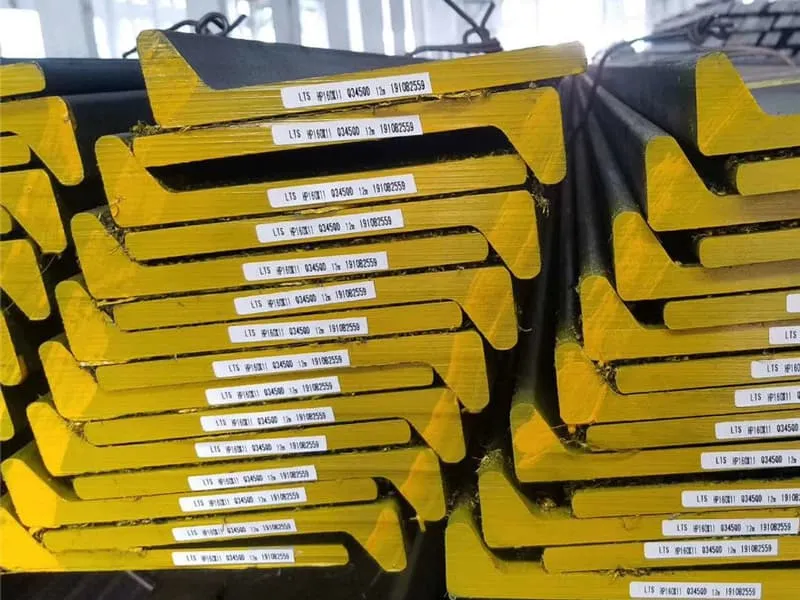
The Engineering Logic Behind the Bulb
A bulb flat looks like a flat bar with a rounded bulb along one edge. This simple design is a masterpiece of marine engineering. Its main job is to be a stiffener.
Primary Uses in Marine Construction
- Ship Hull Stiffening: This is the most common use. Bulb flats are welded vertically (as frames) or horizontally (as stringers) to the inner side of the ship’s hull plating. They turn a large, flexible steel plate into a rigid, strong panel that can withstand the constant pressure of the sea, waves, and the ship’s own cargo loads. The bulb provides extra sectional modulus (a measure of bending resistance) right where it’s needed most – at the edge away from the plate.
- Deck Beams: On decks, bulb flats provide support for the deck plating, carrying cargo weight and equipment loads. They are often used in conjunction with larger primary support structures.
- Bulkhead Stiffeners: Walls inside a ship (bulkheads) also need to be strong. Bulb flats are welded to them to prevent buckling under pressure, especially in watertight compartments.
- Offshore Platform Legs and Jackets: In fixed platforms, bulb flats are used as bracing members and stiffeners on large-diameter legs. They add strength without adding excessive weight.
- Foundations and Supports: For heavy machinery inside a ship or on a platform, bulb flats can be used to build strong, welded support frames.
Why Not Just Use a Heavier Flat Bar or an Angle?
This is the critical cost-saving question. Designers choose bulb flats because they are weight-efficient. The bulb puts more material away from the center, which greatly increases its moment of inertia (its resistance to bending) without adding a lot of weight or width.
- Compared to a flat bar of the same weight, a bulb flat is much stiffer.
- Compared to an angle bar, a bulb flat often has a cleaner connection to the plate (single weld line vs. two) and can provide better performance in certain loading conditions.
This efficiency translates directly into cost savings for the shipowner: less steel weight means more cargo capacity or better fuel efficiency.
How This Knowledge Helps You Reduce Bulk Purchase Cost
When you understand the application, you can work smarter:
- Right-Sizing: Review the technical drawings. Are you ordering the exact profile (like HP 100×7) specified? Can a different standard profile with similar properties be used? Sometimes, a small change in the bulb series can mean a big difference in mill availability and price.
- Grade Optimization: Is every stiffener on the ship made from DH36? Perhaps some areas with lower stress can use a lower grade like AH32 or even A-grade steel. Mixing grades in a bulk order based on application can save money.
- Length Optimization: Bulb flats are often supplied in 12m or 12.5m lengths. If your design uses many 6m pieces, you are paying for cutting and creating waste. Can the design be adjusted to use full-length pieces? Or, can you order pre-cut lengths from the mill to minimize on-site waste? Coordinating this with your supplier can reduce your total material tonnage needed.
Knowing the "why" makes you a better buyer. You can have a technical conversation with your supplier about alternatives. For example, when Gulf Metal Solutions was planning their order, we discussed the specific vessels they were supplying. We checked if the profiles were readily available in our mill partners’ standard production runs, which is always cheaper than a custom rolling.
Which is better, CR or HR?
Asking which is "better" is the wrong question for a bulk buyer. The right question is: "Which is more suitable and cost-effective for my specific application?" The blind pursuit of a supposedly "better" material is a major source of wasted budget.
There is no universal "better" between cold-rolled (CR) and hot-rolled (HR) steel. HR is better for structural components like bulb flats, offering high strength, good toughness, and lower cost. CR is better for applications needing precise dimensions, a smooth surface finish, or enhanced formability in thin sheets.
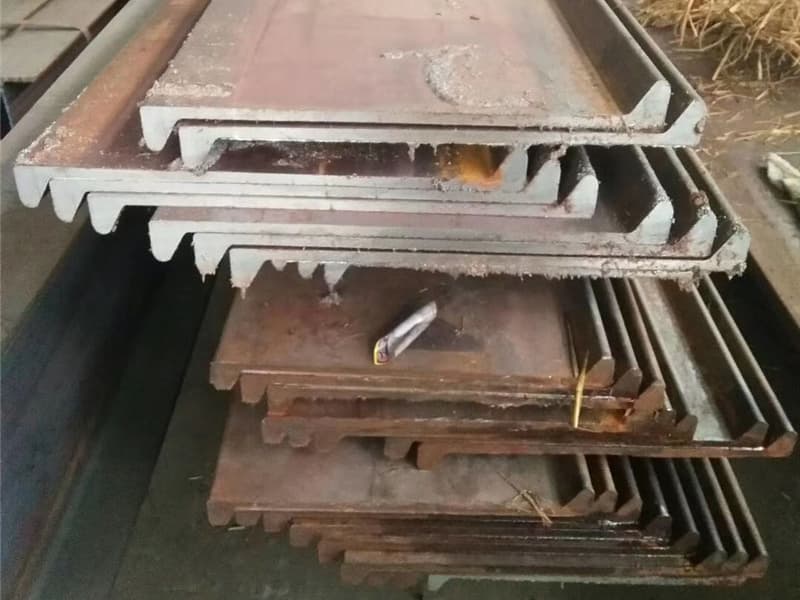
A Detailed Comparison for Informed Decision-Making
You need to compare them across several properties that matter for your final product. Let’s break down the common perceptions.
Surface Finish and Appearance
- Hot-Rolled Steel: Has a characteristic dark, rough surface called mill scale. It is formed when the hot steel reacts with air. For structural work, this scale is often removed by blasting before painting. The look is not "pretty," but it is functional.
- Cold-Rolled Steel: Has a smooth, shiny, and often oily feel. It is very attractive for visible products like appliances, automotive panels, or metal furniture.
Verdict for Bulb Flats: Surface appearance is irrelevant. The steel will be painted or coated. HR’s mill scale is not a disadvantage.
Dimensional Accuracy and Tolerances
- Hot-Rolled Steel: Tolerances are wider. The final shape can have slight variations in thickness, width, and straightness because the steel shrinks as it cools. For shipbuilding, these tolerances (covered by standards like ASTM A6) are perfectly acceptable.
- Cold-Rolled Steel: Tolerances are much tighter. Thickness can be controlled to within fractions of a millimeter. This is critical for manufacturing parts that must fit together precisely, like in a car door.
Verdict for Bulb Flats: The standard hot-rolled tolerances are more than adequate. Paying for CR-level precision on a 12-meter-long hull stiffener is unnecessary cost.
Mechanical Properties
- Hot-Rolled Steel: It has good ductility and toughness. For marine grades, its impact toughness at low temperatures (the A, D, E, F grades) is its key property. The yield strength is achieved through chemistry and the hot-rolling process itself.
- Cold-Rolled Steel: The cold working process increases yield strength and hardness through "strain hardening." However, it can reduce ductility (make it more brittle). For structural purposes, you usually don’t want this kind of brittle strength.
Verdict for Bulb Flats: The controlled, notch-tough properties of hot-rolled marine steel (AH36, DH36) are exactly what you need for a safe, durable ship. The increased but brittle strength of CR is not desirable.
Formability and Weldability
- Hot-Rolled Steel: Very good for welding and heavy forming while hot. The microstructure is uniform.
- Cold-Rolled Steel: Excellent for light, precise forming (like bending, drawing) at room temperature. Welding can be trickier because the cold-worked area near the weld can have altered properties.
Verdict for Bulb Flats: Bulb flats are welded extensively. HR steel is proven, predictable, and easier to weld in shipyard conditions.
Here is a decisive table for structural bulk buying:
| Property / Need | Hot-Rolled (HR) Steel | Cold-Rolled (CR) Steel | Winner for Bulb Flats |
|---|---|---|---|
| Cost per Ton | Lower | Higher | HR |
| Suitability for Sections | Excellent, primary method | Poor, very rare & costly | HR |
| Surface for Painting | Good after blasting | Excellent | Tie (HR is good enough) |
| Dimensional Tolerance | Good for structures | Excellent for precision | HR (meets all standards) |
| Marine-Grade Toughness | Excellent (A/D/E/F grades) | Not typically available in grades | HR |
| Weldability | Excellent | Can be problematic | HR |
| Best For | Ships, buildings, bridges, frames. | Appliances, automotive panels, furniture, precise parts. | HR |
The bottom line: For purchasing bulb flats in bulk, hot-rolled is definitively the better choice. It is not a compromise; it is the optimal material designed for the job. Choosing CR for a structural application would be a technical error and a financial mistake. Your goal is not the "best" steel in a lab, but the most fit-for-purpose steel on the balance sheet.
Is flat bar cheaper than plate?
At first glance, a flat bar seems like a simpler product than a plate, so it should be cheaper. This logic is tempting but often wrong, especially when you consider what you are actually trying to build.
Yes, per kilogram, flat bar is generally cheaper than steel plate of the same grade and thickness. However, this direct comparison is misleading. A bulb flat, which is a formed section, has different production costs. More importantly, using a flat bar instead of a bulb flat for stiffening is structurally inefficient and will increase your total material weight and cost.
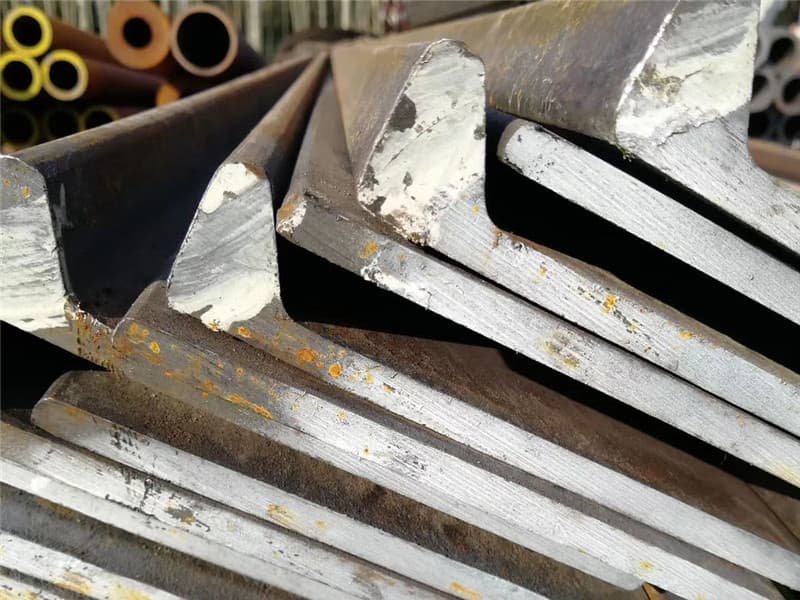
Analyzing the True Cost of Material Forms
You must compare the cost per function, not just cost per kilogram. Let’s examine the economics of each product form.
The Production Cost Perspective
- Steel Plate1: Produced in wide sheets or coils from a slab. It undergoes controlled rolling and cooling. For thick, high-grade marine plates, the process is complex to ensure through-thickness properties.
- Flat Bar2: Can be produced by shearing it from a wider plate (which involves waste) or by rolling it directly as a narrow strip. The process is generally simpler than producing a heavy, wide plate, leading to a lower base cost per unit weight.
- Bulb Flat3: This is a rolled structural section. It requires special rolls in the mill to form the bulb profile. The setup and rolling process are specialized, which adds some cost compared to rolling a simple flat bar of the same weight.
So, in raw material form: Flat Bar2 (cheapest) < Bulb Flat3 < Plate (most expensive per kg).
The Engineering Efficiency4 Perspective
This is where the simple price comparison fails. Structural design is about achieving strength with minimal weight.
- A Flat Bar2's Strength comes mainly from its thickness. To make it stiffer, you must make it thicker or wider, which adds weight quickly.
- A Bulb Flat3's Strength comes from its shape. The bulb puts mass far from the center, making it incredibly efficient in bending. A small, lightweight bulb flat can be as stiff as a much heavier and wider flat bar.
Let's do a simplified example. Imagine you need a stiffener with a certain bending resistance.
- Option A: Use a flat bar that is 150mm wide and 10mm thick. It weighs about 11.78 kg/m.
- Option B: Use a bulb flat (e.g., HP 100×7). It weighs about 8.16 kg/m.
The bulb flat is about 30% lighter but provides similar or better stiffness. Even if the bulb flat costs 10% more per kilogram, the total cost for the required length is lower because you use fewer kilograms.
The Total Project Cost Perspective
Using the wrong material creates hidden costs:
- Fabrication Cost5: Welding a heavier flat bar takes more weld material and time. Handling heavier pieces requires more labor or equipment.
- Transportation Cost6: You are shipping more tons of steel if you use the less efficient flat bar.
- End-Product Penalty: In a ship, extra weight is a permanent penalty. It reduces cargo capacity or increases fuel consumption for the life of the vessel. This "operational cost" far outweighs any small savings on the initial steel purchase.
Here is a table showing the real trade-off:
| Comparison | Mild Steel Flat Bar2 (e.g., 150×10) | Marine Bulb Flat3 (e.g., HP 100×7) |
|---|---|---|
| Approx. Weight | 11.78 kg/m | 8.16 kg/m |
| Relative Stiffness | Baseline | Equal or better |
| Material Cost per Meter | Lower (cheaper per kg) | May be higher per kg, but lower per meter due to less weight? |
| Total Material Cost for Project | Potentially HIGHER. You need more kilograms to do the same job. | Potentially LOWER. You use fewer, more efficient kilograms. |
| Fabrication & Handling Cost | Higher (heavier, more weld metal) | Lower |
| Long-Term Operational Cost7 | Higher (adds dead weight to vessel) | Lower (optimized weight) |
| Best For | Simple brackets, non-critical supports, where shape doesn't matter. | Efficient hull stiffening, frames, and primary structures. |
Final advice: Do not try to save money by substituting flat bars for designed bulb flats. The naval architect chose a bulb flat for a reason. The real cost-saving opportunity is to ensure you are buying the correct bulb flat profile in the most cost-effective way (hot-rolled, right grade, bulk quantity). If you are fabricating a non-critical item where a flat bar is suitable, then yes, choose the flat bar for its lower cost. But for the primary use of bulb flats, the bulb flat itself is the cost-optimized solution.
Conclusion
Reducing bulk steel cost is a strategic exercise. Focus on the total landed cost, choose the right material (hot-rolled for structures), understand the application to avoid over-specifying, and partner with a supplier who helps you optimize the whole process.
-
Learn about the manufacturing process and applications of Steel Plate to appreciate its value in various projects. ↩
-
Explore the benefits of Flat Bar in construction to understand its cost-effectiveness and applications. ↩ ↩ ↩ ↩
-
Discover the unique properties of Bulb Flat and its importance in marine engineering for efficient designs. ↩ ↩ ↩ ↩
-
Explore how engineering efficiency can lead to better material choices and cost savings in construction projects. ↩
-
Learn about the factors that influence fabrication costs to optimize your project budget. ↩
-
Understanding transportation costs can help you plan better and reduce overall project expenses. ↩
-
Explore the concept of operational costs to understand their significance in long-term project planning. ↩