
You need to buy a large quantity of marine angle steel. You know the price per ton matters, but you also know there must be hidden costs. Finding the real savings is not easy, and a wrong decision can cost your project time and money.
Real cost reduction in bulk marine steel buying comes from a total strategy, not just price negotiation. Focus on optimizing specifications, streamlining logistics, building strong supplier partnerships, and minimizing waste. Smart planning in these areas delivers more savings than simply finding the cheapest quote.
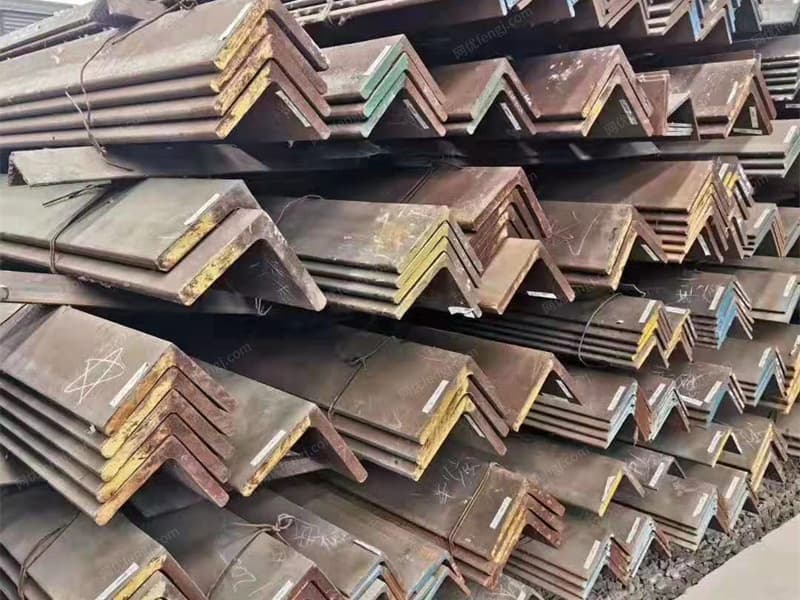
I talk to bulk buyers every day. Many start by asking for the lowest possible price. But the smartest ones, like our client Gulf Metal Solutions, learn that true value is about more than the number on the invoice. Let me share the practical methods that work, and clarify some common cost questions that often confuse buyers.
How much does structural steel fabrication cost per ton?
If you search online for this, you will get many different numbers. This is because "fabrication cost" is not a single item. It is a mix of material, labor, and overhead costs. The final price depends completely on what you are making and where you make it.
There is no standard global price per ton for structural steel fabrication. The total cost combines the price of raw steel, cutting and welding labor, shop overhead, and profit margin. For marine-grade fabrication1, costs are higher due to stricter welding standards and required certifications.

Understanding What You Are Really Paying For
To control fabrication costs2, you must first understand what makes up the final price. Think of it as a recipe with several ingredients. The cost of each ingredient changes based on your choices.
The Main Ingredients in a Fabrication Quote
A good fabricator will provide a breakdown. If they do not, you should ask for one. Here is what that breakdown usually includes.
| Cost Category | What It Covers | Why It Matters for Marine Projects |
|---|---|---|
| Material Cost | This is the price of the steel profiles and plates you use. It is usually the largest part of the total cost. | For marine work, you need certified steel (like AH36). This material costs more than regular construction steel. Buying it yourself in bulk can reduce this cost significantly. |
| Labor Cost | This pays for the workers who cut, weld, fit, and paint the steel. It is calculated based on hours worked. | Marine fabrication requires certified welders and more careful inspection. This skilled labor costs more per hour than general welding work. |
| Equipment & Consumables | This includes costs for welding machines, cutting gas, electricity, welding rods, and paint. It also covers machine maintenance. | Using automated cutting machines for large batches can lower this cost per piece. Special marine-grade paint adds to the cost. |
| Overhead & Profit | Overhead covers the factory rent, management salaries, and utilities. Profit is the fabricator’s earnings. | A larger, more efficient shop may have lower overhead costs per ton of steel processed. They might also accept a lower profit margin for a large, steady order. |
Practical Ways to Reduce Your Fabrication Expenses
You have more control over these costs than you might think. Your actions during the planning stage make a big difference.
-
Provide Perfect Drawings: Clear and complete engineering drawings are your best tool for cost control. A drawing with all dimensions, weld details, and notes eliminates guesswork for the fabricator. When the fabricator does not have to guess, they do not need to add extra money to cover their risk.
-
Standardize Your Designs: Look at your project. Can you use the same size of angle steel and the same type of connection in many places? Standardization allows the fabricator to set up their machines once and produce many identical parts quickly. This efficiency greatly reduces labor time and cost.
-
Consider a Split Procurement Strategy: This is a key method for bulk buyers. You purchase the raw marine angle steel directly from a mill supplier like us. Then you send that steel to a fabrication shop for cutting and welding. This approach gives you several advantages. You control the quality and cost of the raw material. You can shop for fabrication labor separately, often getting better rates. Many of our large project contractor clients use this method successfully.
-
Compare Detailed Quotes, Not Just Totals: Always ask fabricators to separate their quotes into material cost and labor/processing cost. This lets you make a fair comparison. One shop might have a low labor rate but a high markup on materials. Another might have fair material pricing but higher labor costs. Seeing the breakdown helps you choose the best overall value.
From my experience, clients who use these strategies often reduce their total project cost by 10% or more. They stop looking for one cheap price and start building an efficient process. They use us as their reliable source for bulk marine steel. Then they manage the fabrication step with clear instructions and competitive bidding. This focused approach saves real money.
What is a cheap alternative to steel?
Budget pressure makes people look for cheaper materials. In marine construction, this search can be dangerous. Using the wrong material to save money upfront often leads to massive repair bills and safety issues later.
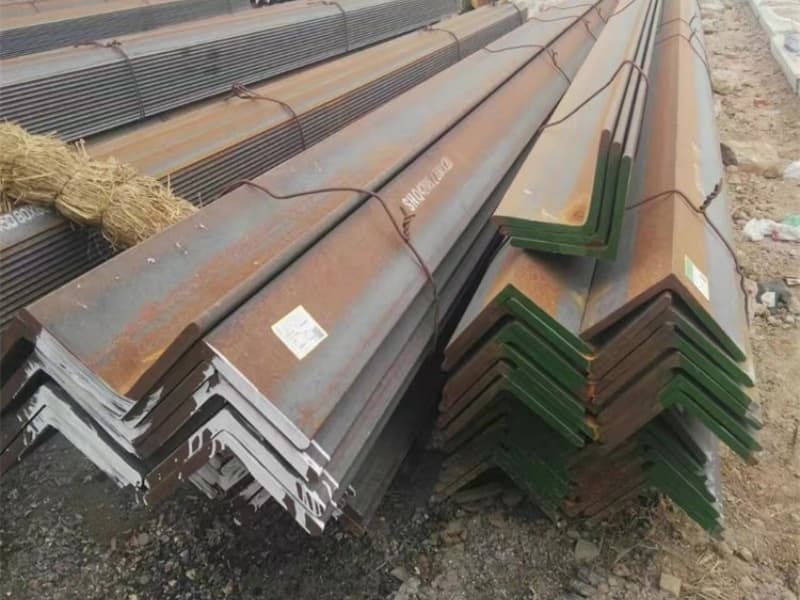
For primary hull structures in ships and offshore platforms, there is no safe and cheap direct replacement for certified marine steel1. Other materials like aluminum or regular carbon steel may have a lower initial price. However, they do not offer the same combination of strength, toughness, and corrosion resistance needed for long-term marine service.
Why "Cheaper" Materials End Up Costing More
Let’s look at some common alternatives people consider. We need to think about the entire life of a vessel, which can be 25 years or more.
Evaluating Common Substitute Materials
Each material has strengths, but they are not direct swaps for structural marine angle steel.
| Material | Upfront Cost Comparison | Advantages | Major Disadvantages for Marine Structures | The Reality for Buyers |
|---|---|---|---|---|
| Aluminum Alloys2 | More expensive per kilogram. | Lightweight, resists corrosion well. | Much weaker than steel, harder to weld, very high cost, poor fire performance. | Used only in specific areas like ship superstructures where weight savings are critical. Not for hull frames. |
| Fiberglass (GRP)3 | Cost varies by design. | Does not corrode, low maintenance. | Not stiff enough for large structures, can burn, difficult to repair, strength fades over time. | Good for small boat hulls. Completely unsuitable for the structural skeleton of a cargo ship or tanker. |
| Ordinary Carbon Steel4 (e.g., A36) | Lower cost per ton. | Easy to find and easy to work with. | Will rust very quickly in seawater without constant, expensive protection. | This is the most risky "cost-saving" choice. The cost of repeated sandblasting and repainting over the vessel’s life will far exceed the initial savings. It also risks catastrophic failure. |
The Smart Path: Use Marine Steel More Efficiently
Instead of looking for a different material, look for ways to use the right material better. This is where experienced buyers find real savings.
-
Use the Correct Grade (Not the Highest Grade): Talk with your project engineer. Do all parts of the structure need the highest-grade steel like DH36? Perhaps some internal, non-critical supports can use a standard marine grade like AH32. This "right-spec’ing" can save money. But you must never downgrade without proper engineering approval. The goal is to avoid over-specifying, not to under-specify.
-
Optimize the Structural Design: Work with designers who use modern software. This software can model stresses and find the most efficient shapes. Using optimized profiles can reduce the total weight of steel needed without losing strength. This directly lowers your material cost.
-
Eliminate Waste at the Source: Material waste is a huge hidden cost. You can fight waste in several ways. Order precise lengths from your supplier if possible. Provide your fabricator with optimized cutting plans that arrange parts to use the whole piece of steel. Some suppliers, including us, offer OEM cutting services. We can deliver angle steel cut to your exact sizes, so your workshop produces almost zero scrap.
-
Think About Total Lifetime Cost: Consider a 20-year timeline. Quality marine-grade steel with a good coating system lasts for decades with standard maintenance. If you choose a "cheaper" material that corrodes or degrades quickly, you will face major replacement costs long before the ship’s life is over. The cheap choice becomes the expensive choice.
I remember a shipyard in Southeast Asia. They wanted to save money on a barge repair. They bought cheaper, non-classed steel instead of proper marine plate. In less than 18 months, the repaired section was riddled with corrosion. They had to do the job again, paying for labor and new steel twice, plus losing the barge’s income. Now they understand. There is no cheap alternative to the right steel.
What is the cheapest way to make steel?
This is a basic industry question. The answer helps explain why steel prices vary. But for a buyer, the "cheapest" steel to make is usually the steel you do not want. It lacks the properties your project needs.
The lowest-cost method for mass-producing steel is the Basic Oxygen Furnace (BOF) using iron ore, or the Electric Arc Furnace (EAF) using recycled scrap. However, producing basic steel is much cheaper than producing high-performance marine-grade steel. Marine steel requires expensive extra steps like alloying and controlled rolling to achieve its required strength and toughness.
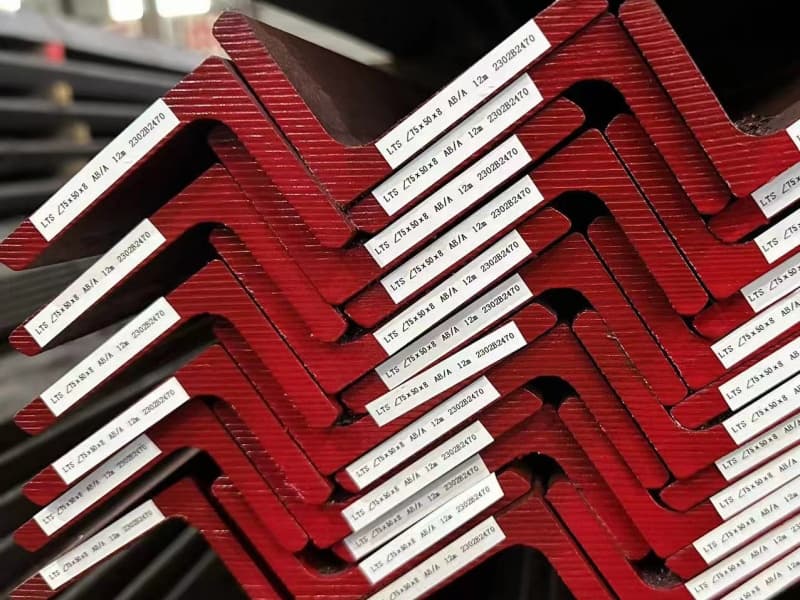
From Raw Materials to High-Performance Steel
Making steel is a complex process. Each stage adds cost but also adds specific qualities to the final product. Cheaper processes skip some of these quality-adding stages.
The Two Primary Production Paths
Most of the world’s steel comes from one of these two methods. The choice affects cost and consistency.
| Production Method | Main Inputs | Typical Use & Output | Impact on Cost and Quality |
|---|---|---|---|
| Basic Oxygen Furnace (BOF) | Mostly iron ore (about 75-80%), with some scrap steel. | Used by large integrated mills. Excellent for making huge batches of steel with very consistent chemistry. | Often has a lower raw material cost for mills with their own iron ore mines. It produces very clean steel ideal for critical applications like marine plates. |
| Electric Arc Furnace (EAF) | Primarily recycled steel scrap (over 90%). | Used by "mini-mills." Very flexible for making smaller batches of products like rebar, beams, and angles. | Can have lower energy and setup costs. The final quality depends heavily on the quality of the scrap metal used. Achieving high purity needs careful sorting and processing. |
The Extra Steps That Make Marine Steel Cost More
Turning basic steel into marine-grade steel involves additional, expensive processing. You pay for these steps because you need the results they provide.
-
Precise Alloying (Secondary Metallurgy): After the initial furnace, the molten steel goes to a secondary station. Here, technicians add exact amounts of elements like niobium, vanadium, and titanium. This creates High-Strength Low-Alloy (HSLA) steel. This step is costly but is what turns ordinary steel into grades like AH32 or DH36.
-
Controlled Rolling (TMCP) and Heat Treatment: The hot steel slab is rolled into its final shape. For marine grades, this rolling is carefully controlled within specific temperature ranges. This is called Thermomechanical Controlled Processing (TMCP). Sometimes the steel is also Quenched and Tempered (Q&T). These processes refine the steel’s internal grain structure. They give the steel high strength and good impact resistance at low temperatures. This specialized processing adds significant cost.
-
Rigorous Testing and Documentation: Every single batch of marine steel is tested. Mills perform tests to measure tensile strength, yield strength, and impact toughness. They issue an official Mill Test Certificate (MTC) that travels with the steel. The cost of this quality assurance system is included in the price you pay.
At cnmarinesteel.com, we partner with large, certified mills that use the BOF route and have advanced TMCP lines. This ensures our marine steel has stable, reliable properties. Some traders may source from smaller EAF mills that cannot consistently provide the same level of controlled processing or traceability. Their price might be lower, but the technical risk to your project is much higher. The cheapest way to make steel does not produce the steel that keeps a ship safe at sea.
How much is low alloy steel per kg?
Looking for a simple price per kilogram online will leave you confused. Market prices change daily. More importantly, "low alloy steel" describes a wide range of materials. The price for a common grade is very different from the price for a specialized marine grade.
The price per kilogram for low alloy steel varies widely based on the specific grade, order volume, and market conditions. Common structural grades like ASTM A572 may cost between $0.70 and $1.00 per kg for bulk orders. Marine-grade low alloy steels (e.g., ABS AH36) are more expensive, typically ranging from $0.90 to $1.30+ per kg, due to stricter production controls and mandatory certification.
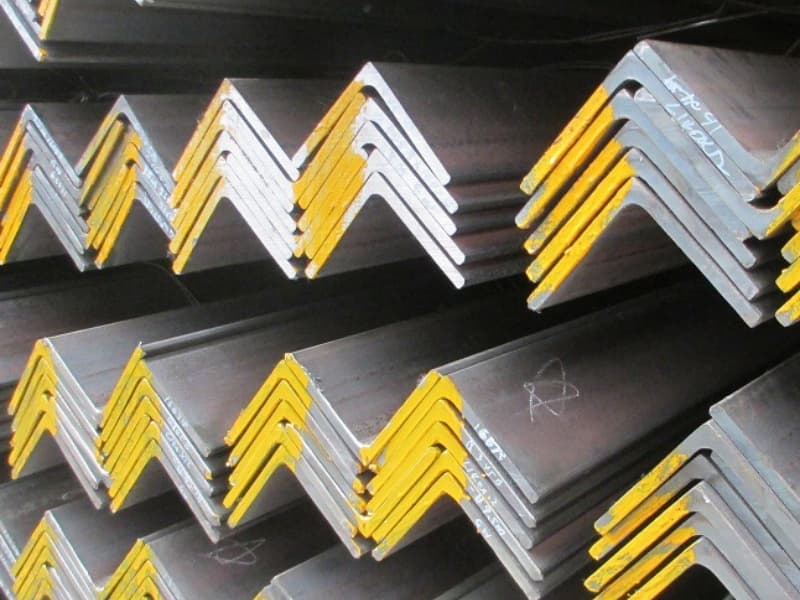
The Factors That Determine Your Final Price
You cannot control the global market, but you can understand what influences your specific quote. This knowledge helps you budget accurately and negotiate effectively.
Four Key Elements That Shape the Quote
When we prepare a quote for a client, we analyze all these factors.
| Factor | How It Influences Price | Action You Can Take |
|---|---|---|
| 1. Grade and Specifications | This is the most important factor. AH36 costs more than SS400. Thicker or unusual dimensions can cost more due to rolling complexity. | Be certain of the exact grade you need. Confirm all dimensions (leg size, thickness, length). Clarity prevents costly mistakes. |
| 2. Purchase Volume (MOQ) | Factories offer their best prices for large volumes that use full production runs. Buying a full container load is cheaper per kg than buying a small pallet. | Plan your procurement to consolidate needs. Work with suppliers who offer flexible MOQ, allowing you to order cost-effectively even for smaller projects. |
| 3. Raw Material Market Prices | The costs of iron ore, scrap metal, coal, and energy set a global base price for all steel. These prices fluctuate daily. | Understand that quotes are time-sensitive (usually valid 7-30 days). Lock in a price when you are ready to order to avoid market increases. |
| 4. Logistics and Trade Terms | The chosen Incoterm adds layers of cost. EXW price is at the factory. FOB adds port charges. CIF adds ocean freight. Your local import duties are extra. | Calculate the Total Landed Cost. A slightly higher FOB price with cheaper shipping to your port may result in a lower total cost than a low FOB price with expensive freight. |
How to Secure the Best Value Price
Getting a good price is about more than asking for a discount. It is about becoming the kind of buyer suppliers want to work with.
-
Be a Professional Buyer: Send a detailed, clear Request for Quotation (RFQ). A professional RFQ shows you are serious and knowledgeable. Suppliers put more effort into quotes they believe will become real orders. A vague email often gets a higher price to cover the supplier’s perceived risk.
-
Aim for a Partnership, Not a Transaction: The best prices go to reliable, long-term clients. When a supplier like us sees a buyer with repeat business potential, we are motivated to offer a competitive factory price. We did this for Gulf Metal Solutions. Their professional approach showed us they were a partner for the long term.
-
Compare Total Landed Cost, Not Just Unit Price: Do not just compare the FOB $/kg from Supplier A and Supplier B. Ask for estimated shipping costs to your port. Add insurance and your estimated customs duties. The supplier with the best total delivered cost is offering the best value.
-
Evaluate Value-Added Services: Sometimes paying a little more per kg brings much larger savings. For example, our optional SGS inspection service has a cost. But it guarantees the quality before shipment, preventing the enormous expense of rejecting a bad shipment later. Our precise cutting service might add a fee, but it can save you more money by reducing your own fabrication waste.
There is no magic number or secret list. The final price per kg is a balance of market forces, your specifications, your order size, and the relationship you build. Our commitment is to offer bulk buyers a fair, transparent price that reflects the quality of our steel and the reliability of our service. This certainty is worth more than a slightly lower number from an unpredictable source.
Conclusion
True cost savings in bulk marine steel come from intelligent planning and strong partnerships. Optimize your design, manage your supply chain wisely, and choose reliability over the lowest bid.
-
Explore the advantages of marine steel, which is crucial for ensuring safety and durability in marine construction. ↩ ↩
-
Learn about aluminum alloys’ strengths and weaknesses to make informed decisions for your marine projects. ↩ ↩
-
Understand the drawbacks of fiberglass to avoid costly mistakes in marine construction. ↩
-
Discover the risks associated with using ordinary carbon steel in marine environments to protect your investments. ↩