
leading paragraph:
You order bulb flat steel. The freight cost is almost as high as the steel itself. Your profit disappears.
snippet paragraph:
You can reduce logistics cost by packing tightly, loading correctly, combining with other steel, and choosing the right port. These four steps cut your freight bill by 15 to 30 percent.
Transition Paragraph:
I am Zora Guo from cnmarinesteel.com. I ship bulb flat steel to shipyards in Saudi Arabia, Vietnam, and the Philippines every month. I learned how to save money on freight. Let me share my tips.
Choose the Right Packing Method to Maximize Container Space?
leading paragraph:
You put bulb flat steel1 in a container. It moves around. You waste space. You pay for air.
snippet paragraph:
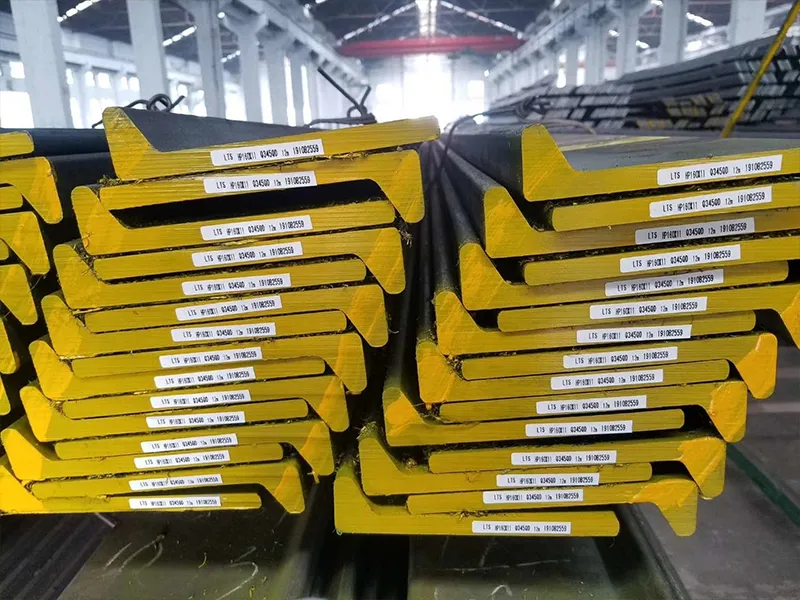
Use layered packing with steel bands. Stack the bulb flat steel in tight rows. Fill every gap. A well-packed container holds 20 to 25 percent more steel.
[^2] of bulb flat steel inside a 20ft container](https://cnmarinesteel.com/wp-content/uploads/2026/01/Flat-steel-ball128.webp)
Dive deeper Paragraph:
Packing is the first place to save money. Many suppliers just throw the steel in. That is a mistake. Let me show you the right way.
The problem with bad packing
Bulb flat steel has a unique shape. It looks like a flat bar with a bulb on one end. That bulb makes the steel unstable. If you put it loosely, the steel rolls. It wastes space. It also damages the edges. Then your customer complains.
I saw this happen with a buyer in Malaysia. His previous supplier sent two containers of bulb flat steel. The steel was packed badly. One container only held 18 tons. The other held 20 tons. But a good pack can hold 25 tons in the same container. He paid for two containers but got the steel of 1.5 containers.
The right packing method
At my warehouse in Liaocheng, we use a standard method. First, we cut the steel to the customer’s length. Most buyers want 6m, 8m, or 12m lengths. We then group the steel by size.
We lay the first layer flat. The bulb side faces down. We put steel spacers between each piece. Then we add a second layer. The bulb side faces up this time. The bulbs fit into the gaps of the layer below. This locks the steel in place.
We use steel straps2 every 1.5 meters. Three straps for a 6m length. Four straps for a 8m length. Five straps for a 12m length. The straps go around the whole bundle. Then we add corner protectors. The straps do not cut into the steel.
Packing comparison table
| Packing Method | Space usage | Steel movement | Damage risk | Typical tons per 20ft container |
|---|---|---|---|---|
| Loose, no strapping | 60% | High | High | 18 tons |
| Strapped but no layering | 70% | Medium | Medium | 20 tons |
| Layered + strapped + spacers | 85% | Low | Low | 24-26 tons |
| Custom wooden frames | 90% | None | Very low | 25-27 tons |
What about wooden frames?
For very long lengths or fragile coatings, we use wooden frames. The steel sits in a custom cradle. The cradle is bolted to the container floor. This is the best method, but it costs extra. The wood adds weight and cost. I only recommend this for high-value orders or very long lengths (over 12m).
My advice
Always ask your supplier for packing photos3 before shipment. I send my customers photos of every container. You can see how the steel is stacked. You can count the straps. If the packing looks loose, ask them to repack. A few hours of repacking saves you hundreds of dollars in freight.
One more tip: use 20ft containers4 instead of 40ft for bulb flat steel. The shorter container makes it easier to pack tightly. The steel does not slide as much. I ship 80 percent of my bulb flat steel in 20ft containers.
Optimize Loading and Stacking for Bulb Flat Steel Shapes?
leading paragraph:
You pack well. But the steel still shifts during shipping. It arrives bent. You pay for replacement.
snippet paragraph:
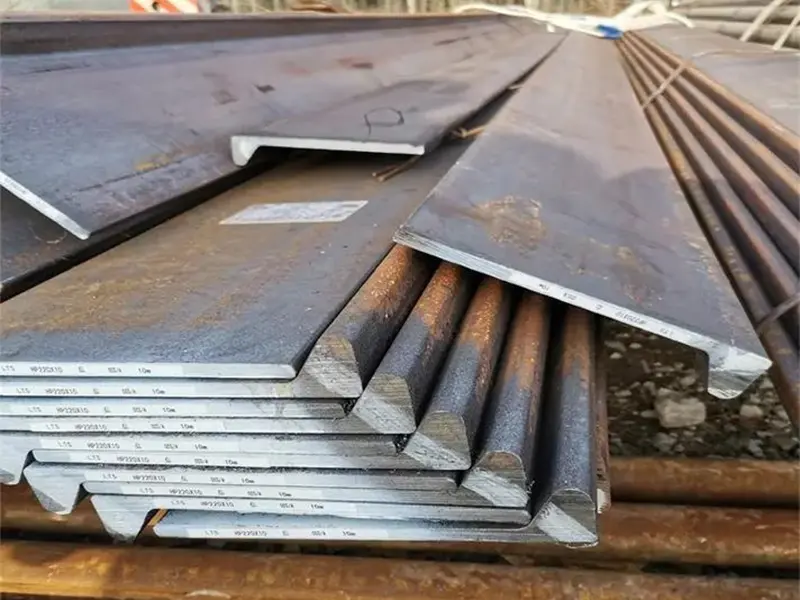
Loading means placing the steel bundle in the container correctly.1 Stacking means arranging multiple bundles.5 Balance the weight.2 Lock the bundles. No movement.
Dive deeper Paragraph:
Packing is about the bundle. Loading is about the container. Many people mix them up. Let me separate them.
Loading rules for a single container
When you put the steel bundle inside the container, you need to consider the center of gravity. Put the heaviest bundle in the middle. Put lighter bundles at the front and back. This balances the weight on the truck chassis. An unbalanced container is dangerous. The truck can tip.
Also, leave a small gap at the front of the container. About 10cm. This gap lets you insert a wooden block. The block stops the steel from sliding forward during braking. At the back, you put another block. Then you close the doors. The doors press against the block. Everything is tight.
Stacking multiple containers
For a large order, you might have 5 or 10 containers. Do not load them all the same way. Spread the heavy bundles across all containers. Do not put all the heavy steel in one container and all the light steel in another. That makes some containers overweight. The shipping line will reject them.
Each 20ft container has a maximum weight. Usually 28 tons total including the container itself. The container weighs about 2.5 tons. So your steel cannot exceed 25.5 tons. I aim for 24 to 25 tons per container. That leaves a safety margin.
Loading checklist
| Step | Action | Why it matters |
|---|---|---|
| 1 | Check container floor for damage | A broken floor cannot hold heavy steel |
| 2 | Place wooden dunnage on floor | Lifts steel off the floor, prevents moisture |
| 3 | Load heaviest bundle in center | Balances weight |
| 4 | Insert front blocking block | Prevents forward movement |
| 5 | Load remaining bundles | Fill from back to front |
| 6 | Add side blocking (wood or air bags) | Prevents side movement |
| 7 | Insert rear blocking block | Prevents backward movement |
| 8 | Close and seal doors | Secure the load |
What are air bags?
Air bags are big plastic bags that you inflate inside the container.3 You put them between bundles or between the bundle and the wall. When you inflate them, they fill the empty space. They push against the steel. No movement. Air bags are cheap. Each bag costs $2 to $5. I use them for all my bulb flat steel shipments.
A real example
I shipped 120 tons of bulb flat steel to a customer in the Philippines. The order filled five 20ft containers. I used air bags in every container. The customer sent me a photo after opening the doors. The steel had not moved one centimeter. He said it was the best loading he had ever seen.
That customer now orders from me every quarter. He knows I care about how the steel arrives. Not just the price.
Common loading mistakes
- Putting steel directly on the container floor. The floor can get wet. The steel rusts. Use dunnage.
- Forgetting to put blocking at both ends. The steel will slide during ship movement.
- Overloading a container.4 The shipping line will charge a fine or refuse loading.
- Using plastic straps instead of steel. Plastic stretches. Steel straps hold tight.
I train my warehouse team on these rules every month. Loading is not hard. But you must do it right.
Combine Bulb Flat Steel with Other Marine Steel in One Shipment?
leading paragraph:
You need bulb flat steel1 for the hull. You also need angle steel and plate. You buy them separately. You pay two freight bills.
snippet paragraph:
Combine bulb flat steel with marine angle steel5, flat bar, or L-shaped steel in the same container. Fill the gaps with smaller pieces. One shipment, one freight cost2.
Dive deeper Paragraph:
This is my favorite cost-saving trick. Most buyers order each steel type separately. They get bulb flat from one supplier. Angle steel from another. Plate from a third. Each shipment has its own freight cost. That is expensive.
Why combine works
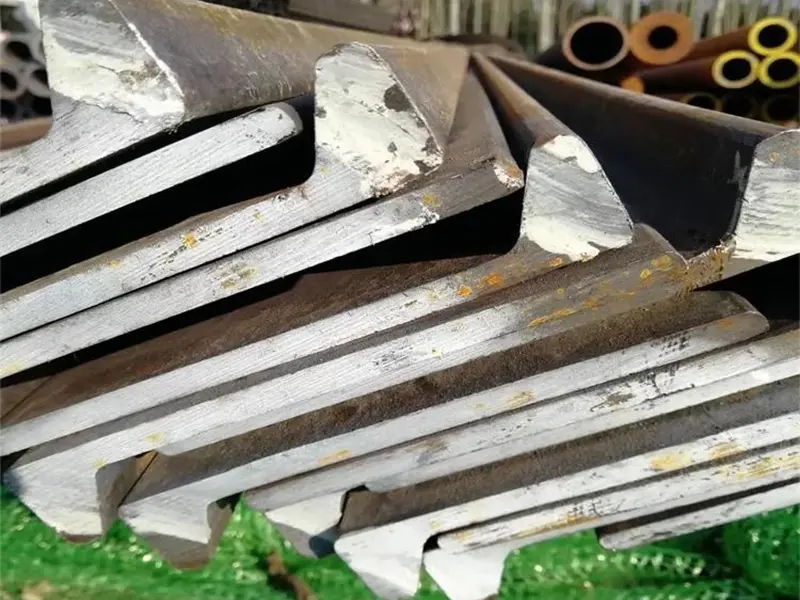
Bulb flat steel has a special shape. It is not square. When you pack it, there are gaps. You can fill those gaps with smaller steel products. Marine angle steel fits nicely into the curves. Flat bar slides into the straight gaps. L-shaped steel sits on top.
You also save on documentation3. One bill of lading instead of three. One customs clearance instead of three. One port fee instead of three. The savings add up.
What can you combine?
| Main product | Gap fillers | Best combination ratio |
|---|---|---|
| Bulb flat steel (size 160) | Marine angle steel (50×50) | 3:1 by weight |
| Bulb flat steel (size 200) | Flat bar (40x10mm) | 4:1 by weight |
| Bulb flat steel (size 120) | L-shaped steel (75×75) | 2:1 by weight |
How to plan a combined shipment4
First, list everything you need for your project. Write down the sizes and weights. Then talk to your supplier. Ask if they can source all the items. At cnmarinesteel.com, I supply bulb flat steel, marine angle steel, L-shaped section steel, and marine steel plate. I can get everything from my mills.
Second, calculate the container space. Start with the bulb flat steel. Pack it as I described earlier. Then measure the remaining gaps. Order smaller steel that fits those gaps. I can help you with this calculation.
Third, pack the heavy items first. The bulb flat steel goes at the bottom. The smaller steel goes on top or in the side gaps. Make sure nothing moves. Use air bags and straps.
A real example from my work
Gulf Metal Solutions in Saudi Arabia needed bulb flat steel and marine angle steel for a tanker project. At first, they wanted two separate shipments. I suggested combining. We put 20 tons of bulb flat steel (size 160) in a 20ft container. Then we filled the gaps with 6 tons of marine angle steel (size 65×65). Total 26 tons in one container.
The customer saved $800 in freight. He also saved $300 in port fees and documentation. That is $1,100 on one container. For a project with 10 containers, the saving was $11,000.
Potential problems and solutions
Some buyers worry about damage. They think smaller steel will scratch the bulb flat steel. That is a valid concern. Here is my solution: put a layer of plastic sheet or cardboard between different steel types. Also put rubber edge protectors on the corners. I do this for all combined shipments. No scratches.
Another problem: different steel grades. Marine steel has different grades (AH36, DH36, etc.). Keep same grades together. Do not mix AH36 with DH36 in the same bundle. The customer will have to sort them. That costs labor. I label each bundle with the grade and size. The label is waterproof and attached with steel wire.
My recommendation
Always ask your supplier if they can combine. Not all suppliers have multiple steel types. At my company, we do. I encourage customers to send me their full material list. I will quote everything together. One order. One shipment. One freight cost.
Select the Best Port and Shipping Line for Your Destination?
leading paragraph:
Your steel is ready. But the ship is delayed. Or the port is congested. Your project waits. You pay demurrage1.
snippet paragraph:
Choose a port close to your warehouse. Choose a shipping line5 with regular sailings. Avoid transshipment ports if possible. Direct routes cost less in the long run.
Dive deeper Paragraph:
This is the part that many buyers ignore. They let the supplier pick any port. That is a mistake. Port choice affects cost and time.
Port selection basics
From China, bulb flat steel ships to many ports. For the Middle East, common ports are Jebel Ali (Dubai), Dammam (Saudi Arabia), and Hamad (Qatar). For Southeast Asia, common ports are Tanjung Priok (Jakarta), Laem Chabang (Thailand), and Manila (Philippines).
Which port is best? It depends on your final destination. If your warehouse is in Riyadh, Dammam port is closer than Jebel Ali. The trucking cost from Dammam to Riyadh is lower. If your warehouse is in Manila, do not ship to Cebu. Ship directly to Manila.
Direct vs transshipment
Direct shipping means the vessel goes from China to your port without stopping. Transshipment means the cargo is unloaded at a hub port, then loaded onto another vessel. Transshipment takes longer. It also adds risk of damage.
For example, shipping from Qingdao to Jeddah can be direct. Some lines offer this. But shipping from Qingdao to Dammam often goes through Jebel Ali. That is transshipment. The cargo sits in Jebel Ali for 3 to 7 days. Then it goes to Dammam.
I prefer direct routes2. They cost a little more, but the time saving is worth it. My customers in Saudi Arabia prefer direct to Dammam. They pay a small premium but get the steel 10 days faster.
Shipping line comparison
| Shipping line | Route from Qingdao to Dammam | Transit time | Reliability | Cost index |
|---|---|---|---|---|
| MSC | Direct | 22 days | High | 100% |
| Maersk | Direct | 23 days | Very high | 105% |
| COSCO | Via Singapore (transship) | 28 days | Medium | 95% |
| ONE | Via Jebel Ali (transship) | 26 days | Medium | 92% |
| Regional lines | Various | 30+ days | Low | 85% |
How I help my customers
I have a logistics team. We check sailing schedules every week. We know which lines have space. We know which ports are congested. In 2024, Jebel Ali had congestion. I advised my customers to use direct to Dammam instead. They avoided 10-day delays.
I also negotiate freight rates. Because I ship volume (100+ containers per month), I get better rates. I pass some of that saving to my customers. When you buy from me, I give you a freight quote. You can compare it with your own forwarder. Often my rate is lower.
Hidden costs to watch
- Port handling fees: Each port charges a fee per container. Some ports are more expensive. For example, Jebel Ali fees are higher than Dammam.
- Demurrage: If you do not pick up your container quickly, the port charges daily fees. Choose a port near you. Pick up the same day the container arrives.
- Documentation fees: Some ports require special certificates. That costs time and money.
My advice
Do not let the supplier pick the port without asking you. Tell them your final delivery address. Ask for two or three port options. Compare the total cost (sea freight + trucking + port fees). Then choose. I always provide this comparison to my customers. It takes 30 minutes but saves hundreds of dollars.
One more thing: build a good relationship with a local freight forwarder3 at your port. They can handle customs quickly. They can arrange trucking. A good forwarder is worth their fee. I can recommend forwarders in Dammam, Jakarta, and Manila if you need.
Conclusion
Pack tight. Load balanced. Combine products. Pick the right port. These four steps cut your bulb flat steel shipping cost by 15 to 30 percent.
-
Learn about demurrage fees and strategies to avoid them, saving you significant costs in shipping. ↩ ↩ ↩ ↩
-
Understanding the advantages of direct routes can help you make informed shipping decisions and avoid delays. ↩ ↩ ↩ ↩
-
Find tips on selecting a freight forwarder who can streamline your shipping process and save you time. ↩ ↩ ↩ ↩
-
Learn how combined shipments can significantly reduce your shipping costs and improve efficiency. ↩ ↩ ↩
-
Explore this link to find reliable shipping lines that can save you time and money on your shipments. ↩ ↩ ↩