
How to Reduce Port Delays for Marine Steel Plate Shipments
Your vessel arrives on time. Then it waits. Days turn into weeks. Demurrage costs pile up. Your project schedule slips.
To reduce port delays for marine steel plate shipments, ensure all documentation is accurate and complete before the vessel arrives, pre‑coordinate berth booking and crane allocation, prepare cargo bundles with clear markings and easy‑access lifting points, and build contingency plans including demurrage caps and local agent support. These steps can cut port waiting time by 50‑70%.
I am Zora Guo from cnmarinesteel.com. I have shipped thousands of tons of steel plates to ports across Asia, the Middle East, and Europe. I have seen vessels wait 5‑10 days for a berth. I have seen customs holds add weeks. I have learned what works. Let me share practical steps to keep your steel moving.
What Documentation (Packing List, MTC, Bill of Lading) Must Be Perfect to Avoid Customs Holds?
Your steel arrives. Customs stops it. The reason? A missing heat number. A weight discrepancy. An incorrect HS code. Your steel sits at the port, accumulating storage fees.
Perfect documentation is your first line of defense. The packing list must match the bundle tags exactly – same bundle numbers, heat numbers, weights. Mill test certificates (MTCs) must show heat numbers that are stamped on every plate. The bill of lading must match the commercial invoice. Weight discrepancy must be within ±0.5%. Any mismatch triggers a customs hold. For steel plate imports, customs focuses on three things: material composition (does the chemistry match the declared grade?), weight (calculation vs. actual weighbridge), and HS code classification. Get these right, and your clearance takes days. Get them wrong, and you lose weeks.

Let me detail the critical documents and the most common errors.
The Critical Documents
Every steel plate shipment needs these documents:
- Packing list – Shows bundle numbers, thickness, grade, heat number range, quantity (pieces), and gross weight for each bundle.
- Commercial invoice – Shows value, HS code, incoterms, and consignee details.
- Mill test certificates (MTCs) – Show heat numbers, chemical composition, and mechanical properties (yield, tensile, Charpy) with class society stamp.
- Bill of lading – Proof of shipment. The gross weight must match the packing list.
- Certificate of origin – For tariff preference (e.g., China to Saudi Arabia under GCC).
The Three Hidden Pits That Cause Customs Holds
According to industry analysis, 90% of steel importers fail at three crucial stages – either losing 5% of their profits due to port storage fees, having their goods detained for three weeks due to material declaration discrepancies, or facing a 10% penalty.
Pit #1 – Material composition mismatches
You declare AH36 grade. The customs lab tests the steel. The chemistry is off. Customs holds the shipment for reinspection. This can take 3‑7 days and cost fines up to 10% of the goods’ value.
Solution: Require third‑party test reports (SGS, CTI) before shipping. Compare the results to the latest national standards. Do not rely solely on the supplier’s internal test.
Pit #2 – Weight discrepancies
The supplier declares 100 tons by calculation (weight per piece × number of pieces). The port weighbridge shows 102 tons – a 2% difference. Customs demands a re‑inspection. The delay costs 15 days and adds 80,000 yuan in port storage fees.
Solution: Keep the difference between calculated weight and actual weight within ±0.5%. Have an explanation of the discrepancy prepared in advance.
Pit #3 – Incorrect HS code classification
Using the wrong HS code, even by mistake, triggers a customs hold. If the classification error results in underpaid duties, the penalty can be 5‑10% of the goods’ value.
Solution: Apply for customs pre‑classification based on inspection reports. Do not rely on "experience" or the supplier’s suggested code.
Documentation Errors – The Number One Cause of Holds
Documentation errors are the single most common cause of customs clearance delays. Missing commercial invoices, mismatched quantities between invoice and packing list, wrong tariff codes, and incorrect consignee details are the top triggers.
What to check before the vessel departs:
- Do the packing list and the bill of lading show the same total weight?
- Are the heat numbers on the MTC stamped on the plates?
- Is the product description clear and specific (not "steel plates" but "AH36 marine steel plate, 12mm x 2m x 6m")?
- Is the HS code correct for steel plates (typically 7208 for flat‑rolled products)?
- Does the commercial invoice value match the customs declaration value?
A Real Example
A buyer in Vietnam imported 200 tons of AH36 plates. The packing list showed 200 tons. The supplier had not weighed the actual plates – they calculated by formula. Customs weighed the shipment at 204 tons. The 2% discrepancy triggered a full inspection. The buyer paid $5,000 in demurrage and storage fees. Now they require a weighbridge certificate for every shipment, with weight tolerance under 0.5%.
How to Pre‑Coordinate Berth Booking, Crane Allocation, and Stevedore Scheduling Before Vessel Arrival?
Your vessel arrives. The port has no berth. It waits at anchor for days. The crane is assigned to another vessel. Your steel sits on the dock because there are not enough stevedores.
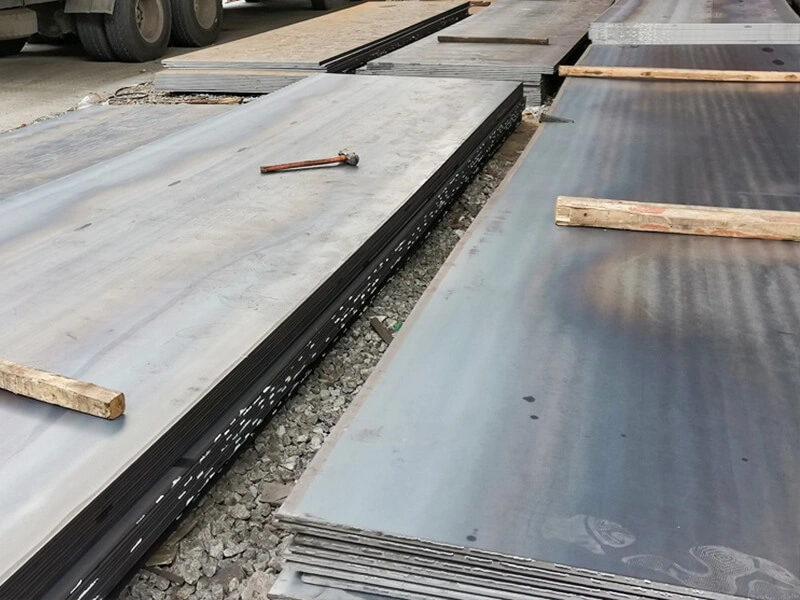
To avoid these delays, pre‑coordinate everything weeks before arrival. Book the berth 2‑3 weeks in advance – confirm the berth number, water depth, and any restrictions. Request crane allocation: how many cranes, what is their safe working load (SWL), and will they be dedicated to your vessel? Confirm stevedore scheduling: how many gangs, which shifts, and what is the discharge rate in tons per hour. Send the port a cargo plan with bundle weights, dimensions, and special handling needs. Make one person responsible for port coordination – do not rely on email chains.
Let me explain the key pre‑coordination steps.
Step 1 – Berth Booking
Berth allocation is the process of assigning arriving vessels to specific quay positions and time windows within a terminal. Without advance booking, your vessel takes whatever berth is free – often the slowest one.
What to confirm with the port agent:
- Berth number and length – long enough for your vessel.
- Water depth (draft) – deep enough for your vessel when fully loaded.
- Availability window – specific dates and times. Not "around week 10."
- Penalty if berth is not available on agreed date – negotiate a rebate.
Step 2 – Crane Allocation
Quay cranes are the port’s most valuable resource. Without a confirmed crane allocation, your vessel may be assigned a crane only after other vessels are finished.
What to request:
- Number of cranes assigned to your vessel (1 for small vessels, 2‑3 for large).
- Crane safe working load (SWL) – must be higher than your heaviest bundle. A standard gantry crane has SWL 40‑50 tons. Your 45‑ton bundle needs a 50+ ton crane.
- Dedicated cranes – not shared with another vessel. A crane switching between two vessels adds hours of idle time.
- Estimated discharge rate (tons per hour) – a good crane with skilled operators can discharge 100‑200 tons per hour.
Step 3 – Stevedore Scheduling
Even with a crane, you need people to attach slings, guide the load, and move the steel to storage.
What to confirm:
- Number of stevedores per crane (typically 4‑6).
- Shifts (day shift only or 24‑hour operations). Some ports charge 50% extra for night work, but the faster discharge can save days of demurrage.
- Stevedore experience with steel plates – handling heavy, flat cargo requires skill. Inexperienced stevedores work slowly and risk damaging your steel.
Step 4 – Send a Cargo Plan
The port needs to know what they are handling before your vessel arrives. Send a document with:
- Number of bundles
- Weight per bundle (heaviest bundle highlighted)
- Dimensions (length, width, height) of each bundle
- Any special lifting requirements (e.g., spreader beam needed for extra‑long bundles)
- Clear identification of each bundle (bundle number matches packing list)
A Real Example
A shipyard in Malaysia imported 500 tons of plates. The buyer pre‑coordinated: booked a berth 3 weeks ahead, confirmed two cranes, and requested 24‑hour discharge. The vessel was discharged in 2 days. The previous shipment, with no pre‑coordination, took 6 days. The buyer saved 4 days of demurrage at $8,000 per day – $32,000.
How to Prepare Cargo Bundles with Clear Markings, Proper Strapping, and Easy‑Access Lifting Points for Faster Discharge?
The crane operator picks up a bundle. The slings slip. The load is unbalanced. The operator lowers it and tries again. Each attempt adds minutes. Over 50 bundles, that is hours of delay.
To speed up discharge, prepare every cargo bundle so that the crane operator can work without hesitation. Mark each bundle clearly with a large, weather‑resistant tag showing bundle number, weight, and lifting points. Ensure steel straps are tight and edge protectors are in place – loose straps catch on other cargo. Create easy‑access lifting points: leave gaps in the dunnage or attach lifting loops so the slings can be inserted without moving the bundle. A well‑prepared bundle cuts discharge time per lift by 30‑50%.
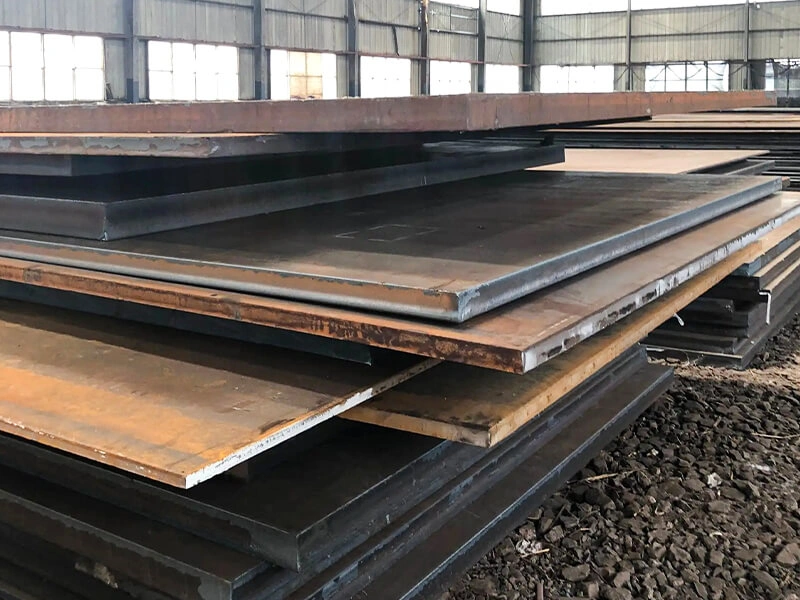
Let me detail how to prepare bundles for fast handling.
Clear Marking – The First Thing the Crane Operator Sees
When a crane operator looks at a stack of bundles, they need to know which one to lift next. If the tags are small, faded, or hidden, the operator wastes time searching or guessing.
Bundle tag requirements:
- Large (minimum A4 size or 20cm x 15cm)
- Weather‑resistant (laminated synthetic paper)
- Placed on the outside of the bundle, visible from the side
- Shows: bundle number, gross weight, and lifting points (marked with arrows or text)
Better yet: Spray‑paint the bundle number on the top plate in large, bright numbers. The crane operator can read it from the cab without getting out.
Proper Strapping – No Loose Ends
Loose straps catch on crane hooks, on other bundles, and on the vessel’s cargo gear. A caught strap can snap, causing the bundle to shift or fall.
Strapping checklist:
- Steel straps tight – the strap should not slide when pushed.
- No loose ends – cut strapping tails flush with the buckle.
- Edge protectors in place – prevents straps from cutting into plates and keeps the strap straight.
- For nylon lashings, roll the excess strap neatly and secure with tape.
Easy‑Access Lifting Points
The crane operator needs to insert slings under the bundle. If the bundle sits flat on the ground or on solid dunnage, the slings have to be forced in – this takes time and damages the straps.
How to create lifting points:
- Leave gaps in the dunnage under the bundle. Place two pieces of dunnage at the ends, leaving a gap in the middle where the sling can pass through.
- Or leave a small gap (50‑100mm) between the bottom layer of plates and the dunnage by placing the bundle on raised blocks at each corner.
- For very wide bundles, mark the "sling position" on the side with paint – a simple "S" at the correct distance from the end.
Lifting Loops – The Professional Touch
For high‑value or heavy bundles, attach lifting loops (nylon slings or wire rope loops) to the bundle before shipping. The crane operator hooks directly to the loops. No slinging required. This is the fastest method.
A Real Example
A steel supplier in China started marking lifting points on every bundle – a painted "S" at 2m from each end. The port crane operators told their agent: "We can see where to put the slings without measuring. The time per lift dropped from 4 minutes to 2.5 minutes." For a 200‑bundle shipment, that saves 5 hours of crane time.
What Contingency Plans (Demurrage Caps, Weekend Clearance, Local Agents) Minimize the Impact of Unexpected Port Congestion?
No matter how well you prepare, ports get congested. A storm delays the vessel. A strike shuts down the terminal. Your steel is stuck.
To minimize the impact of unexpected port congestion, build contingencies into your contracts and operations. First, negotiate demurrage caps – a maximum number of free days (e.g., 7‑10 days free, after that a capped daily rate). Second, arrange weekend clearance – some ports offer 24/7 customs clearance for a premium. Third, hire a local agent who has relationships with customs and port operators. They can expedite holds, move up the queue, and pay small "expediting fees" (legal in many ports). Finally, consider an alternative port – if the primary port is congested, reroute to a secondary port with lower traffic. The ASBATANKVOY 2025 charter party form now explicitly addresses port congestion as a force majeure event, allowing demurrage to be reduced for delays beyond the charterer’s control. Use that language in your freight contracts.

Let me detail the four key contingencies.
Contingency 1 – Demurrage Caps and Free Time
Demurrage is the financial compensation payable to the shipowner when the vessel remains in port beyond the agreed laytime. Laytime is the period during which you can load or discharge cargo without incurring extra charges.
What to negotiate in your freight contract:
- Free time: 7‑10 days (industry standard is 3‑5 days). Demand more.
- Demurrage rate cap: $5,000‑8,000 per day maximum. Some contracts have uncapped rates – that can bankrupt you if a port strike lasts 3 weeks.
- Force majeure clause: Port congestion, strikes, and extreme weather should pause the laytime clock. The new ASBATANKVOY 2025 charter party explicitly addresses port congestion, allowing demurrage to be reduced for delays caused by circumstances beyond the parties’ control.
- Caps on total demurrage: "Maximum demurrage liability 10 days." This protects you from catastrophic delays.
Demurrage charges rose by approximately 8% year‑on‑year in 2025 due to port congestion and reduced free‑time allowances. Do not assume standard contracts protect you – they do not.
Contingency 2 – Weekend and Holiday Clearance
Most customs offices work Monday‑Friday. If your vessel arrives on Friday afternoon, your steel sits until Monday – 3 days lost. Some ports offer weekend clearance for a premium.
What to ask your customs broker:
- Does the port offer weekend clearance? What is the premium?
- Can documents be pre‑cleared before the vessel arrives?
- What is the cost of customs overtime (typically 1.5x‑2x normal rate)?
If the premium is $2,000 and demurrage is $8,000 per day, paying for weekend clearance saves you $6,000.
Contingency 3 – Local Agent with Relationships
A local agent who knows the customs officers and port operators can solve problems that your overseas broker cannot. They know who to call. They know what documents are acceptable. They can pay small expediting fees (legal in many countries) to move your shipment up the queue.
What to look for in a local agent:
- Experience with steel plate imports – not general cargo.
- Relationships with customs – they have a track record.
- 24/7 availability – emergencies do not happen at 9 AM.
Contingency 4 – Alternative Port
If the primary port is chronically congested, consider a secondary port. Sea‑Intelligence data shows that large hub ports suffer from persistent structural congestion, creating a severe "hub penalty" across the supply chain. Secondary ports often have better schedule reliability.
Before rerouting, check:
- Does the alternative port have cranes with sufficient SWL for your heavy bundles?
- Is the water depth adequate for your vessel?
- What is the additional trucking cost from the alternative port to your yard?
A Real Example
A buyer in Saudi Arabia imported steel through Jeddah Islamic Port. Jeddah had chronic congestion – vessels waited 7‑10 days for a berth. The buyer moved their shipments to Dammam port, a secondary port with less traffic. Dammam had lower congestion and faster clearance. The extra trucking cost was $30 per ton. The demurrage saving was $50 per ton. The buyer saved $20 per ton overall – $20,000 on a 1,000‑ton order.
Conclusion
Perfect documentation prevents customs holds. Pre‑coordinate berth, crane, and stevedores. Prepare bundles for fast discharge. Build contingency plans – demurrage caps, weekend clearance, local agents. These steps cut port delays and save real money.