
EPC projects involve multiple sites, tight schedules, and international supply chains. A steel plate delay at one site can stop the entire project.
For EPC projects, marine steel plate logistics requires aligning deliveries with site milestones, using real‑time tracking and clear communication protocols, managing multi‑modal transport (sea, road, rail) for just‑in‑time delivery to remote zones, and coordinating customs clearance, port handling, and on‑site receiving as one seamless process. Good logistics coordination keeps your EPC project on time and on budget.
I am Zora Guo from cnmarinesteel.com. I have supplied marine steel plates to EPC contractors building power plants, offshore platforms, and port facilities across Asia and the Middle East. I have seen logistics break a project – and I have seen it save one. Let me share what I learned.
How to Align Steel Plate Deliveries with Multiple Project Milestones Across Different EPC Sites?
An EPC project has many phases: foundation, superstructure, equipment installation. Each phase needs different steel at different times. If steel for the foundation arrives after the foundation is poured, you have a problem.
To align deliveries with multiple milestones, create a material delivery schedule based on the construction sequence. Work backwards from each milestone. For example, if foundation steel is needed at week 8, order it at week 0 (including 6 weeks production + 2 weeks transport). For multiple sites, treat each site as a separate project with its own delivery calendar. Use a centralized ordering system – one purchase order with multiple delivery lines – rather than separate orders for each site. This allows you to consolidate freight and still deliver phased.
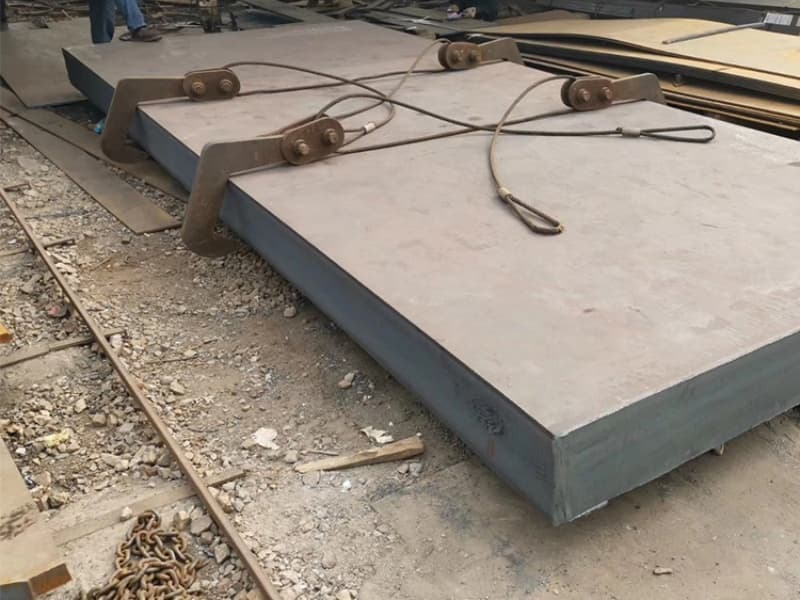
Let me show you how to build a delivery schedule.
Step 1 – Identify Critical Steel Milestones
Not every steel delivery is critical. Some steel can arrive early and sit. Other steel must arrive exactly on time. Identify the critical path items – the steel that, if missing, stops construction.
Example for a power plant project:
- Foundation bolts and embedded plates – Critical. Must arrive before concrete pour.
- Structural columns and beams – Critical. Must arrive when foundation is ready.
- Cladding and roofing – Non‑critical. Can arrive early or late within a window.
Step 2 – Work Backwards from the Milestone
For each critical milestone, calculate the order‑to‑delivery lead time. Include:
- Mill production: 2‑6 weeks
- Transport to port: 1‑2 weeks
- Sea freight: 2‑5 weeks
- Port handling and customs: 1‑2 weeks
- Final road transport: 1‑2 weeks
- Buffer: 2‑3 weeks (for the unexpected)
Example: Foundation steel needed at site week 12. Total lead time = 8 weeks. Order at week 4. Add a 2‑week buffer. Order at week 2.
Step 3 – Use a Centralized Order with Phased Delivery
Instead of placing separate orders for each site or each milestone, place one master order for the entire EPC project. The supplier holds the steel and ships each phase on your release.
Phased delivery schedule for an EPC project:
| Phase | Site | Milestone date | Steel description | Delivery week |
|---|---|---|---|---|
| 1 | Site A | Week 6 | Foundation plates | Week 4 |
| 2 | Site A | Week 10 | Column base plates | Week 8 |
| 3 | Site B | Week 14 | Beam connections | Week 12 |
| 4 | Site C | Week 20 | Deck plates | Week 18 |
A Real Example
An EPC contractor in Saudi Arabia was building three separate structures at one industrial site. They placed a single order for 800 tons of plates with a phased delivery schedule of 200 tons every 2 months. The supplier held the steel at their warehouse. The contractor released each phase with a 2‑week notice. No site had to store steel for more than 2 weeks. The contractor saved $30,000 in storage and avoided $50,000 in demurrage.
What Communication Protocols and Tracking Systems Ensure Real‑Time Visibility for EPC Logistics Teams?
You have steel on a vessel. You have no idea where it is. Your site manager asks for an ETA. You say "I will find out." You call the carrier. They put you on hold. This is not coordination.
Real‑time visibility requires a shared tracking system accessible to all parties – your EPC project manager, your logistics coordinator, the freight forwarder, and your supplier. Use a cloud‑based platform with container tracking, vessel AIS data, and milestone alerts. Set up a weekly status call with all parties. Create a logistics dashboard that shows: mill production status, port arrival, vessel departure and ETA, customs clearance, and final truck ETA. No more "I will check and call back." Everyone sees the same data.
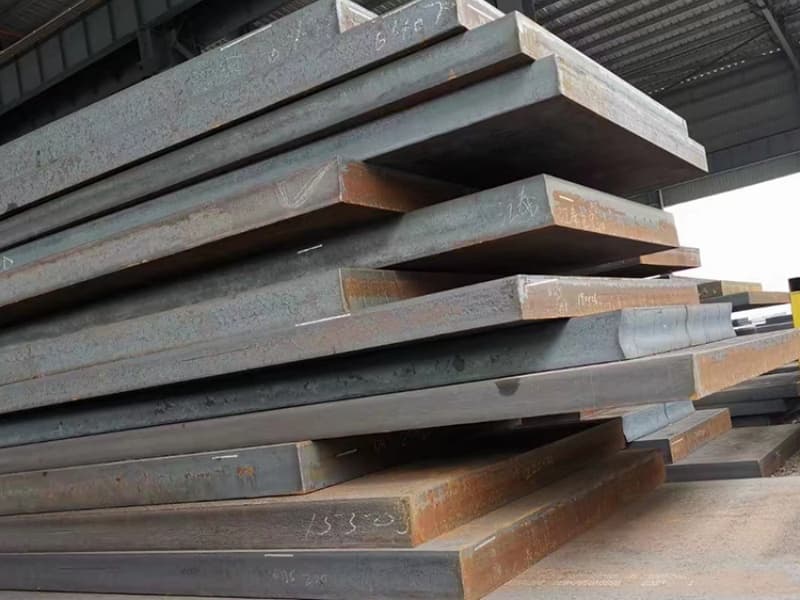
Let me detail the communication tools that work.
The Tracking Stack – What You Need
- Vessel tracking: AIS data (available free from MarineTraffic or VesselFinder). Know where the ship is at all times.
- Container tracking: Container number + carrier website or API. Most carriers provide real‑time status.
- Customs status: Local broker provides daily updates. Do not assume "in progress" means moving.
- Final mile tracking: Truck GPS. Request that the trucking company share a tracking link.
Communication Protocols – Who Talks to Whom
Establish a clear communication flow:
- Supplier updates on mill production and loading at origin port.
- Freight forwarder provides vessel booking, bill of lading, and ETA updates.
- Customs broker reports clearance status daily (not just when done).
- Trucking dispatcher gives loading time and arrival ETA.
- Site logistics manager receives all updates and coordinates unload.
Weekly coordination call (30 minutes):
- Review each shipment status against the milestone schedule.
- Identify any red flags (vessel delayed, customs hold, truck breakdown).
- Decide on mitigation actions (air freight a small urgent quantity, re‑route to alternative port).
Alert Triggers
Set up automatic or manual alerts when certain events happen:
- Mill production delayed by >3 days
- Vessel ETA changes by >48 hours
- Customs hold longer than 24 hours
- Truck breakdown within 100 km of site
Each alert triggers a predefined response plan.
A Real Example
An EPC contractor in Vietnam used a shared Excel sheet for logistics tracking – manually updated. It was always out of date. They switched to a cloud‑based platform (Tive or FourKites) with real‑time container tracking. The site manager could see the vessel’s position on a map. When a vessel was delayed by 4 days, the team rescheduled site labor to avoid idle time. They saved $20,000 in labor costs.
How to Manage Multi‑Modal Transport (Sea, Road, Rail) for Just‑In‑Time Delivery to Remote Construction Zones?
Your steel arrives at the main port. Then it needs to travel 800 km by truck or rail to the remote construction site. This final leg is often the most unpredictable.
For multi‑modal transport to remote zones, treat the final leg as a separate project. Survey the route for road conditions, bridge weight limits, and rail head access. Use smaller trucks (15‑20 tons) for rough roads, not 30‑40 ton trailers. If rail is available, use a rail siding close to the site – then transfer to trucks for the last 50 km. Build a buffer of 3‑5 days into the final leg schedule. For extremely remote sites (e.g., jungle, mountain), consider using a logistics partner who has local knowledge and backup equipment.
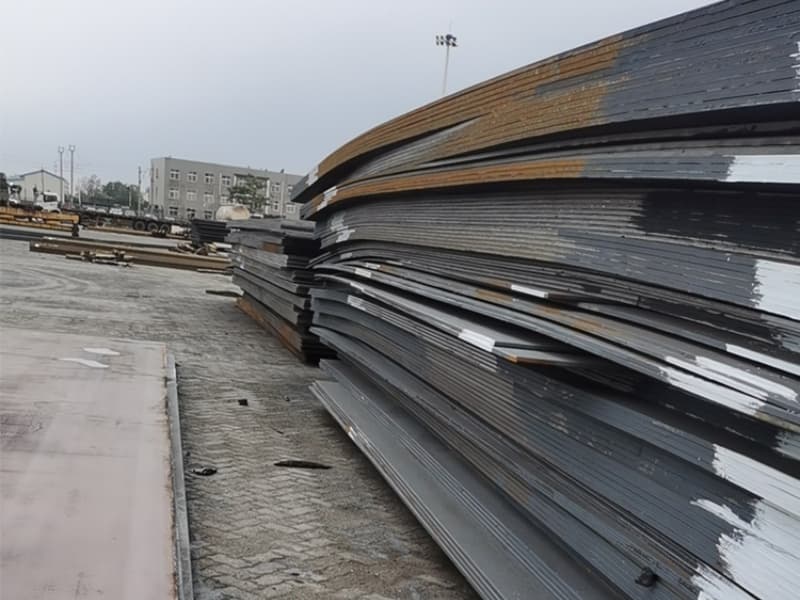
Let me break down the multi‑modal steps.
Step 1 – Choose the Right Mode for Each Leg
| Leg | Typical mode | Advantages | Disadvantages |
|---|---|---|---|
| Mill to export port | Truck or rail | Short distance, low cost | Port congestion can delay |
| Export port to import port | Sea (container or breakbulk) | Low cost per ton for long distance | Slow, weather‑dependent |
| Import port to inland hub | Rail | Low cost, high volume, consistent schedule | Rail terminal may be far from site |
| Inland hub to construction site | Truck (light or heavy) | Flexible, door‑to‑door | Expensive per ton, road dependent |
Step 2 – The Route Survey
Before shipping, drive the route from the import port to the site. Note:
- Road width – can a 2.5m wide flatbed pass?
- Bridge weight limits – each bridge has a sign. Is it 20 tons or 40 tons?
- Overhead clearances – any low bridges or power lines?
- Road condition – paved, gravel, or dirt? If dirt, what happens in rain?
If a bridge has a 20‑ton limit and your truck weighs 30 tons loaded, you need a lighter truck or an alternative route.
Step 3 – Buffer for the Final Leg
The final leg is the least predictable. Breakdowns happen. Roads get washed out. Trucks get stuck.
Recommended buffer:
- For paved roads, good condition: +1 day buffer
- For mixed paved/unpaved: +2‑3 days
- For unpaved, remote: +5‑7 days
Step 4 – Consider Rail
If the site is near a rail line (even a branch line), rail transport can be cheaper and more reliable than long‑distance trucking. A single rail car can carry 50‑70 tons of steel plates. The cost per ton‑km is 30‑40% lower than truck.
The challenge: Rail terminals are often far from the final site. You still need trucks for the last 50‑100 km. But that short truck leg is much easier than 800 km of bad roads.
A Real Example
An EPC project in a remote mountain region of the Philippines imported 1,000 tons of plates. The main port was 600 km away. The road had 12 bridges, 5 of which were rated for 18 tons. A 30‑ton truck could not cross. We split the shipment into 15‑ton bundles on smaller trucks. Each truck carried 15 tons. The transit time was 8 days (instead of 3 days for a large truck). But the steel arrived undamaged, and the bridges did not collapse.
How to Coordinate Customs Clearance, Port Handling, and On‑Site Receiving for International EPC Shipments?
Three different parties handle your steel at three different points: customs at the port, stevedores at the quay, and your own team at the site. Each can cause a delay if not coordinated.
For international EPC shipments, pre‑clear customs before the vessel arrives. Submit documents 5‑7 days in advance. Use a broker who specializes in construction materials – they know the tariff codes. For port handling, send a cargo plan with bundle weights and lifting points to the stevedoring supervisor. For on‑site receiving, have a designated team with forklifts or cranes ready at the planned arrival time. Do not assume "someone will be there." Confirm 48 hours and 24 hours before arrival. Have a backup plan if the receiving team is delayed – a laydown area and tarp to protect the steel.
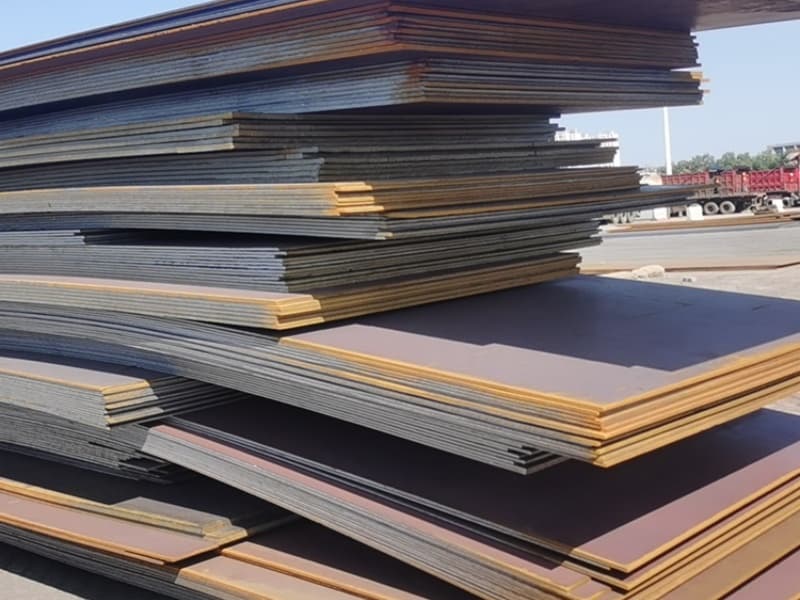
Let me detail each coordination point.
Customs Clearance – The First Gate
Customs is the number one cause of port delays for steel imports. The most common issues: HS code errors, weight discrepancies, and missing certificates.
Pre‑clearance checklist:
- HS code verified (7208 for flat‑rolled steel plates). Get a binding ruling from customs if uncertain.
- Weight on invoice matches weight on bill of lading (within 0.5%).
- Heat numbers on packing list match mill certificates.
- Certificate of origin is signed and stamped.
- Import license or permit (if required) is approved.
- Customs bond is in place.
Timeline:
- Submit documents 7 days before vessel arrival.
- Customs reviews in 2‑3 days.
- If no issues, clearance is ready when vessel arrives.
Port Handling – The Second Gate
The port knows the vessel has arrived. Do they know it is your steel? Do they know how to lift it?
Send a cargo plan to the port operations manager 1 week before arrival:
- Number of bundles
- Weight per bundle (highlight heaviest)
- Lifting points (mark on the bundle or provide diagram)
- Special equipment needed (e.g., spreader beam for long bundles)
On the day of discharge:
- Have your local agent at the port to supervise.
- Take photos of discharge – proof if damage occurs.
- Count the bundles as they come off the vessel. Compare to the bill of lading.
On‑Site Receiving – The Final Gate
The steel is off the vessel. Customs cleared. Now it is on trucks heading to your site. Do your people know it is coming?
Site receiving checklist:
- Confirm delivery date and time 48 hours ahead.
- Ensure unloading equipment is available (forklift, crane, or forklift).
- Prepare storage area with dunnage and tarps.
- Have someone at the gate to direct trucks.
- Inspect steel before signing the delivery receipt. Document any damage.
A Real Example
An EPC contractor in Qatar imported 500 tons of plates for a power plant. They pre‑cleared customs 7 days before arrival. The vessel arrived on a Tuesday. Customs clearance was already approved. Port discharge took 2 days. The steel was on‑site by Friday. The total port‑to‑site time was 4 days. Their previous shipment, with no pre‑clearance, took 14 days.
Conclusion
Align deliveries with project milestones using a centralized phased order. Use real‑time tracking and weekly coordination calls. Plan multi‑modal transport with route surveys and buffers. Pre‑clear customs and coordinate port handling with on‑site receiving. These steps deliver steel on time, every time.