
The ocean’s power is relentless. A ship’s hull is its first and last line of defense. A weak hull can buckle, crack, or even fail completely. This leads to dangerous leaks, cargo loss, and huge repair costs. The right reinforcement strategy is not optional, it is essential for survival.
You reinforce ship hulls using bulb flat and L steel by strategically welding these sections to the hull plates. Bulb flats act as longitudinal stiffeners to resist bending along the ship’s length. L-shaped angle steel serves as transverse frames and brackets, providing rigidity against twisting and local pressure. Together, they create a strong, lightweight grid structure.
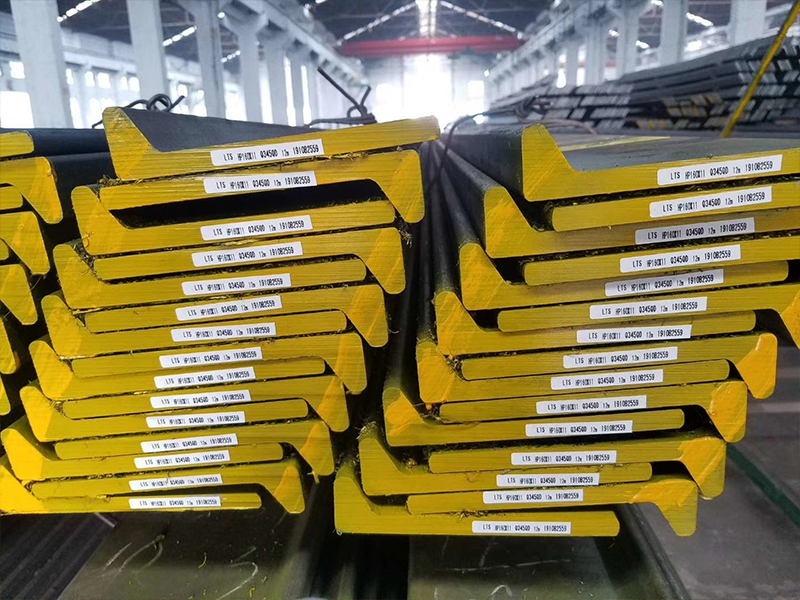
Knowing how to use these two sections is a core skill in shipbuilding and repair. But to apply them correctly, you must first understand the materials and the principles behind hull strength. Let’s build this knowledge step by step, from the steel itself to the final reinforced structure.
What kind of steel is used for ship hulls?
Picture the hull steel. It must resist saltwater corrosion for decades. It must endure the constant stress of waves. It must stay tough in freezing temperatures. Ordinary construction steel would fail quickly under these conditions. Ship hull steel is a special material engineered for a harsh life at sea.
Ship hulls primarily use mild carbon-manganese steel grades1 classified by classification societies like BV, ABS, or LR. These are categorized into Normal Strength (Grades A, B, D, E) and Higher Strength Steel2 (Grades AH32/36/40, etc.). The specific grade is chosen based on the hull’s location and the vessel’s operating environment.
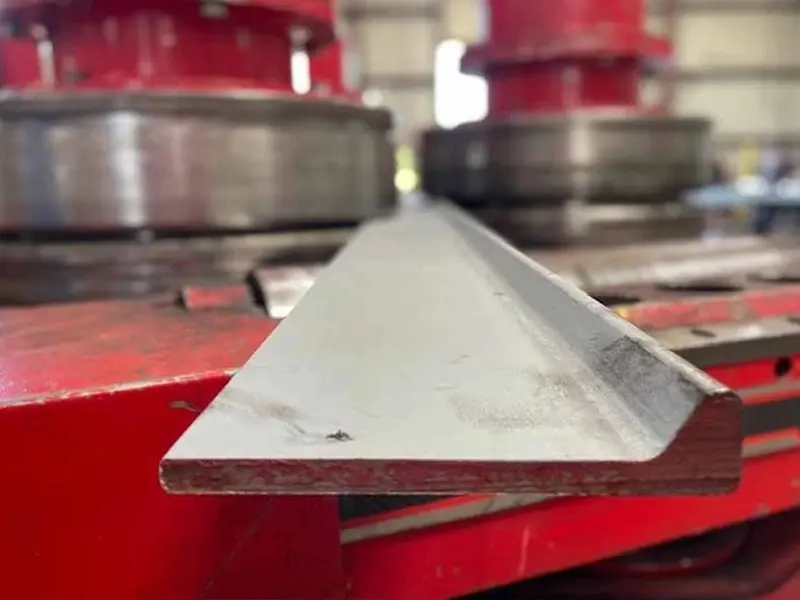
The choice of steel is a careful balance. It balances strength, toughness, weldability, and cost. Let’s break down why these specific types are used and how they differ.
The Specifics of Hull Steel: Grades, Properties, and Selection
We need to look at two main categories: Normal Strength and Higher Strength Steel2s. Each has a specific role in the hull structure.
1. Normal Strength Hull Steel3 (Grades A, B, D, E)
This is the traditional and widely used steel for hulls. The letter does not indicate strength but toughness at low temperatures.
- Grade A4: This is the basic grade. It has the standard yield strength of 235 MPa. Its impact toughness is tested at 0°C. We use it for internal, less critical parts of the hull in warmer waters.
- Grade B: This is the most common grade for general hull plating. It has the same 235 MPa yield strength but is tested at -20°C. This gives better assurance against brittle fracture in cool seas.
- Grade D and E5: These are high-toughness grades. They are tested at -40°C and -60°C respectively. We specify these for critical areas like the sheer strake (the top hull plate) and for ships operating in Arctic or Antarctic waters. The L-shaped steel for frames in these zones often needs to be Grade D or E.
2. Higher Strength Steel2 (HSS – Grades AH32, DH36, EH40, etc.)
Modern ship design often uses these steels to reduce weight.
- The ‘H’ means Higher Yield Strength. AH32 has a minimum yield strength of 315 MPa, AH36 has 355 MPa, and AH40 has 390 MPa. This is much higher than the 235 MPa of normal grades.
- The letter before ‘H’ indicates toughness level. ‘A’ is for 0°C, ‘D’ for -40°C, ‘E’ for -60°C.
- Why use HSS? By using stronger steel, naval architects can make the hull plates thinner. This reduces the ship’s overall weight. A lighter ship can carry more cargo or use less fuel. Large container ships and bulk carriers use HSS extensively in their hulls.
3. Key Properties Beyond Grade
All hull steel, regardless of grade, must have:
- Good Weldability6: The carbon content and Carbon Equivalent (Ceq) are controlled. This ensures the steel can be welded safely without forming cracks in the heat-affected zone. Welding is how the entire hull is assembled.
- Corrosion Resistance7: While not stainless, hull steel often has improved corrosion resistance. This comes from its chemical composition and sometimes from special treatments. We ensure the steel from our mill partners meets these requirements.
- Through-Thickness (Z-direction) Properties: For highly stressed areas, the steel must be certified with good ductility in the thickness direction (Z-grade). This prevents a dangerous failure called lamellar tearing.
Here is a simple table to compare application:
| Steel Type / Grade | Typical Use in Hull | Key Reason |
|---|---|---|
| Normal B / D | Bottom plating, side shell, decks of general cargo ships, tugs. | Good balance of toughness and cost for most conditions. |
| Higher Strength AH36/DH36 | Hull plating of large container ships, oil tankers, bulk carriers. | High strength allows for thinner, lighter plates, increasing cargo capacity. |
| Grade E or EH Grade | Icebreaker hull, sheer strake of vessels in polar routes. | Exceptional low-temperature toughness to resist impact in freezing conditions. |
When a client like Gulf Metal Solutions orders marine steel plate from us, they specify the exact grade needed for their project. Our job is to supply that precise grade with the correct certification. This eliminates "quality inconsistency" and ensures the hull has the right foundation before any reinforcement is even added.
What is the hull structural steel?
Think of the hull as a complex 3D puzzle. Hull structural steel is the name for all the different steel pieces that make up this puzzle. It includes the large plates you see and the hidden skeleton inside. It is not just one material; it is a complete system of components.
Hull structural steel refers to the entire assembly of steel components that form the ship’s watertight body and its supporting framework. This includes the hull plates (the skin), stiffeners (like bulb flats), frames (often made from L steel), girders, beams, and brackets—all made from certified marine-grade steel.
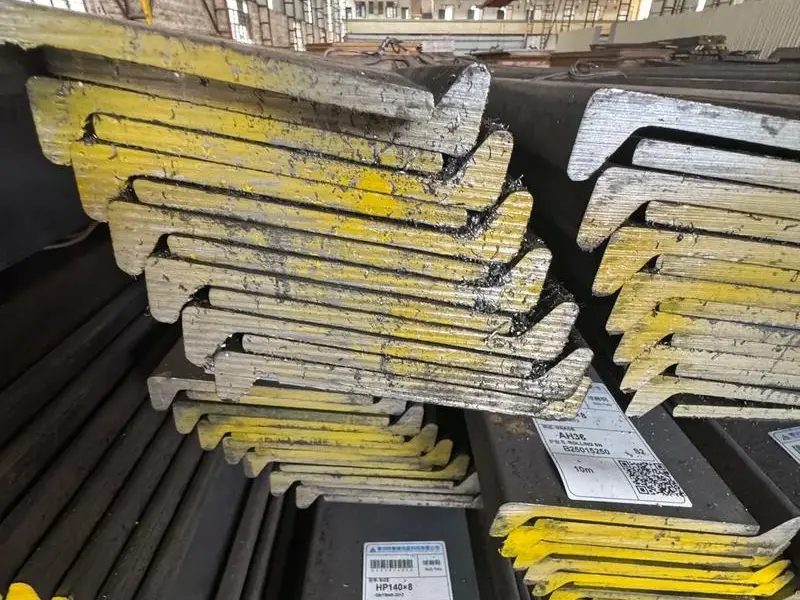
This system works together. The plates keep the water out. The internal structure holds the plates in shape and carries all the loads. Understanding this system is key to understanding reinforcement.
The Components and Hierarchy of the Hull Structure
The hull structure is organized in a logical way. We can think of it in layers and directions.
1. The Primary Structure: The Main Load-Bearing Framework
This is the backbone of the ship. It carries the heaviest global loads like overall bending and twisting.
- Keel: The central backbone running along the bottom, from bow to stern.
- Floors: Vertical plates at the bottom, connecting the keel to the bottom plating.
- Side Frames: These are the vertical ribs along the ship’s sides. They are often made from L-shaped angle steel or built-up sections. They give the hull its transverse shape and strength.
- Decks and Beams: Decks are horizontal plates. They are supported by large beams that run across the ship (transversely) or along it (longitudinally).
2. The Secondary Structure: Stiffeners and Attachments
This structure supports the primary members and stiffens the large plates to prevent buckling.
- Stiffeners: These are smaller profiles welded to the back of plates. Their main job is to break a large plate into smaller, stronger panels.
- Longitudinal Stiffeners: They run along the ship’s length. Bulb flats are the most common choice here. They are very efficient at resisting longitudinal bending.
- Transverse Stiffeners: They run across the ship (side to side). These can be smaller angles or flat bars.
- Brackets: These are triangular steel plates. They connect beams to frames or stiffeners to other members. They transfer loads and reduce stress concentrations. They are often cut from plate steel.
3. The Plating: The Watertight Skin
This is the outer layer that everyone sees.
- Bottom Plate: The thickest plating,承受ing water pressure and grounding impacts.
- Side Shell Plate: Forms the ship’s sides.
- Deck Plate: Forms the decks.
- Bulkhead Plate: Forms the vertical walls inside the ship, creating compartments.
The relationship is simple: Plating + Stiffeners = Stiffened Panel. Many stiffened panels, connected by frames and girders, form the complete hull. For example, a section of the bottom hull would look like this: The thick bottom plate has dozens of bulb flats welded to it, running from bow to stern. These bulb flats are, in turn, supported at regular intervals by transverse floors and frames (often made of L-angle). This creates an incredibly strong and efficient grid. When we supply both bulb flat and L steel to a shipyard, we are supplying the core ingredients for this secondary and primary structure. This integrated supply is valued by project contractors in the Philippines or Romania who need a reliable source for multiple structural components.
What part of the ship provides structural strength and rigidity to the hull?
A ship is long and flexible. Waves can make it bend like a banana. Water pressure wants to push the sides in. The strength to resist these forces does not come from one part alone. It comes from a team of specialized parts working together.
The ship’s structural strength and rigidity come from an integrated system. The keel and longitudinal girders resist lengthwise bending. The transverse frames and floors provide crosswise shape and strength. The hull plating, when stiffened by a network of bulb flats (longitudinals) and L-angle frames, forms rigid panels that distribute all loads throughout the structure.
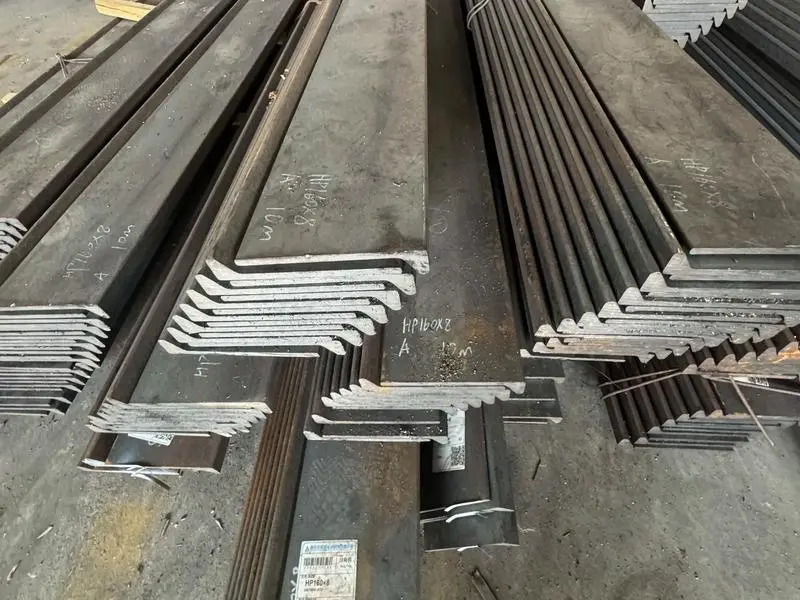
It is a combination of "long bones" running fore and aft and "ribs" going across. Let’s identify the key players in this team.
The Roles of Key Structural Members
We can assign specific strength roles to different parts of the hull skeleton.
1. Members for Longitudinal Strength (Fighting Hogging and Sagging)
When a wave is in the middle, the ship sags (ends droop). When waves are at the ends, it hogs (middle droops). This is longitudinal bending.
- Keel and Center Girder1: This is the main backbone. It is the primary member resisting this bending stress along the bottom.
- Deck Girder/Stringer: Similar strong members running along the sides of the deck. They work with the keel like the top and bottom flanges of a giant I-beam.
- Longitudinal Stiffeners (Bulb Flats)2: These are critical. Thousands of bulb flats are welded to the bottom, side, and deck plating. They run parallel to the keel. They directly stiffen the plating and contribute massively to the ship’s overall longitudinal bending strength. They are the unsung heroes of hull rigidity.
2. Members for Transverse Strength and Shape
These parts maintain the ship’s cross-sectional shape and resist water pressure pushing in on the sides and bottom.
- Transverse Frames3: These are the "ribs" of the ship. They are usually made from L-shaped angle steel or a similar profile. They are spaced regularly along the ship’s length. They give the hull its transverse shape and prevent the sides from collapsing inward.
- Floors4: These are the deep, vertical plates at the bottom, connecting the port and starboard sides. They work with the frames to create a rigid transverse ring structure at each cross-section.
- Beams: These support the decks. They run transversely, connecting to the side frames.
3. The System: How They Work Together
The real strength comes from the connection of all these parts. Imagine a single bottom panel:
- The bottom plate carries the direct water pressure.
- The bulb flats welded to it (running longitudinally) make the plate much stiffer. They stop it from bending between supports.
- These bulb flats are themselves supported every meter or so by transverse floors.
- The floors are connected to the side frames (L-angles), which are connected to the deck beams.
- This creates a continuous 3D box structure that distributes any local load—like a wave slam—throughout the entire hull.
The table below summarizes this team effort:
| Structural Part | Primary Strength Role | Typical Section Used |
|---|---|---|
| Keel / Center Girder | Longitudinal bending (Primary) | Built-up plate section |
| Deck Girders | Longitudinal bending (Primary) | Built-up plate section |
| Bulb Flats | Longitudinal bending (Secondary), Stiffening plates | Bulb Flat Steel5 |
| Transverse Frames3 | Transverse shape, local strength | L-Shaped Angle Steel6 |
| Floors4 | Transverse strength, bottom support | Steel Plate |
| Deck Beams7 | Support decks, transverse strength | L-Angle, T-bar |
When a shipyard plans a repair or a new build, they calculate the required size and spacing for these members. Our role as a supplier is to provide the bulb flat and L steel in the exact dimensions and grades specified. For a client in Thailand reinforcing an aging bulk carrier, the correct size of L-angle for new frames is as important as the steel grade itself.
How can you prevent structural damage of the ship?
Structural damage on a ship is scary. It can start as a small crack and grow into a major failure. Preventing this damage is not about luck. It is about a proactive strategy that starts with good design and continues with careful operation and maintenance.
You prevent structural damage by using properly certified and graded steel1 during construction, ensuring correct design and welding of reinforcements like bulb flats and L-steel2, implementing a regular inspection program3 to detect early cracks or corrosion, and operating the vessel within its designed load and environmental limits.
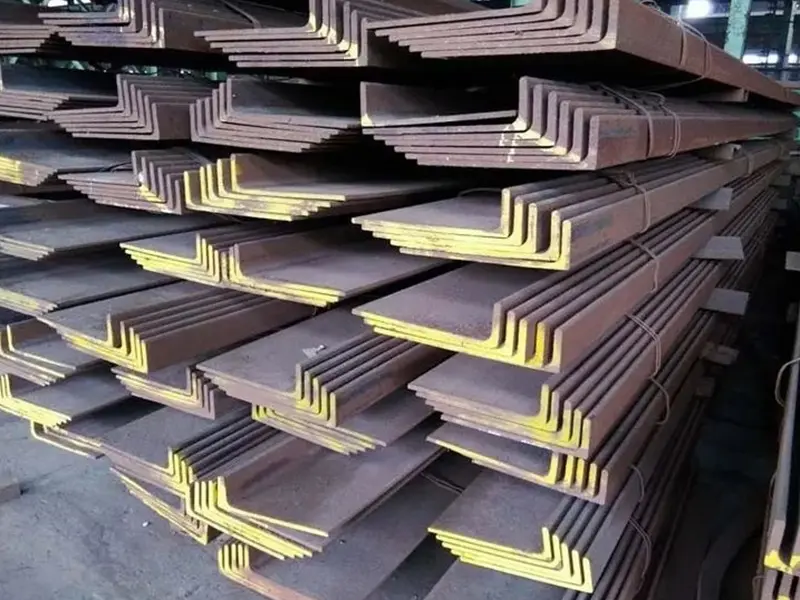
Prevention happens in stages: at the shipyard, during surveys, and every day at sea. Let’s explore the practical measures at each stage.
A Multi-Stage Strategy for Structural Integrity
We can break down prevention into three key phases: Construction, Inspection, and Operation.
Phase 1: Prevention During Construction and Repair (The Foundation)
This is the most critical phase. Good practices here prevent problems for the next 25 years.
- Material Quality: This is the first rule. All steel—plates, bulb flats, L-angles—must have valid Mill Test Certificates (MTCs)4 from certified mills. As we discussed in our first article, fake certificates are a direct path to failure. We provide traceable, certified materials to eliminate this risk.
- Design and Detailing: Stress concentrations are a major cause of cracking. Sharp corners in cut-outs, misaligned welds, and poor bracket design create weak points. Good naval architects design smooth transitions and specify proper weld details. The correct sizing and spacing of bulb flats and frames are part of this design.
- Workmanship and Welding: Poor welding is a common source of defects. Welds must be full penetration, without undercut or slag inclusions. Pre-heating might be needed for thicker sections. Using steel with good weldability (low Ceq) makes this easier. The connection between a bulb flat and a plate, or an L-angle frame to a bracket, must be perfect.
Phase 2: Prevention Through Inspection and Maintenance (Vigilance)
Damage starts small. Finding it early is everything.
- Regular Surveys: Classification societies require periodic surveys (e.g., every 5 years). Surveyors will inspect the hull, especially critical areas like the sheer strake, bilge, and connections of major members. They look for corrosion, cracks, and deformation.
- Owner’s Inspection Program: Smart operators go beyond class requirements. They have crew or shore staff perform regular visual inspections in cargo holds, tanks, and machinery spaces. They look for:
- Corrosion: General thinning or localized pitting, especially at the ends of stiffeners.
- Cracks: Often appear at weld toes, bracket toes, or at the ends of cut-outs.
- Deformation: Buckling of plates or bending of stiffeners indicates overloading.
- Coating and Corrosion Protection: A well-maintained paint system is the first line of defense. Sacrificial anodes (zinc blocks) protect underwater areas. Ensuring the coating is intact around bulb flat and L-steel connections is vital, as these are prone to crevice corrosion.
Phase 3: Prevention Through Proper Operation (Respect for Limits)
A ship is designed for specific conditions.
- Avoiding Overloading: Loading cargo beyond the designed distribution can cause excessive hull bending stress.
- Navigating with Care: Slamming into heavy seas at high speed creates huge impact loads. Groundings obviously cause direct damage. Good seamanship is a form of structural prevention.
- Fatigue Management: Metal fatigue is caused by repeated stress cycles (like waves). Operating in rough seas for prolonged periods accelerates fatigue. While not always avoidable, being aware helps plan inspections.
For a fabricator and distributor like Gulf Metal Solutions, prevention starts with their supply chain. By sourcing certified bulb flat and L steel from a reliable partner, they ensure the material going into their repair or fabrication projects is sound. Our support for SGS inspection before shipment gives them that extra layer of confidence, directly addressing their need for "stable quality." This reliable material base is the first and most important step in a long-term damage prevention strategy for their clients’ vessels.
Conclusion
Effectively reinforcing a ship hull requires the right certified steel, a clear understanding of how bulb flats and L-steel work together in the structural system, and a committed strategy for prevention through quality construction, vigilant inspection, and careful operation.
-
Understanding the importance of certified steel can help ensure the structural integrity of ships. ↩ ↩ ↩
-
Understanding these materials is crucial for anyone involved in shipbuilding or repair. ↩ ↩ ↩ ↩ ↩
-
Learn how consistent inspections can catch issues early, saving time and money on repairs. ↩ ↩ ↩ ↩
-
Discover the significance of MTCs in ensuring material quality and safety in shipbuilding. ↩ ↩ ↩ ↩
-
Explore the significance of bulb flat steel in enhancing hull strength, essential for shipbuilders. ↩ ↩
-
Understanding L-shaped angle steel’s role is key for anyone involved in ship design and construction. ↩ ↩
-
Learn about deck beams’ importance in supporting decks, crucial for overall ship stability. ↩ ↩