
A shipyard in Saudi Arabia recently saved 25% on their steel costs by optimizing their China purchasing strategy. Their experience revealed key cost-saving opportunities.
Cost savings when purchasing marine steel plate from China come from bulk ordering, selecting standard grades and sizes, arranging own shipping, using third-party inspection strategically, and building long-term supplier relationships. These strategies can reduce total costs by 15-30% while maintaining quality standards for shipbuilding applications.
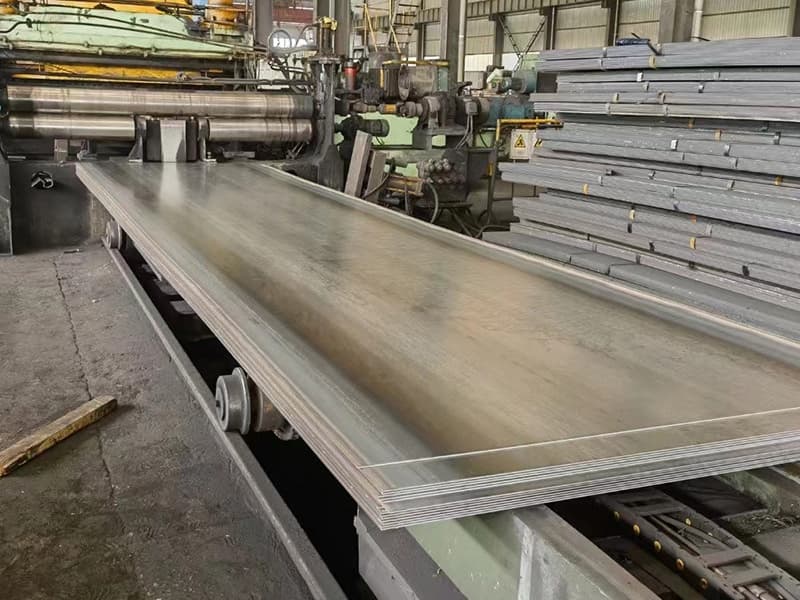
Smart purchasing strategies make Chinese marine steel even more cost-effective. Let me share practical methods that deliver real savings without compromising quality.
How much cheaper is steel from China?
A shipowner from Qatar compared Chinese steel prices1 with local suppliers. The savings justified the import process complexity.
Chinese steel is typically 20-40% cheaper than European or American equivalents, with marine plates costing $600-800 per ton compared to $800-1100 from other sources. The price advantage2 comes from lower production costs, government support, and economies of scale, though quality verification remains essential.
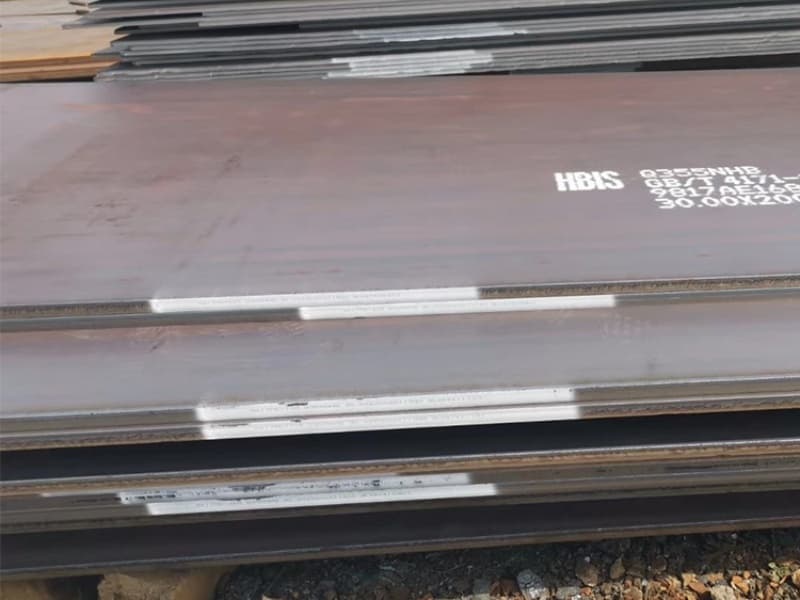
Comprehensive Price Advantage Analysis
The significant price difference between Chinese steel and other sources stems from multiple factors that create sustainable cost advantages throughout the production and supply chain.
Production Scale Economics
Chinese steel mills operate at massive scales that dramatically reduce unit costs. Annual production volumes often exceed 10 million tons per mill. This scale allows efficient utilization of equipment and facilities. Fixed costs spread across enormous output quantities. The production efficiency creates a fundamental cost advantage that smaller mills cannot match. This scale benefit transfers directly to international buyers through competitive pricing.
Government Policy Support
Various forms of government assistance contribute to cost advantages. Energy subsidies reduce electricity and fuel expenses significantly. Tax incentives specifically target export-oriented production. Infrastructure investments lower transportation and logistics costs. Research and development funding promotes technological advancement. These policy measures collectively reduce production costs by 15-25% compared to unsubsidized operations.
Labor Cost Structure
Labor expenses in China remain favorable despite recent increases. Skilled steel workers are available at competitive wage rates. Technical education systems produce qualified workforce efficiently. Manufacturing expertise has developed over decades of industrial growth. Labor productivity continues improving through automation and training. The overall labor cost advantage persists at 30-50% below developed country levels.
Raw Material Access
China has established efficient raw material supply chains. Domestic iron ore production supplements imported materials. Extensive coal resources support coke production. Transportation networks efficiently move raw materials to production sites. Long-term supply contracts ensure cost stability. The integrated supply chain reduces material costs by 10-20% compared to disjointed sourcing.
Manufacturing Technology
Modern Chinese mills employ advanced production technology. Automated processes increase productivity and reduce labor requirements. Energy-efficient equipment lowers operating costs substantially. Computer-controlled quality systems minimize material waste. Continuous technology upgrades maintain competitive advantages. The technology investment delivers ongoing cost reduction benefits.
Logistics and Export Efficiency
The export supply chain is highly optimized for cost efficiency. Major ports handle massive volumes with streamlined procedures. Transportation networks connect production centers to export hubs. Export documentation processes are well-established and efficient. Bulk shipping arrangements reduce per-ton transportation costs. These logistics efficiencies benefit international buyers through lower delivered costs.
Price Comparison by Market
| Market | Marine Steel Price Range | Compared to China | Key Cost Factors |
|---|---|---|---|
| China | $600-800/ton | Base | Scale, subsidies, labor |
| European Union | $800-1100/ton | +25-40% | Energy costs, regulations |
| United States | $850-1150/ton | +30-45% | Protectionist measures |
| Japan/Korea | $900-1200/ton | +35-50% | Quality focus, labor costs |
| Southeast Asia | $700-950/ton | +10-25% | Smaller scale, imports |
We help clients maximize these cost advantages through strategic sourcing. Proper supplier selection ensures both savings and quality.
What is the import duty on steel products from China?
An importer from Mexico faced unexpected duty costs that reduced their expected savings. Understanding the duty structure helped future planning.
Import duty on Chinese steel products1 typically ranges from 0% to 25% depending on the destination country and product type. Most countries apply duties based on HS codes 7208-7229, with additional anti-dumping duties possibly applying to specific steel products in certain markets like the US and EU.
Comprehensive Import Duty Analysis
Import duties on Chinese steel involve multiple layers that affect the final landed cost. Understanding these charges is crucial for accurate cost calculation and sourcing decisions.
HS Code Classification System2
Import duties are determined by Harmonized System codes. Steel plates typically fall under HS code 7208 for flat-rolled products. Angles and sections use HS code 7216. The specific classification affects the duty rate applied. Proper classification is essential for correct duty assessment. Mistakes can lead to overpayment or customs delays.
Most-Favored-Nation Tariff Rates3
MFN rates represent the baseline duty structure for WTO members. For steel products, MFN rates typically range from 0% to 10% in most markets. Developing countries often have higher MFN rates. Developed countries generally maintain lower rates. The rates are published in each country’s customs tariff schedule. MFN rates apply when no preferential agreements exist.
Trade Agreement Preferences4
Bilateral and regional trade agreements can reduce or eliminate duties. ASEAN countries often benefit from low or zero duties under regional agreements. Countries with free trade agreements with China may have preferential rates. Middle Eastern countries may have different tariff structures. Checking applicable trade agreements can identify duty savings opportunities worth 5-15%.
Anti-Dumping and Countervailing Duties5
Many countries impose additional duties on Chinese steel. Anti-dumping duties address allegedly unfair low pricing. Countervailing duties offset Chinese government subsidies. These additional duties can increase costs by 10-200% depending on the product and country. The rates change frequently based on trade investigations. Current duty information should be verified before ordering.
Value Added Tax and Other Charges6
Beyond basic import duties, other charges significantly affect total costs. Value Added Tax typically ranges from 5% to 20% depending on the country. Customs processing fees cover administrative costs. Port charges and handling fees add to the total. These additional costs can equal or exceed the basic duty amount. Comprehensive cost calculation must include all charges.
Country-Specific Duty Structures7
Different markets have unique duty approaches and rates. The United States has complex steel tariff structures including Section 232 tariffs. European Union applies combined duty and quota systems with safeguards. Middle Eastern countries may have simpler tariff schedules. Southeast Asian nations often have regional preference rates. Researching the specific destination market is crucial for accurate costing.
Duty Planning and Optimization8
Strategic planning can minimize duty impacts. Proper HS code classification ensures correct rate application. Using trade agreement preferences reduces duty costs. Timing shipments to avoid trade measures helps. Working with experienced customs brokers prevents errors. These strategies can reduce total duty costs by 10-30%.
Import Duty Overview by Destination
| Destination | Typical Duty Range | Additional Charges | Special Considerations |
|---|---|---|---|
| United States | 10-25% | Section 232 tariffs | Complex anti-dumping measures |
| European Union | 0-10% | VAT 15-25%, safeguards | Quota systems for some products |
| Middle East | 0-10% | VAT 5-15% | GCC unified tariff often 5% |
| Southeast Asia | 0-5% | VAT 5-15% | ASEAN-China FTA benefits |
| South America | 10-20% | Various taxes | Frequent trade investigations |
We help clients understand and plan for duty costs. Proper planning ensures no surprises in final landed costs.
Can I trust stainless steel made in China?
A naval architect from Philippines questioned Chinese stainless steel quality1 after hearing mixed reviews. Direct experience changed their perspective.
Chinese stainless steel can be trusted when sourced from reputable mills with proper certification and third-party verification. Quality varies significantly between suppliers, making due diligence essential through mill audits, certification checks, and independent testing to ensure material meets international standards for marine applications.
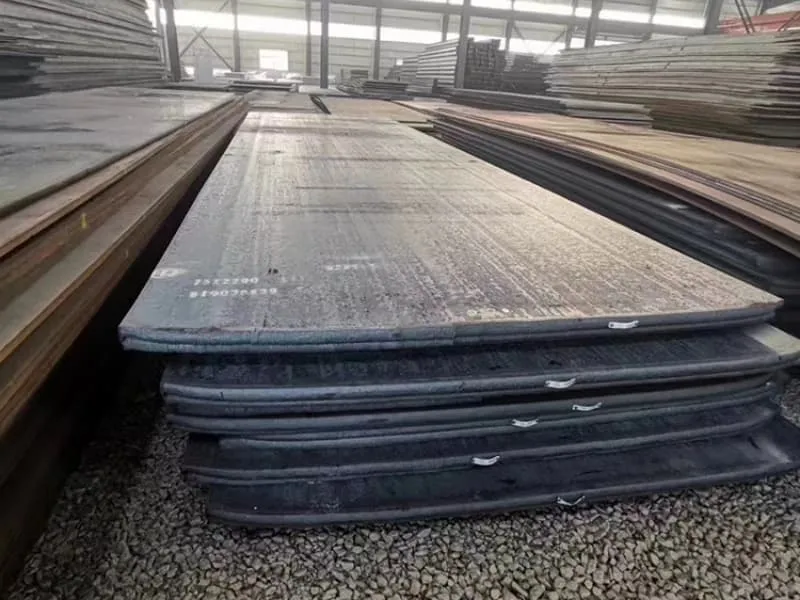
Chinese Stainless Steel Quality Assessment
The quality of Chinese stainless steel spans a wide spectrum, from world-class to substandard. Understanding how to identify reliable suppliers is crucial for obtaining quality materials.
Mill Capability and Certification2
Reputable Chinese stainless steel mills maintain international quality certifications. ISO 9001 certification indicates basic quality management systems. Specialized certifications like ASME and PED apply to specific applications. Classification society approval is essential for marine grades. Mill audits verify production capabilities and quality controls. These certifications provide assurance of consistent quality.
Production Technology and Equipment3
Advanced production equipment ensures quality consistency. Modern meltshops use electric arc furnaces with AOD refining. Continuous casting machines produce uniform slabs. Precision rolling mills achieve exact dimensions. Automated testing equipment verifies properties. The technology level directly affects product quality and consistency.
Material Certification and Traceability4
Proper documentation ensures material reliability. Mill test certificates should include full chemical analysis. Mechanical property reports verify strength and ductility. Heat treatment records confirm processing parameters. Traceability systems link materials to production records. Complete documentation supports quality claims.
Third-Party Verification5
Independent verification provides objective quality assessment. Third-party inspection companies like SGS and BV offer material testing. Classification society surveyors witness production and testing. Independent laboratories verify chemical and mechanical properties. These verification steps confirm supplier claims and ensure compliance.
Performance History and References6
Established suppliers have proven track records. Client references demonstrate successful applications. Project histories show material performance. Long-term relationships indicate reliability. Industry recognition suggests quality acceptance. These factors help assess supplier credibility.
Quality Variation Factors7
Understanding quality variations helps in supplier selection. Large state-owned enterprises generally maintain high standards. Specialized stainless mills focus on quality. Smaller producers may have inconsistent quality. Export-oriented suppliers typically meet international standards. Proper due diligence identifies reliable partners.
Quality Assurance Strategy8
A systematic approach ensures material reliability. Define clear technical specifications. Require appropriate certifications. Arrange independent verification. Conduct supplier audits. Maintain quality documentation. This strategy minimizes quality risks.
Chinese Stainless Steel Quality Indicators
| Quality Level | Typical Suppliers | Certifications | Applications | Risk Level |
|---|---|---|---|---|
| Premium | Large SOEs, specialized mills | ISO, ASME, classification | Critical marine applications | Low |
| Standard | Established export mills | ISO, customer specific | General marine use | Medium |
| Variable | Smaller general mills | Basic certifications | Non-critical applications | High |
| Unreliable | Unknown suppliers | Limited documentation | Avoid for marine use | Very High |
We work exclusively with certified mills that meet international standards. Our clients receive quality-verified materials for their projects.
Which country sells the cheapest steel1?
A cost-conscious shipbuilder from Romania needed to identify the most economical steel sources. Market analysis revealed varying advantages by product type.
China2 consistently offers the cheapest steel1 globally due to massive production scale, government subsidies, and lower operating costs. However, other countries like India3, Russia, and Ukraine may compete on specific products, with the best choice depending on product type, quality requirements, and transportation costs to the destination.
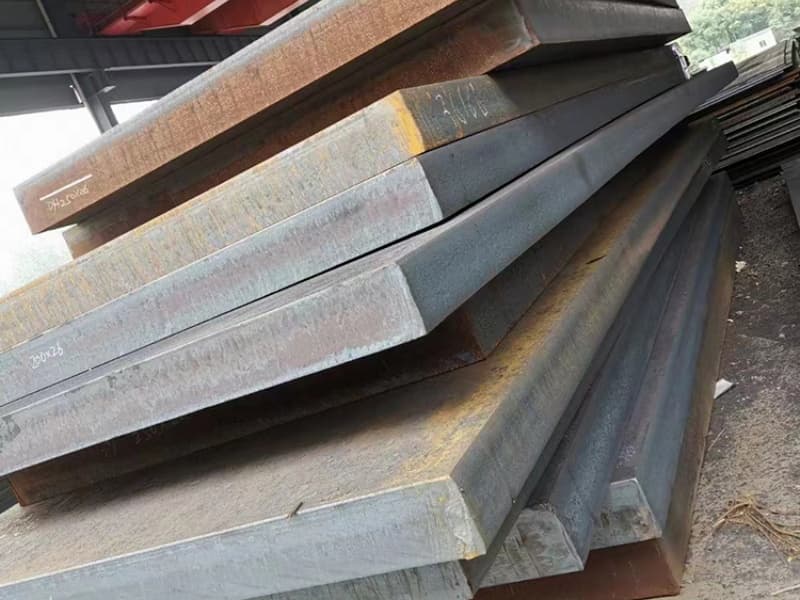
Global Steel Cost Comparison
Steel pricing varies significantly by producing country due to different cost structures, production methods, and market conditions. Understanding these variations helps in optimal sourcing decisions.
Chinese Cost Leadership
China2 maintains the lowest steel production costs globally. The scale of production creates unprecedented economies of scale. Government policies reduce energy and raw material costs. Advanced technology improves production efficiency. Logistics networks minimize transportation expenses. These factors combine to create sustainable cost advantages of 20-40% over other producers.
India3n Competitive Position
India3 has emerged as a low-cost steel producer. Abundant iron ore resources reduce raw material costs. Growing domestic demand supports production scale. Labor costs remain competitive internationally. Modern mills incorporate efficient technology. India3n steel often competes with Chinese prices for certain products.
Russian and Ukrainian Advantages
Russia and Ukraine4 benefit from natural resource access. Domestic iron ore and coal reduce material costs. Energy prices are relatively low. Established production expertise supports efficiency. Geographic location advantages certain markets. These countries offer competitive pricing for European markets.
Southeast Asia5n Production
Southeast Asia5n countries are growing in steel production. Vietnam has developing steel industry capabilities. Malaysia and Indonesia have expanding production. Labor costs are competitive in the region. Transportation advantages exist for Asian markets. The quality and consistency are improving steadily.
Quality vs Cost Trade-offs
The cheapest steel1 may not offer the best value. Higher quality steels justify premium pricing. Certification and testing add costs but ensure reliability. Delivery reliability has value beyond initial price. Technical support benefits project execution. The optimal choice balances all factors.
Market Specific Considerations
Different markets have unique cost structures. Transportation costs affect delivered pricing. Import duties vary by destination country. Currency exchange rates influence comparative costs. Local market conditions create pricing anomalies. These factors mean the "cheapest" source varies by destination.
Strategic Sourcing Approach
Optimal sourcing considers multiple factors. Base price is only one component. Quality requirements affect supplier selection. Delivery timing influences source choice. Relationship benefits add long-term value. Risk management suggests diversification. The best approach often uses multiple sources.
Steel Cost Comparison by Country
| Country | Cost Advantage | Key Products | Quality Level | Best For |
|---|---|---|---|---|
| China2 | 20-40% lower | All products | Variable | Cost-focused buyers |
| India3 | 15-30% lower | Long products | Good | Budget projects |
| Russia/Ukraine | 10-25% lower | Plates, semis | Standard | European markets |
| Southeast Asia5 | 5-20% lower | Basic products | Improving | Regional projects |
| Japan/Korea | Premium | High grade | Excellent | Quality-critical |
We help clients identify the optimal sourcing strategy for their specific needs. The best choice balances cost, quality, and reliability.
Conclusion
Significant cost savings are achievable when purchasing marine steel from China through strategic sourcing, proper duty planning, quality verification, and understanding global market dynamics. Smart procurement delivers both savings and reliability.
-
Explore this link to understand the global steel pricing landscape and find the best sources. ↩ ↩ ↩ ↩ ↩ ↩
-
Discover the factors behind China’s steel pricing and how it affects global markets. ↩ ↩ ↩ ↩ ↩ ↩
-
Learn about India’s competitive advantages in steel production and pricing. ↩ ↩ ↩ ↩ ↩ ↩ ↩
-
Find out how these countries leverage resources for competitive steel pricing. ↩ ↩ ↩
-
Investigate the growing steel industry in Southeast Asia and its market impact. ↩ ↩ ↩ ↩ ↩
-
Explore how a supplier’s track record and client references can indicate their reliability and quality. ↩ ↩
-
Learn about the factors that influence the quality of stainless steel and how to select reliable suppliers. ↩ ↩
-
Discover effective strategies to ensure the reliability and quality of stainless steel materials. ↩ ↩