
Leading paragraph:
Shipyards grow fast. But when steel supply does not keep up, deadlines slip and costs climb quickly.
Snippet paragraph:
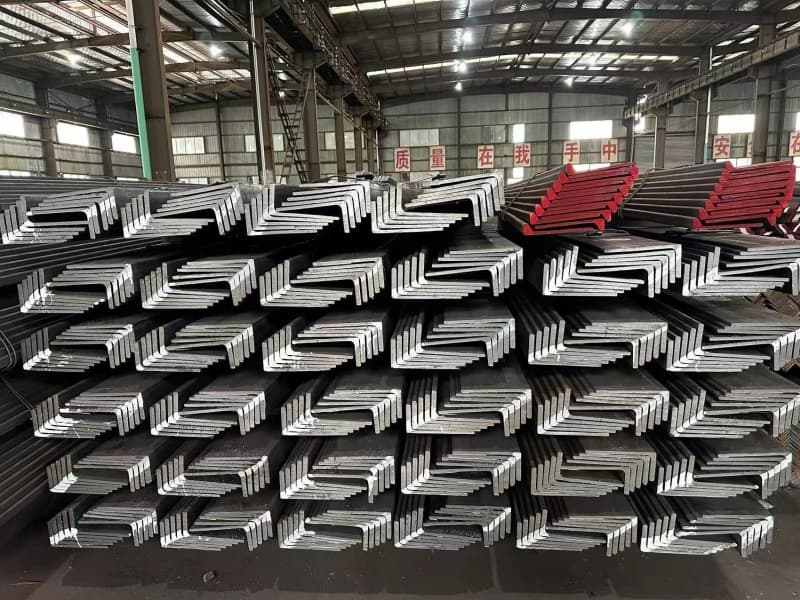
Scaling steel supply with shipyard growth means building a system that handles larger volumes, tighter schedules, and stricter quality standards. It requires strong mill relationships, real inventory visibility, and a supply partner who grows with you.
Transition Paragraph:
I have worked with shipyards that doubled their output in one year. The ones that succeeded were the ones who planned their steel supply ahead of time. Let me walk you through the four questions I answer every day when clients ask me how to scale.
1. What grade of steel is used in shipbuilding?
Leading paragraph:
I once had a buyer ask for “ship steel” without a grade. That is like asking for fuel without saying if you need diesel or gasoline.
Snippet paragraph:
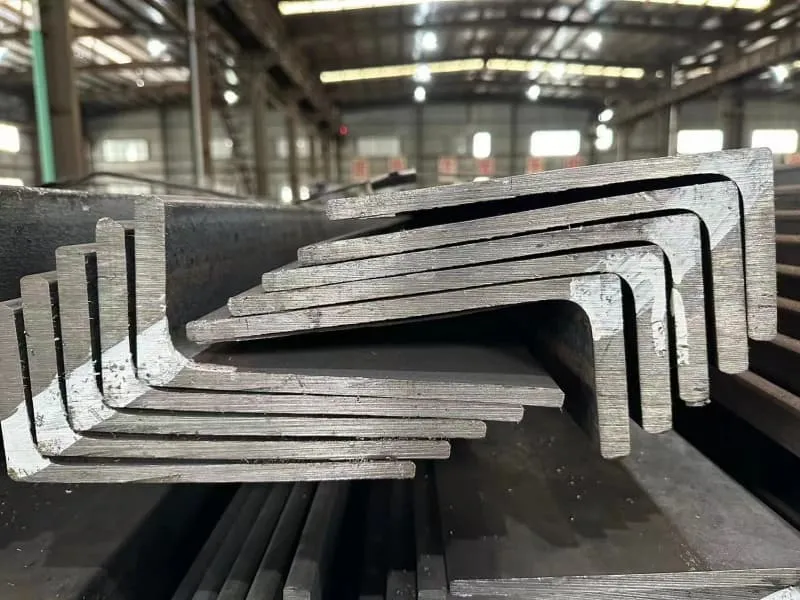
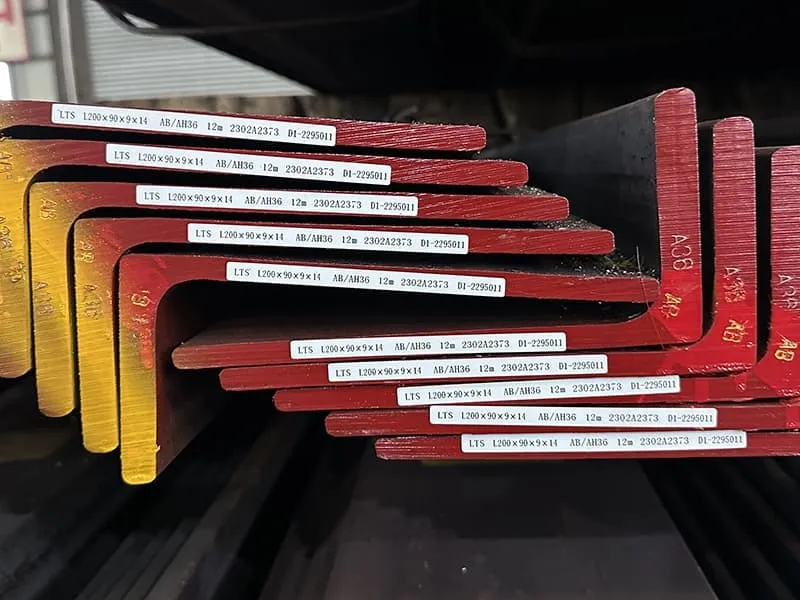
Shipbuilding uses marine steel grades1 like A, B, D, and E for general strength. For higher strength, grades like AH32, DH32, EH32, and AH36 are common. Each grade matches a specific part of the vessel and its operating conditions.
Dive deeper paragraph:
When a shipyard scales up, the first thing that changes is the mix of steel grades they need. A small yard building fishing boats might only use Grade A steel2. A large yard building oil tankers or container ships needs a wider range. I have seen projects where the same vessel uses four or five different grades across the hull, the deck, and the internal structure.
The grade tells you two main things. First, it tells you the strength. Higher numbers mean stronger steel. Second, it tells you the toughness at low temperatures. This matters for ships that sail in cold waters. The letter in the grade shows the impact test temperature3. Grade A has no impact test. Grade B is tested at 0°C. Grade D is tested at -20°C. Grade E is tested at -40°C.
For high-strength grades4, the numbers work differently. AH32 means the steel has a minimum yield strength of 315 MPa. AH36 means 355 MPa. The “H” stands for high-strength. The first letter tells you the toughness level. AH is for normal temperature. DH is for -20°C. EH is for -40°C. FH goes even lower.
Common marine steel grades and where they go
| Grade | Strength Level | Typical Location on Vessel |
|---|---|---|
| A | General strength | Upper decks, superstructures |
| D | General strength | Side shells in colder regions |
| AH32 | High-strength | Bottom shells, deck longitudinals |
| AH36 | High-strength | Critical structural areas |
I tell my clients that picking the right grade is not just about meeting classification rules. It is about cost control too. Higher grades cost more. Using a higher grade where a lower grade would work adds cost without benefit. A good supplier helps you match the grade to the application.
2. What was the impact of steel1 on industrial growth2?
Leading paragraph:
Before steel, ships were wood. Wood limited size, strength, and how fast a shipyard could build.
Snippet paragraph:
Steel changed shipbuilding3 completely. It allowed larger vessels, stronger hulls, and faster construction. The shift to steel drove industrial growth by enabling global trade, mass production, and the modern shipyard we know today.

Dive deeper paragraph:
I think about this question when I work with shipyards4 that are growing fast. The history of steel in shipbuilding tells us something important about scaling. When steel became the main material, it did not just change the ships. It changed how shipyards worked.
Before steel, shipyards were limited by wood. Trees take time to grow. The size of a wooden ship was limited by the size of available timber. Construction was slow because each piece was custom-fitted. Steel changed that. Steel comes from mills in standard sizes. It is consistent. It is strong. And it can be produced in large quantities.
The industrial growth that followed was built on this foundation. Steel ships could carry more cargo. They could travel farther. They lasted longer. Ports grew because larger ships needed deeper harbors. Trade routes expanded because ships could handle longer voyages.
For a shipyard today, the lesson is clear. The material you use sets the limit on how fast you can grow. If your steel supply is unreliable, your growth will stall. If you have a steady, scalable source of the right grades, you can take on bigger projects and tighter deadlines.
How steel enabled shipyard scaling
| Era | Material | Limitation |
|---|---|---|
| Pre-1850 | Wood | Natural supply limits, slow construction |
| 1850-1900 | Iron | Better than wood, but still limited |
| 1900-present | Steel | Standardized, mass-produced, scalable |
I see this pattern repeat today. Shipyards that scale successfully are the ones that treat steel supply as a strategic partnership, not just a purchase order.
3. What material is preferred for making ship hulls1 and large marine structures due to its strength and durability?
Leading paragraph:
If you ask a shipbuilder what material they trust most, the answer is almost always steel. There is a reason for that.
Snippet paragraph:
Steel is preferred for ship hulls and large marine structures because it offers the best combination of strength, durability, weldability2, and cost3. No other material matches its performance in harsh marine environments.
Dive deeper paragraph:
I hear this question from clients who are exploring alternatives. Sometimes they ask about aluminum. Sometimes they ask about composites. And I always give them the same honest answer. For large vessels, steel is still the material that makes the most sense.
Strength is the first reason. Steel has a high strength-to-weight ratio4 for large structures. A ship hull must resist waves, cargo loads, and impact forces. Steel handles these forces better than most alternatives. Durability is the second reason. Steel can last decades with proper coating and maintenance. I have seen steel hulls that are thirty years old and still in service.
Weldability is the third reason. Steel welds reliably. Shipyards have welding procedures that are proven and documented. Workers know how to weld steel. The equipment is standard. When you use steel, you do not need special training or new tools.
Cost is the fourth reason. Steel is affordable compared to other materials with similar strength. For a large ship, the material cost matters. Steel keeps the project within budget.
Material comparison for ship hulls
| Material | Strength | Durability | Weldability | Cost |
|---|---|---|---|---|
| Steel | Excellent | Excellent | Excellent | Moderate |
| Aluminum | Good | Good | Moderate | High |
| Composites | Variable | Good | Not applicable | Very high |
I tell my clients that steel remains the standard for a reason. It works. And when you have a reliable supply partner, it works without surprises.
4. What is steel cutting1 in shipbuilding?
Leading paragraph:
Steel cutting sounds simple. But in shipbuilding, it is the moment that turns a design into a real vessel.
Snippet paragraph:
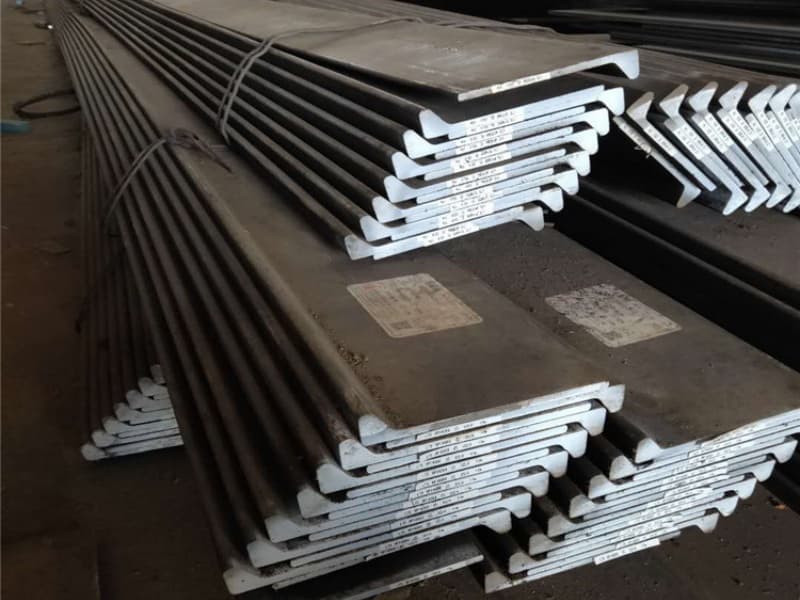
Steel cutting is the process of cutting steel plates and sections to the exact shapes needed for a ship. It marks the start of construction. It also determines how efficiently the shipyard uses material and how quickly the hull comes together.
Dive deeper paragraph:
When a shipyard scales up, steel cutting is one of the first areas where bottlenecks appear. I have seen this happen with clients who were growing fast. Their cutting capacity2 was fine for smaller projects. But when they started building larger vessels, the cutting floor became a bottleneck.
Steel cutting is more than just slicing material. It is a planning process. The shipyard receives steel plates and sections. Then they use nesting software3 to lay out the parts on each plate. The goal is to use as much of the plate as possible. Waste is costly. Good nesting can reduce waste by ten percent or more.
The cutting itself is usually done with CNC machines4. These machines follow digital patterns. They cut with plasma, laser, or gas torches. The accuracy matters. If the cuts are off by a few millimeters, the parts may not fit together later.
For a scaling shipyard, steel cutting capacity must keep up with growth. That means more machines, more operators, and better planning. But it also means the steel supply must match. If the steel arrives late or in the wrong sizes, the cutting floor sits idle.
How steel supply affects cutting efficiency
| Factor | Impact on Cutting |
|---|---|
| Plate size consistency | Enables better nesting and less waste |
| On-time delivery | Keeps cutting floor working without gaps |
| Flatness and straightness | Reduces setup time before cutting |
| Clear markings | Helps operators identify grades quickly |
I work with clients to align steel delivery with their cutting schedules. When the steel arrives on time and in the right sizes, the cutting floor runs smoothly. The hull comes together faster. And the ship launches on schedule.
Conclusion
Scaling steel supply with shipyard growth means planning ahead, choosing the right grades, and working with a partner who understands the process. Start with these questions, and build from there.
-
Understanding steel cutting is crucial for grasping how shipbuilding transforms designs into real vessels. ↩ ↩ ↩ ↩
-
Discover the significance of cutting capacity in scaling shipyards and maintaining efficient production. ↩ ↩ ↩ ↩
-
Learn about nesting software’s role in optimizing material use and reducing waste in shipbuilding. ↩ ↩ ↩ ↩
-
Explore how CNC machines enhance precision in steel cutting, ensuring parts fit together perfectly. ↩ ↩ ↩ ↩