
You have a multi-year shipbuilding program. Five vessels, three years, thousands of tons of bulb flat steel. The thought keeps you up at night. What if a supplier fails? What if prices spike? What if deliveries are delayed? For long-term projects, a stable supply is not a luxury. It is a necessity. Without it, your entire production schedule collapses.
Securing stable bulb flat steel supply for long-term projects requires a strategic, partnership-based approach. Key steps include: 1) Establishing framework agreements with certified mills or trusted suppliers. 2) Forecasting demand and communicating rolling schedules early. 3) Building in quality assurance through third-party inspection. 4) Diversifying sources within a managed supplier portfolio. 5) Maintaining buffer stock for critical sizes. This approach turns procurement from a transaction into a managed, predictable process.
Stability starts with understanding the product. If you do not know exactly what you need, you cannot secure a stable supply. Let’s begin with the fundamentals.
What is a bulb flat1?
You are negotiating a three-year supply agreement. The supplier asks, "Exactly which bulb flat1 sizes and grades do you need?" You need to answer with precision. If your specification is vague, your supply will be unstable. The first step to stability is a crystal-clear product definition.
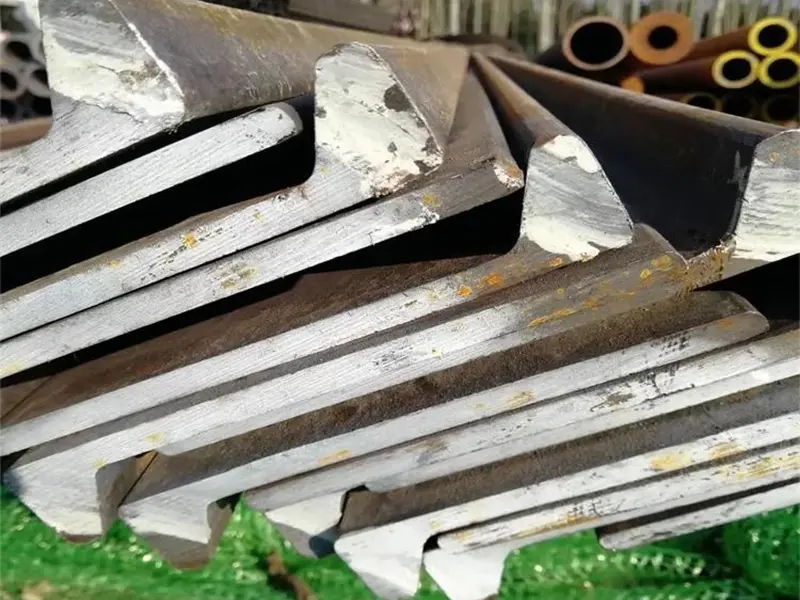
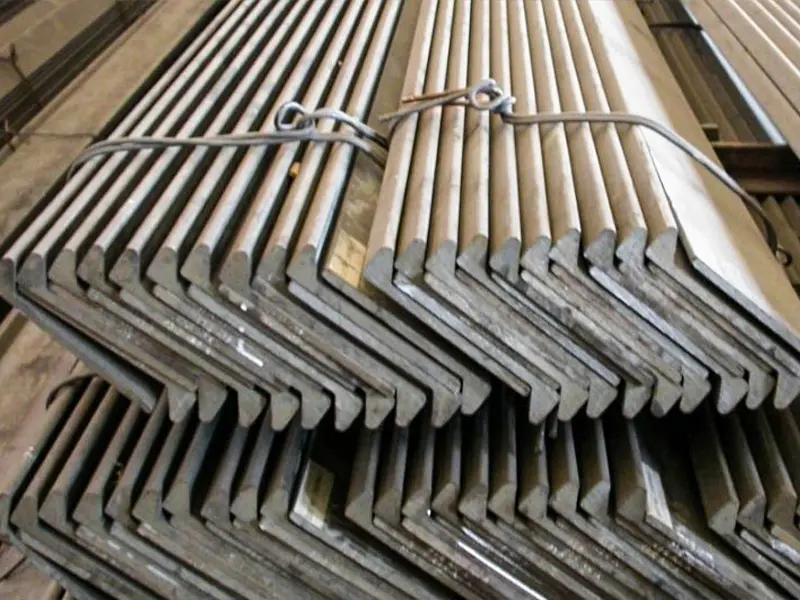
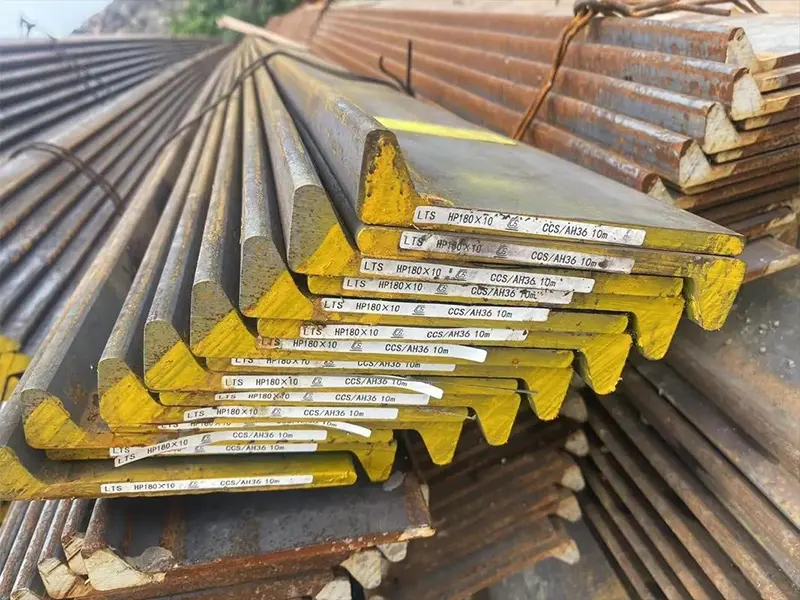
A bulb flat1 is a hot-rolled steel profile with a flat web and a rounded bulb on one edge. It is specified by its web height (e.g., 300mm) and thickness (e.g., 12mm). It is produced to international standards like EN 100672, JIS G 3192, or GB/T 9946. It is used primarily as a stiffener in ship hulls and offshore structures. For long-term projects, you must know exactly which sizes and grades you need, now and in the future.
Building a Stable Supply on a Clear Foundation
A stable supply chain is built on precise specifications.
1. The Elements of a Complete Specification.
For every bulb flat1 you need, you must define:
- Standard: EN 100672, JIS G 3192, or GB/T 9946. This defines the exact dimensions and tolerances.
- Size: Web height and thickness. For example, HP 300×12.
- Grade: The steel grade3 with classification society requirement. For example, DH36 with ABS certification.
- Length: Standard mill lengths (usually 12m) or cut-to-length requirements.
- Surface: As-rolled, shot-blasted, or primed.
- Quantity: Total tonnage and delivery schedule.
2. The Cost of Vague Specifications.
If your specification is vague, suppliers will make assumptions. Those assumptions may be wrong. You might receive material that does not meet your needs. The project stops while you argue with the supplier. This is the opposite of stability.
3. Creating a Long-Term Material Forecast.
For a multi-year project, you need a forecast.
- Year 1: List all sizes and grades needed for the first vessel.
- Year 2: Estimate needs for the second vessel (based on similar design).
- Year 3: Estimate for subsequent vessels.
Share this forecast with your supplier. They can reserve mill capacity and plan production.
My Insight from the Field
A client in Vietnam signed a three-year contract with us for bulb flat1s. They provided a detailed forecast: year one, 500 tons of HP300x12 DH36; year two, 600 tons of HP280x11 AH36; year three, 550 tons of HP320x13 DH36. With this forecast, we were able to secure mill allocation for all three years. When spot market prices rose in year two, their price remained stable because we had locked in capacity. This is the power of clear, long-term planning.
What is the use of bulb bar?
You are explaining to your finance department why bulb flats are so important. They ask, "What happens if we cannot get them?" You need to explain that without bulb bars1, the hull cannot be stiffened. The ship cannot be built. Understanding the use helps you prioritize procurement and justify the investment in stable supply.
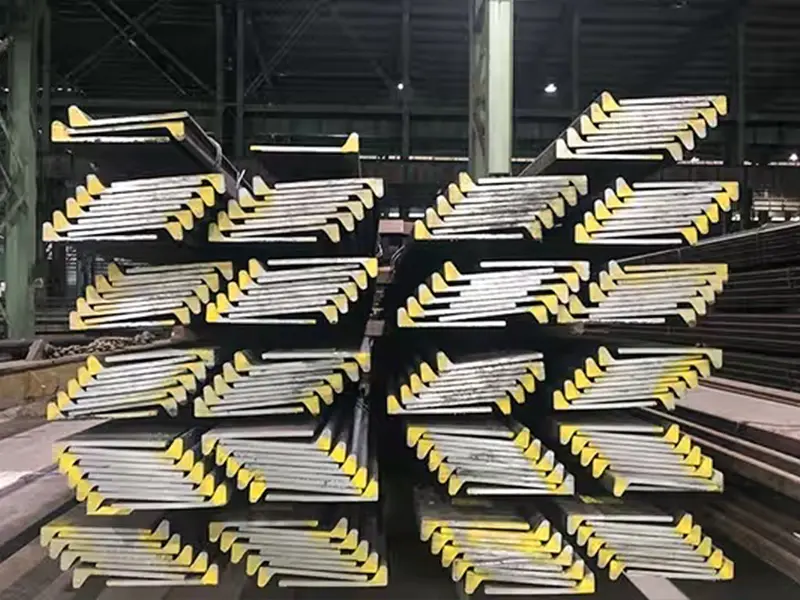
A bulb bar (bulb flat) is used as a stiffener. It is welded perpendicularly to hull plates, deck plates, and bulkheads to prevent them from buckling under load. In a ship, bulb bars1 create a grid of reinforcement that allows the hull to be strong yet light. Without them, the hull plates would need to be much thicker, adding weight and reducing cargo capacity. They are a critical structural component, not an optional extra.
Why the Use Dictates the Supply Strategy
The criticality of bulb bars1 shapes how you must source them.
1. Critical Path Material2.
Bulb bars are on the critical path of ship construction.
- Sequence: Plates are cut and prepared. Then bulb bars1 are welded on. If bulb bars1 are late, the entire hull block stops.
- Impact: A delay in bulb bars1 is not just a delay in one material. It is a delay in the whole project.
2. No Substitutes3.
You cannot easily substitute a bulb bar with another product.
- Flat bar? Too weak. You would need a much heavier section, adding weight and cost.
- Angle? Different geometry. It would not fit the design.
- Fabricated section? Possible, but expensive and time-consuming. Not a practical solution for large quantities.
3. Quality is Non-Negotiable4.
Because bulb bars1 are primary structure, their quality must be flawless.
- Grade: Must match the design specification.
- Certification: Must be approved by the classification society.
- Dimensions: Must be within tight tolerances for fit-up.
4. Supply Strategy Implications.
- Treat as Critical: Bulb bars are not a commodity you can source at the last minute. They require advance planning.
- Build Relationships: You need suppliers who understand their importance and will prioritize your orders.
- Secure Capacity: Long-term agreements with mills are the best way to ensure availability.
My Insight from the Field
A shipyard in the Philippines once ran out of bulb flats for a hull block. The next scheduled delivery was two months away. They had to stop work on that block and move crews to other areas, causing inefficiency and overtime costs. The project manager told me, "We will never let that happen again." Now, they keep a buffer stock of critical sizes and have a framework agreement with us for top-up orders. This buffer cost them money in inventory, but it saved them from much larger delay costs.
What are the different types of flat steel?
Your long-term project needs more than just bulb flats. You also need plates, flat bars, and maybe sheets. If you source each from a different supplier, you multiply your risk. A disruption in any one supply chain affects the whole project. Understanding the different types of flat steel helps you consolidate your sourcing and reduce complexity.
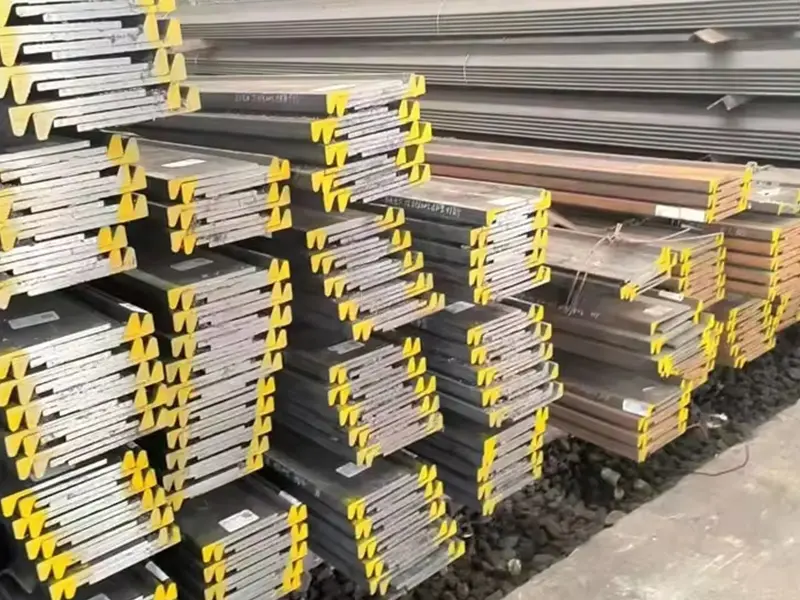
Flat steel includes several distinct products. Steel plate1 is thick, wide, and used for primary structure. Steel sheet2 is thinner, often supplied in coils, for panels and cladding. Flat bar3 is narrow and rectangular, for brackets and framing. Bulb flat4 is a specialized profile for stiffening. For long-term projects, sourcing all these from one reliable supplier simplifies logistics and reduces risk.
Consolidation as a Stability Strategy
Using one supplier for multiple flat steel products offers several advantages.
1. Simplified Procurement.
- One Relationship: Instead of managing multiple suppliers, you build a deep partnership with one.
- One Set of Documents: Purchase orders, invoices, and certificates are consolidated.
- One Logistics Chain: Shipments can be combined, reducing freight costs and handling.
2. Reduced Risk.
- Single Point of Accountability: If something goes wrong, you know who to call. No finger-pointing between suppliers.
- Better Visibility: Your supplier sees your entire flat steel demand and can plan production accordingly.
- Priority Treatment: A supplier who values your total business will prioritize your orders during tight supply.
3. Quality Consistency.
- Same Mill Sources: A good supplier can source all your flat steel from the same mill group, ensuring consistent metallurgy.
- Unified Certification: Certificates come from the same source, making verification easier for your quality team.
4. Cost Efficiency.
- Volume Discounts: Bundling different products increases your total order volume, leading to better pricing.
- Shared Freight: Combining products into full container loads saves on shipping costs.
- Reduced Administrative Cost: Your team spends less time on procurement.
My Insight from the Field
A shipyard in Thailand used to buy plates from one supplier, bulb flats from another, and flat bars from a third. They spent weeks each year managing these relationships. When the bulb flat supplier had a quality issue, the plate supplier blamed the bulb flat supplier, and no one took responsibility. They switched to sourcing all flat steel from us. Now, they have one point of contact, one set of documents, and one person to hold accountable. Their procurement manager told me, "My stress level has dropped 80%." This is the power of consolidation.
What is a bulb plate?
You are reviewing an old specification. It says "bulb plate." What is that? If your supplier does not know, they might guess. And guessing leads to instability. For long-term projects, you must eliminate ambiguous terms. You must ensure everyone speaks the same language.
"Bulb plate" is an ambiguous, non-standard term that should be eliminated from procurement documents. It most likely refers to a bulb flat1 (the stiffener profile). However, it could be misinterpreted. In a long-term supply agreement, using such terms invites errors and instability. The solution is to create a material glossary2 with standardized terms3 and share it with all suppliers. This ensures that what you order is what you receive, every time.
Standardization: The Foundation of Stable Supply
A stable supply chain runs on clear, consistent communication.
1. Create a Material Glossary.
For your long-term project, create a document that defines every material you will use.
- Preferred Term: Bulb Flat
- Definition: Hot-rolled steel profile with flat web and rounded bulb, conforming to EN 10067.
- Typical Sizes: HP 300×12, HP 280×11, etc.
- Grades: DH36, AH36 (with class society specification)
- Banned Terms: Bulb plate, bulb bar (if you want to be strict), L-shaped stiffener.
2. Share the Glossary.
- With Your Team: Ensure everyone internally uses the same terms.
- With Suppliers: Include the glossary in your request for quotation and in the final contract. Ask suppliers to confirm they understand and will use these terms.
3. Enforce Consistency.
- In RFQs: Use only the preferred terms.
- In Quotes: Review supplier quotes for compliance. If they use a banned term, ask for correction.
- In Purchase Orders: Use the preferred terms.
- In Shipping Documents: Require suppliers to use the preferred terms on packing lists and certificates.
4. The Long-Term Benefit.
Over the life of a multi-year project, team members change. New people join. Having a standardized glossary ensures continuity. A new buyer can look up "bulb flat1" and know exactly what it means. A new supplier can read the glossary and quote accurately. This reduces errors and builds stability.
My Insight from the Field
We have a long-term client in Saudi Arabia (Gulf Metal Solutions) who uses our material glossary2 for every project. When they send us an inquiry, it is always perfectly specified. When new people join their procurement team, they are trained on the glossary. When they audit our shipments, everything matches. This consistency has built a trust that spans years. They know that when they order "bulb flat1, HP300x12, DH36 per EN 10067," that is exactly what they will get. This is the foundation of a stable, long-term partnership.
Conclusion
Securing stable bulb flat steel supply for long-term projects requires clear specifications, understanding of use, consolidation of flat steel sourcing, and standardized terminology. A strategic partnership with a reliable supplier turns procurement from a risk into a certainty.
-
Understanding bulb flat specifications is crucial for accurate procurement and project stability. ↩ ↩ ↩ ↩ ↩ ↩ ↩ ↩ ↩ ↩ ↩ ↩ ↩ ↩ ↩ ↩
-
A well-defined material glossary can eliminate ambiguity and enhance communication with suppliers. ↩ ↩ ↩ ↩ ↩ ↩
-
Standardized terms ensure clarity and consistency, reducing errors in long-term projects. ↩ ↩ ↩ ↩
-
Find out how bulb flat steel is utilized in various applications, particularly in shipbuilding and structural reinforcement. ↩ ↩