
You are managing a large shipbuilding project. You need hundreds of tons of angle steel. You have multiple suppliers. Each one has different lead times. You spend hours on emails. Your head hurts.
Simplifying marine angle steel procurement for large projects means standardizing your specifications, choosing one reliable supplier, streamlining the ordering process, and planning for risks like price changes and supply delays. A clear strategy cuts complexity and saves time.
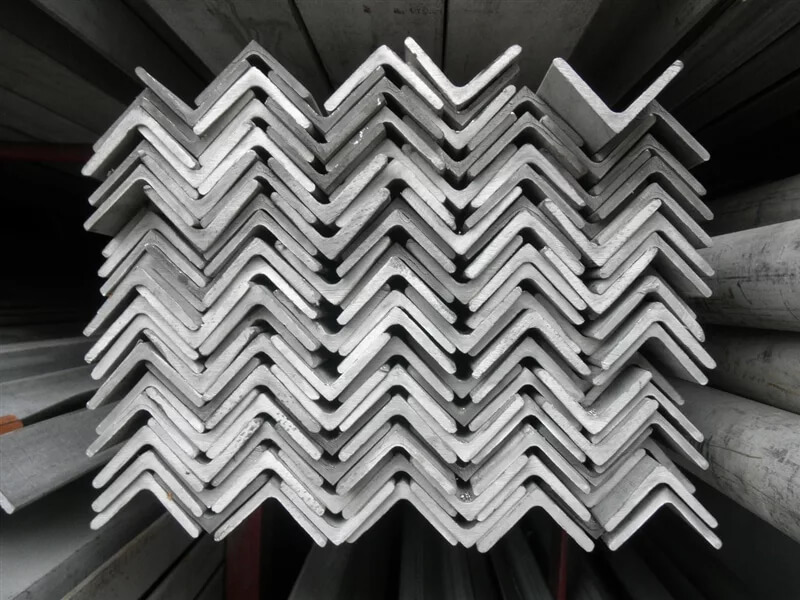
I have worked with project managers across Southeast Asia and the Middle East. I have seen procurement get complicated fast. I have also seen it run smoothly. The difference is always in the planning. Let me walk you through four ways to make it simpler.
Why Does Standardizing Specifications Reduce Procurement Complexity?
You look at the bill of materials. It has twenty different angle bar sizes. Some are Grade A. Some are AH32. Some are 80x80x8. Some are 100x100x10. You are not sure why the designer used so many. You know it will make ordering harder.
Standardizing specifications1 means reducing the number of different sizes and grades you use in a project. Fewer variations mean fewer purchase orders, easier inventory management, and faster processing from the steel mill. It also reduces the chance of ordering the wrong material.
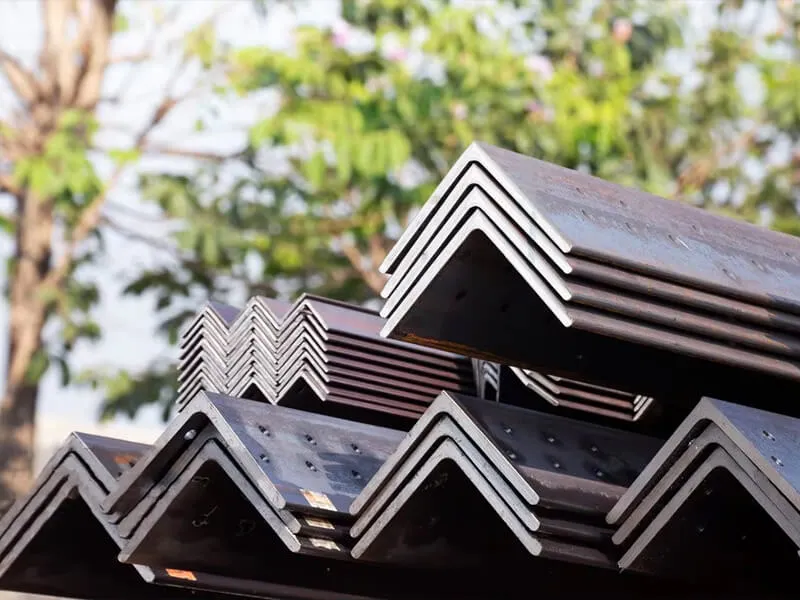
Let me explain why this matters so much.
The Cost of Too Many Variations2
Every time you add a new size or grade, you add complexity.
- More purchase orders: You need to track each size separately.
- More inventory space: You need separate storage for each size.
- More risk of error: It is easy to grab the wrong bar when you have too many options.
- Slower mill production: Steel mills run best when they make the same size repeatedly. Switching sizes costs time.
What You Can Standardize
Size Selection3
Many designers pick angle bar sizes based on individual calculations. They end up with a wide range. But often, you can group similar sizes together.
For example, instead of using 80x80x8, 90x90x9, and 100x100x10, you might use just 90x90x9 and 100x100x10. The weight difference is small. But the procurement simplification is big.
Grade Selection4
Mixing grades adds complexity. Each grade needs separate mill certificates. Each grade has different welding procedures.
If the project allows it, use one grade for most of the structure. If you need high-strength steel for some areas, keep it to one grade like AH32. Do not mix AH32, DH36, and EH36 unless you really need to.
| Standardization Approach5 | Before | After | Savings |
|---|---|---|---|
| Number of sizes | 15 | 8 | 47% fewer SKUs |
| Number of grades | 4 | 2 | 50% fewer certificates |
| Purchase orders | 12 | 3 | 75% less paperwork |
| Inventory bins | 15 | 8 | 47% less space |
A Real Example
I worked with a client in Malaysia building a series of tugboats. His designer had specified twelve different angle bar sizes. The project was small. The procurement was a mess.
We sat down with his engineer. We looked at the stress calculations. We found that four of the sizes were very close. We could replace them with two sizes. We also simplified the grades from three to two.
The result was simple. He placed one purchase order instead of four. His inventory was easier to manage. His yard workers stopped picking the wrong bars. He told me the standardization saved him about two weeks of work.
The Pushback You Might Get
Sometimes engineers resist standardization. They want to optimize every single part. I understand that. But I tell them to think about the total cost6.
A slightly heavier angle bar costs a little more in material. But it saves money in procurement, inventory, and labor. Often the total cost is lower. So when you plan your next large project, ask your design team to consolidate the sizes. It is a small change that makes a big difference.
How to Choose a Supplier Who Can Handle Large-Scale Projects?
You find a supplier online. Their price is low. You place an order. Then the problems start. They do not respond to emails. The steel arrives late. The quality is not consistent. You wish you had chosen differently.
A supplier who can handle large-scale projects must have strong mill relationships, proven export experience, dedicated English-speaking support, third-party inspection capability, and the flexibility to handle phased deliveries. These qualities matter more than the lowest price.
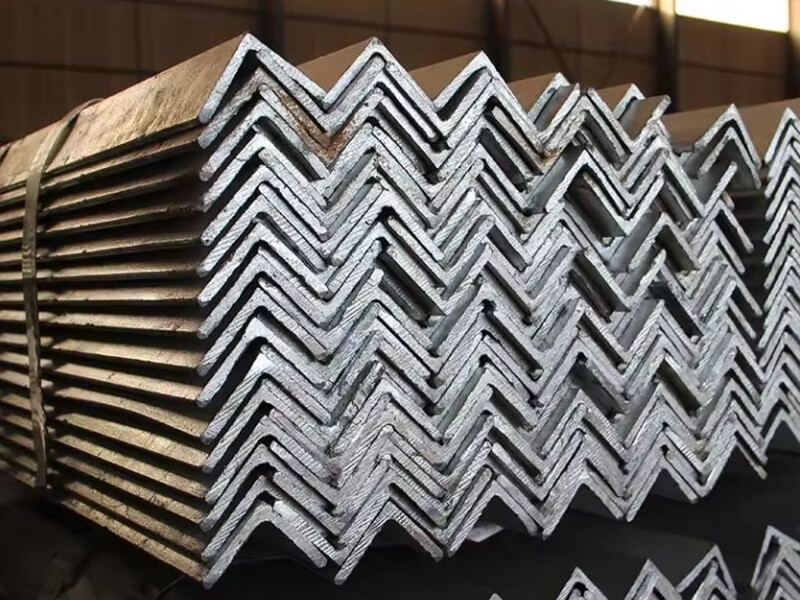
I have been on the supplier side for years. I know what it takes to handle big projects. Let me tell you what to look for.
The Five Qualities of a Reliable Supplier
1. Strong Mill Relationships1
A good supplier does not just buy from traders. They work directly with certified mills. This matters for two reasons.
First, direct mill relationships mean better pricing. The middleman is removed. Second, it means priority during production. When capacity is tight, the mill ships to their direct partners first.
How to check: Ask who they work with. Ask for the mill names. If they hesitate, that is a red flag.
2. Proven Export Experience2
Shipping steel to another country is not simple. There are port requirements, customs rules, and documentation needs. A supplier who has done it many times will handle it smoothly.
How to check: Ask about their main export countries. Our business ships to Vietnam, Mexico, Qatar, Saudi Arabia, Malaysia, and many others. That experience means we know the requirements for each port.
3. Dedicated English-Supported Communication3
This is a big one. I have seen clients struggle with suppliers who have poor English skills. Emails go unanswered for days. Questions get misunderstood. Problems take longer to solve.
What to look for: A supplier who assigns a dedicated export sales rep. That person should speak fluent English. They should respond within hours, not days.
4. Third-Party Inspection Capability4
Large projects often require third-party inspection. SGS, BV, or other agencies need to verify the steel before shipment. A reliable supplier will arrange this without any trouble.
How to check: Ask if they support SGS inspection. If they say yes, they are used to working with third parties.
5. Flexibility for Phased Deliveries5
Large projects do not need all the steel at once. You need it in stages. A good supplier will work with your schedule.
What to look for: Ask about their MOQ (minimum order quantity). If they have a high MOQ, they may not be flexible. We keep our MOQ flexible so clients can phase their orders.
A Quick Evaluation Table
| Criteria | What to Ask | Red Flag |
|---|---|---|
| Mill relationships | "Which mills do you work with?" | "We source from various suppliers" |
| Export experience | "What countries have you shipped to?" | "This is our first time to your country" |
| Communication | "Who will be my contact?" | "We have a general sales email" |
| Inspection | "Can you arrange SGS inspection?" | "We do not work with third parties" |
| Flexibility | "What is your MOQ?" | "Full container only, no exceptions" |
The Gulf Metal Solutions Example
I mentioned Gulf Metal Solutions earlier. They are a client in Saudi Arabia. Before they found us, they worked with three different Chinese suppliers. Each one had problems. One was slow to respond. Another had inconsistent quality. None had good English support.
When they started working with us, we assigned a dedicated export sales rep. She speaks fluent English. She responded within hours. We arranged third-party inspection before shipment. We also offered flexible MOQ so they could phase their orders.
Their feedback after the first project said it all: "The steel company was the first supplier to respond within two hours, and maintained this rapid response speed throughout the entire delivery process."
That is what a reliable supplier looks like.
What Does a Streamlined Procurement Process Look Like?
You have a project. You need steel. You send an inquiry. You wait for a quote. You send a purchase order. You wait for confirmation. You ask for an update. You wait again. The process feels slow and manual.
A streamlined procurement process1 uses one purchase order for the whole project, phased deliveries2 to match your schedule, digital tracking3 for real-time updates, and clear documentation sent before the steel ships. This removes the back-and-forth that slows down large projects.
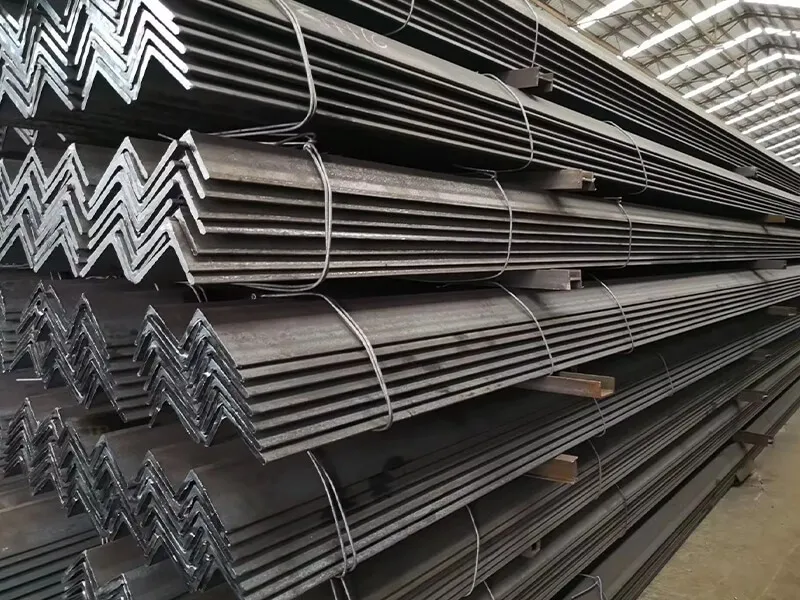
Let me show you what this looks like in practice.
Step 1: One Purchase Order for the Entire Project
Many buyers place separate orders for each batch. That creates extra work. A better way is to use one purchase order that covers the whole project. The PO lists all the steel you need. But it also specifies the delivery schedule.
Here is what that PO looks like:
| Phase | Material | Quantity (tons) | Delivery Month |
|---|---|---|---|
| Phase 1 | Grade A, sizes 80-100 | 120 | Month 1 |
| Phase 2 | Grade A, sizes 100-120 | 180 | Month 3 |
| Phase 3 | AH32, various sizes | 100 | Month 5 |
| Phase 4 | Mixed sizes, finishing | 50 | Month 7 |
One PO. Four deliveries. Simple.
Step 2: Phased Deliveries
Phased deliveries mean the steel arrives when you need it. Not before. Not after. This keeps your yard clear. It also keeps your cash flow healthy.
We work with our clients to build a delivery schedule that matches their hull assembly sequence. The bottom steel comes first. Then the midship steel. Then the deck and superstructure. Then the finishing materials.
Step 3: Digital Tracking
You should not have to chase your supplier for updates. A good supplier will give you a tracking system.
At our company, we send our clients a shipment schedule. It shows:
- When the mill will produce each size
- When the steel will be inspected
- When it will be loaded
- The vessel name and sailing date
- The estimated arrival date
You check the schedule. You know where your steel is. You do not need to email us every day.
Step 4: Documentation Before Shipment
The biggest delay I see is with certificates. The steel arrives. The certificates arrive later. The yard cannot start work.
A streamlined process fixes this. We send the mill certificates and inspection reports by email before the steel leaves China. You can review them. If anything is wrong, we fix it before the steel ships.
Step 5: Clear Communication Channels
A streamlined process also means you know who to talk to. We assign one export sales rep to each client. That person knows your project. They know your schedule. They know your requirements.
You do not have to explain your project to a new person every time you call. One contact. One number. One email.
What This Saves You
Let me give you some numbers from a recent client.
| Area | Before Streamlining | After Streamlining | Savings |
|---|---|---|---|
| Procurement admin time | 8 hours per week | 2 hours per week | 6 hours per week |
| Steel waiting time at yard | 3 weeks average | 1 week average | 2 weeks per phase |
| Email threads | 50+ per project | 10 per project | 80% reduction |
| Certificate delays | 2 weeks average | 0 days | 2 weeks saved |
That is time and money back in your pocket.
How to Mitigate Risks Like Price Volatility1 and Supply Disruptions?
You plan your budget. You place your order. Then steel prices go up. Or the mill delays production. Or a port closes. Your project budget and timeline are at risk.
To mitigate risks like price volatility and supply disruptions, use long-term agreements to lock in pricing, place rolling orders to secure mill capacity, maintain safety stock for critical sizes, and choose a supplier with strong mill relationships who can adapt to changes.
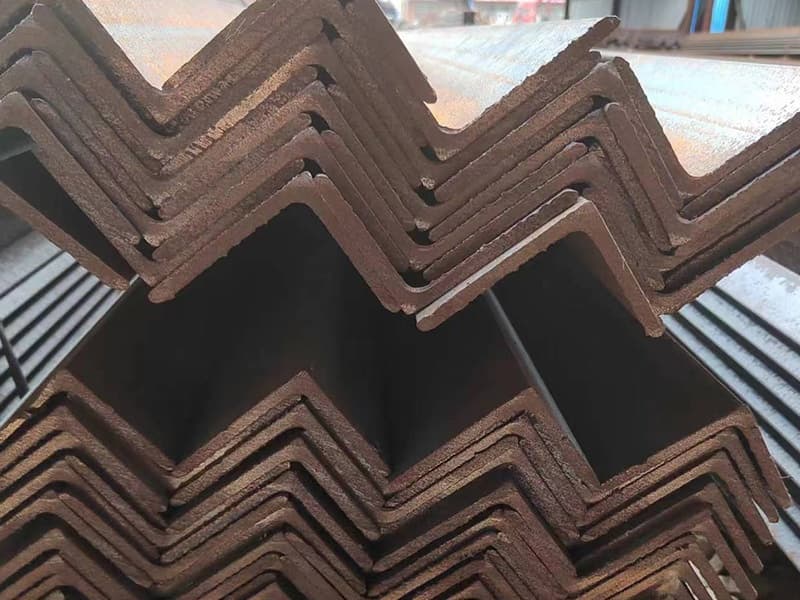
Let me walk you through the risks I see most often and how to handle them.
Risk 1: Price Volatility
Steel prices move up and down. A sudden increase can blow your budget.
Solution: Long-Term Agreements2
A long-term agreement (LTA) with your supplier locks in pricing for the duration of the project. You agree on a price per ton at the start. Even if the market goes up, you pay the agreed price.
How to do it: Ask your supplier if they offer fixed pricing for large projects. Some do. Some do not. We offer this for clients who commit to the full project volume.
Risk 2: Mill Capacity Shortages
When the market is busy, mills get full. Your order might get pushed back.
Solution: Rolling Orders3
A rolling order means you place the full project volume with the mill through your supplier. The mill reserves capacity for your project. Then you release batches according to your schedule.
How to do it: Work with a supplier who has direct mill relationships. They can book mill capacity for you. You do not have to compete with other buyers for production slots.
Risk 3: Supply Chain Disruptions4
Ports close. Ships get delayed. These things happen.
Solution: Safety Stock5 and Phased Deliveries
Keep a safety stock of your most critical sizes. These are the bars you need to keep production moving. If a shipment is delayed, you have enough to continue for two to three weeks.
Phased deliveries also help. If one shipment is delayed, the others are still on schedule. You do not put all your steel on one ship.
Risk 4: Quality Inconsistency6
You get steel from different suppliers. The quality varies. Your welders have to adjust.
Solution: Single Supplier Strategy7
This is the simplest solution. One supplier means one quality standard. Your welders know what to expect. The steel is consistent.
A Risk Management Table
| Risk | Impact | Mitigation Strategy | Who Does It |
|---|---|---|---|
| Price increase | Higher cost | Long-term fixed pricing | Supplier |
| Mill delay | Late delivery | Rolling orders, capacity reservation | Supplier |
| Port disruption | Shipping delay | Safety stock, multiple shipment phases | Buyer and supplier |
| Quality variation | Rework, inspection failures | Single supplier, pre-shipment inspection | Supplier |
| Certificate issues8 | Work stoppage | Certificates sent before shipment | Supplier |
A Real Story
I had a client in Vietnam who was building three bulk carriers. He placed his steel order in January. By March, steel prices had gone up 15%. But he had a long-term agreement with us. He paid the January price. His competitors who bought spot market steel paid much more.
Later that year, a typhoon closed a major port. His shipment was delayed by two weeks. But he had safety stock for his critical sizes. His production kept running. He told me later that the safety stock was the best advice I gave him.
What You Can Do Today
If you are starting a large project, do these three things:
- Ask about long-term pricing. See if your supplier can lock in rates for the full project.
- Build a safety stock plan. Identify the sizes you cannot live without. Keep extra.
- Use one supplier for the whole project. Consistency reduces risk.
These steps take time to set up. But they save you from bigger problems later.
Conclusion
Simplifying marine angle steel procurement means standardizing sizes, picking the right partner, streamlining your process, and planning for risks before they happen.
-
Understanding strategies for price volatility can help you secure better deals and protect your budget. ↩ ↩ ↩ ↩
-
Exploring long-term agreements can provide insights into stabilizing costs and ensuring supply. ↩ ↩ ↩ ↩
-
Learn about rolling orders to ensure mill capacity and timely deliveries for your projects. ↩ ↩ ↩ ↩
-
Identifying supply chain disruptions can help you prepare and mitigate risks effectively. ↩ ↩ ↩
-
Managing safety stock is crucial for maintaining production during unforeseen delays. ↩ ↩ ↩
-
Addressing quality inconsistency is vital for maintaining production standards and reducing rework. ↩ ↩
-
A single supplier strategy can enhance quality consistency and simplify logistics. ↩
-
Understanding certificate issues can prevent work stoppages and ensure compliance. ↩