
A ship in dry dock needs fast repairs. The wrong steel plate can delay the job by weeks.
The most common marine steel plates for repair and conversion are AH36 for high-strength areas and ordinary mild steel (Grade A) for non-critical patches. You also need DH36 for cold-climate conversions. Matching new plates to old hulls requires careful grade selection, dimensional checks, and proper weld procedures. I have supplied repair plates for dry docks in Vietnam, Mexico, and Saudi Arabia.
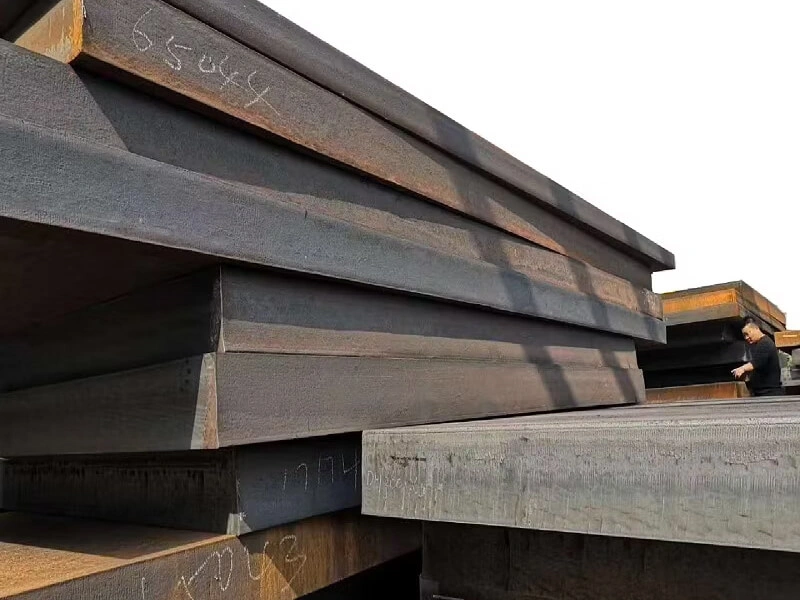
I know repair jobs are always urgent. You do not have time for mistakes. So let me share what I have learned from helping shipyards in Pakistan, Romania, and the Philippines with their steel plate needs.
What Steel Plate Grades Are Most Used for Ship Repair and Conversion?
You walk into a dry dock. The old hull has corrosion. You need to cut out the bad section and weld in a new plate. What grade do you use?
For most repair jobs, use the same grade as the original hull. If the original is unknown, use AH36 for structural repairs on large vessels. Use Grade A mild steel1 for smaller patches on superstructures or non-critical areas. For conversions that add new sections to a ship, use DH36 if the vessel will sail to colder regions. I helped a buyer in Romania convert a bulk carrier into a container ship. We used AH36 for 80% of the new steel.
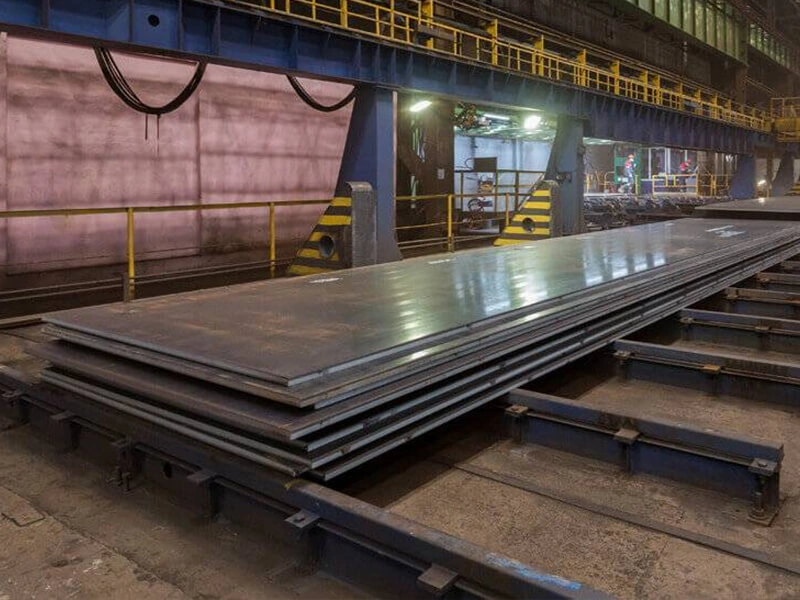
Let me break down the grades and where to use them in repair work.
I am Zora Guo. I have supplied marine steel plates for ship repair projects in more than 10 countries. Repair work is different from new building. The ship is already in service. The old steel has been stressed, welded, and exposed to salt water for years. So you cannot just pick any plate.
Here is my guide based on real repair jobs.
Grade A mild steel – for non-structural patches
Grade A has a yield strength of 235 MPa. It is cheap and easy to weld. Use it for:
- Repairing handrails and ladders
- Patching small holes in the superstructure (not the hull)
- Replacing deck plates in low-stress areas
- Fixing non-critical bulkheads2 inside the ship
Do not use Grade A for:
- The outer hull below the waterline
- The bottom structure
- Any area that carries heavy loads
I remember a repair yard in the Philippines. They used Grade A to patch a hole in the side shell of a small cargo ship. Six months later, the patch cracked. The ship started leaking. They had to dry dock again. The cost was three times the original repair. So be careful.
Grade AH363 – for structural repairs
AH36 has a yield strength of 355 MPa4. It is 50% stronger than Grade A. Use it for:
- Replacing corroded sections of the outer hull5
- Patching the bottom plates
- Repairing the main deck
- Strengthening old bulkheads during conversion
For most commercial vessels over 10,000 tons, the original hull is AH36. So you should repair with AH36. Mixing a weaker grade into a strong hull creates a weak spot.
Grade DH366 – for conversions that go to cold areas
DH36 has the same strength as AH36 (355 MPa). But it has better impact toughness at -20°C. Use DH36 for:
- Adding new sections to a ship that sails to Northern Europe or North America
- Repairing the bow area of vessels that go to cold ports
- Conversions that extend the ship’s length (the new section needs cold-weather toughness)
How to choose when you do not know the original grade
Sometimes the ship is old. The original mill certificate is lost. The stamp on the steel is worn out. What do you do?
Here is my rule of thumb:
- For a ship built after 2000, assume AH36 for the hull.
- For a ship built between 1980 and 2000, it could be Grade A or AH36. Do a hardness test7 or a small tensile test on a sample from the old steel.
- For a ship built before 1980, use Grade A for patches on the superstructure. For hull repairs, use AH36 to be safe (stronger is better than weaker).
Here is a decision table for repair yards:
| Repair location | Vessel type | Recommended grade |
|---|---|---|
| Outer hull below waterline | Large cargo ship | AH36 (match original) |
| Outer hull above waterline | Large cargo ship | AH36 or Grade A |
| Deck (cargo area) | Bulk carrier | AH36 |
| Deck (accommodation area) | Any | Grade A |
| New section added (conversion) | Any | AH36 or DH36 (for cold routes) |
| Internal bulkhead (non-cargo) | Any | Grade A |
I recently supplied 150 tons of AH36 plates to a repair yard in Vietnam. They were fixing a 25,000-ton oil tanker. The original hull was AH36. They used my plates for the bottom patches. The repair passed inspection with no problems.
How to Match New Steel Plates with Old Hull Structures?
You have the new plate. You cut out the old, damaged section. Now you need to fit the new plate into the hole. But the old steel is not straight anymore. It has warped over time.
To match new plates with old hulls, measure the opening carefully. Then cut the new plate 2-3mm smaller than the opening on all sides. This gap allows for welding. Also check the thickness. The new plate should be the same or slightly thicker than the old one. I learned this from a repair job in Mexico where the old hull was 0.5mm thinner than the design. We used a 0.5mm thicker plate to restore the strength.
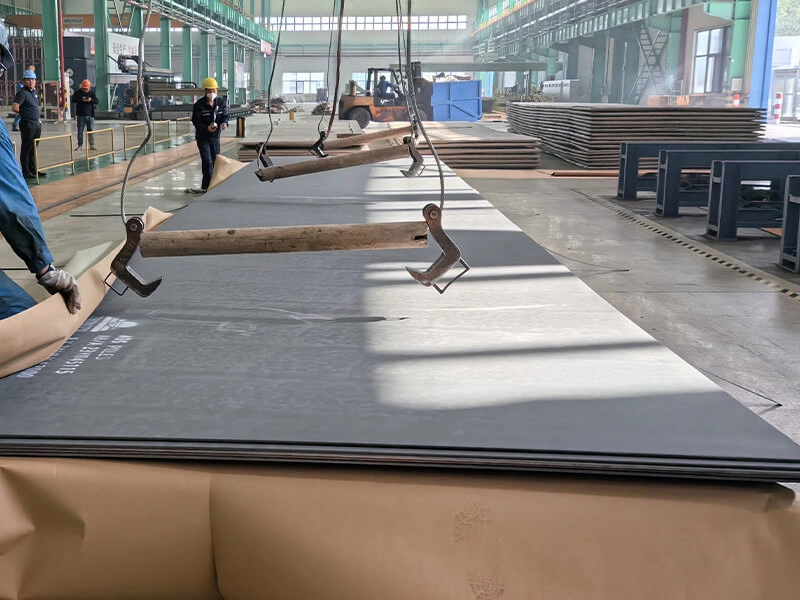
Let me share the practical steps for a good fit-up.
I am Zora Guo. A few years ago, a buyer in Mexico called me. He was repairing a 15-year-old fishing boat. He ordered 12mm plates to match the original design. But when his workers cut out the old section, they measured the old plate. It was only 11.5mm thick due to corrosion. He put the new 12mm plate in. It was thicker than the surrounding old steel. That created a step. The welder had to build up the old edge with multiple passes. It took three extra days.
So here is the right way to match new and old steel.
Step 1 – Measure the old steel thickness1
Do not trust the original design drawing. The old steel has lost thickness from corrosion. Use an ultrasonic thickness gauge2. Measure the old steel at five points around the repair area. Take the average.
If the average is 11.5mm, order new plates at 11.5mm or 12mm. But if you order thicker, you need to plan for the step.
Step 2 – Check the steel grade of the old hull3
If possible, take a small sample from the old steel (away from the repair area). Send it to a lab for a quick tensile test. Or use a portable hardness tester. This tells you the approximate strength.
Match the new grade to the old grade. Do not put a weaker grade into a stronger hull. That creates a weak link.
Step 3 – Measure the opening with care
After you cut out the bad section, the opening will not be a perfect rectangle. The old hull has stresses. The edges may have moved. So measure the opening at three points (top, middle, bottom) for both width and height.
Then cut your new plate 2-3mm smaller than the smallest measurement. This gap (called root gap4) is needed for the weld to penetrate fully.
Here is an example:
- Opening width: 1000mm at top, 1002mm at middle, 998mm at bottom
- Use the smallest: 998mm
- Cut new plate width: 998mm – 3mm = 995mm
Step 4 – Prepare the edges
The old steel edges need to be clean. Grind away any rust, paint, or old weld. Then cut a bevel (an angled edge) on both the old and the new plate. The standard bevel angle5 is 30 to 35 degrees. This allows the weld to go deep into the joint.
Step 5 – Tack weld and check alignment
Put the new plate into the opening. Use small tack welds to hold it in place. Then check the alignment. The new plate should be flush with the old plate on both sides. If the new plate is thicker, you need to weld a taper on the old side.
Here is a simple checklist for your repair team:
| Check item | Tool | Target |
|---|---|---|
| Old steel thickness | Ultrasonic gauge | Match new plate or plan for step |
| Opening dimensions | Steel tape measure | New plate 2-3mm smaller |
| Edge bevel | Bevel gauge | 30-35 degrees |
| Alignment | Straight edge | Flush within 1mm |
I remember a repair yard in Pakistan. They did not follow these steps. They cut the new plate exactly the same size as the opening. It did not fit. They had to grind the plate down on site. That took 8 hours. The welder was angry. The ship left dry dock one day late. That cost $5,000 in extra dock fees. So take the time to measure and cut right.
What Inspection and Testing Are Needed Before Installing Repair Plates?
You have the new plate. But is it the right material? Is the old steel around the repair area still sound? You need to check before you weld.
Before installing repair plates, do three inspections: ultrasonic thickness measurement1 of the old steel around the repair area, magnetic particle inspection2 to find cracks near the cut edge, and a material verification check3 on the new plate (heat number, certificate, and thickness). I have seen repairs fail because the old steel next to the patch had hidden cracks. The new plate was fine. But the old steel broke.
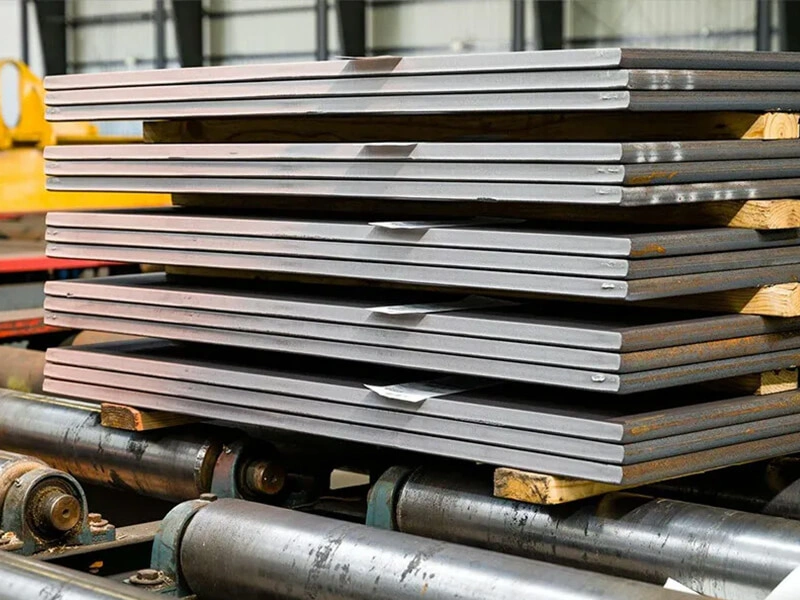
Let me show you the inspection steps that save your repair.
I am Zora Guo. A buyer in Saudi Arabia once told me about a failed repair. His team cut out a corroded section of the hull. They welded in a new plate. Two weeks later, a crack appeared next to the weld. Not on the weld, but on the old steel. The old steel had micro-cracks from fatigue. They did not check for them. The repair had to be redone.
So here is my pre-installation inspection protocol.
Inspection 1 – Ultrasonic thickness mapping of the old steel
Do not just measure the old steel at one point. Map the entire area around the repair. Measure every 50mm in a grid. Look for thin spots. Also look for laminations (internal separations) in the old steel.
For a repair area of 500mm x 500mm, take at least 25 measurements. If you find any spot that is more than 20% thinner than the original design, you need to cut out a larger area. Do not patch over thin steel.
Inspection 2 – Magnetic particle inspection (MPI) for cracks
After you cut out the bad section, the remaining old steel has a fresh cut edge. This edge can have micro-cracks from the cutting torch or from fatigue. Use magnetic particle inspection. A simple kit costs a few hundred dollars. You spray a liquid with iron particles on the steel. Then you use a magnet. Cracks show up as dark lines.
If you find cracks, grind them out. If they are deep, cut back further.
Inspection 3 – Verify the new plate material
Before you cut the new plate, check its certificate. Make sure the heat number matches the stamp on the plate. Also measure the thickness at three points. Write down the numbers.
Then do a simple spark test or a portable PMI (Positive Material Identification) test4. A PMI gun shoots a beam at the steel and reads the chemical composition. This confirms the plate is the right grade. I have seen suppliers send A36 plates when the buyer ordered AH36. The PMI test catches that.
Inspection 4 – Check the edge preparation5
Look at the bevel on both the old and the new plate. The angle should be between 30 and 35 degrees. The surface should be clean, with no rust or oil. Use a bevel gauge to check.
Inspection 5 – Dry fit and gap check
Put the new plate into the opening without welding. Measure the root gap6 (the space between the old and new steel). It should be between 2mm and 4mm. If the gap is too small, the weld cannot penetrate. If the gap is too big, the weld will drop through.
Here is a summary table:
| Inspection | Tool | Acceptance criteria |
|---|---|---|
| Old steel thickness | Ultrasonic gauge | No spot below 80% of original design |
| Cracks in old steel | Magnetic particle | No cracks visible |
| New plate grade | PMI gun or certificate check | Matches order (AH36, etc.) |
| New plate thickness | Caliper or micrometer | Within tolerance (-0.3mm to +0.6mm) |
| Bevel angle | Bevel gauge | 30-35 degrees |
| Root gap | Feeler gauge or ruler | 2mm to 4mm |
I always tell my repair buyers: "Spend one hour on inspection. Save one week on rework." It is that simple.
How to Plan Steel Plate Delivery for Fast Turnaround in Dry Dock?
A ship in dry dock costs money every day. You cannot wait six weeks for steel. You need the plates fast.
To get fast steel delivery1 for dry dock repairs, work with a supplier who keeps common sizes in stock2. Order small quantities (5 to 20 tons) with flexible MOQ3. Use express sea freight4 or air freight for urgent jobs. Also build a relationship with one supplier who knows your repair yard’s typical sizes. I keep stock of AH36 and Grade A plates in 10mm, 12mm, 15mm, and 20mm for my repair customers in Malaysia and Qatar.
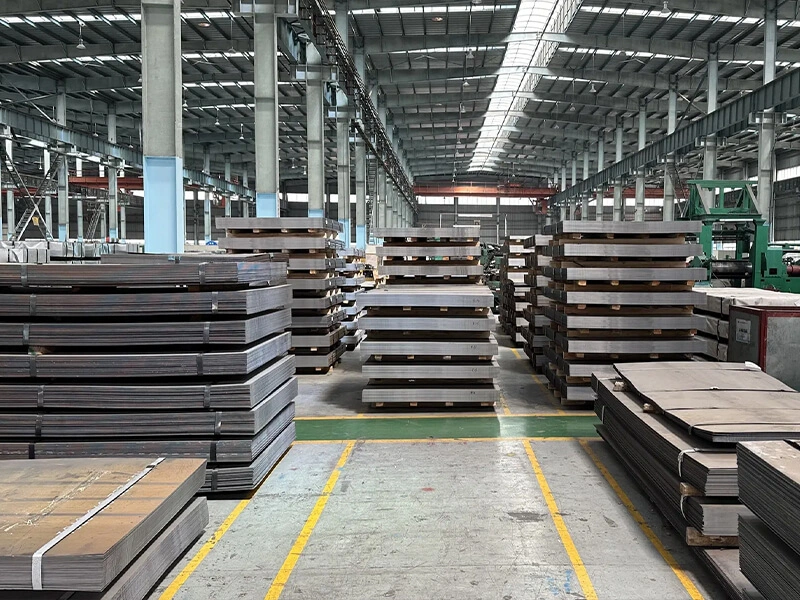
Let me share a delivery system that works for repair yards.
I am Zora Guo. One of my buyers in Qatar runs a repair yard. He told me: "Zora, my biggest problem is not the repair. It is waiting for steel. My previous supplier took 4 weeks to deliver 10 tons of plates. My ship sat in dry dock for 3 weeks with no work. That cost me $30,000."
So we set up a new system. Now he gets his plates in 10 to 14 days. Here is how.
Step 1 – Keep a stock list of common sizes
Most ship repairs use the same few thicknesses. For hull repairs, 10mm, 12mm, 15mm, and 20mm are the most common. For superstructure repairs, 6mm and 8mm are common.
Ask your supplier: "What sizes do you have in stock right now?" A good supplier (like my company) keeps these common sizes on hand. We do not need to wait for the mill to produce them.
Step 2 – Use flexible MOQ
Repair jobs are small. You do not need 100 tons. You need 5 tons or 10 tons. Find a supplier who accepts small orders. I accept orders as low as 5 tons for repair customers. Yes, the price per ton is a little higher. But you save on dry dock fees. That is worth it.
Step 3 – Choose the right shipping method
For repair jobs, you have three shipping options:
| Method | Time from China to Middle East | Cost per ton | Best for |
|---|---|---|---|
| Regular sea freight | 25-35 days | $50-80 | Planned repairs (not urgent) |
| Express sea freight | 12-18 days | $120-180 | Urgent repairs with 2-3 weeks of dock time |
| Air freight | 3-5 days | $500-800 | Emergency repairs (ship already in dock) |
I always advise my buyers: If the ship is already in dry dock, use air freight for a small batch (5-10 tons) to start the repair. Then send the rest by express sea freight. This way, work begins in 3 days, not 3 weeks.
Step 4 – Pre-approve the supplier’s certificates
Do not wait until the steel arrives to check the certificate. Ask your supplier to send a digital copy of the mill certificate before shipping. Send that certificate to the class society or your surveyor for pre-approval. This saves 2-3 days of waiting.
Step 5 – Build a long-term stock arrangement5
If your repair yard does similar jobs every month, set up a consignment stock. You keep a small stock of common plates at your yard. The supplier owns the steel until you use it. You pay only when you take a plate. This cuts delivery time to zero.
I have this arrangement with a repair yard in Malaysia. They keep 20 tons of AH36 plates in 12mm and 15mm. When they use 5 tons, they send me a message. I ship 5 tons to refill their stock. They never run out. And they never wait.
Here is a sample delivery plan for a repair yard:
| Thickness | Grade | Stock at yard (tons) | Refill trigger (tons left) | Refill quantity |
|---|---|---|---|---|
| 10mm | AH36 | 10 | 3 | 7 |
| 12mm | AH36 | 15 | 5 | 10 |
| 15mm | AH36 | 10 | 3 | 7 |
| 20mm | AH36 | 5 | 2 | 5 |
| 8mm | Grade A | 5 | 2 | 5 |
This system works. I have used it for repair yards in the Philippines and Thailand. The buyers tell me: "Zora, you are the fastest supplier we have."
Conclusion
Pick the right grade. Match new to old steel. Inspect before welding. Then plan fast delivery for dry dock.
My Personal Insights (from 10+ years in marine steel export)
I am Zora Guo. My team in Liaocheng keeps stock of common marine steel plates for repair and conversion projects. We offer flexible MOQ (5 tons minimum) and fast shipping to dry docks in Vietnam, Mexico, Qatar, Saudi Arabia, Malaysia, and more. Send me an email at sales@chinaexhaustfan.com or visit cnmarinesteel.com. Tell me your thickness, grade, and repair schedule. I will send you a delivery plan within 24 hours.
-
Explore this link to discover effective strategies for ensuring quick steel delivery, crucial for minimizing dry dock costs. ↩ ↩ ↩ ↩
-
Explore the importance of having common steel sizes readily available to expedite repairs and reduce costs. ↩ ↩ ↩ ↩
-
Learn how flexible minimum order quantities can save costs and improve efficiency for small-scale repair projects. ↩ ↩ ↩ ↩
-
Find out when to use express sea freight for urgent repairs, ensuring timely delivery and reduced downtime. ↩ ↩ ↩ ↩
-
Discover how a long-term stock arrangement can streamline operations and eliminate waiting times for essential materials. ↩ ↩ ↩ ↩
-
Knowing the correct root gap ensures effective weld penetration, which is critical for the strength of the repair. ↩ ↩
-
Understand the importance of hardness tests in determining the right materials for ship repairs. ↩