
Counterfeit certification documents create serious safety risks in shipbuilding. Many buyers struggle to distinguish genuine ABS and BV certificates from fakes. Proper verification prevents using substandard materials.
Verifying ABS and BV certificates requires checking certificate numbers in classification society databases, confirming manufacturer approval status, validating surveyor signatures, and cross-referencing material test reports. Genuine certificates feature specific security elements, unique numbering systems, and direct verification options through official society portals.

Certificate verification demands understanding both technical requirements and authentication methods. Let’s examine the key questions that ensure certification validity.
What is the process of ABS approval?
The ABS approval process1 involves multiple stages of evaluation and verification. Many manufacturers claim ABS approval without completing full certification.
ABS approval process1 involves manufacturer application2, facility survey, quality system audit3, product testing4, and ongoing surveillance5. ABS surveyors evaluate production facilities, review quality control systems, witness material testing, and issue certificates only after verifying compliance with maritime standards through comprehensive assessment.
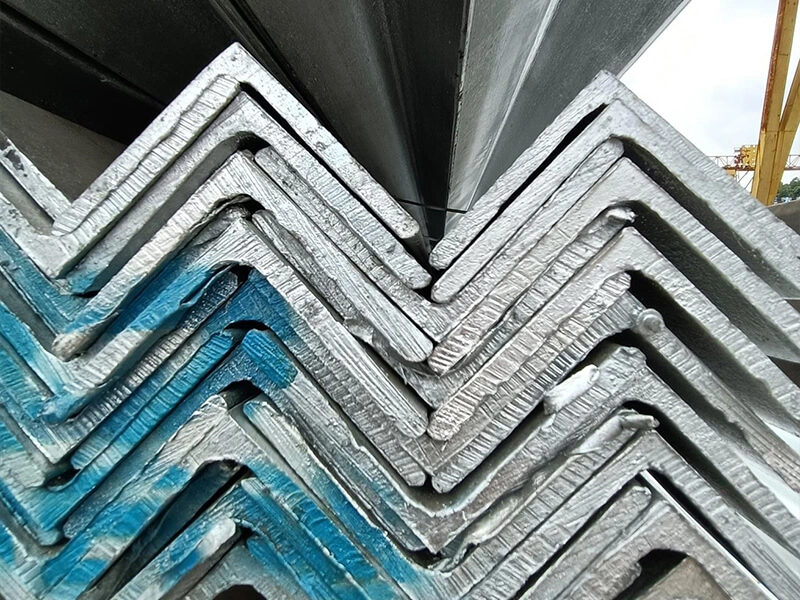
Comprehensive Breakdown of ABS Approval Procedure
The American Bureau of Shipping maintains a rigorous multi-stage approval process that ensures only qualified manufacturers produce materials for marine applications. Understanding this process helps verify certificate authenticity.
Initial Application and Documentation Review
Manufacturers must first submit detailed applications to ABS. The application includes company information, production capabilities, and quality management documentation. ABS reviews the submitted materials for completeness and basic compliance. The manufacturer must demonstrate established quality systems and technical competence. This preliminary stage typically takes 4-6 weeks for thorough evaluation.
Facility Survey and Technical Assessment
ABS surveyors conduct on-site facility inspections. They examine steelmaking equipment, rolling mills, and heat treatment facilities. The surveyors verify that production equipment meets technical requirements. They assess maintenance records and calibration systems for testing equipment. The facility must demonstrate capability to consistently produce compliant materials. Any deficiencies require correction before proceeding.
Quality System Audit and Verification
ABS auditors examine the manufacturer’s quality management system. They review documented procedures for material control and traceability. The audit verifies implementation of statistical process control methods. Personnel qualifications and training records get thoroughly checked. The system must ensure consistent product quality across production batches. This audit often reveals areas needing improvement.
Product Testing and Performance Verification
Manufacturers must produce sample materials for comprehensive testing. ABS witnesses chemical analysis, mechanical testing, and non-destructive examination. Test results must meet specified requirements for the applied product grades. The testing verifies consistency across multiple production batches. Additional testing may include special properties like through-thickness characteristics.
Certificate Issuance and Approval Maintenance
After successful completion of all stages, ABS issues formal approval certificates. The certificates specify approved products, grades, and manufacturing processes. Manufacturers receive listing in ABS approved supplier databases. Regular surveillance audits ensure ongoing compliance with requirements. Certificate validity depends on maintaining satisfactory audit results.
Ongoing Surveillance and Requalification
ABS conducts periodic unannounced audits of approved manufacturers. Surveyors witness routine production and testing activities. They verify continued compliance with approved procedures. Manufacturers must report any significant process changes for re-approval. Annual reviews ensure standards remain current with technological developments.
Documentation and Traceability Requirements
Approved manufacturers must maintain comprehensive records. Heat treatment records document thermal processing parameters. Test certificates provide complete material property data. Traceability systems link finished products to original production data. These records support investigation of any service issues.
| Approval Stage | Duration | Key Activities | Documentation Generated |
|---|---|---|---|
| Application Review | 4-6 weeks | Document evaluation, capability assessment | Preliminary assessment report |
| Facility Survey | 2-3 weeks | Equipment inspection, technical verification | Survey report with findings |
| Quality Audit | 1-2 weeks | System review, procedure verification | Audit report with compliance status |
| Product Testing | 3-4 weeks | Witness testing, performance verification | Test reports and performance data |
| Certificate Issuance | 1-2 weeks | Final review, certificate preparation | Formal approval certificates |
Our manufacturing partners maintain current ABS approvals, and we help clients like Gulf Metal Solutions verify these certifications before material shipment.
What is ABS in maritime?
ABS plays a crucial role in maritime safety but many industry participants misunderstand its full scope and authority.
ABS (American Bureau of Shipping1) is an international classification society2 that sets technical standards3 for ship design, construction, and maintenance. ABS certifies marine materials, equipment, and vessels to ensure they meet safety, quality, and environmental protection requirements for international maritime operations.
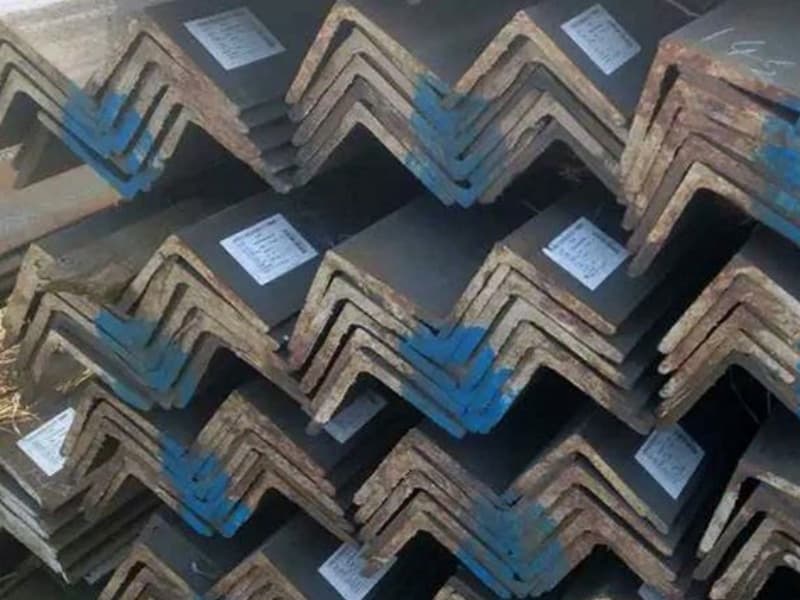
Comprehensive Understanding of ABS in the Maritime Industry
The American Bureau of Shipping1 serves multiple critical functions within the global maritime industry, with responsibilities extending far beyond simple material certification4.
Historical Development and Evolution
ABS traces its origins to 1862 when marine underwriters requested standardized vessel inspection. The organization developed the first comprehensive rules for ship construction in 1870. ABS expanded globally throughout the 20th century as shipping became increasingly international. The society adapted its standards to incorporate technological advancements and safety lessons from marine incidents. Today, ABS maintains one of the most comprehensive rule sets in the maritime industry.
Classification Society Functions
ABS provides classification services that verify vessel compliance with published rules. Classification involves plan review, construction surveillance, and periodic surveys during operation. The society maintains registers of classed vessels and approved materials. Classification certificates facilitate vessel insurance, registration, and port state control acceptance. These services ensure vessels meet international safety standards throughout their operational lives.
Technical Standard Development
ABS develops and maintains technical standards3 for maritime applications. The rules cover ship structures, machinery systems, and special vessel types. Standards evolve based on operational experience and research findings. ABS participates in international standard-setting organizations like IACS. The society provides guidance notes and technical publications to support industry compliance.
Material and Equipment Certification
ABS certifies materials and components for marine use. The certification process involves manufacturer approval and product testing. Certified materials receive ABS type approval certificates. Equipment certification covers machinery, safety systems, and navigation equipment. This certification ensures reliability and compatibility with vessel systems.
Research and Development Activities
ABS conducts significant research to support standard development. The society investigates new materials, construction methods, and operational practices. Research addresses emerging challenges like digitalization and environmental compliance. ABS collaborates with industry partners and academic institutions. Research findings inform rule updates and technical guidance.
Global Presence and Recognition
ABS maintains offices in major maritime centers worldwide. The society employs surveyors and engineers with diverse technical expertise. ABS holds recognition from numerous flag states and port authorities. The organization participates in international maritime regulatory development. This global presence5 ensures consistent standard application across different regions.
Digital and Environmental Initiatives
ABS has developed rules for smart vessel functions and digital systems. The society addresses cybersecurity concerns in maritime operations. Environmental rules cover emissions reduction and ballast water management. ABS supports industry transition to alternative fuels and energy efficiency improvements. These initiatives address evolving industry challenges.
| ABS Function | Service Provided | Industry Impact |
|---|---|---|
| Vessel Classification | Design approval, construction survey | Safety assurance, insurance facilitation |
| Material Certification | Manufacturer approval, product testing | Quality verification, regulatory compliance |
| Technical Standards | Rule development, guidance publication | Industry standardization, best practices |
| Research & Development | Technology assessment, innovation support | Industry advancement, safety improvement |
| Regulatory Support | Flag state advisory, compliance verification | International harmonization, enforcement |
We ensure all our marine angle steel supplies carry genuine ABS certification, providing clients like Gulf Metal Solutions with materials that meet international maritime standards.
How to get ABS certified?
The ABS certification process demands significant preparation and commitment from manufacturers. Understanding the requirements helps proper planning.
Manufacturers get ABS certified by submitting applications, undergoing facility surveys, implementing quality systems, passing product testing, and maintaining ongoing compliance. The process requires documented quality procedures, capable production equipment, qualified personnel, and commitment to continuous improvement under ABS surveillance.
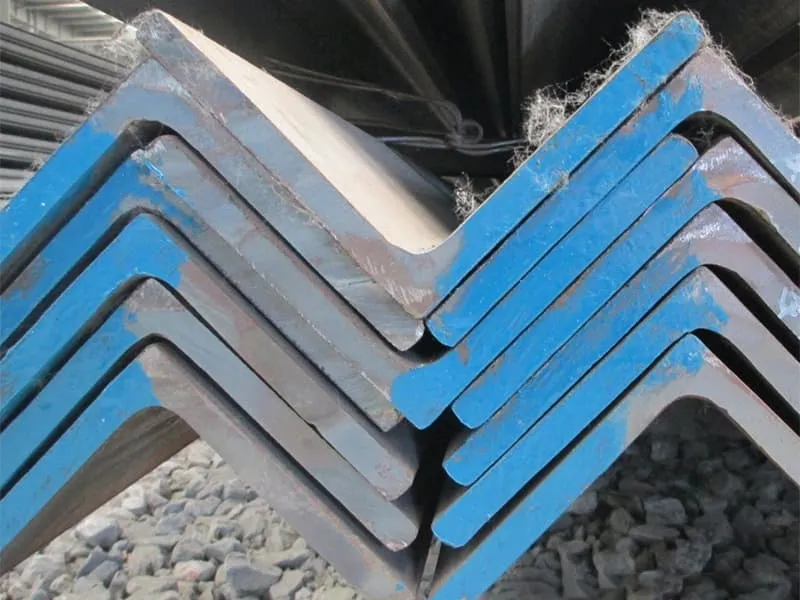
Step-by-Step Guide to Obtaining ABS Certification
The path to ABS certification involves multiple stages requiring technical capability, documentation, and process consistency. Each step demands specific preparations and investments.
Pre-Application Preparation and Assessment
Manufacturers must first evaluate their readiness for ABS certification. This involves gap analysis against ABS requirements. Companies should review their quality management systems and production capabilities. Technical staff need understanding of ABS rules and material specifications. Facilities may require equipment upgrades or process improvements. This preparation phase typically takes 3-6 months for comprehensive readiness assessment.
Formal Application Submission
The application process begins with formal submission to ABS. Applications include company information, facility details, and product specifications. Manufacturers must provide quality manual and procedure documentation. The application specifies requested product grades and approval scope. ABS reviews the submission for completeness and basic compliance. This stage involves detailed communication and clarification with ABS technical staff.
Quality System Development and Implementation
ABS requires documented quality management systems. Manufacturers must develop procedures for all critical processes. The system must address material identification and traceability. Document control ensures current revision availability. Control of non-conforming products prevents unintended use. Records management supports investigation and analysis. Internal audit programs verify system effectiveness.
Production Facility Preparation
Manufacturing facilities must demonstrate capability for consistent production. Equipment must undergo verification of capability and calibration. Environmental conditions must support quality requirements. Material handling systems must prevent mixing or contamination. Testing laboratories require appropriate equipment and qualified personnel. Maintenance programs ensure ongoing equipment reliability.
Product Testing and Performance Demonstration
Manufacturers must produce sample materials for comprehensive testing. Testing covers chemical composition, mechanical properties, and special characteristics. ABS witnesses testing to verify procedure compliance and result accuracy. Multiple production batches demonstrate consistency. Testing must cover the full range of approved products and grades. Results must meet ABS rule requirements without exception.
Survey and Audit Activities
ABS conducts detailed on-site surveys and audits. Surveyors examine production processes and quality system implementation. They verify that practical operations match documented procedures. Auditors interview personnel to assess understanding and competence. The surveys identify any areas requiring improvement before certification. Follow-up actions address identified deficiencies.
Certificate Maintenance and Surveillance
After certification, manufacturers enter ongoing surveillance program. ABS conducts regular audits to verify continued compliance. Manufacturers must report significant process changes for re-approval. Annual reviews ensure standards awareness and implementation. Recertification occurs at specified intervals with comprehensive reassessment.
| Certification Stage | Key Requirements | Typical Duration | Success Factors |
|---|---|---|---|
| Preparation | Gap analysis, system development | 3-6 months | Management commitment, resource allocation |
| Application | Documentation submission, technical review | 4-8 weeks | Complete information, clear communication |
| Facility Survey | Equipment verification, process assessment | 2-4 weeks | Prepared facilities, capable personnel |
| Quality Audit | System implementation, procedure compliance | 1-3 weeks | Documented procedures, effective implementation |
| Product Testing | Performance verification, consistency demonstration | 4-6 weeks | Process control, testing capability |
| Surveillance | Ongoing compliance, continuous improvement | Continuous | System maintenance, management engagement |
Our manufacturing partners maintain current ABS certifications, and we understand the rigorous requirements they must meet to maintain their approved status.
How long is ABS certification good for?
ABS certification validity involves both fixed periods and ongoing compliance requirements. Many users misunderstand the certification duration.
ABS certification remains valid for five years from issue date, subject to successful annual surveillance audits. Manufacturers must pass periodic renewals every five years through comprehensive reassessment. Certification continuity requires maintaining quality systems and passing unannounced audits between renewal cycles.
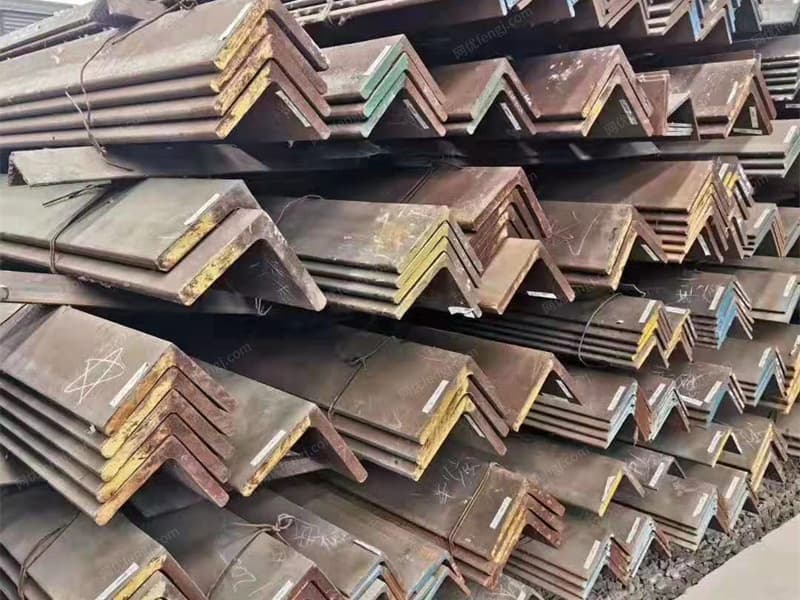
Detailed Analysis of ABS Certification Duration and Maintenance
ABS certification involves both fixed validity periods and continuous compliance requirements. Understanding the complete validity framework ensures proper certificate verification.
Initial Certification Period
New ABS certifications typically receive five-year validity from the issue date. This period allows manufacturers to establish consistent performance records. The certification remains valid throughout this period provided surveillance requirements get met. Initial certifications may involve shorter validity for new manufacturers without established track records. ABS may impose specific conditions on initial certifications based on assessment findings.
Annual Surveillance Requirements
Certified manufacturers must undergo annual surveillance audits. ABS surveyors conduct these audits to verify ongoing compliance. The audits examine quality system maintenance and production consistency. Surveyors review records and witness current production activities. Any non-conformities require corrective action within specified timeframes. Satisfactory surveillance audit results maintain certification validity between renewal cycles.
Renewal Process and Requirements
Certification renewal occurs every five years through comprehensive reassessment. The renewal process resembles initial certification in scope and rigor. Manufacturers must demonstrate maintained capabilities and improved performance. ABS reviews the entire certification scope during renewal assessment. Renewal may involve expanded or reduced scope based on performance and market changes. The renewal process typically begins 6-12 months before certificate expiration.
Continuous Compliance Obligations
Certification validity depends on continuous compliance with ABS rules. Manufacturers must maintain their quality management systems without significant degradation. Process changes require notification and possible re-approval before implementation. Personnel changes affecting key technical positions must meet qualification requirements. Facilities and equipment must remain in proper working condition. These continuous obligations support certification validity between formal assessments.
Suspension and Withdrawal Conditions
ABS may suspend certifications for specific violations or performance issues. Common reasons include repeated non-conformities, failure to implement corrective actions, or significant quality system breakdowns. Suspension allows limited time for problem resolution before certification withdrawal. Withdrawn certifications require complete reapplication rather than simple renewal. These actions protect the integrity of the ABS certification system.
Voluntary Certification Changes
Manufacturers may request certification scope changes between renewal cycles. Scope expansion requires additional assessment of new capabilities. Scope reduction may reflect business focus changes or performance issues. Certificate updates reflect organizational changes like company name or ownership. These changes maintain certificate accuracy and relevance.
Documentation and Record Keeping
Certified manufacturers must maintain comprehensive records supporting certification validity. Quality records demonstrate system implementation and effectiveness. Production records show consistent process control. Test records verify product compliance with specifications. Audit records document surveillance activities and findings. These records support certification maintenance and renewal.
| Validity Aspect | Timeframe | Key Requirements | Consequences of Non-Compliance |
|---|---|---|---|
| Initial Certification | 5 years | Successful initial assessment | Limited scope or conditions may apply |
| Annual Surveillance | Yearly | Satisfactory audit results | Certification suspension possible |
| Renewal Cycle | Every 5 years | Comprehensive reassessment | Certification expiration if not renewed |
| Continuous Compliance | Ongoing | System maintenance, process control | Gradual degradation leading to suspension |
| Process Changes | As occurs | Notification and re-approval | Unauthorized changes may void certification |
We verify the current certification status of our manufacturing partners before each shipment to clients like Gulf Metal Solutions, ensuring all materials meet valid ABS certification requirements.
Conclusion
Verifying ABS and BV certificates requires understanding certification processes, validity periods, and authentication methods. Proper verification ensures marine angle steel meets international safety standards.
-
Explore how ABS ensures maritime safety through its classification and certification processes. ↩ ↩ ↩ ↩
-
Learn about the critical roles classification societies play in maintaining safety and compliance in maritime operations. ↩ ↩
-
Discover the process behind the development of technical standards that ensure safety and efficiency in maritime operations. ↩ ↩ ↩
-
Understand the importance of material certification and how it impacts vessel safety and performance. ↩ ↩
-
Discover how ABS’s worldwide operations ensure consistent application of safety standards across the maritime industry. ↩ ↩