
You receive a shipment of expensive marine L-shaped steel with an ABS certificate. The project’s success depends on this material. But can you trust the paperwork? Fake or non-conforming certificates are a real risk that can stop your project.
Verifying ABS/BV certificates involves a three-step process: first, physically check the steel’s marking against the certificate’s heat number; second, validate the certificate’s authenticity with the issuing classification society (ABS or BV); third, review the technical data to ensure it matches your ordered grade (e.g., AH36, DH36).
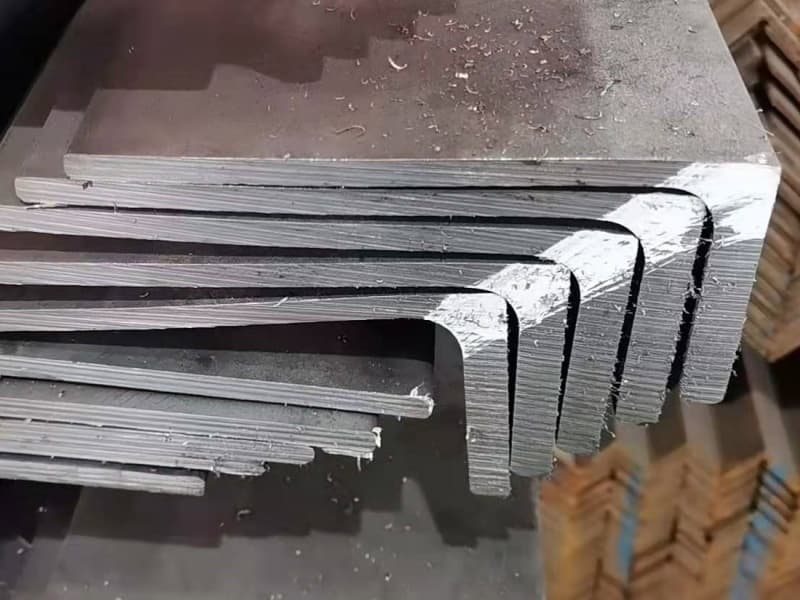
I have seen the consequences of certificate fraud in our industry. A client once received steel with a copied certificate, and it failed inspection at the shipyard, causing huge delays. That’s why we insist on transparency and offer SGS support. Let me guide you through the professional verification steps that protect your investment.
What is ABS certification in marine?
Many buyers hear "ABS certified" and think it means the steel is good. But that’s only part of the story. Certification is a system, not a simple stamp. It’s about controlled production and documented proof.
ABS certification in marine is the formal approval process by the American Bureau of Shipping. It confirms that materials, components, or systems meet ABS’s published Rules. For steel, this means the mill’s production is surveyed, and each batch is tested. The result is a traceable certificate that links the steel to its verified properties.
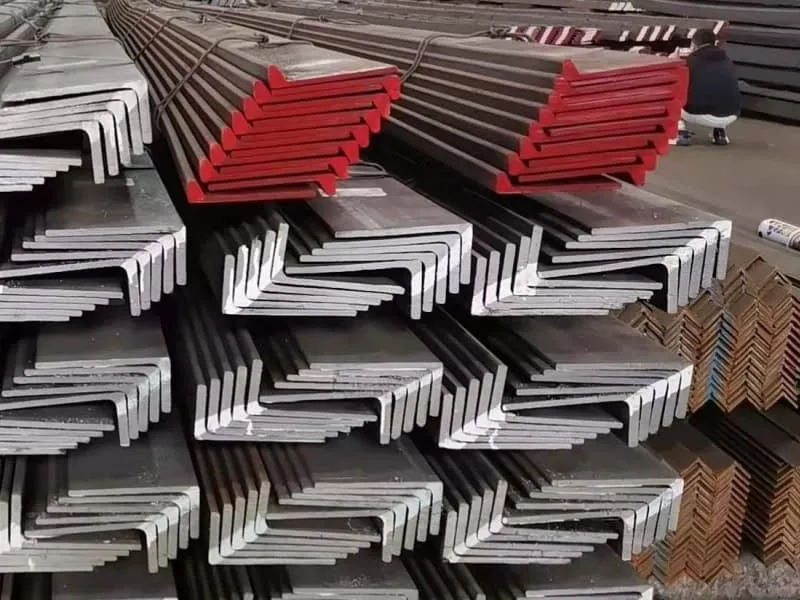
The ABS Certification Framework: More Than a Test Report
ABS certification is a quality assurance system that covers the entire manufacturing chain. It’s designed to prevent failures by ensuring consistency from the mill to your project.
The Levels of ABS Involvement and Certification
Understanding the type of certificate you have is the first step in verification.
| Certification Level | Description | What It Means for Your Steel |
|---|---|---|
| Works Certificate (3.1) | The mill declares the product conforms to ABS Rules based on their own tests, under the scope of their ABS approval. The certificate is issued by the mill. | This is the standard certificate for most bulk materials like plates and sections. It relies on the mill’s ABS-approved quality system. |
| Surveyor’s Attested Certificate (3.2) | An ABS surveyor (or authorized agent) witnesses the specific tests for that batch of material and attests to the results. | This provides a higher level of assurance. It’s often required for critical components or by specific shipyard specifications. |
| Type Approval | ABS approves the design and manufacturing process of a product type (e.g., a specific valve model). | This is for equipment, not for raw materials like steel. For steel, the equivalent is the mill’s approval to produce ABS grades. |
The Critical Link: Mill Approval
Before a mill can issue any ABS certificate, the mill itself must be approved by ABS.
- Mill Assessment: ABS auditors visit the mill. They evaluate the quality management system, production facilities, testing laboratories, and personnel competence.
- Approval to Produce: Once satisfied, ABS grants the mill approval to produce specific grades of steel (e.g., ABS Grade AH, DH, EH). This approval is not permanent; it requires regular audits.
- Authority to Certify: Under this umbrella approval, the mill’s quality control department is authorized to conduct tests and issue Works Certificates (3.1) for each production batch.
When we source ABS-certified L-shaped steel, we work exclusively with mills that hold this valid, current approval. This is the foundational step that makes the final certificate trustworthy. For a buyer like Gulf Metal Solutions, knowing their supplier partners with approved mills is a primary reason to engage. It removes a major layer of risk from their procurement process.
How to check ABS ID?
Every piece of ABS-certified steel should have a unique identifier. This is the physical link between the metal and the paperwork. If this link is broken, the certificate is useless. Checking this ID is the first and most basic verification step.
To check the ABS ID, locate the heat number or identification mark stamped or painted on the steel piece or bundle. Then, match this number exactly to the "Heat Number" or "Melt Number" field on the ABS Mill Test Certificate. Any mismatch means the certificate does not belong to that material.
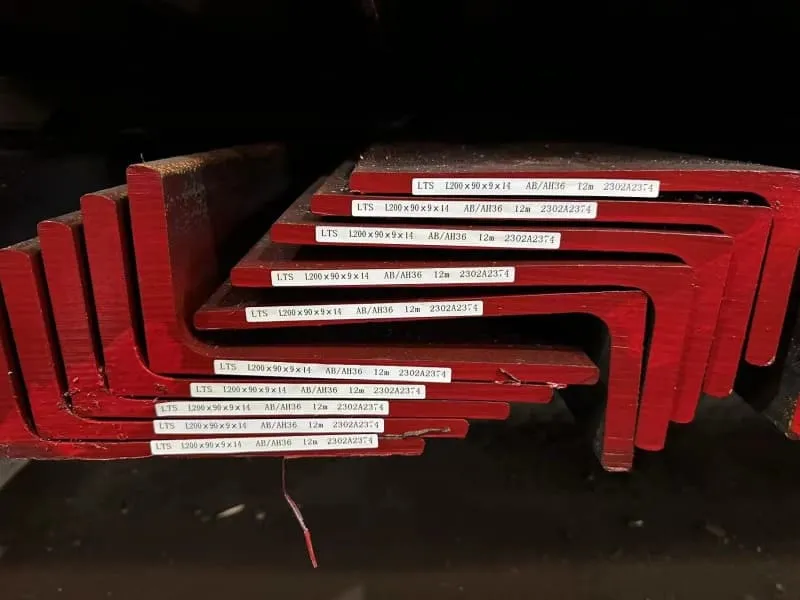
A Step-by-Step Guide to Physical Identification Checking
This process must be methodical. It should be done when the steel is received at your warehouse or fabrication shop.
Where and How to Find the Identification Marks
The marks are not always in an obvious place. You need to know where to look.
| Marking Type | Typical Location | What to Look For |
|---|---|---|
| Stamped Heat Number | Usually on one end of long products (plates, sections) or on each piece/bundle. It’s a series of letters and numbers punched into the steel. | A physical indentation. It might look like "AB123456X". This is the most reliable permanent mark. |
| Paint-Stenciled Marking | Along the length of the piece or on the side of a bundle. | Painted letters and numbers indicating heat number, grade, size. This can wear off during handling, so check upon arrival. |
| Tag or Label | Attached to a bundle with wire or adhesive. | A weather-resistant tag with printed information. This is common but can be detached, so it’s a secondary check. |
The Verification Protocol: A Three-Point Match
Doing this check properly involves more than a quick glance.
- Point 1: Certificate to Delivery Note. When the truck arrives, get the delivery note. It should list the heat numbers for the material on that truck. Cross-reference these with the heat numbers on the certificates provided.
- Point 2: Delivery Note to Physical Material. Go to the bundles. Find the stamped or painted heat number on the steel. Compare it to the heat number on the delivery note. They must match.
- Point 3: Physical Material to Certificate. Finally, take the heat number from the steel and find the corresponding Mill Test Certificate. The numbers must be identical. No match, no acceptance.
What to Do If There Is a Discrepancy
If the numbers don’t match, stop. Do not unload or use the material.
- Possible Scenario 1: The certificate is for a different batch. Contact the supplier immediately and request the correct certificate for the delivered heat numbers.
- Possible Scenario 2: The steel has no legible markings. This is a serious non-conformance. The material is not properly traceable and should be rejected. A professional mill would never ship material without proper identification.
- Possible Scenario 3: You suspect the marking is forged. This is rare but possible. The next step is to involve a third-party inspector (like SGS) to investigate further, possibly including spectrographic analysis to check the chemistry.
This fundamental check is something we encourage all our clients to do. In fact, when we arrange optional SGS inspection, this is the very first thing their inspector does upon arrival at the loading port. It’s a simple step that catches major problems before steel ever leaves China, saving our clients time, money, and headaches.
What is the validity of type approval certification for marine products?
This question often causes confusion because "type approval" applies differently to raw materials like steel versus finished equipment. For steel mills, the approval to produce is ongoing but subject to renewal. For the steel you buy, the material certificate itself does not "expire."
For marine products, a Type Approval Certificate for equipment (like a pump) typically has a fixed validity period, often 5 years, after which renewal is required. For raw materials like steel, the mill’s approval to produce is subject to periodic audits, but the Mill Test Certificate for a specific batch of steel is valid indefinitely for that batch; it is a record of fact.
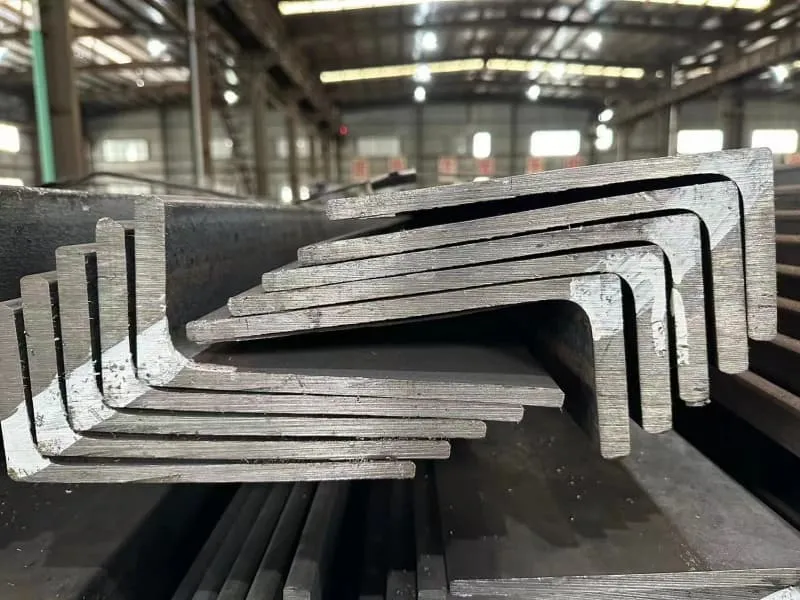
Untangling Validity: Mill Approval vs. Material Certificate
It’s crucial to separate the approval of the manufacturer from the certificate for the product. They are related but governed by different rules.
Validity Concepts for Marine Steel
| Item | Validity Rule | Implication for Buyers |
|---|---|---|
| Mill’s Type Approval / Manufacturing License | This is not a "certificate" you get. It’s the mill’s status with ABS/BV. It requires surveillance audits (e.g., yearly) and a renewal audit every 3-5 years to remain active. | You should confirm your supplier’s mill has a current, unexpired approval. You can ask the supplier for evidence or, for high-value orders, verify with the class society. |
| Mill Test Certificate (MTC) / Works Certificate | This document is permanently valid for the specific batch of steel it describes. It is a historical record proving that batch, produced on a certain date, met the rules. | You should keep this certificate for the life of the vessel (25+ years). It does not "go bad." However, steel can sit in a warehouse for years before use. The certificate is still valid, but you must check the steel for rust or damage. |
| Product’s Shelf Life / Condition | The steel itself can degrade if stored poorly. Surface rust can occur. This does not invalidate the certificate, but it makes the material unsuitable for use without remediation. | Validity of the material’s condition is separate from the certificate’s validity. You must inspect the physical steel regardless of the certificate’s age. |
Why This Distinction Matters for Your Project
Understanding validity prevents two common mistakes:
- Mistake 1: Rejecting Old Stock with Valid Certs. A fabricator might find steel in their yard with a 2-year-old MTC. The certificate is still perfectly valid as a record. The steel should be inspected for condition (rust, damage) and, if sound, can be used. Rejecting it solely based on the certificate date is wrong and wasteful.
- Mistake 2: Accepting Steel from a Mill with Lapsed Approval. This is the dangerous one. If a mill’s ABS approval lapsed in 2022, any MTC they issue in 2024 for "ABS grade" steel is not valid, even if the document looks perfect. The steel was not produced under the required supervisory system. You must verify the mill’s approval status is current.
In our practice, we maintain long-term cooperation with mills whose approvals are consistently renewed. This gives our clients continuity. We don’t jump between unknown mills. When a client in the Philippines places a repeat order for ABS AH36 angles, they can be confident it comes from the same approved source as their last order. This stability is a core part of our value proposition to results-driven buyers.
How do I verify an ABS certification?
You have the certificate and the marked steel. Now you need to be sure the document itself is genuine and its contents are correct. This is where verification moves from a simple check to a forensic process.
You verify an ABS certification through a combination of physical checks, document analysis, and official confirmation. First, match heat numbers. Second, review the certificate for correct ABS logos, authorized stamps, and a valid surveyor signature. Third, for ultimate assurance, contact ABS directly via their online verification system or client portal to confirm the certificate’s authenticity.
A Comprehensive Verification Checklist
Treat the certificate like a legal document. Scrutinize every element.
Level 1: Basic Document Authentication
Examine the certificate’s form and format. Look for signs of tampering or forgery.
| Element on Certificate | What to Check | Red Flags |
|---|---|---|
| ABS Logo & Header | The layout and logo should match standard ABS certificate templates. Fonts should be clean and professional. | Blurry logos, misaligned text, or low-quality printing suggest a photocopy or forgery. |
| Issuing Mill’s Details | Full name and address of the mill. This should be a known ABS-approved mill. | A vague mill name ("China Steel Works") or a known trading company posing as a mill. |
| Authorized Signatures & Stamps | Look for the stamped seal of the mill’s quality department AND the stamp/signature of the attending surveyor (for 3.2 certs). | Missing stamps, handwritten signatures that look copied, or stamps that are smudged and unclear. |
| Certificate Number | A unique, sequential number. It should follow a logical format. | A suspiciously round number (e.g., 10000) or a number out of sequence with other certs from the same mill. |
Level 2: Technical Data Review
Even a genuine-looking certificate can have wrong data. You or your engineer must review the numbers.
- Grade Compliance: Confirm the certificate states the correct grade you ordered (e.g., "ABS Grade AH36"). Check the chemical composition and mechanical test results in the tables. Verify each value (Yield Strength, Tensile, Impact Energy) meets the minimum requirements for AH36 as per ABS Rules. Any value below the minimum fails.
- Test Standards: The certificate should reference the correct testing standards (e.g., ASTM A370 for mechanical tests). Outdated or incorrect standards are a warning sign.
- Heat Number Consistency: Ensure the heat number in the text matches the one in the stamped box or header. Also, check that the reported plate thickness or section size matches what you received.
Level 3: Direct Society Verification (The Gold Standard)
For high-value or critical orders, go to the source.
- ABS Online Verification: ABS offers online services for clients. If you are an ABS client (like a shipyard), you can log into the ABS Client Portal or use their "ABS Eagle" platform. You can often input the certificate number, heat number, or mill details to get confirmation.
- Contact ABS Directly: You or your appointed third-party inspector (like SGS) can contact the local ABS office. Provide them with the certificate details. They can check their internal records to confirm if the certificate was legitimately issued.
- Bureau Veritas (BV) Verification: The process for BV certificates is similar. BV has its own online certificate verification system called "VeriSTAR Info." You need the certificate number and other details to perform a check.
We understand that not every buyer has direct access to class society portals. This is where our SGS inspection support adds tremendous value. SGS, as a globally recognized inspection body, has established channels to verify certifications with class societies on behalf of the buyer. They act as your independent eyes, performing all three levels of verification. Offering this service isn’t just an add-on for us; it’s a commitment to transparency that builds the deep trust our long-term partners rely on.
What is AH361 steel?
This seems like a basic question, but in the context of certificate verification, it’s the final checkpoint. The certificate might be genuine, but does it prove you got the right type of steel? Understanding AH361 ensures the certificate’s data has meaning.
AH361 is a high-strength marine structural steel grade defined by classification societies like ABS. The "A" indicates standard impact toughness, "H" means high strength, and "36" denotes a minimum yield strength2 of 355 MPa (51 ksi). An ABS certificate3 for AH361 provides verified proof that a specific batch of steel meets these strict chemical, strength, and toughness requirements.

AH361 in the Context of Certification: The End Goal
Your entire verification process aims to answer one question: "Is this L-shaped steel truly ABS AH361?" The certificate is the answer, but only if it’s authentic and accurate.
How the Certificate Encodes AH361 Properties
A valid ABS MTC for AH361 will contain specific, non-negotiable data points.
| Required Property for AH361 | Where to Find it on the Certificate | What to Verify |
|---|---|---|
| Yield Strength (ReH) | In the "Mechanical Tests" table. | Must be ≥ 355 MPa (or ≥ 51 ksi). Any value lower is a failure. |
| Tensile Strength (Rm) | In the "Mechanical Tests" table. | Must be within the range specified by ABS rules (typically 490-620 MPa). |
| Charpy Impact Energy4 | In the "Impact Tests" table. Listed for a specific test temperature (e.g., 0°C). | Must meet the minimum joules specified by ABS for the thickness (e.g., ≥ 34 J at 0°C for certain thicknesses). |
| Chemical Composition | In the "Chemical Analysis" table. | Carbon, Manganese, Silicon, Phosphorus, Sulfur, and Carbon Equivalent (CE) must all be within the limits for AH361. Low P and S are especially important. |
The Consequences of Getting It Wrong
If verification fails, and non-AH361 steel is built into a vessel, the ramifications are severe.
- Class Survey Failure: During construction surveys, the class surveyor reviews material certificates. A missing, invalid, or non-compliant certificate will result in a "non-conformity." The shipyard must then cut out and replace the non-compliant steel—a massively expensive and delaying rework.
- Structural Integrity Risk: If undetected, sub-standard steel could lead to premature cracking or failure in service, especially in cold waters or under high stress. This risks the vessel, cargo, and crew.
- Insurance and Liability Issues: In the event of an incident, insurers will investigate material compliance. The use of uncertified or wrongly certified steel could void insurance coverage and expose the owner to massive liability.
For a buyer like Gulf Metal Solutions, who supplies to project contractors, delivering certified AH361 isn’t optional—it’s their license to operate. They need a steel supplier who understands this at a foundational level. When they order from us, they aren’t just buying steel; they are buying the certainty that comes with verifiable, class-approved certification. This allows them to bid on projects with confidence and build their reputation for reliability.
Conclusion
Verifying ABS/BV certificates is a critical skill that protects your project from fraud, delays, and safety risks. Follow a systematic process: match physical marks, authenticate the document, and validate the data.
-
Explore this link to understand the properties and applications of AH36 steel, crucial for marine construction. ↩ ↩ ↩ ↩ ↩ ↩ ↩ ↩ ↩ ↩ ↩ ↩
-
Discover the importance of yield strength in steel certification and how it affects structural integrity. ↩
-
Learn about ABS certificates to ensure your steel meets industry standards and avoid costly mistakes. ↩
-
Find out how Charpy Impact Energy testing ensures steel can withstand impact, crucial for safety. ↩