
I have been in the steel business for a long time. I see many shipyards looking for plates. But now, something is changing in Southeast Asia. The demand is growing fast, and I want to tell you why this matters for your next project.
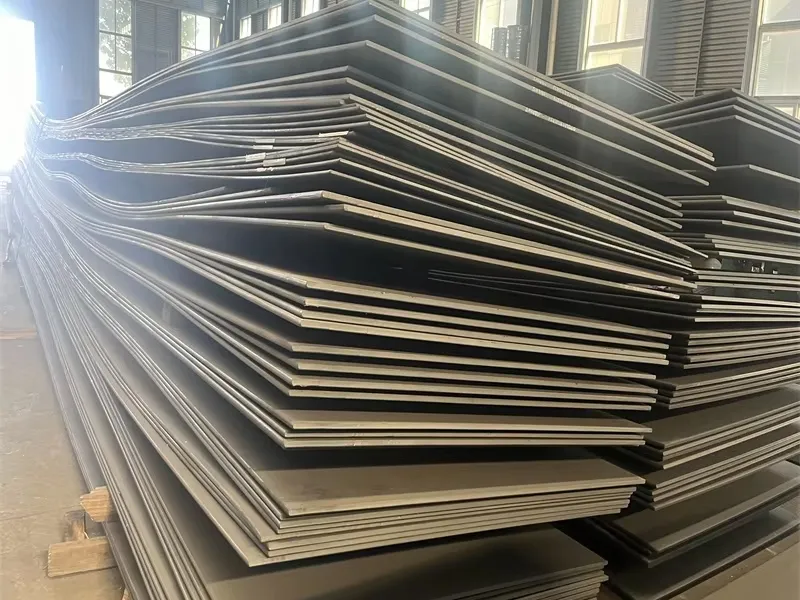
Southeast Asia shipyards are driving a big increase in marine steel plate demand. This growth comes from new shipbuilding projects and repairs. Many buyers in Vietnam, the Philippines, and Malaysia now look for reliable suppliers who can offer stable quality and fast delivery.
You might be a project contractor or a wholesaler. You want to know if the steel you buy is right for the job. Maybe you had problems before with slow replies or bad quality. Let me walk you through the basics of marine steel plate. This will help you make a better choice.
What is the density of steel plate1?
Many buyers ask me about density first. They think it is a simple number. But I find that people get confused when the steel arrives and feels different from what they expected.
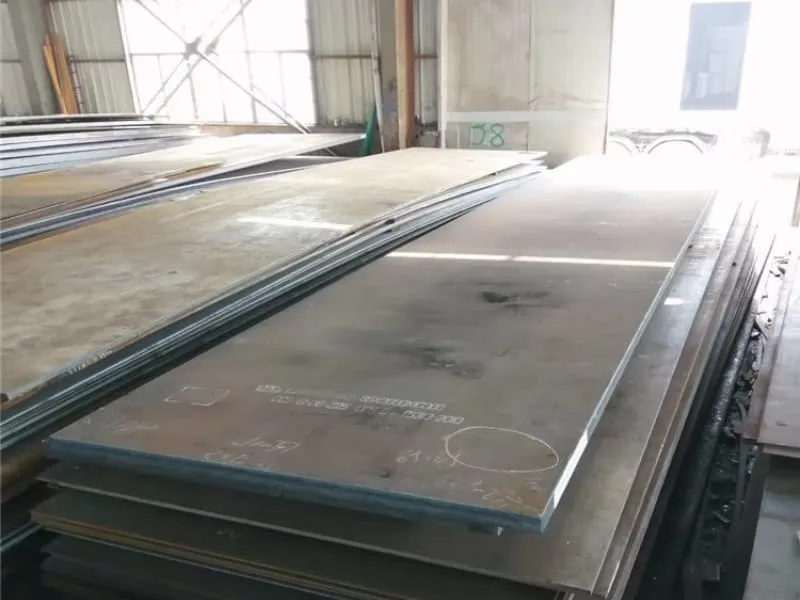
The density of steel plate1 is about 7.85 grams per cubic centimeter2. This is a standard number for most carbon steel. It helps you calculate the weight of the plate for shipping and structural support.
Why Density Matters for Shipbuilding and Shipping
You need to know the exact weight of the steel. This is not just for the ship’s design. It also affects your shipping cost from my warehouse in Liaocheng to your port in Dammam or Manila.
Let me break this down for you. The density number, 7.85 g/cm³, is a rule of thumb. It works for most marine grades like Grade A or AH363. But here is something I learned from my clients. If the steel chemistry changes a little, the density can shift. This is rare, but it happens.
I remember a client from Pakistan. He ordered a big lot of plates. He calculated the total weight based on the density. When the steel arrived, the total weight was slightly different. He was worried. We checked the mill certificate. The actual density was still within the standard range. The small difference came from the alloy mix. We added a bit more manganese for strength. This changed the density by a tiny amount. It did not affect the performance. But it changed the total shipping weight.
Here is a simple table to show you how this works in real life:
| Plate Thickness (mm) | Width (m) | Length (m) | Volume (m³) | Weight Calculation (kg) |
|---|---|---|---|---|
| 10 | 2 | 6 | 0.12 | 0.12 * 7850 = 942 |
| 20 | 2 | 6 | 0.24 | 0.24 * 7850 = 1884 |
| 30 | 2.5 | 12 | 0.9 | 0.9 * 7850 = 7065 |
You can see the pattern. Multiply the volume by 7850 kg/m³. That gives you the weight. This is the same as using 7.85 g/cm³. I use this formula every day to quote shipping costs.
Some people ask me about stainless steel or aluminum. Their density is different. But for marine steel plate, which is what I sell, 7.85 is the number to remember. This helps you plan the transport. If you are loading a container ship in Qingdao, you must not go over the weight limit. Using the right density from the start saves you time and money.
Another point is the design of the ship itself. Naval architects use this density to calculate the lightship weight. This is the weight of the ship without cargo4. If the density is off, the ship might sit too low in the water. This is a safety issue. So, the standard density is a critical part of the whole process.
What is a steel plate made of?
I get this question from new buyers all the time. They see a piece of steel and think it is just iron. But the reality is more interesting. The mix of ingredients decides if the plate will last in the sea or crack in the cold.
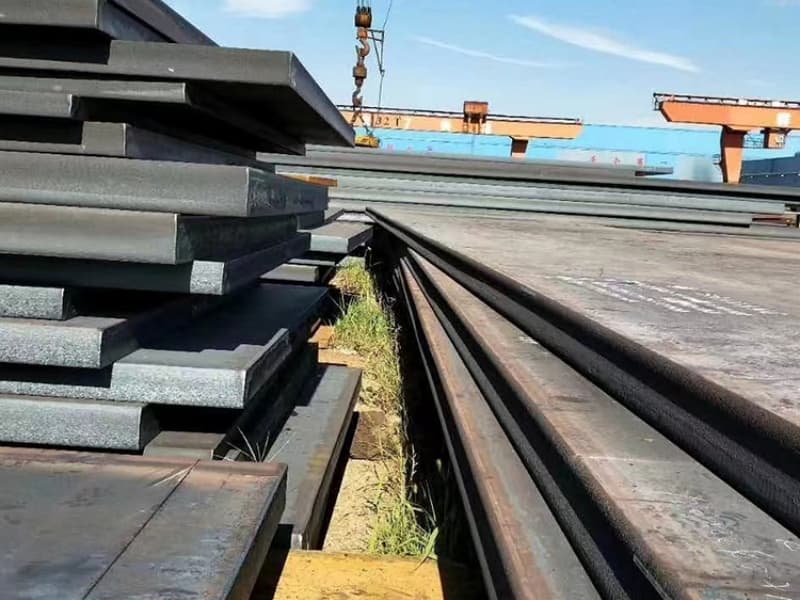
Steel plate is mainly made of iron and carbon. But for marine use, we add other elements like manganese1, chromium, and nickel. These extra materials make the steel stronger and help it resist rust from salt water.
The Chemistry Behind Marine Steel Plate
Let me explain what goes into the plates I ship to Vietnam and Romania. The base is iron ore. We melt it in a big furnace. But iron alone is too soft. It bends too easily. So we add carbon. Carbon makes it hard. But too much carbon makes it brittle. It can crack under stress. For shipbuilding, we need a balance.
The real magic is in the other elements. Here is a quick look at a typical marine steel2 grade, like AH36:
| Element | Typical Amount | Why We Add It |
|---|---|---|
| Iron | About 98% | The main body of the steel. |
| Carbon | 0.18% max | Adds strength, but we keep it low for welding. |
| Manganese | 0.9% – 1.6% | Makes the steel tough and strong. |
| Silicon | 0.5% max | Helps remove oxygen during making. |
| Phosphorus | 0.035% max | An impurity. We keep it very low. |
| Sulfur | 0.035% max | Another impurity. Low sulfur means better quality. |
You see, the amounts are small. But they change everything. Manganese is a big one for me. It helps the steel absorb impact. Think of a ship hitting a wave. The plate needs to flex, not snap. Manganese helps with that.
I had a client in Saudi Arabia, a project manager from Gulf Metal Solutions. He was worried about the surface finish. He told me past suppliers sent plates with pits or scales. This is often about how the steel is made and what is in it. Impurities like sulfur can cause problems during rolling. They make the surface rough. We make sure our mill sources clean raw materials. This keeps the sulfur low. The result is a smooth surface that is easier to paint and lasts longer.
Another element we sometimes use is copper3. It helps with corrosion resistance. For ships going to tropical waters, this can be a plus. But we have to be careful. Too much copper3 can cause cracking during welding. So we follow the rules from the classification societies like DNV or ABS. They set the limits for each element.
The point is this. Steel is not just steel. The recipe matters. When you order from me, you get a mill certificate4. It lists all these elements. You can see exactly what is in your plate. This transparency builds trust. It helps you know the steel will perform.
What is the standard size for steel plates?
This is a practical question. You need to fit the steel on a truck, or maybe cut it for a specific part of a ship. I have seen buyers order the wrong size and then face big problems with waste1 and extra cost.
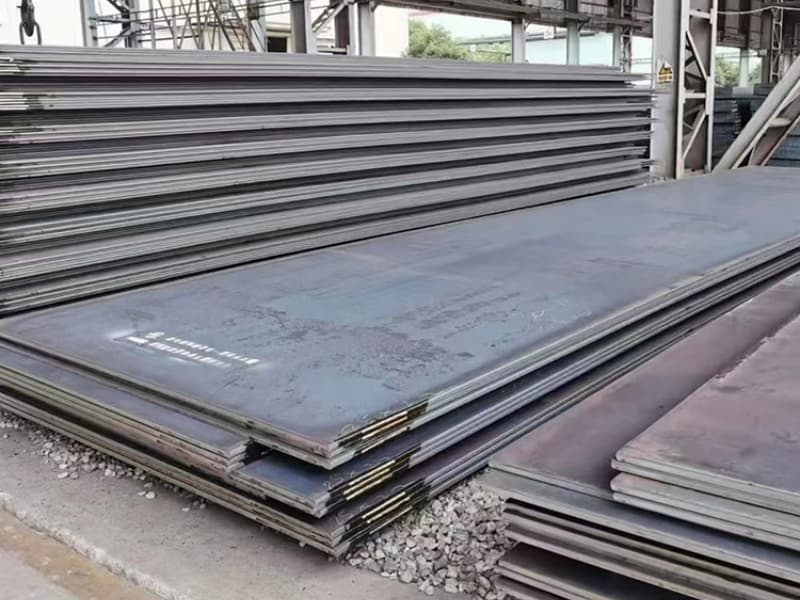
There is no single standard size, but common marine plates2 come in widths of 1500mm to 3000mm, lengths of 6000mm to 12000mm. The thickness3 can range from 6mm to over 100mm depending on the ship part.
How to Choose the Right Size for Your Project
Choosing the size is a game of efficiency. You want to buy plates that minimize waste1. You also want plates that are easy to ship.
First, think about thickness3. Thinner plates, from 6mm to 20mm, are for the ship’s superstructure or the deck. Thicker plates, from 25mm to 40mm, are for the hull. The bottom of a big oil tanker needs very thick plates, maybe 50mm or more. This is to handle the stress of the cargo and the water pressure.
Next, think about width and length. Standard widths are often 2000mm or 2500mm. Standard lengths are 6000mm or 12000mm. But here is a tip from my experience. If you need many plates of the same size, we can ask the mill to roll them to your exact size. This is called a "tailor-made" order. It costs a little more, but it saves you cutting time in your workshop.
I remember a client from the Philippines. He was building a series of small container ships. He ordered standard 2000mm x 6000mm plates. But his design called for many parts that were 1500mm long. He had to cut every plate. This created a lot of scrap. The scrap was 500mm wide from each cut. That is waste1d money. In the next order, he asked for plates that were 1500mm wide. We got them from the mill. His waste1 dropped to almost zero.
Here is a simple guide for common ship parts:
| Ship Part | Typical Thickness (mm) | Typical Width (mm) | Typical Length (mm) |
|---|---|---|---|
| Deck Plates | 10 – 25 | 2000 – 2500 | 6000 – 12000 |
| Hull Side Plates | 12 – 30 | 2000 – 3000 | 8000 – 12000 |
| Bottom Plates | 20 – 40+ | 2500 – 3000 | 10000 – 12000 |
| Bulkhead Partitions | 8 – 16 | 1500 – 2000 | 6000 – 8000 |
You also need to think about shipping4. A 12-meter plate is long. It needs a special truck. It might not fit in a standard container. We often ship these on flat racks or break-bulk vessels. If you are in a port with good facilities, like Laem Chabang in Thailand, this is fine. But if your warehouse is inland, long plates can be hard to move. I always ask my clients about their handling equipment. This helps us pick the best size.
The standard size is a starting point. The best size is the one that fits your project with the least waste1 and the easiest logistics. We work with certified mills5. They are flexible. We can adjust sizes to meet your needs, as long as the order volume is there.
How to manufacture a steel plate?
People often think of a simple factory. But making a marine steel plate1 is a complex process. It requires huge machines and strict control. Knowing this process helps you understand why some plates are better than others.
Steel plate manufacturing starts with melting iron ore and scrap in a basic oxygen furnace2. The liquid steel is then cast into slabs. These slabs are heated and passed through heavy rollers to reduce them to the right thickness. Finally, the plates are cut, leveled, and tested.
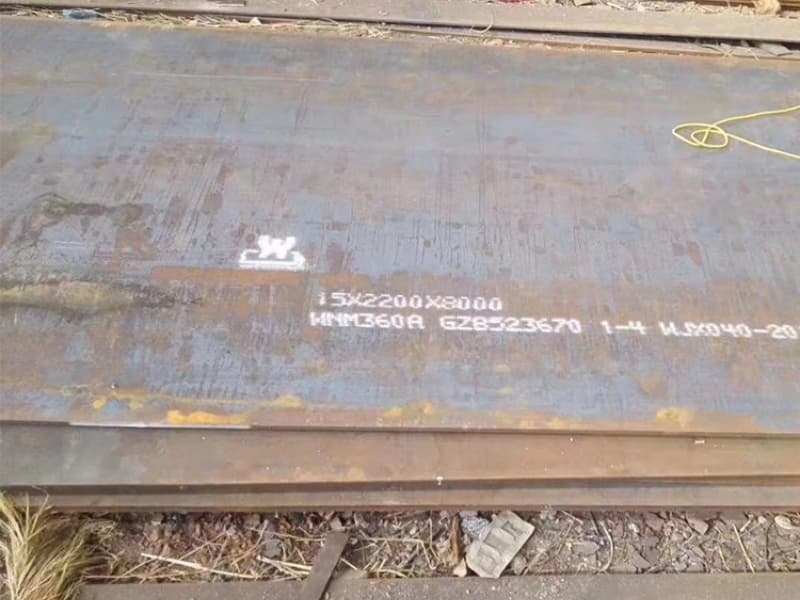
From Raw Material to Finished Plate: A Step-by-Step Look
Let me walk you through the journey of a steel plate. I visit the mills we work with in China. Seeing this helps me explain to my clients why quality can vary.
Step 1: Steelmaking
It all starts in a furnace. We put in iron ore, coke, and limestone. Sometimes we add scrap steel to cool it down. A huge lance blows oxygen into the mix. This burns out impurities. The temperature goes over 1600 degrees Celsius. The chemistry is checked and adjusted. We add alloys like manganese at this stage.
Step 2: Continuous Casting
The liquid steel is poured into a mold. It cools and forms a solid shell. This long piece of steel is called a slab. A slab for marine plate can be 200mm thick, 1500mm wide, and 10 meters long. It is still red hot. We cut it to length with giant torches.
Step 3: Reheating
The slab cools down. But to roll it into a plate, we need to heat it again. It goes into a reheat furnace. This makes the steel soft and uniform. The temperature must be exactly right. Too hot, and the steel can burn. Too cold, and it is hard to roll.
Step 4: Hot Rolling
This is the main event. The hot slab goes back and forth through heavy rollers. Each pass makes it thinner and longer. This is called the roughing mill. Then it goes to the finishing mill. The rollers squeeze the steel with enormous pressure. This refines the grain structure. It makes the steel tough. We control the speed and pressure carefully.
Step 5: Cooling and Leveling
After rolling, the long plate moves to a cooling bed. It cools down in the air. Then it goes through a leveler. This machine straightens the plate. It takes out any bends or twists from the rolling process. A flat plate is much easier for you to work with later.
Step 6: Cutting and Testing
The big plate is now cut to the ordered length, maybe 6 or 12 meters. We take samples from every batch. We test them in a lab. We check the tensile strength3. We bend a piece to see if it cracks. We look at the microstructure under a microscope. Only after passing all tests does the plate get its mill certificate.
Step 7: Surface Treatment and Packing
For marine plates, surface is key. We might do shot blasting to clean it. Then we apply a primer coat if the client asks. Finally, we pack it for export. For a client like Gulf Metal Solutions, we pay extra attention to packing. Steel plates can rust on a long sea voyage. We use steel bands and protective materials to keep them safe.
Here is a comparison of two common rolling methods:
| Process | How It Works | Result for the Plate |
|---|---|---|
| Controlled Rolling | Rolling at specific temperatures. | Fine grain structure, very tough. Good for high-strength steel like AH36. |
| Normal Rolling | Standard rolling process. | Good for general use. Less control over grain size. Suitable for Grade A steel. |
I always ask the mill for the rolling records for critical projects. This shows me they followed the right process. If you need plates for a big bulk carrier, controlled rolling4 is often required. If it is for a small barge, normal rolling might be fine.
The manufacturing process is why I trust our mill partners. They have the equipment and the skill. They do the tests. This gives me the confidence to offer SGS inspection support5. You can send an inspector to watch the whole process or check the final plates. This transparency is what buyers like you need.
Conclusion
The growth in Southeast Asia is real. Understanding steel density, composition, sizes, and manufacturing helps you buy smarter. You get the right product for your ship, on time, and with quality you can trust.
-
Understanding the manufacturing process of marine steel plates can help you choose the right supplier and ensure quality. ↩ ↩ ↩ ↩ ↩ ↩ ↩ ↩ ↩
-
Learn about the basic oxygen furnace to grasp its role in producing high-quality steel efficiently. ↩ ↩ ↩ ↩
-
Understanding tensile strength testing can help you assess the durability and reliability of steel products. ↩ ↩ ↩ ↩ ↩ ↩
-
Learn about controlled rolling to understand its advantages in producing high-strength steel. ↩ ↩ ↩ ↩
-
Find out how SGS inspection support can enhance transparency and trust in your steel procurement process. ↩ ↩