
Leading paragraph:
You have a deadline for a new vessel. But your block assembly line is stopped. The reason is often simple: the steel isn’t ready.
Snippet paragraph:
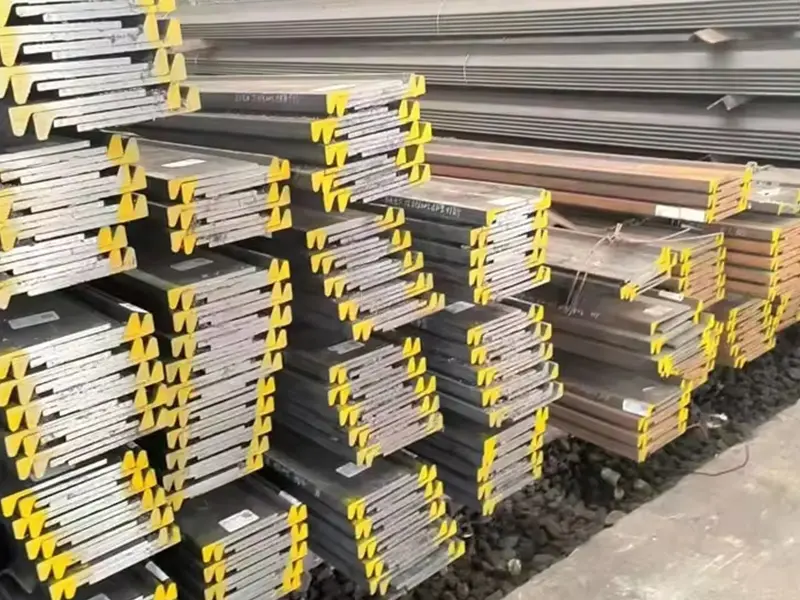
Effective bulb flat steel planning for block construction requires a workflow that connects design directly to delivery. You must move from fragmented ordering to a system where cutting lists, nesting efficiency, just-in-time delivery, and kitting strategies work together to support your block assembly schedule.
Transition paragraph:
I have worked with many shipyards and suppliers over the years. I see the same problem again and again. People order steel like they are buying groceries. They do not think about how the block shop actually works. Let me walk you through a better way to plan. This is the method we use to keep our clients’ projects moving.
From Design to Delivery: How Do You Translate Block Drawings into Accurate Cutting Lists?
Leading paragraph:
A design drawing is just a picture. It does not cut steel. If your list is wrong, your block stops. That is a fact.
Snippet paragraph:
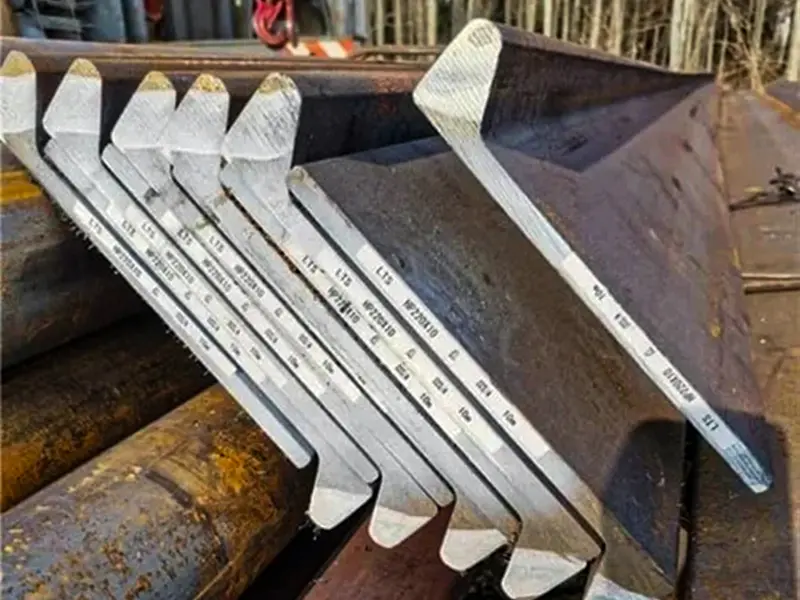
You translate block drawings into accurate cutting lists1 by implementing a three-step verification process. First, your design team2 extracts the raw data. Then, production supervisors check it against actual shop capabilities. Finally, you confirm the list with your steel supplier before we roll the material.
Dive deeper Paragraph:
This step is where most projects start to fail. I have seen it happen. The design office sends a list to the procurement team. Procurement sends that list to a supplier like me. Everyone assumes the list is perfect. But it rarely is.
The problem is not usually the design software. The problem is the gap between the virtual model and the physical workshop. The software calculates the exact length of bulb flat steel needed based on a 3D model. But your workshop might have different tolerances. Your cutting machines might have a specific kerf width. Your welders might need extra length for fit-up.
So, how do we fix this? You need to build a feedback loop3 into your process. Here is a simple breakdown of the workflow we recommend to our clients:
| Step | Action | Responsibility | Why It Matters |
|---|---|---|---|
| 1. Data Dump | Export the Bill of Materials (BOM) from the CAD system. | Design Team | This is the starting point. It gives us the theoretical requirement. |
| 2. Workshop Reality Check | Add allowances for cutting, grinding, and fit-up based on your specific equipment. | Production Supervisor | This stops the "short-by-50mm" problem that happens on the floor. |
| 3. Grade & Specification Match | Cross-reference the required steel grades4 with available mill production schedules. | Procurement & Supplier | We need to make sure the steel we roll has the right mechanical properties for that block. High-tensile steel for a bottom block is different from mild steel for a superstructure. |
| 4. Length Optimization | Review the required lengths. Can you combine two short pieces from the drawing into one longer mill order? Can you avoid a "leftover" length that is too short to use? | Supplier (Me) | This is where we save you money. We look at your list and see how we can roll it most efficiently at the mill. |
| 5. Final Confirmation | Send the final, verified cutting list back to the design team for sign-off before the mill starts rolling. | All | This creates a contract. Everyone agrees on what is being made. There are no surprises when the steel arrives. |
I remember a client from a shipyard in Malaysia. They sent us a list for bulb flat steel for three identical blocks. We checked the list and noticed the lengths were all over the place. There was no pattern. We called them. It turned out their drafter had simply copied the lengths from the 3D model without grouping them for production. We worked with their production manager to standardize the lengths. We reduced their unique length variations by 40%. That made nesting easier and reduced their offcuts significantly. This is why communication between the desk and the shop floor is critical.
Nesting for Efficiency: How Can You Optimize Bulb Flat Steel Utilization Across Multiple Blocks?
Leading paragraph:
Steel is expensive. Offcuts are money in the trash. If you are not nesting across blocks, you are burning cash.
Snippet paragraph:
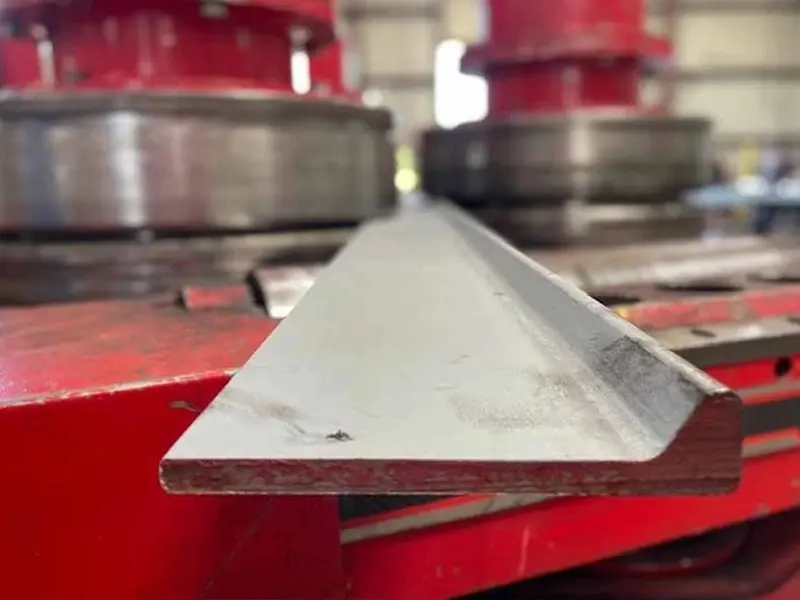
You optimize bulb flat utilization by treating the cutting list1 for multiple blocks as one single puzzle. Instead of cutting steel for Block A and then Block B, you combine their requirements. You then arrange the parts to use the full length of every bulb flat bar you order.
Dive deeper Paragraph:
Let me talk about nesting. Most people think nesting is only for plates. That is wrong. You can and should nest for long products like bulb flat steel2. The principle is the same. You have a long piece of raw material. You have a list of smaller pieces you need to cut from it. The goal is to fit all the small pieces onto the long pieces with the least amount of waste.
The mistake I see is "block-by-block" thinking. A yard orders steel for Block 105. They cut it. They have some short leftovers. Then they order steel for Block 106. They cut it. They have more leftovers. They never look at Block 105 and Block 106 together.
True efficiency happens when you think "project-wide." Here are three strategies to improve your nesting for bulb flats:
- Standardize Your Lengths: This is the simplest win. Talk to your design team. Ask them to design using a standard set of part lengths where possible. If your parts are 2.1m, 3.2m, and 4.7m, it is hard to nest efficiently on a 12m bar. But if you can standardize to lengths that fit together neatly, you reduce waste.
- Use Common Cutting Lines: If you are cutting many parts of the same profile, think about the sequence. Cut the longest parts first. Then, use the remaining length for shorter parts. This is a basic rule, but it is often forgotten under pressure to just "get the steel out."
- Digital Nesting Software: Use software. Do not try to do this on paper or in your head. Modern nesting software can take the cutting lists for 20 different blocks and calculate the most efficient way to cut them from a standard bundle of 12-meter bars. The software can reduce waste by 3% to 5%. On a large project, that saving pays for the software license many times over.
I work with a buyer in a large yard in Vietnam. He used to order bulb flats by the ton, based on a rough estimate. He always had too much of one size and not enough of another. We started working with his planning department. We got the actual cutting lists for the next three months. We nested the parts in our own system to confirm the exact lengths and quantities. Then, we rolled exactly what they needed. His inventory costs went down. His project delays stopped. He told me it was the first time a supplier actually helped him solve a problem, instead of just taking an order.
Just-in-Time Sequencing: How Do You Align Material Arrivals with Block Construction Schedules?
Leading paragraph:
Steel arrives too early, it rusts and gets in the way. Steel arrives too late, your welders stand around. Timing is everything.
Snippet paragraph:
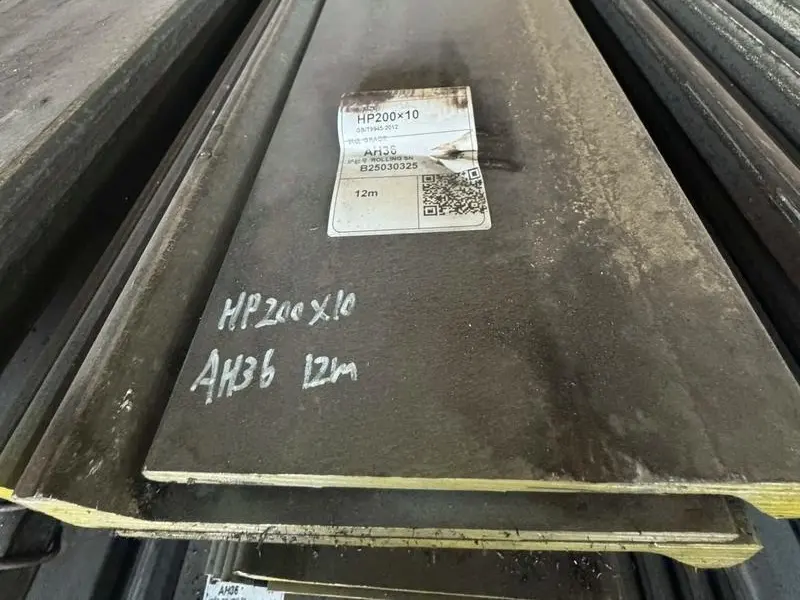
You align material arrivals by creating a material release schedule1 based on the block erection sequence. You do not order all steel at once. You schedule deliveries so that the steel for the bottom blocks arrives first, followed by the steel for the next level, matching the pace of your workshop.
Dive deeper Paragraph:
Just-in-time (JIT) is a famous concept. But in shipbuilding, it is hard to do. There are many reasons for delay. The mill is late. The ship is late. The truck breaks down. But when it works, it changes everything.
The old way was simple. You order all steel for the ship at the start of the project. It arrives in one or two big shipments. It sits in your yard for months. It gets dirty. It gets damaged. You have to move it around to find the piece you need. You spend time and money on inventory management. You also pay for the steel months before you actually use it. That ties up your working capital.
The better way is to sequence the deliveries. You work backward from your production schedule. If Block Assembly starts on June 1st, you need the steel there by May 25th to allow for preparation. So, you schedule the delivery for that week.
To make this work, you need a strong partnership with your supplier2. You need a supplier who can handle a flexible production schedule3. Here is what that partnership looks like:
- Forecast: You give me a 3-month rolling forecast. It does not have to be 100% accurate. It just gives me an idea of what is coming. "Next month, we need 500 tons of HP100x8. The month after, we will need 300 tons of HP140x10."
- Firm Orders: Two to three weeks before a scheduled delivery, you give me a firm order. This order is locked in. This is when we book the mill slot and finalize the rolling schedule.
- Release for Production: You then release specific items from that firm order based on your actual progress. "We are ahead of schedule. Can we pull the delivery for the HP200x12 forward by one week?" Or, "We had a delay. Can we push the next delivery back by five days?"
This system requires trust. You have to trust that I have the stock or the mill capacity to adjust. I have to trust that your forecast is honest. But when it works, it is beautiful. I have a client in Qatar, a big fabricator for offshore projects. They work this way with us. Their yard is clean. Their steel is always ready when the crane is ready. They never have to stop work because they are waiting for a specific size of bulb flat. They just call us, and we coordinate the shipment to Dammam port so it clears customs right when they need it.
Kitting Strategies: Why Should You Pre-Pack Bulb Flat Sets for Specific Block Assemblies?
Leading paragraph:
Imagine a worker walking 500 meters to find one piece of steel. Now imagine he has all pieces at his station. That is the power of kitting1.
Snippet paragraph:
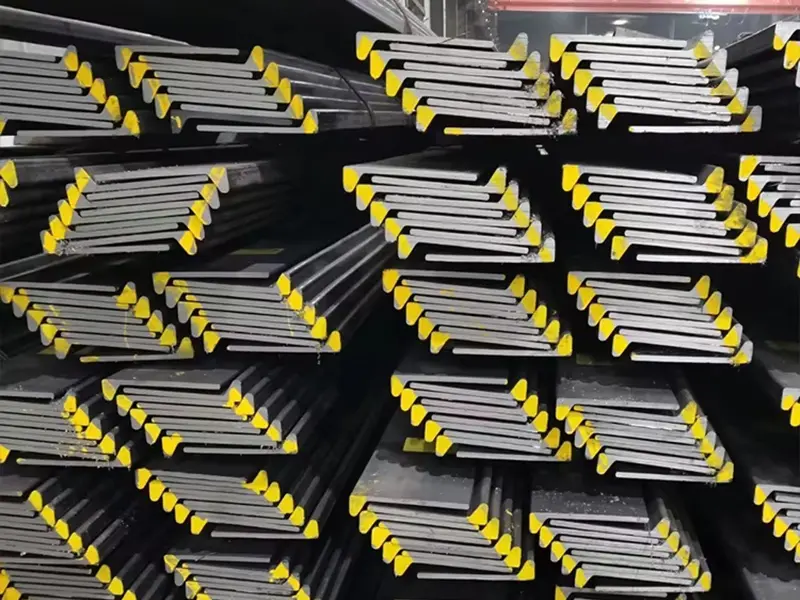
You pre-pack bulb flat sets2 to eliminate non-value-added time3 in your workshop. Kitting means you gather all the steel pieces needed for one specific block, package them together, and deliver them as a single unit to the assembly area. The fitter can then start working immediately.
Dive deeper Paragraph:
Kitting is one of my favorite topics. It sounds simple, but it takes discipline. The idea is to treat a block like a "kit" of parts. You need the bulb flats, the angle bars, and the plates. Instead of sending all the bulb flats to a general storage area, you sort them first.
Why is this so important? Because material handling4 is a huge cost in shipbuilding. It is a cost that does not add value to the ship. Cutting adds value. Welding adds value. But walking, searching, and moving material? That is waste. Lean manufacturing calls it "Muda." Kitting attacks this waste directly.
Here is how we approach kitting for our clients, and how you can apply it in your own yard:
The Supplier’s Role (What We Do):
We can help with the first level of kitting. When we prepare your order, we don’t just throw all the bulb flats of the same size into one big bundle. We sort them by block, based on your cutting list.
- Block-Specific Bundles: We band together all the bulb flat pieces for Block 105. We put a metal tag on the bundle that says "Block 105, Bay 2, Level 3." This is clear information.
- Sequential Packing: Within the bundle, we can even sequence the pieces in the order they will be used. This means the first piece the fitter needs is on top of the bundle.
- Protective Packaging: Because these bundles are going straight to the assembly area, we use extra protective packaging5. We want the steel to arrive clean and ready to weld. No rust, no damage.
The Yard’s Role (What You Do):
For kitting to work perfectly, you need a material staging area. This is a small, covered space near the assembly line.
- Receive: The truck arrives with block-specific bundles.
- Stage: The crane moves the bundle for Block 105 directly to the staging area for Block 105. It does not go into the main warehouse.
- Issue: When the fitters are ready to start Block 105, they go to the staging area. All the material is there. They take it to their station and start working.
I remember a conversation with a production manager from a yard in the Philippines. He told me his fitters spent 20% of their day just looking for steel. Twenty percent! That is one full day a week of paid time with no progress on the block. After we started kitting their orders, they cut that time down to almost nothing. The foreman told me, "Zora, my guys used to complain about walking. Now they complain if the coffee is cold. It is a much better problem to have."
Conclusion
Bulb flat planning is not just about buying steel. It is about connecting design, efficiency, timing, and logistics to keep your block assembly line moving without waste or delay.
-
Explore the advantages of kitting in manufacturing to understand how it can streamline operations and reduce waste. ↩ ↩ ↩ ↩
-
Learn about the application of bulb flat sets in shipbuilding and how they contribute to efficient assembly processes. ↩ ↩ ↩ ↩
-
Discover what non-value-added time means and how to minimize it for improved productivity in your operations. ↩ ↩ ↩
-
Find strategies to reduce material handling costs in shipbuilding, ensuring a more efficient workflow. ↩ ↩
-
Understand the significance of protective packaging in maintaining the quality of materials during transport and storage. ↩