
Leading paragraph:
A failed inspection at the shipyard gate can stop your entire project. The delay is costly, and the frustration is real.
Snippet paragraph:
The bulb flat steel inspection process for shipyard acceptance includes a visual check for surface defects, precise dimensional measurements, and a thorough review of material certificates. This process ensures the steel meets the required standards before unloading.
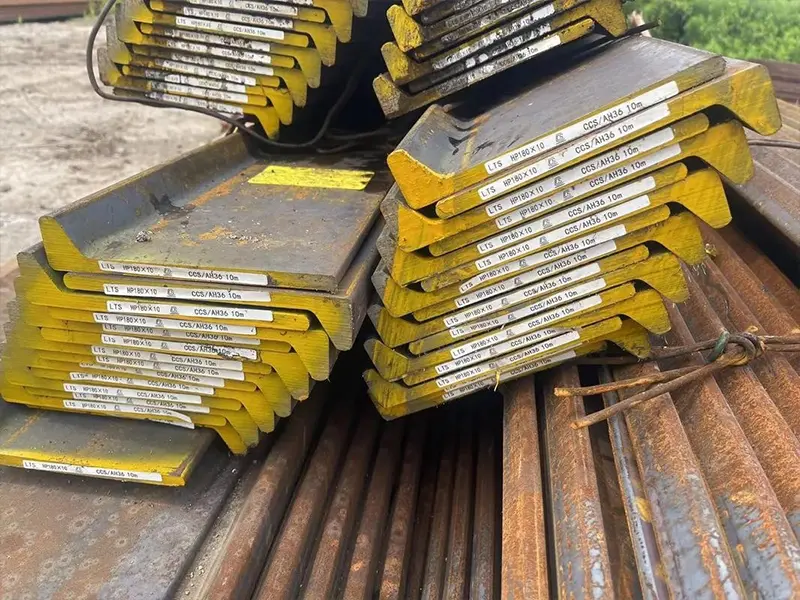
I have seen this situation many times. A container of steel arrives at the shipyard in Vietnam or Saudi Arabia. The buyer is ready to start work. Then, the surveyor finds a problem. Maybe the surface has too much rust. Maybe the web height is not correct. The material is rejected. The shipbuilder is stuck waiting for a replacement. This is why I always tell my clients to understand the inspection process clearly. It is not about being difficult. It is about making sure the steel is right for the job. Let me walk you through the steps we use with our clients. I want to show you how to make the acceptance process smooth and successful.
Visual Inspection and Surface Quality: What to Check Before Unloading?
Leading paragraph:
The first impression of your steel can be misleading. Surface rust might look bad, but real damage is hidden underneath.
Snippet paragraph:
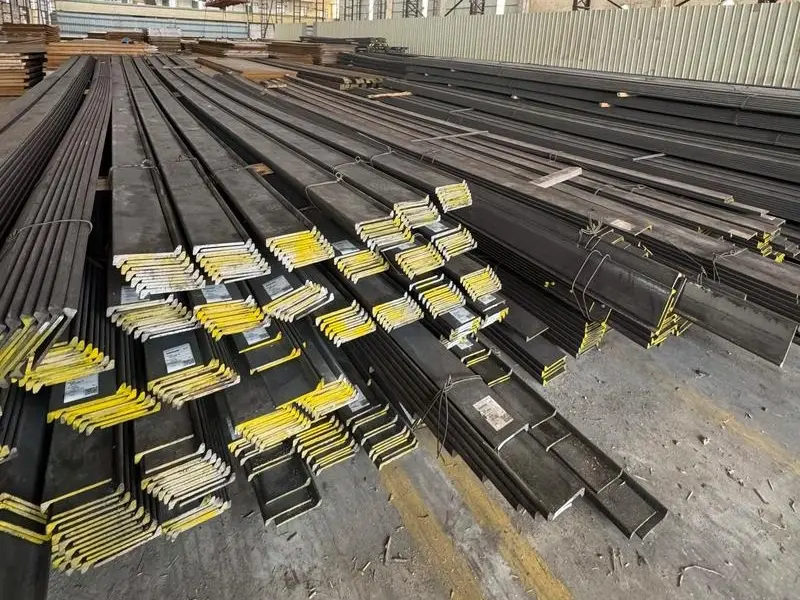
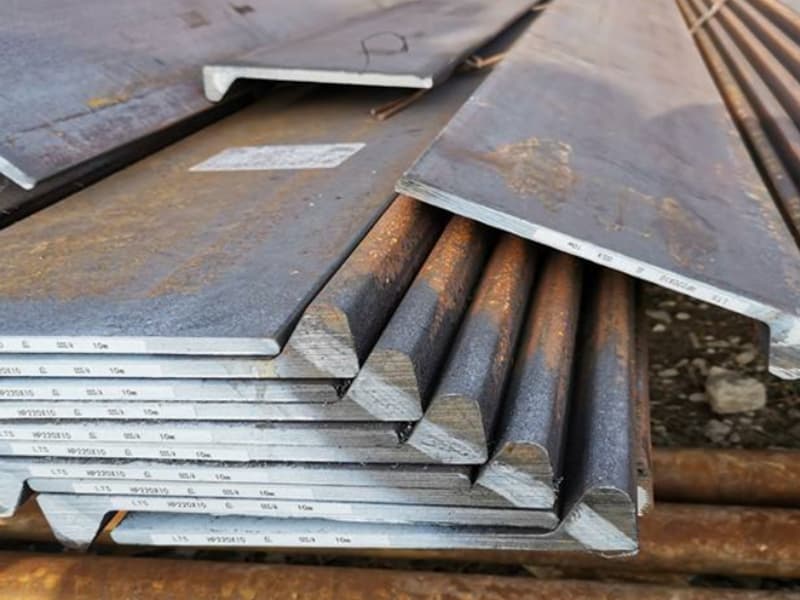
Before unloading, check the bulb flat steel1 for excessive pitting, deep scratches, laminations, and mill scale peeling. Surface rust from storage is usually acceptable, but you must reject steel with defects that affect structural integrity2.
Dive deeper Paragraph:
When the truck or ship arrives, I always tell my clients to do the first inspection before the crane lifts the steel. It is easier to refuse a delivery if the steel is still on the truck. Once it is in your yard, the responsibility can become a problem. The visual inspection3 is the first filter. It catches problems early.
What Are You Really Looking For?
The goal is to find defects that will fail the classification society survey. These are the things that matter for the ship’s structure. You are not looking for perfect, shiny steel. You are looking for steel that is fit for purpose. Let me break down the common surface issues into a simple table.
| Surface Condition | Is It Acceptable? | Why? |
|---|---|---|
| Light, even rust from storage | Yes | This is normal. It will be removed by blasting before painting. |
| Heavy, flaky rust or deep pitting | No | This can reduce the steel thickness. It shows poor storage or old material. |
| Laminations (layers peeling apart) | No | This is a mill defect. It means the steel is not solid. It is a structural failure. |
| Deep scratches or gouges | No | These create stress points. The depth must be within the tolerance. Most are not. |
| Mill scale that is loose or popping off | No | This indicates a problem with the rolling process. It prevents paint from sticking. |
I remember a client from Malaysia who called me about a rejected shipment. The surveyor saw what looked like surface rust4. But when they cleaned a spot, they found deep pitting underneath. The rust was hiding the real damage. That material had to go back. It cost the buyer time and money. Now, I tell all my clients to ask for a cleaning of a small area. Use a grinder to remove the surface layer. Then you can see what is really there.
How to Document the Surface Quality
A visual inspection is not just about looking. It is about recording. You need to prove what you saw. I always suggest taking clear photos with a ruler next to the defect. The ruler shows the scale. Also, mark the bad pieces with chalk. This helps the surveyor and the supplier agree on the problem. If you find a batch with surface issues, do not accept them. Unload the good pieces first. Keep the bad ones separate. Then, contact your supplier immediately with the photos. A good supplier, like the one I work for, will help you solve the problem quickly.
Dimensional Accuracy: Measuring Web Height, Flange Thickness, and Tolerance Compliance?
Leading paragraph:
One millimeter might not sound like much. But on a ship, that small error can add up to a serious structural problem.
Snippet paragraph:
Dimensional accuracy1 is checked by measuring the web height2, flange thickness3, and bulb radius4. You must compare these measurements against the standard specified in the material certificate5, like DNV or LR rules, to ensure they are within the allowed tolerance.
Dive deeper Paragraph:
I have learned that dimensions are where many shipments fail. It is not because the steel is bad. Sometimes, the wrong profile is sent. Other times, the steel is from a batch that was not rolled correctly. The shipyard will measure the steel. They have a specific design. If your steel does not match that design, it will not be used.
The Key Dimensions You Must Measure
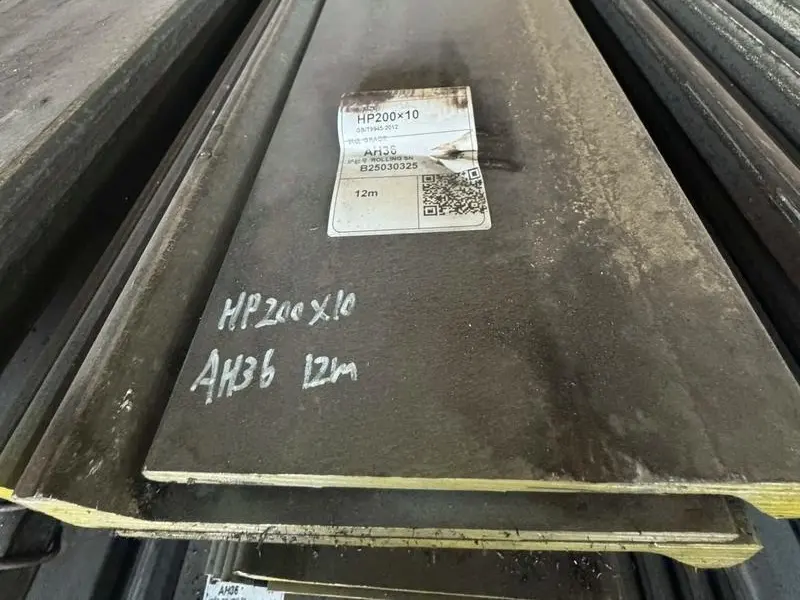
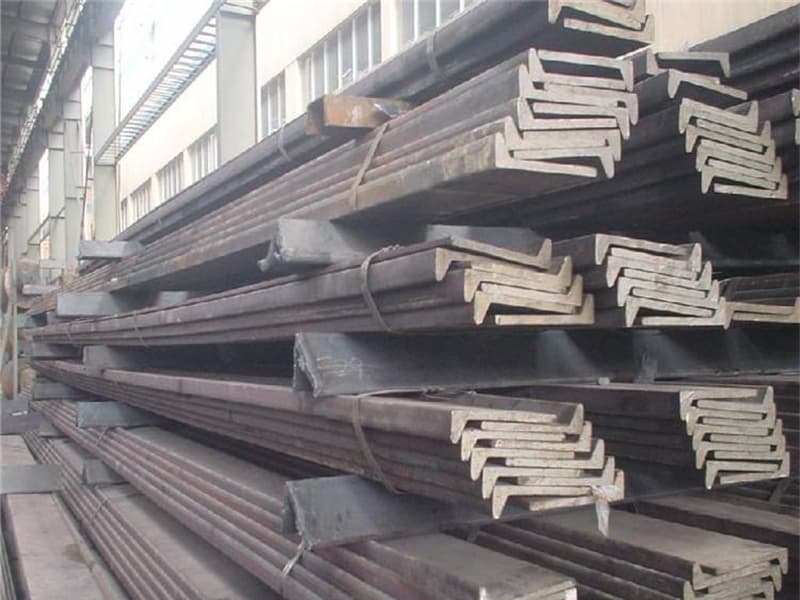
For bulb flat steel, we look at three main things. These are the web height, the flange thickness, and the bulb size. The web is the tall, flat part. The flange is the flat part at the bottom. The bulb is the rounded part on the top. Each of these has a standard tolerance. Usually, it is plus or minus a few millimeters. You can find the exact number in the standard, like ASTM or EN, that your material certificate lists.
Let’s look at an example. Suppose you order a bulb flat profile of 200 x 10 mm. This means the web height is 200 mm, and the flange thickness is 10 mm.
- Web Height Measurement: You take a caliper and measure from the tip of the flange to the top of the bulb. The result should be 200 mm. The tolerance might be +/- 2 mm. If you get 205 mm, it is out of spec.
- Flange Thickness Measurement: You measure the flat bottom part. This must be exactly 10 mm. A common mistake is to measure the bulb. They are different.
- Bulb Radius: This is a special shape. You need a special gauge to check it. It is not a simple rectangle. The radius must be perfect for the welding machine to work.
Why This Matters for the Shipbuilder
The shipbuilder uses automated welding machines. These machines are set up for a specific steel shape. If the bulb flat steel is out of tolerance, the machine cannot grip it properly. The weld will be weak. Or the machine will stop. This causes a huge delay. I had a client in Qatar. Their shipment was rejected because the web height was 5 mm too high. The steel looked fine. It was strong. But it would not fit in the machine. We had to ship a new batch quickly. That is why I always ask the mill for the rolling schedule. We can check the dimensions before the steel is even shipped. It saves everyone a lot of trouble.
To do this correctly, you need a team of two people. One measures. One records. You should take measurements at three points on each piece. Measure at the ends and in the middle. This gives you a true picture. If you only measure one spot, you might miss a problem.
Material Certification and Mill Test Report1s: Verifying Chemical Composition and Mechanical Properties?
Leading paragraph:
A piece of steel can look perfect but still be the wrong material. The only way to know is to check the paperwork that comes with it.
Snippet paragraph:
You must verify the Mill Test Report (MTR) matches the steel grade2 you ordered. Check the chemical composition3, like carbon and manganese, and the mechanical properties4, like yield strength5 and tensile strength, against the required classification society rules.
Dive deeper Paragraph:
I treat the Mill Test Report as the identity card for the steel. Without it, the steel is just a piece of metal. The shipyard needs this paper to prove the material is correct. The surveyor will check the MTR against the stamp on the steel. If they do not match, the material is not accepted.
What to Look for in the Mill Test Report
The MTR is a document from the steel mill. It tells the story of that batch of steel. It has a lot of numbers. But you only need to focus on a few key areas. I have seen many people get lost in the details. Here is a simple way to break it down.
First, look at the steel grade. This is a code. It might be AH36, DH36, or a similar grade. This grade tells you the strength and toughness of the steel. Make sure it is the one you ordered.
Second, look at the chemical composition. This is a list of elements. The most important ones are:
- Carbon: It gives the steel strength. Too much makes it brittle.
- Manganese: It helps with strength and workability.
- Sulfur and Phosphorus: These are impurities. Lower is better. High levels mean the steel is poor quality.
Third, look at the mechanical properties. This section shows the test results.
| Property | What It Means | Why It Matters |
|---|---|---|
| Yield Strength | The stress at which the steel starts to deform permanently. | This is the working strength. The ship structure is designed around this number. |
| Tensile Strength | The maximum stress the steel can handle before it breaks. | This is the ultimate safety point. It must be higher than the yield strength. |
| Elongation | How much the steel can stretch before breaking. | This shows the steel is ductile. It will bend before it breaks. Good for ship safety. |
How to Match the Certificate to the Steel
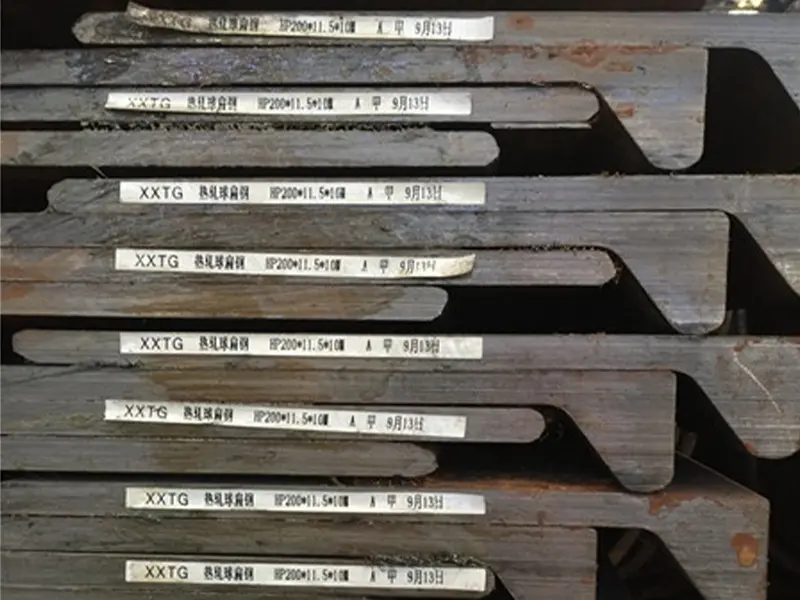
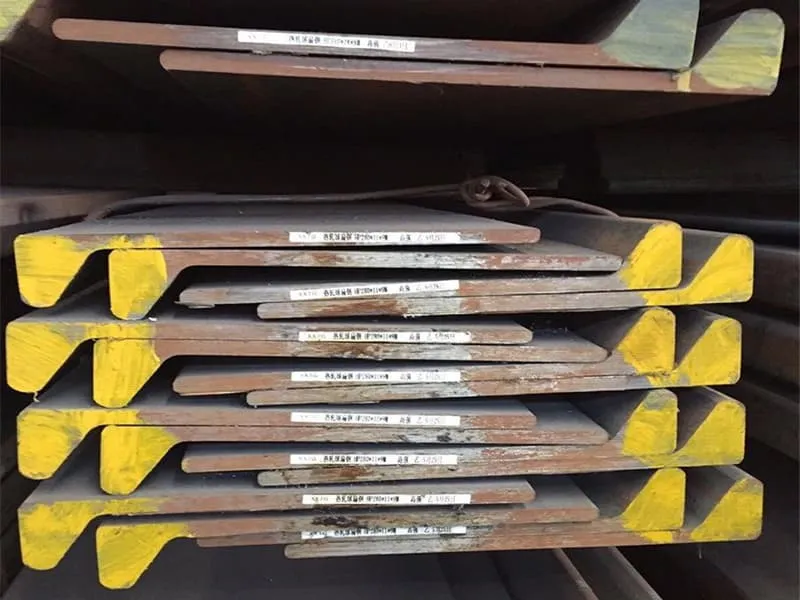
The steel itself has a stamp. It is a raised mark on the web of the profile. This stamp has the steel grade and the heat number6. The heat number is the key. It links the steel to the MTR. You must find this stamp on the steel piece. Then, find the same heat number on the MTR. If you cannot see the stamp, the steel cannot be identified. It will be rejected.
I had a client in the Philippines. They ordered a large quantity of DH36 steel. The MTRs were all in order. But when the steel arrived, the surveyor could not find the stamp on several bundles. The steel was cleaned, but the stamp was not there. It was a mill error. The steel was correct, but without the stamp, it was like it had no name. We had to work with the mill to issue a new certificate with a special inspection. It took weeks. Now, I ask for photos of the stamps before shipment. It is an extra step, but it gives us all peace of mind.
Final Acceptance Documentation: The Complete Checklist for Shipyard Sign-Off?
Leading paragraph:
You have checked the steel. It all looks good. But without the right papers, the shipyard will not sign. The process stops here.
Snippet paragraph:
The final acceptance package includes the signed inspection report, the original Mill Test Reports, the commercial invoice, packing list, and the certificate of origin. This complete set of documents proves the material’s traceability and allows for official shipyard sign-off.
Dive deeper Paragraph:
I always tell my clients that the final paperwork is as important as the steel itself. You can have the best material in the world. But if the documentation is missing or wrong, the project manager will not sign. They need a complete package for their own records. It is about traceability. Every piece of steel used in a ship can be traced back to its original melt.
The Complete Documentation Checklist1
This is the list I use for every shipment. I send this to my clients before the steel arrives. It helps them prepare. They know what to expect. This simple step builds trust.
- Packing List: This document lists what is in each package. It shows the quantity, profile size, and length. It should match the physical goods. The surveyor will use this to count the pieces.
- Commercial Invoice: This is the financial document. It is less for the technical inspection, but it must match the shipping details. Any mismatch here can delay customs clearance.
- Certificate of Origin2: Many countries have trade agreements. This certificate proves the steel came from a certain country. It can affect import duties.
- Original Mill Test Reports3: The shipyard needs the originals. Copies are not always accepted. The MTRs must be stamped by the mill and the supplier. They must be in the correct language, usually English.
- Signed Inspection Report4: This is your own report. It should include all the visual and dimensional checks you did. It shows the shipyard that you performed your due diligence. It is a sign of a professional supplier.
- Third-Party Inspection Certificate5 (Optional): This is from a company like SGS or Lloyd’s Register. Their report carries a lot of weight. If a third party has already inspected the steel, the shipyard surveyor will trust it.
The Sign-Off Process
The final sign-off is a simple meeting. But the preparation is not simple. The surveyor will ask to see the documentation. They will pick random pieces from the bundle. They will check the heat number on the steel against the MTR. They will do a few dimensional checks. They are not inspecting the whole order again. They are confirming your work.
If everything is in order, they will sign the delivery note. This is the moment of acceptance. The steel is now the property of the shipyard. The risk transfers to them.
I remember a client in Saudi Arabia. They were a distributor. They were nervous about the sign-off for a big shipment of bulb flat steel. I walked them through the checklist. I sent them the documents by email and courier before the ship arrived. When the surveyor came, they had everything ready. The sign-off took only 45 minutes. The client told me it was the smoothest acceptance they had ever had. That is my goal for every client. I want the process to be smooth, fast, and stress-free. Good communication and complete documentation make it possible.
Conclusion
A smooth shipyard acceptance comes down to a clear process: check the surface, verify the dimensions, confirm the material certificates, and prepare the final documents.
-
A Documentation Checklist helps prepare all necessary documents, ensuring a smooth and efficient shipyard sign-off. ↩ ↩ ↩ ↩
-
The Certificate of Origin can significantly impact import duties and compliance with trade agreements, making it essential for shipments. ↩ ↩ ↩ ↩
-
Original Mill Test Reports are critical for verifying material quality and traceability, which are key for successful acceptance. ↩ ↩ ↩ ↩
-
A Signed Inspection Report is vital as it demonstrates due diligence and professionalism, ensuring trust in the acceptance process. ↩ ↩ ↩ ↩
-
A Third-Party Inspection Certificate adds credibility and trust, often expediting the acceptance process by the shipyard. ↩ ↩ ↩
-
Discovering the role of heat numbers can improve traceability and quality assurance in steel production. ↩