
You are reviewing a bulb flat order. The price is right. The delivery date works. But something in the back of your mind nags at you. What about the steel’s internal quality? What about how it will weld? These questions are not just technical details. They are key factors that affect whether your procurement decision is a success or a failure.
Key factors affecting bulb flat steel procurement decisions go beyond price and delivery. They include internal material quality issues like lamination, which can cause failure during fabrication. They include weldability factors like the heat-affected zone (HAZ) and how heat treatment affects properties. And they include the fabricator’s capability, indicated by welding positions (1G to 6G). A buyer who understands these factors makes better, safer decisions.

Price and delivery are important. But if the steel has hidden defects, if it cannot be welded properly, or if the fabricator is not qualified, the project fails. Understanding these technical factors is essential for any serious buyer. Let’s start with a defect that can hide inside the steel.
What causes lamination in steel1?
You are welding a bulb flat to a hull plate. Suddenly, a crack appears along the edge of the steel. It looks like the steel is splitting apart. This is lamination. It is a hidden defect that can ruin your weld and compromise the structure. Understanding what causes it helps you prevent it.
Lamination in steel is caused by non-metallic inclusions2, such as sulfides or oxides, that become elongated during the rolling process. These inclusions create weak planes parallel to the surface. When the steel is welded or stressed, it can split or delaminate along these planes. Lamination is more common in lower-quality steels or those with poor inclusion control3. Proper steelmaking practices, including calcium treatment and controlled rolling4, minimize this risk.
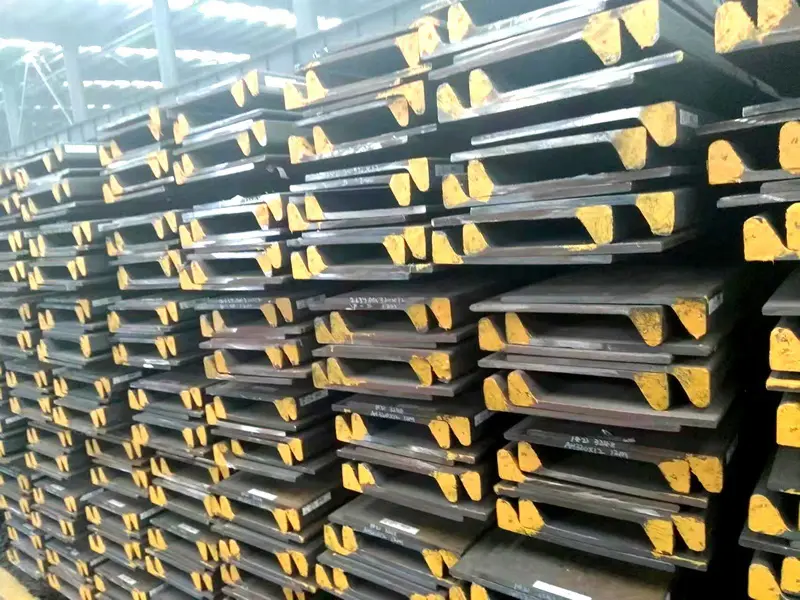
The Hidden Defect: What Buyers Need to Know
Lamination is not visible on the surface. It is an internal defect.
1. The Metallurgical Cause.
- Inclusions: During steelmaking, impurities like sulfur and oxygen form compounds (sulfides, oxides). These are called inclusions.
- Rolling: When the steel is hot-rolled, these inclusions are stretched into thin, elongated strips.
- Weak Planes: These elongated inclusions create planes of weakness within the steel. They are like layers of dirt between pages of a book.
2. How Lamination Affects Fabrication.
- During Welding: The heat of welding can cause the steel to delaminate along these planes. A crack opens up parallel to the surface.
- Under Stress: When the structure is loaded, stress can propagate along these weak planes, causing failure.
- In Thick Plate: Lamination is more common in thicker plates, where the rolling reduction is less and inclusions may not be as thoroughly worked.
3. How to Prevent It.
- Specify Clean Steel: Require steel with controlled inclusion content. Modern steelmaking practices, like calcium treatment, modify inclusions to make them less harmful.
- Ultrasonic Testing: This non-destructive test can detect internal laminations. For critical applications, specify ultrasonic testing5 of the plate.
- Choose Reputable Mills: Mills with good quality control6 produce cleaner steel with fewer inclusions.
4. The Procurement Implication.
- Ask the Question: "What is your mill’s practice for inclusion control3? Do you offer ultrasonic testing5?"
- Inspect: For critical applications, consider third-party ultrasonic inspection before shipment.
- Reject: If lamination is found during fabrication, the material should be rejected.
My Insight from the Field
A shipyard in Vietnam once received a shipment of bulb flats that seemed perfect. During welding, several pieces delaminated. The welds failed. The investigation showed the steel had high sulfur content and poor inclusion control3. The supplier had sourced from a low-cost mill with minimal quality checks. The shipyard had to cut out and replace all affected pieces, costing weeks of labor. Now, they require ultrasonic testing5 on all critical bulb flats. The small extra cost is nothing compared to the cost of rework.
What is the heat affected zone haz of steel?
Your welder finishes a pass on a bulb flat. The area next to the weld looks different. It might be harder, or softer, than the base metal. This is the heat-affected zone1. Understanding it helps you predict how the steel will behave after welding and choose materials that perform well.
The heat-affected zone1 (HAZ) is the area of base metal adjacent to the weld that is not melted but whose microstructure and properties are altered by the heat of welding. In this zone, the steel experiences high temperatures that can change its grain structure, hardness, and toughness. The extent and severity of HAZ changes depend on the steel’s chemistry, the welding process, and the heat input. Proper welding procedures and steel with good weldability (controlled carbon equivalent) minimize HAZ problems.
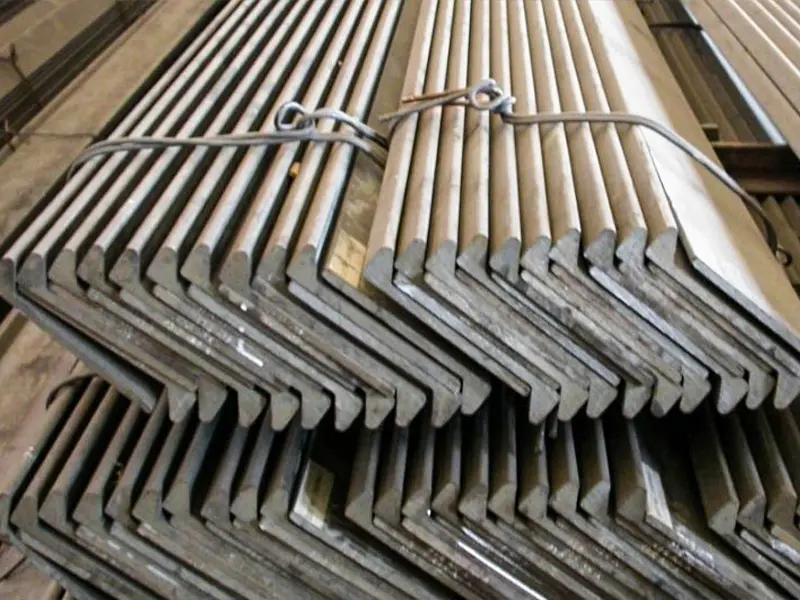
Why the HAZ Matters for Procurement
The HAZ is where many welding failures start.
1. What Happens in the HAZ.
- Grain Growth: The high heat can cause grains to grow, making the steel coarser and potentially less tough.
- Phase Transformations: Depending on cooling rate, the HAZ can transform to harder microstructures like martensite, which are brittle.
- Softening: In some steels, the HAZ can become softer than the base metal, creating a weak zone.
2. Factors That Affect HAZ.
- Steel Chemistry: Elements like carbon and alloying elements determine how the steel responds to heat. The carbon equivalent2 (CE) formula predicts weldability. Lower CE generally means better HAZ properties.
- Heat Input: Higher heat input from welding creates a larger HAZ and slower cooling, which can affect properties.
- Preheat and Post-Heat: These practices can control cooling rates and improve HAZ properties.
3. HAZ in Marine Steels.
Marine grades like AH36 and DH36 are designed with controlled chemistry to ensure good HAZ properties. They have limits on carbon equivalent2 and are tested for toughness, sometimes including HAZ toughness tests.
4. The Procurement Implication.
- Specify Weldable Grades: Use marine grades with controlled CE. Avoid generic structural steels for critical welds.
- Ask for HAZ Data: For critical applications, you can request HAZ toughness testing3 data from the mill.
- Ensure Proper Procedures: Your fabricator must use welding procedures qualified for the specific steel grade.
My Insight from the Field
A fabricator in Qatar was welding DH36 bulb flats using a procedure developed for A36 steel. The welds looked fine, but cracks appeared in the HAZ after cooling. Investigation showed the higher carbon equivalent2 of DH36 required preheat, which they had not used. They had to requalify their procedure and repair the welds. The lesson: the steel grade dictates the welding procedure. A good buyer ensures the fabricator knows this.
How is steel affected by heat?
You are planning the fabrication sequence. Will the steel be cut by plasma? Will it be welded? Will it be stress-relieved? Each of these processes applies heat. Heat changes steel. Understanding these changes helps you anticipate problems and choose the right material for the process.
Steel is significantly affected by heat. Heating can change its mechanical properties, microstructure, and dimensions. Key effects include: 1) Loss of strength1 at high temperatures (important for fire safety). 2) Phase transformations2 that can create hard, brittle zones or soft zones. 3) Thermal expansion and contraction3, which can cause distortion and residual stresses. 4) Changes in toughness4, especially in the heat-affected zone of welds. Controlled heat treatment (annealing, normalizing, quenching and tempering) is used to achieve desired properties.
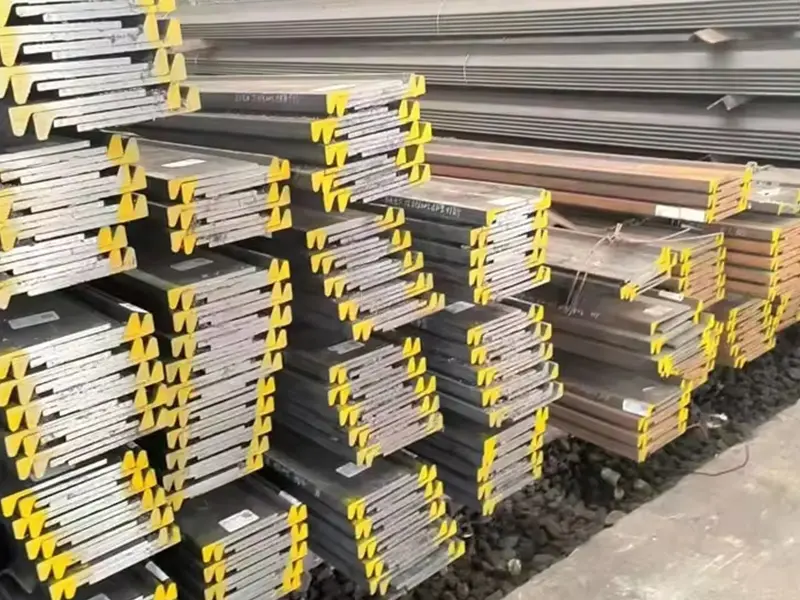
Heat as a Tool and a Risk
Heat is essential for fabrication but must be controlled.
| 1. Heat Treatment Processes5. | Process | Temperature Range | Purpose |
|---|---|---|---|
| Annealing | Above critical temp, slow cool | Soften steel, relieve stresses, refine grain. | |
| Normalizing | Above critical temp, air cool | Refine grain, improve uniformity. | |
| Quenching and Tempering | Austenitize, quench, then temper | Achieve high strength with good toughness. | |
| Stress Relieving | Below critical temp, slow cool | Reduce residual stresses from welding or forming. |
2. Effects of Uncontrolled Heat.
- During Cutting: Plasma or laser cutting creates a heat-affected zone at the cut edge. This can harden the edge, making it difficult to machine or prone to cracking.
- During Welding: As discussed, the HAZ can have altered properties.
- During Fire: Steel loses strength at high temperatures. At 600°C, it retains only about half its room-temperature strength. This is why fire protection is critical.
3. Steel Grades and Heat Response6.
Different steel grades respond differently to heat.
- Carbon Steel: Responds to heat treatment. Can be hardened by quenching.
- HSLA Steels (AH36, etc.): Designed for good weldability. Their properties come from controlled rolling and microalloying, not just heat treatment.
- Thermo-Mechanically Controlled Processed (TMCP) Steels: A special class of high-strength steels with excellent weldability and toughness, achieved through controlled rolling and cooling.
4. Procurement Implications.
- Know the Process: Understand how your steel will be cut, welded, and treated.
- Specify Accordingly: If the steel will be stress-relieved after welding, ensure the grade is suitable (some high-strength steels can lose strength if stress-relieved at too high a temperature).
- Ask the Mill: For critical applications, ask the mill for recommendations on heat treatment and welding.
My Insight from the Field
A client in Malaysia was building a pressure vessel and needed to stress-relieve the welded structure. They had chosen a high-strength steel. We advised them to check with the mill on the maximum allowable stress-relieving temperature. The mill provided a specific temperature range. Exceeding it would have reduced the steel’s strength. The client followed the recommendation and the vessel passed all tests. This is the kind of technical support a good supplier provides.
What is 1G, 2G, 3G, 4G, 5G, 6G in welding?
You are reviewing a fabricator’s qualifications. Their welders are certified for various positions. You see 1G, 2G, 3G, and so on. What do these mean? Understanding welding positions1 helps you assess whether a fabricator can handle your specific joint configurations and ensure quality.
1G, 2G, 3G, 4G, 5G, and 6G are standard welding position codes2. They describe the orientation of the weld joint and the welder’s ability to perform in that position.
- 1G: Flat position (horizontal weld on horizontal surface).
- 2G: Horizontal position (vertical weld on horizontal surface).
- 3G: Vertical position (vertical weld on vertical surface).
- 4G: Overhead position.
- 5G: Horizontal pipe fixed, cannot be rotated.
- 6G: Inclined pipe (45 degrees), the most challenging test.
Higher numbers indicate more difficult positions. A welder certified for 6G can weld in all positions.
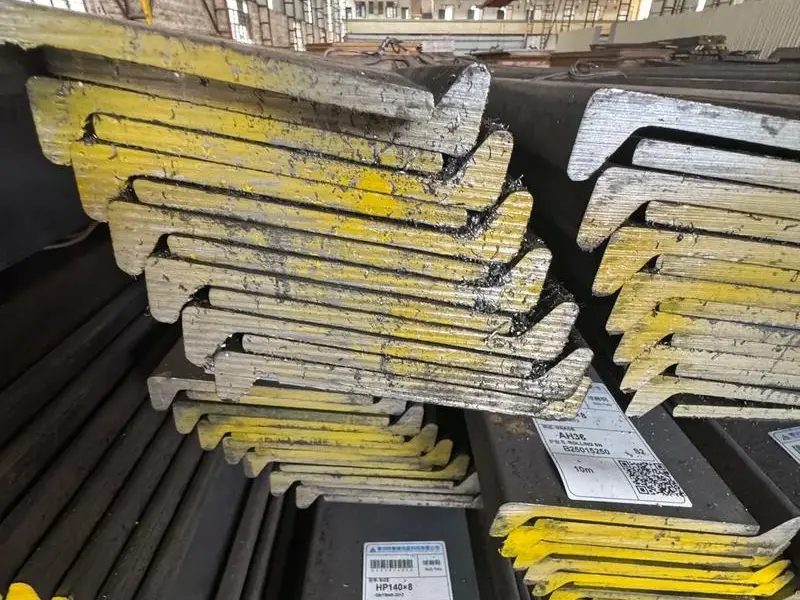
Why Welding Positions Matter for Procurement
The fabricator’s capabilities affect your project’s quality and timeline.
| 1. The Positions Explained. | Code | Position | Description | Difficulty |
|---|---|---|---|---|
| 1G | Flat | Weld is horizontal, and the welder works from above. | Easiest | |
| 2G | Horizontal | Weld is vertical, and the welder works horizontally. | Moderate | |
| 3G | Vertical | Weld is vertical, and the welder works vertically (up or down). | Difficult | |
| 4G | Overhead | Weld is overhead, the welder works from below. | Difficult | |
| 5G | Pipe Horizontal | Pipe is horizontal, fixed, cannot be rotated. Welder must weld all around. | Very Difficult | |
| 6G | Pipe Inclined | Pipe is at 45 degrees, fixed. Welder must weld in all positions. | Most Difficult |
2. Relevance to Shipbuilding and Offshore.
- Shipbuilding: Involves all positions. Hull plates are welded flat (1G), vertical (3G), and overhead (4G). Bulkheads have vertical and horizontal welds.
- Pipe Welding: 5G and 6G are critical for piping systems on ships and offshore platforms.
3. The Procurement Implication.
- Check Fabricator Qualifications: Ensure your fabricator has welders certified for the positions required by your project.
- Specify Requirements: In your contract, you can require that all welds be performed by welders certified for the relevant positions.
- Audit: For critical projects, you may audit the fabricator’s welding qualifications.
4. The 6G Test: The Gold Standard.
A welder certified for 6G has demonstrated the ability to weld in all positions. This is the highest level of qualification. For critical piping and complex structures, requiring 6G-certified welders ensures the highest quality.
My Insight from the Field
A client in Saudi Arabia was fabricating complex nodes for an offshore jacket. The design required welds in all positions, including some awkward overhead joints. They ensured their fabricator had 3G and 4G certified welders on the job. When a welding inspector arrived, they asked to see the certifications. The fabricator had them on file. The inspection passed without issue. If the certifications had been missing, the welds would have been rejected, causing major delays. This is why procurement should ask about welding qualifications early.
Conclusion
Key factors affecting bulb flat steel procurement include internal quality (lamination), weldability (HAZ), heat effects, and fabricator capability (welding positions). Understanding these technical aspects helps buyers make informed decisions that ensure project success.
-
Discover the various welding positions and their challenges to better understand your project’s requirements. ↩ ↩ ↩ ↩ ↩
-
Understanding welding position codes is crucial for ensuring the right qualifications for your project. ↩ ↩ ↩ ↩ ↩ ↩
-
Learn about thermal expansion to prevent distortion and ensure precision in your steel projects. ↩ ↩ ↩ ↩ ↩
-
Understanding toughness changes is vital for ensuring the integrity of welded structures. ↩ ↩
-
Familiarizing yourself with heat treatment processes can enhance your ability to select the right method for your steel. ↩ ↩ ↩ ↩
-
Knowing how various steel grades react to heat can guide you in choosing the right material for your specific needs. ↩ ↩