
Leading paragraph:
You finally got the big contract. But now, your storage yard looks like a puzzle, and your team is confused about which steel goes where.
Snippet paragraph:
Managing multiple bulb flat steel sections in one project is challenging but doable. You need a clear system for identity, smart inventory levels, and a tight delivery schedule that matches your fabrication needs. Without these steps, you will face delays, waste, and angry phone calls.
Transition paragraph:
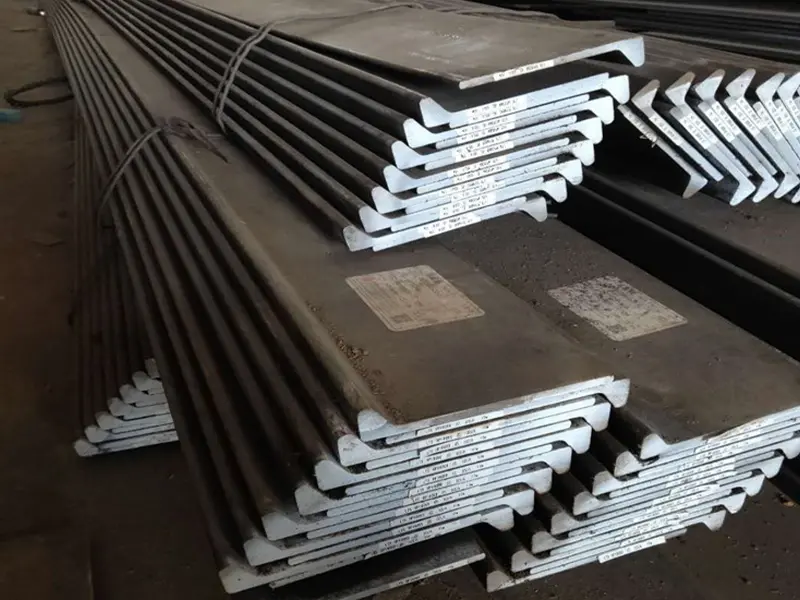
I have been in this situation many times. I represent a steel supplier in China, and I see these problems every day with my clients. Let me share what I have learned about keeping a project with many profiles running smooth.
The Identity Crisis: Preventing Mix-Ups When Profiles Look Almost Identical?
Leading paragraph:
You look at two pieces of steel. They look the same. But one is for the bow, and one is for the stern. Mixing them up stops your production line.
Snippet paragraph:
Preventing mix-ups starts with clear identification at the source. Use color coding1, stencils, and separate storage zones. Do not rely on memory or similar looks. Train your team to read the markings before they move any material.
[^2] sections with clear stencils and markings for easy identification](https://cnmarinesteel.com/wp-content/uploads/2026/01/Flat-steel-ball125.webp)
Dive deeper Paragraph:
In my daily work, I talk to fabricators who are under pressure. They have to build fast. When the steel arrives, the first thing they see is the profile. If it looks right, they cut it. But with bulb flat steel, the difference between a 200mm and a 220mm profile is small. The angle of the bulb can be slightly different. If the wrong piece gets welded in, you have a big problem.
I learned this lesson from a client in Qatar. He was building a series of barges. He ordered three different bulb flat sections. When the steel arrived, his team unloaded everything into one big pile. They did not check the markings. They just saw "bulb flat" and started cutting. Two days later, they realized they used the wrong profile for a critical bulkhead. They had to cut out the steel and re-do the work. It cost them time and money.
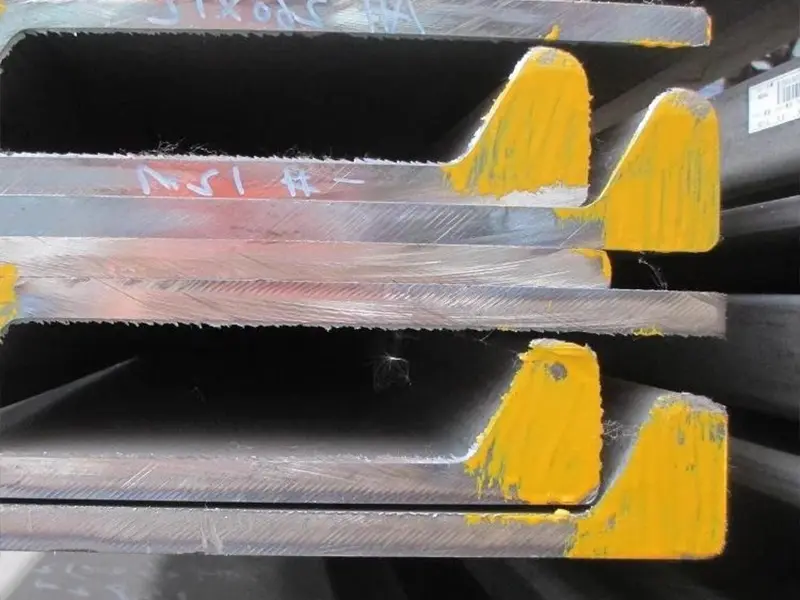
To fix this, we changed how we handle things. First, we started using a strict marking system2 at our mill in Liaocheng. Every bundle gets a metal tag with the spec, size, and heat number. We also paint the ends of the steel with different colors for different profiles. Red for one size, blue for another. It is simple, but it works.
Second, we talk to our clients about their storage plan3 before we ship. We suggest they set up separate bays or racks. If you have five different profiles, you need five different piles. Do not stack them together. Here is a simple rule we follow:
| Problem | Solution | Why It Works |
|---|---|---|
| Visual Similarity | Use high-visibility color coding on ends. | Workers see color first, not numbers. |
| Mixed Bundles | Strap and band each size separately. | Keeps sizes separate from truck to floor. |
| Unclear Paperwork | Provide a detailed packing list with photos. | The warehouse team knows exactly what to expect. |
| Bad Lighting | Store in well-lit, designated zones. | Reduces mistakes during early morning or night shifts. |
We also encourage our clients to involve their inventory manager early. When the steel arrives, they should check the tags against the packing list immediately. Do not wait until the next day. If there is a mistake, we need to know right away so we can fix it. This is about building a system, not just hoping for the best.
Inventory Intelligence: Optimizing Stock Levels for Multiple Specifications?
Leading paragraph:
You have to keep the project moving, but you cannot afford to have a warehouse full of steel you do not need yet. It is a classic balancing act.
Snippet paragraph:
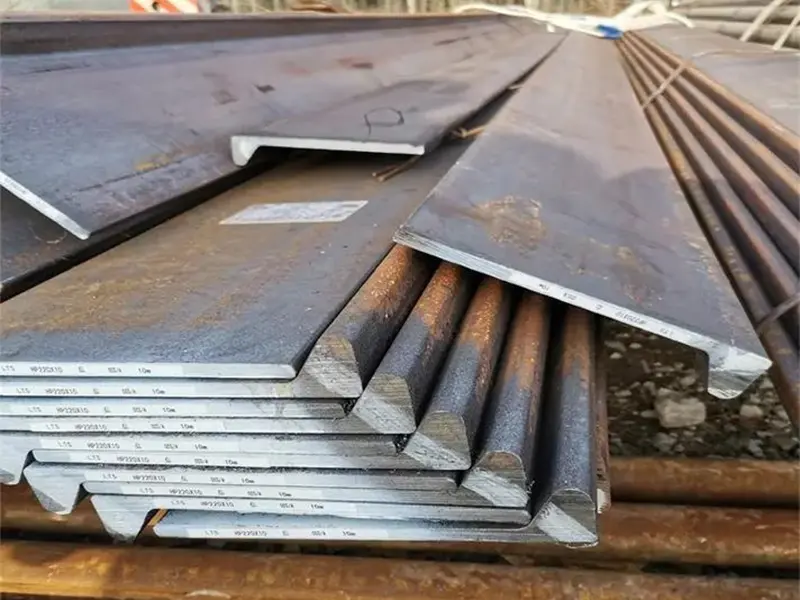
Optimizing stock levels1 is about knowing your lead time and your consumption rate. Order steel for the next phase, not for the whole project at once. This frees up your cash and your floor space.
Dive deeper Paragraph:
Many of my clients are project-based. They buy steel for one ship, or one set of oil tanks. They want to buy everything at once to get a good price. I understand that. But then the steel sits in their yard for months. It gets dirty. It takes up space. Sometimes, it even gets damaged by forklifts moving other materials. This is not efficient inventory management.
I work with a distributor in Malaysia. He buys marine steel from me regularly. He used to order everything for a project at the start. He would have bulb flats for the keel, angles for the frames, and plates for the hull all delivered together. His yard was always full. Finding a specific piece became a daily challenge.
We changed his approach. We started breaking down his orders based on the fabrication schedule. For a ship, the keel is laid first. So, we ship the heavy bulb flats first. The superstructure steel, like the lighter L-shaped sections, comes later. This is called phased delivery4.
Here is how we make this work:
- Forecast with your supplier: Tell me your full project plan. If I know you need 500 tons over six months, I can reserve the mill capacity for you. I do not have to ship it all at once.
- Negotiate flexible shipments2: Ask your supplier if they can split the order into multiple shipments. Many mills can do this. It keeps your inventory lean.
- Track your usage3: Keep a simple log. How many tons of this specific bulb flat do you use per week? If you know your speed, you know when to re-order.
This method also helps with quality. Steel that sits outside for months can get surface rust. It might need extra grinding before painting. By getting the steel just before you need it, it stays cleaner. You spend less time preparing it and more time fabricating.
Logistics Puzzle: Coordinating Delivery Sequencing to Match Fabrication Schedules?
Leading paragraph:
The truck arrives, but the steel on top is the steel you need next week. The steel you need right now is at the bottom. This is a logistical failure.
Snippet paragraph:
Coordinating delivery sequencing1 means you and your supplier plan the load order. The steel for tomorrow goes on the truck last, so it comes off first. This requires clear communication before the truck is loaded.
Dive deeper Paragraph:
Logistics is not just about moving goods from point A to point B. It is about moving them in the right order. I see this as a critical part of my job. When we load a container or a flatbed for a client, I ask them: "What do you need first?"
I remember a shipment we sent to a shipyard in the Philippines. They were building a bulk carrier. They ordered bulb flats for different sections of the hull. Without asking, we loaded the steel in the order it was produced at the mill. It made sense to us. When the steel arrived at the yard, the first pieces off the truck were for the middle section of the ship. But the workers were ready to start on the bow. They had to move 20 tons of steel just to get to the pieces they needed. This wasted a whole day.
Now, I handle this differently. We create a loading plan based on the client’s schedule4. If they send me a list that says "Week 1: Bow Section," I make sure those bulb flats are loaded last. They sit on top of the pile. When the truck arrives, they are the first ones off and can go straight to the workshop.
Here are the key steps for good sequencing:
- Talk before loading: A simple email or call to confirm the work schedule can save days of labor.
- Bundle by project phase: We band together all the steel for the "Deck" in one bundle, and all the steel for the "Hull" in another. We label the bundles clearly.
- Consider transport safety2: We have to balance sequencing with safe loading. We cannot put small, unstable pieces on top of larger ones just for the sake of order. We use wooden dunnage and heavy-duty straps to secure everything properly [citation:3]. The goal is to get the steel there safely and in the right order.
Safe transport is the baseline. We make sure the steel is secured to prevent shifting during transit, especially for long sea voyages to places like Vietnam or Saudi Arabia [citation:3][citation:4]. But once safety is covered, the sequence is the next most important detail.
Cut-to-Length vs. Stock Lengths: Minimizing Waste Across Multiple Sections?
Leading paragraph:
You buy standard 12-meter bars. But your ship parts are 8 meters and 5 meters. You end up with a pile of 4-meter scraps. Is this the best way?
Snippet paragraph:
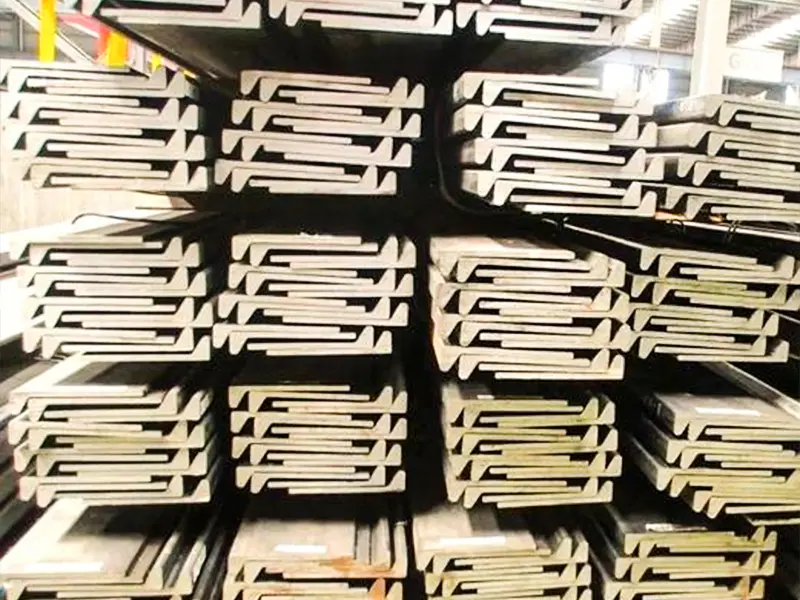
Minimizing waste is about matching your purchase length to your cut plan. For simple, repeated cuts, stock lengths might work. For complex projects with many different sizes, cut-to-length service1 reduces scrap and saves labor.
Dive deeper Paragraph:
This is a question I get from every smart buyer. "Should I buy standard lengths4 and cut myself, or should I ask you to cut it?" There is no single answer. It depends on your project. But I can tell you how we help our clients figure it out.
Take a project we did for a fabricator in Romania. He was making parts for container ships. He needed pieces of bulb flat in 2.4-meter, 3.6-meter, and 4.8-meter lengths. He first ordered standard 12-meter bars. His team spent days cutting the 12-meter bars down to size. They had a lot of end cuts left over, which became scrap. They also used a lot of gas and labor.
For his next order, we talked about cut-to-length. We worked with our mill to roll the bulb flats and then cut them to the exact lengths he needed. We sent him bundles of 2.4m pieces, bundles of 3.6m pieces, and so on. When the steel arrived, it went straight to the fitter. No cutting, no waste. He paid a small fee for the cutting, but he saved much more in labor and material.
Here is how to decide which method is better for you:
-
Choose Stock Lengths (12m) if:
- Your project uses long, continuous runs (like stiffeners).
- You have an efficient cutting shop with automated saws.
- You can use the remnants for other small parts.
- You are okay with managing the scrap.
-
Choose Cut-to-Length if:
- Your project has many different, precise lengths.
- Labor is expensive or your workshop is busy.
- You want to avoid managing small scrap pieces.
- Your fabrication schedule2 is tight and needs ready-to-use parts.
I always remind my clients that material savings are a big part of the total cost. A study from many years ago already showed that shipbuilders were focused on minimizing scrap in steel sections [citation:2]. This is not a new idea. By choosing the right length service, you are directly reducing the amount of steel that ends up on the floor. It is better for your budget and better for the environment.
Conclusion
Managing multiple sections comes down to planning, communication, and clear systems for identity, stock, delivery, and cutting.
-
Explore how cut-to-length services can optimize your production process and reduce waste. ↩ ↩ ↩ ↩
-
Find tips on streamlining your fabrication schedule to enhance productivity and meet deadlines. ↩ ↩ ↩ ↩
-
Find out how to effectively track inventory usage to optimize re-ordering and reduce excess stock. ↩ ↩
-
Discover the pros and cons of using standard lengths for your projects and how it impacts efficiency. ↩ ↩ ↩