
You order angle steel. It arrives with wrong dimensions, rust, or fake certificates. Your project stops.
Use this checklist: verify certifications and mill test reports, check dimensional tolerances and straightness, inspect surface condition and corrosion protection, and confirm packaging, marking, and delivery terms.
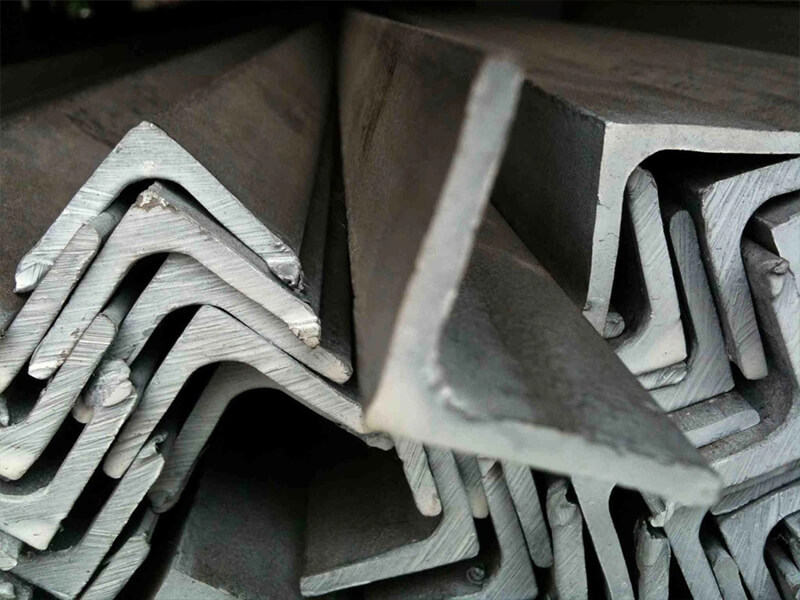
I have talked to dozens of shipyard purchasing managers. They all want the same thing: steel that works the first time. No rework. No delays. No surprises. Over the years, I have built a simple checklist that covers everything a shipyard should check before ordering marine angle steel. Let me walk you through each item. You can use this list for your next purchase.
What Quality Certifications and Mill Test Reports Should You Verify Before Ordering?
A certificate that looks real might be fake. You cannot see the steel’s chemistry with your eyes.
You must verify the Mill Test Certificate (MTC)1 matches the steel’s heat number, check that the classification society (ABS, DNV, LR, etc.) is valid, and confirm that the mechanical properties meet your project’s required grade.
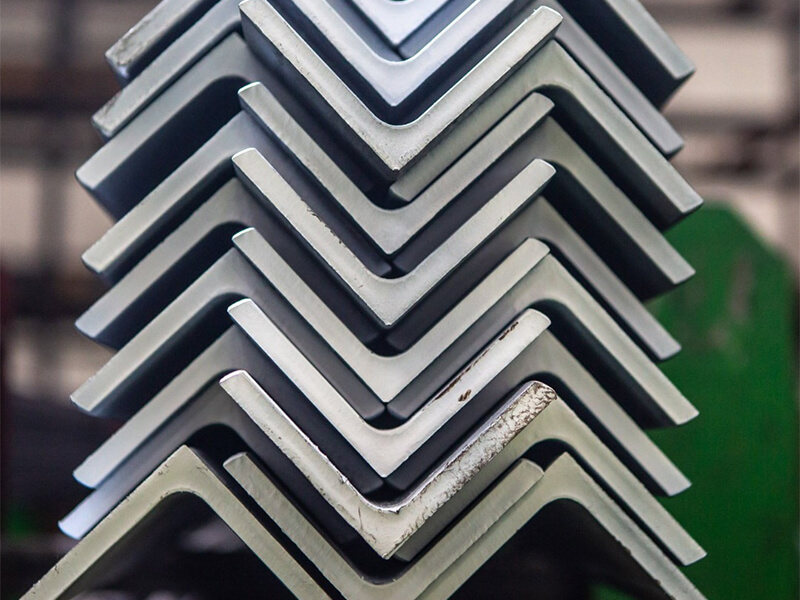
The documents that prove your steel is real
I had a buyer from the Philippines. He sent me a certificate from his previous supplier. The certificate had a DNV logo. But the font was wrong. I called a friend at DNV. He checked the certificate number. It was fake. The buyer had already paid for 100 tons. He lost that money.
So do not just look at the paper. Dig into it.
First, the Mill Test Certificate (MTC). This is the most important document. A real MTC includes:
- Heat number (unique for each batch)
- Chemical composition (C, Mn, Si, P, S, etc.)
- Mechanical properties (yield strength, tensile strength, elongation)
- Mill name, stamp, and signature
You need to match the heat number on the MTC to the heat number stamped on the steel. If they do not match, reject it.
Second, classification society approval2. Different ship types need different approvals. Here is a table:
| Ship Type | Required Approval | Common Grades |
|---|---|---|
| Bulk carrier | ABS, LR, NK | A, B, AH32, DH32 |
| Oil tanker | BV, DNV, CCS | AH36, DH36, EH36 |
| Container ship | LR, ABS, NK | D, E, AH40, DH40 |
| General cargo | CCS, KR, RINA | A, B, AH32 |
I always ask my clients which society they need. Then I source steel from a mill that has that approval.
Third, third-party inspection report3. Some buyers ask for SGS or TÜV inspection. The inspector takes samples, tests them, and issues a report. This is extra cost. But it is the best way to catch fake certificates.
One of my clients from Saudi Arabia uses SGS for every order. He told me: "One good inspection saved me from three bad suppliers before I found you."
Your certificate checklist
- MTC has a valid heat number
- Heat number matches the steel stamp
- Classification society logo is real (call to verify if unsure)
- Mechanical properties meet your grade (e.g., AH36 = 355 MPa yield)
- SGS or TÜV report (optional but recommended)
Ask your supplier to send the MTC before you pay. Then check it. If something looks wrong, ask questions.
How Do You Check Dimensional Tolerances and Straightness for Marine Angle Steel?
A 2mm difference in leg length does not look like much. But it stops your weld from fitting.
You check leg length, leg thickness, radius, and straightness1 against the standard tolerance (ASTM A62 or JIS G3192). For shipyards, I recommend tighter controls: ±1.0mm on leg length and ±0.3mm on thickness.
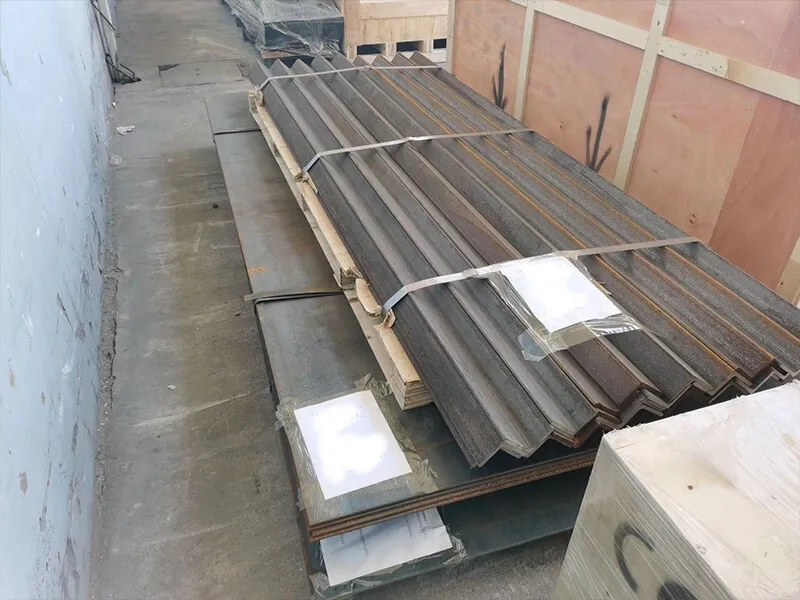
Why small numbers make a big difference
I remember a shipyard in Vietnam. They ordered L100x100x10 angle steel. The steel arrived with a leg thickness of 9.2mm on half the pieces. The welder had to adjust his parameters for every joint. The job took an extra week. The shipyard lost $10,000 in labor.
So measure before you cut.
First, the critical dimensions for angle steel.
| Dimension | ASTM A6 Tolerance | Shipyard Recommended Tolerance | How to Measure |
|---|---|---|---|
| Leg length (L) | ±2.0mm | ±1.0mm | Vernier caliper at three points |
| Leg thickness (t) | ±0.4mm | ±0.3mm | Micrometer |
| Radius (r) | ±1.5mm | ±1.0mm | Radius gauge |
| Straightness | 1.5mm per meter | 1.0mm per meter | Straight edge and feeler gauge |
| Twist | 1mm per 100mm width | 0.5mm per 100mm width | Flat surface and dial gauge |
Second, how to catch out-of-tolerance steel before shipment. Ask your supplier to send you measurement photos3. I send my clients a table with actual measurements from each bundle.
Here is an example:
| Bundle | Leg L1 (mm) | Leg L2 (mm) | Thick (mm) | Straight (mm/m) | Result |
|---|---|---|---|---|---|
| B01 | 100.1 | 100.0 | 10.02 | 0.8 | Pass |
| B02 | 99.8 | 99.9 | 9.95 | 1.2 | Pass |
| B03 | 98.5 | 98.7 | 9.25 | 2.5 | Fail – reject |
If a bundle fails, do not let it ship. I replace failed bundles at no cost to the buyer.
Third, why straightness matters more than you think. Bent angle steel does not line up with the next piece. Your team has to force it or add shims. Both options create weak points. A straightness of 2mm per meter is acceptable for some projects. But for critical structures like tankers or offshore platforms, ask for 1mm per meter or better.
Your dimensional checklist
- Leg lengths are within ±1.0mm of order spec
- Leg thickness is within ±0.3mm
- Straightness is under 1.5mm per meter (tighter for critical projects)
- No twist more than 1mm per 100mm width
- Supplier provides measurement photos or report before loading
I do all these checks for every order. You should ask your supplier to do the same.
What Surface Condition and Corrosion Protection Standards Must Shipyards Require?
Rust on the surface is not just ugly. It hides pits. It ruins coatings. It fails inspections.
Shipyards require a surface finish of ISO 8501‑11 level B or better (light mill scale, no red rust). For long‑term storage or sea freight, a shop primer2 or rust preventive coating3 is highly recommended.
[^4] for rust and mill scale](https://cnmarinesteel.com/wp-content/uploads/2025/09/Marine-angle-steel-5.jpg)
How rust becomes a hidden cost
I had a client from Mexico. He received angle steel with heavy red rust. The supplier said: "Just sand it." His team spent 80 hours sanding and grinding. That cost him $2,400 in labor. Plus, the pitting under the rust was so deep that some pieces lost thickness. He had to scrap 10% of the order.
So do not accept rusty steel.
First, the surface condition grades you need to know. ISO 8501‑1 defines four levels:
| Grade | Description | Acceptable for Shipyards? |
|---|---|---|
| A | Large areas of mill scale, little rust | Yes (if scale is tight) |
| B | Mill scale starting to rust, some pitting | Acceptable with light cleaning |
| C | Mill scale rusted away, visible pitting | No – needs heavy cleaning or rejection |
| D | Heavy rust, deep pitting | Reject |
For marine angle steel, aim for Grade A or B. Grade C is risky. Grade D is unacceptable.
Second, common surface defects and what they mean.
| Defect | What It Looks Like | Action |
|---|---|---|
| Light mill scale | Dark gray, flaky surface | Accept, but clean before welding |
| Heavy mill scale | Thick dark coating, chips off | Ask supplier to remove or discount |
| Red rust (spots) | Orange spots on 5-10% of area | Accept with light brushing |
| Red rust (heavy) | Orange crust over 30%+ of area | Reject or ask for cleaning |
| Pitting | Small holes deeper than 0.5mm | Reject – structural weakness |
| Lamination | Thin layers peeling off | Reject – hidden cracks |
Third, corrosion protection4 for storage and shipping. Angle steel that sits at your yard for two months will rust if unprotected. You have two options:
| Protection Method | Cost | Protection Duration | Best For |
|---|---|---|---|
| Shop primer (epoxy or alkyd) | $30‑50/ton | 3‑6 months outdoors | Long‑term storage, coastal yards |
| Rust preventive oil | $10‑20/ton | 1‑3 months indoors | Short‑term storage |
| VCI paper wrap | $15‑25/ton | 2‑4 months | Container shipment |
| No protection | $0 | 1‑2 weeks | Immediate use, dry storage |
I recommend shop primer for most marine projects. The extra cost is small compared to the labor of cleaning rust later.
Your surface and corrosion checklist
- Surface grade is ISO 8501‑1 level A or B
- No red rust on more than 5% of the surface
- No deep pitting (deeper than 0.5mm)
- No laminations or cracks
- Shop primer or rust preventive applied if storage > 2 weeks
- Surface photos from supplier before shipment
One of my clients from Qatar always asks for shop primer. He told me: "The primer costs me $40/ton. It saves me $200/ton in cleaning labor." That is a smart trade‑off.
Why Are Packaging, Marking, and Delivery Terms Critical in Your Purchasing Checklist?
Steel arrives with torn wrapping. The heat number tags are missing. You cannot identify which batch is which.
Proper packaging includes waterproof wrapping, steel straps with edge protectors, and clear markings (heat number, size, bundle number). Delivery terms must include Incoterms1, lead times, and a clear policy for damaged or missing steel.
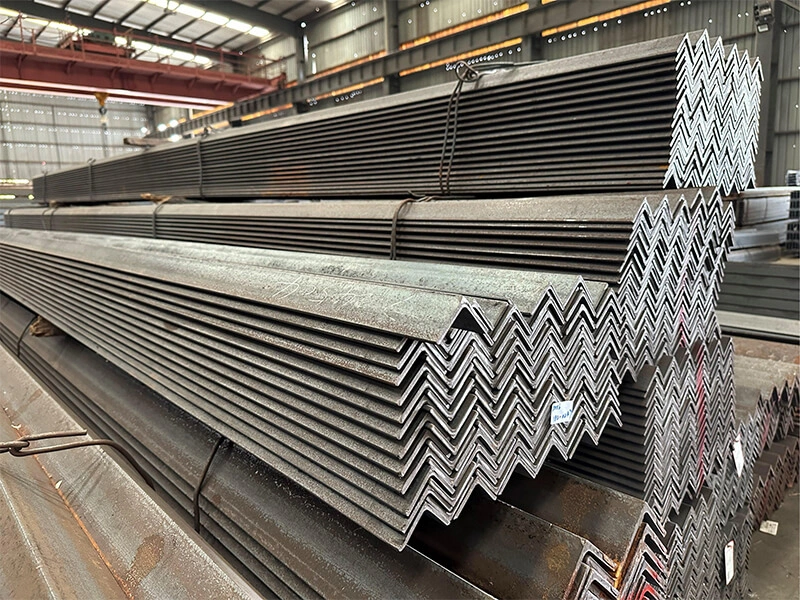
The last chance to avoid problems
I had a buyer from Malaysia. His container arrived with broken straps and torn plastic. The steel was wet. The labels had fallen off. He had no idea which bundle belonged to which heat number. His quality team spent two days sorting and measuring. He lost $5,000 in labor.
So do not skip the packaging check2.
First, the three levels of packaging for sea freight.
| Layer | Material | Purpose |
|---|---|---|
| Inner | VCI paper or rust-preventive film | Stops moisture on steel surface |
| Middle | Waterproof PE sheet or tarpaulin | Blocks rain and sea spray |
| Outer | Steel straps + plastic edge protectors | Keeps bundle tight, prevents cutting |
I use all three layers for every sea shipment. My clients receive steel that looks as clean as the day it left.
Second, marking and identification3. Every bundle must have a clear, weather‑resistant tag with:
- Heat number (matches MTC)
- Size (e.g., L100x100x10)
- Grade (e.g., AH36)
- Bundle number (matches packing list)
- Net weight
Without these tags, you cannot trace the steel. Your quality team will waste hours.
Third, delivery terms5 you must agree on before ordering.
| Term | What It Means | Why It Matters |
|---|---|---|
| Incoterms (FOB, CIF, etc.) | Who pays for freight and insurance | Avoid surprise costs |
| Lead time | Days from order to shipment | Plan your production schedule |
| Partial shipment allowed? | Can they ship in multiple batches | Manage your warehouse space |
| Damaged steel policy | Who pays for replacement | Protect your budget |
| Loading supervision | Who checks packaging and loading | Ensure steel arrives intact |
I always put these terms in writing before I accept a purchase order. My clients appreciate the clarity.
Your packaging and delivery checklist
- Waterproof wrapping on every bundle
- Edge protectors under all steel straps
- Clear tags with heat number, size, grade, bundle number
- Loading photos sent within 24 hours
- Incoterms and lead time confirmed in writing
- Damaged steel replacement policy stated
Ask your supplier: "Can you send me a photo of the sealed container with the tags visible?" If they say no, find another supplier.
Conclusion
Check certificates, measure dimensions, inspect surfaces, and verify packaging. Use this checklist for every marine angle steel order.
-
Learning about Incoterms can clarify responsibilities and costs in shipping, protecting your budget. ↩ ↩ ↩ ↩
-
Understanding the significance of a packaging check can save you from costly mistakes and ensure quality delivery. ↩ ↩ ↩ ↩
-
Proper marking and identification prevent confusion and save time during quality checks, ensuring efficiency. ↩ ↩ ↩ ↩
-
Learn about various corrosion protection methods to extend the life of your steel structures and reduce maintenance costs. ↩
-
Exploring delivery terms helps you avoid unexpected costs and ensures a smooth purchasing process. ↩