
Choosing the wrong grade for bulb flat steel in a ship’s frame can compromise the entire vessel’s integrity. I’ve seen how precise grade selection directly impacts a ship’s safety and longevity in harsh ocean environments.
Marine bulb flat steel grades, governed by classification societies like ABS, LR, and DNV, include Ordinary Strength (A, B, D, E) and High Strength (AH32, AH36, DH36, EH36) categories. Their mechanical properties—yield strength (235-390 MPa), tensile strength, and Charpy impact toughness at low temperatures—are strictly certified to withstand specific marine conditions. These properties ensure the steel performs reliably in critical hull applications.
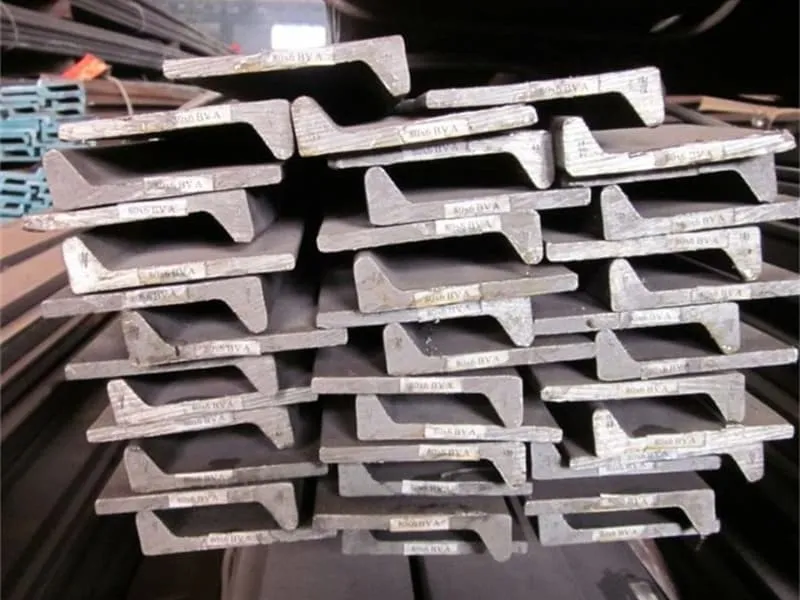
In my experience working with shipyards from Saudi Arabia to Vietnam, understanding these grades and properties isn’t just technical knowledge—it’s essential for making informed purchasing decisions that balance cost, compliance, and safety. Let me walk you through what I’ve learned about selecting the right marine steel.
What are the grades of marine steel plates?
When a shipyard in the Philippines received steel plates marked with different grade codes, their production nearly halted until they could verify each plate’s certification. This situation highlights why understanding marine steel grades is crucial for any project.
Marine steel plate grades are classified by societies like ABS, LR, and DNV into Ordinary Strength (Grades A, B, D, E) and High Strength (Grades AH32, AH36, DH36, EH36, with numbers indicating yield strength). The letter indicates toughness level, with D and E grades offering better impact resistance at lower temperatures for harsh environments. Each grade serves specific structural purposes based on its mechanical properties.
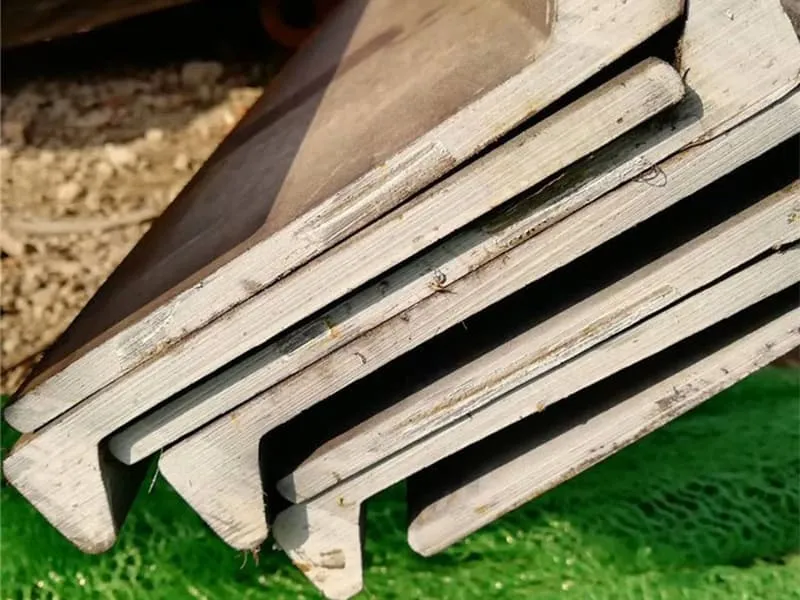
Decoding Marine Steel Grade Classifications
Based on my dealings with mills and classification societies, I’ve found that marine steel grades follow a logical system that tells you exactly what you’re getting.
The Alphabet of Toughness
The letter in the grade code reveals the steel’s impact toughness1—its resistance to brittle fracture:
- Grade A: Basic toughness, typically used in less critical areas
- Grade B: Standard toughness for general hull structures
- Grade D: Enhanced toughness tested at -20°C
- Grade E: Superior toughness tested at -40°C for Arctic operations
The Numbers Tell the Strength Story
When you see numbers like 32, 36, or 40 in grades like AH36:
- 32 = 315 MPa minimum yield strength
- 36 = 355 MPa minimum yield strength
- 40 = 390 MPa minimum yield strength
How Grades Correspond to Ship Locations
From what I’ve observed in ship designs:
| Ship Location | Recommended Grade | Why This Grade Works Here |
|---|---|---|
| Midship bottom plating | Grade B or AH32 | Balances strength and cost for primary hull areas |
| Forward sections (bow area) | Grade D or DH36 | Higher toughness resists impact from waves |
| Deck plating under cargo | AH36 or DH36 | High strength supports heavy loads |
| Internal bulkheads | Grade A or B | Lower strength sufficient for internal divisions |
| Ice-class vessel hull | Grade E or EH36 | Maximum toughness for freezing conditions |
The Certification Reality
In practice, every marine grade must come with proper Mill Test Certification2 showing:
- Chemical composition within specified limits
- Mechanical test results meeting minimum requirements
- Impact test values at designated temperatures
- Classification society approval stamps
I always remind clients that the grade marked on the steel must exactly match the grade on the MTC—this simple check has prevented numerous quality issues in projects from Qatar to Mexico.
What is a bulb flat1?
During a yard visit in Thailand, I watched workers installing bulb flat1s as hull stiffeners. The project manager explained how this specific profile allowed them to reduce weight while maintaining strength—a perfect example of smart marine engineering.
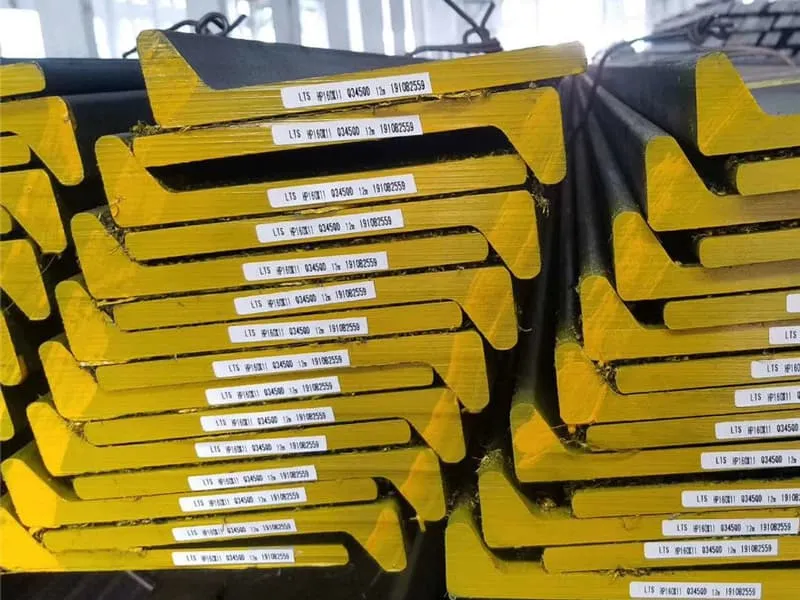
A bulb flat1 is a specialized steel profile with a T-shaped cross-section featuring a rounded bulb at one end of the flat web. It’s designed as an efficient stiffener for ship hulls, decks, and bulkheads, providing superior bending resistance compared to standard flat bars of equal weight due to its optimized geometry and material distribution. The bulb concentrates mass where it most effectively resists deflection.
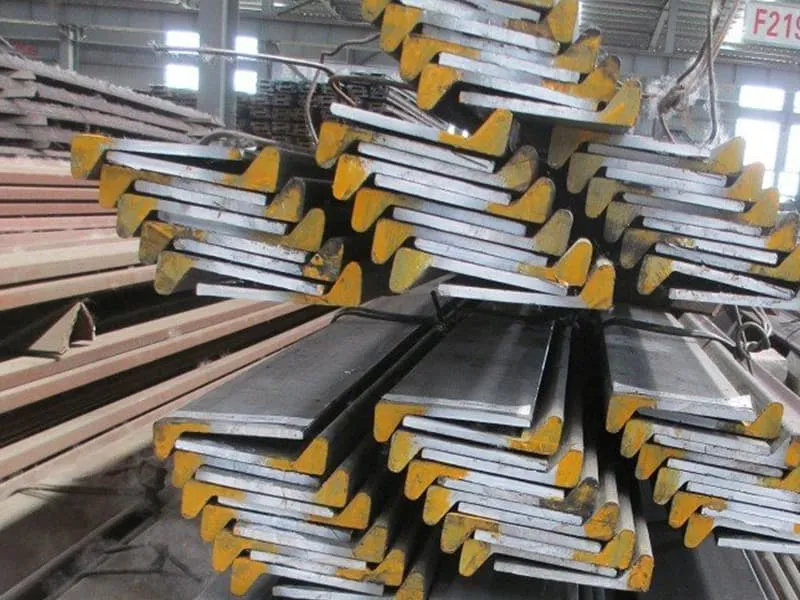
The Engineering Advantages of Bulb Flat Design
From my technical discussions with naval architects, I’ve learned that bulb flat1s offer several key benefits that make them ideal for marine applications.
Structural Efficiency Explained2
The bulb flat1‘s design follows basic engineering principles:
- Section Modulus Advantage: By concentrating material at the furthest point from the neutral axis (the bulb tip), the profile achieves a higher section modulus
- Weight Reduction: Compared to traditional angles or tees, bulb flat1s provide equivalent stiffness with less material
- Space Optimization: Their streamlined profile allows for tighter spacing in double bottoms and other confined areas
Common Bulb Flat Standards and Sizes3
In my supply experience, these are the most frequently requested specifications:
| Standard | Typical Size Range | Common Applications |
|---|---|---|
| JIS G3192 | 100x6mm to 450x22mm | Asian shipbuilding, bulk carriers |
| DIN 1025 | Similar range with European dimensions | European yards, offshore platforms |
| ABS Approved | Custom sizes to classification rules | All ABS-classed vessels |
Manufacturing and Quality Considerations4
Producing quality bulb flat1s requires:
- Precision rolling to maintain consistent bulb geometry
- Controlled cooling to achieve proper microstructure
- Straightening to meet strict straightness tolerances
- Testing to verify mechanical properties match the ordered grade
Practical Application Insights
From working with fabricators, I’ve noticed these implementation details:
- Welding: Bulb flats are typically welded with the flat side against the plate
- Spacing: Determined by plate thickness and expected loads
- Orientation: Usually installed longitudinally (fore-aft) in hulls
- End connections: Require careful detail to avoid stress concentrations
The efficiency gains are real—one shipyard in Romania reported 8% weight savings in their stiffening system by switching to properly specified bulb flat1s. This translates directly to fuel savings over the vessel’s life.
What grade is MS flat material?
When a fabricator in Myanmar asked for "MS flat material" for marine applications1, we had to clarify that "Mild Steel2" alone wasn’t sufficient—they needed specifically graded marine steel with proper certification for their classification society requirements.
MS (Mild Steel2) flat material typically refers to low-carbon steel with grades like ASTM A36, IS 2062, or BS 4360 Grade 43A, featuring yield strengths around 250 MPa. However, for marine applications1, this generic MS designation is inadequate—specific marine grades3 (ABS A, B, etc.) with controlled chemistry, impact testing, and classification society approval4 are mandatory for hull structures. Using non-marine MS material in ships violates classification rules and compromises safety.
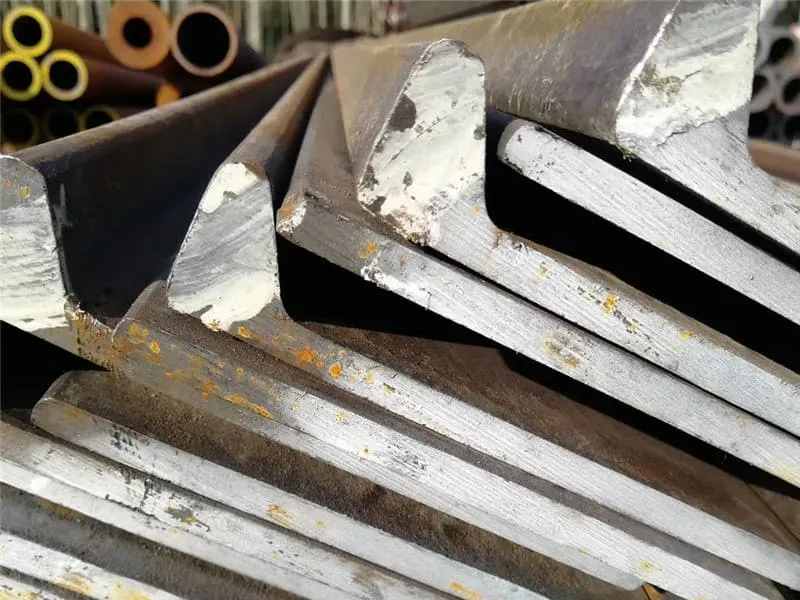
Understanding the Limitations of Generic "MS" for Marine Use
Through years of supplying marine projects, I’ve seen the consequences of misapplying general-purpose steel in marine environments.
Chemical Composition Differences
Marine grades have stricter chemical controls:
| Element | Typical MS (A36) | Marine Grade (ABS B) | Why It Matters |
|---|---|---|---|
| Carbon (C) | ≤0.26% | ≤0.21% | Lower carbon improves weldability |
| Manganese (Mn) | – | 0.80-1.20% | Enhances strength and toughness |
| Phosphorus (P) | ≤0.04% | ≤0.035% | Lower P reduces brittleness |
| Sulfur (S) | ≤0.05% | ≤0.035% | Lower S improves ductility |
| Silicon (Si) | 0.40% max | 0.10-0.35% | Controlled for deoxidation |
Mechanical Property Gaps
The performance differences are significant:
| Property | ASTM A36 (MS) | ABS Grade B (Marine) | Marine Advantage |
|---|---|---|---|
| Yield Strength | ≥250 MPa | ≥235 MPa | Similar base strength |
| Tensile Strength | 400-550 MPa | 400-520 MPa | Comparable range |
| Elongation | ≥20% | ≥22% | Better ductility |
| Impact Test | Not required | Required at 0°C | Verified toughness |
Certification and Traceability
This is where marine steel fundamentally differs:
- Mill Test Certificate5: MS material might have a basic MTC, but marine steel requires comprehensive testing documentation
- Heat Traceability: Marine steel maintains complete heat-to-product traceability
- Classification Approval: Mills producing marine steel undergo regular audits by classification societies
Cost and Value Perspective
While marine-grade bulb flats cost 15-25% more than generic MS flats:
- The premium ensures regulatory compliance
- Prevents costly rework or rejection during surveys
- Provides documented quality for insurance and liability purposes
- Extends service life through better corrosion performance
I always advise clients: if your project requires classification society approval4, "MS flat material" is never the correct specification. You need the exact marine grade specified by your naval architect or classification society rules.
What is 3 grade steel?
A contractor in Saudi Arabia once confused "Grade 3" steel with "3 grades of steel," almost ordering material that wouldn’t meet their project specifications. This confusion between numbering systems highlights the importance of precise terminology in steel procurement.
"3 grade steel" typically refers to specific classifications within systems like ASTM’s grade designations (e.g., Grade 3 bolts1) or some regional standards, but in marine contexts, it’s not a standard term. For marine bulb flats, the relevant grades follow classification society systems (A, B, D, E, AH, DH series) rather than simple numerical grades. Understanding the proper grading system prevents specification errors in shipbuilding contracts.
Navigating Steel Grade Numbering Systems
Based on my experience with international clients, I’ve learned that different numbering systems serve different purposes in the steel industry.
Common Numerical Grade Systems
-
- Used for specific products like fasteners or piping
- Example: ASTM A307 Grade 3 bolts1
- Not typically used for structural shapes like bulb flats
-
- Four-digit codes (e.g., 1020, 1045)
- Indicate chemical composition
- More common in machining and automotive applications
-
Regional Numbering:
- Some countries use numerical grades in their national standards
- Often correspond to minimum yield strength in MPa
Why Marine Grading Differs
Marine classification societies use letter-based systems because:
- Letters indicate toughness characteristics (A, B, D, E)
- Numbers (when present) indicate strength level (32, 36, 40)
- This system directly relates to performance in marine environments
Comparison of Grade Designation Systems
| System | Example | What It Indicates | Typical Use |
|---|---|---|---|
| Classification Society | ABS DH36 | Strength (355 MPa) & Toughness (D grade at -20°C) | Shipbuilding, offshore |
| ASTM Structural | ASTM A572 Grade 50 | Minimum yield strength (50 ksi ≈ 345 MPa) | General construction |
| EN Standards | S355J2 | Strength (355 MPa) & Impact value (27J at -20°C) | European projects |
| SAE/AISI | 1045 | Chemical composition (0.45% carbon) | Machined components |
Practical Implications for Buyers
From helping clients navigate these systems:
- Always specify the complete standard: e.g., "ABS Grade DH364" not just "Grade 36"
- Verify equivalence: Different systems may have similar numbers but different requirements
- Check project specifications: Naval architects usually specify exact classification society grades
- Document consistency: Ensure purchase orders, MTCs, and markings all use the same designation
The "Three Grades" Misunderstanding
Sometimes "3 grade steel" refers to:
- Three different quality levels in some mill standards
- Third-grade material (often secondary quality)
- Three layers in clad or coated products
In marine applications, there’s no room for such ambiguity. The grade must be explicitly defined according to recognized marine standards.
I’ve found that clear communication about grade requirements saves time and prevents errors. When Gulf Metal Solutions places orders, they specify "ABS Grade AH36" precisely—this clarity ensures they receive exactly what their shipbuilding clients require.
Conclusion
Selecting marine bulb flat steel requires understanding specific grade systems, recognizing bulb flats’ structural advantages, differentiating marine grades from generic MS material, and avoiding ambiguous terms like "3 grade steel" in favor of precise classification society designations.
-
Explore this link to understand the specifications and applications of Grade 3 bolts in various industries. ↩ ↩ ↩ ↩ ↩ ↩ ↩ ↩ ↩ ↩ ↩ ↩ ↩
-
Discover the significance of ASTM Numerical Grades in steel procurement and their specific applications. ↩ ↩ ↩ ↩ ↩
-
Find out how SAE/AISI Grades are classified and their importance in the machining and automotive sectors. ↩ ↩ ↩
-
Understand the properties and applications of ABS Grade DH36 in shipbuilding and offshore projects. ↩ ↩ ↩ ↩
-
Discover the significance of Mill Test Certificates in verifying the quality and compliance of steel materials. ↩