
Imagine placing a large order for marine steel, only to see prices drop sharply right after shipment. Your profit margin disappears before the ship even arrives. This is the risk we all face when the market is unclear.
Based on current market data for 2026, marine steel plate prices are not expected to see a dramatic surge. Instead, we are looking at a slow and steady market. Prices will likely stabilize and see a small increase, driven by strong demand from shipbuilders and strict controls on steel production in China [citation:3][citation:5].
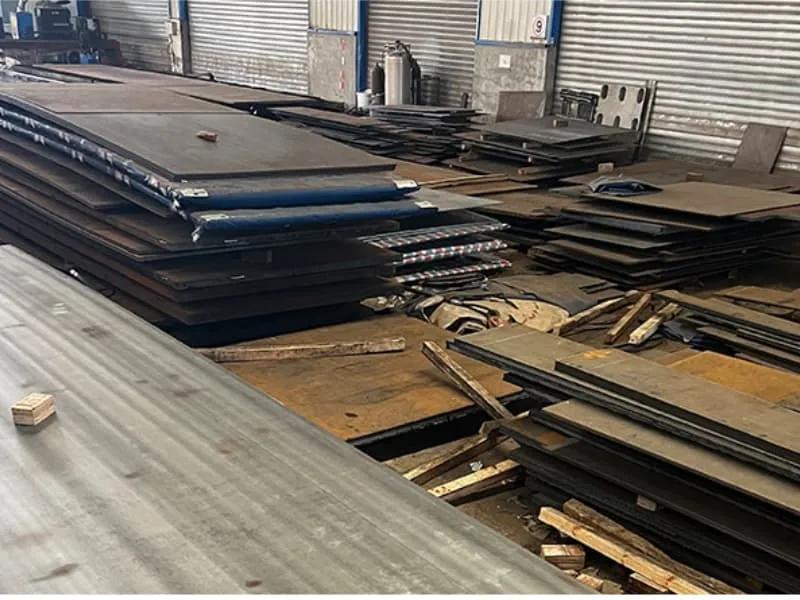
Understanding these trends is crucial for your bottom line. Whether you are a wholesaler in Vietnam or a project contractor in Saudi Arabia, knowing where prices are headed helps you make smart buying decisions. Let’s break down the four big questions everyone is asking right now.
Will steel prices go up in 2026?
You check the news one day and see reports of a steel market crash. The next day, you hear about shipyards being booked solid for years. It is confusing, and you just want a straight answer on whether to buy now or wait.
For the rest of 2026, steel prices are likely to go up slightly, but the increase will be modest. Most experts agree that while the big price jumps of the past are over, the market has found a bottom [citation:7][citation:10]. Prices will be supported by strong demand from specific areas, like shipbuilding, and by steel mills being careful not to produce too much steel [citation:2].
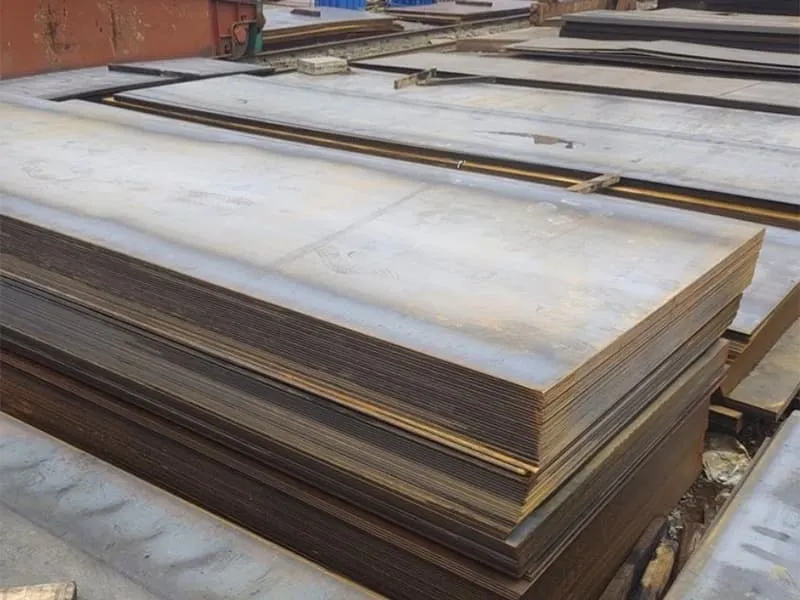
The Two Forces Pushing and Pulling Prices
To understand why prices will only go up a little, we need to look at the two main forces at work. It is like a tug-of-war. On one side, you have factors that push prices up. On the other side, you have factors that pull prices down.
Here is a simple way to see what is happening in the market right now:
| Market Force | Impact on Price | Why? |
|---|---|---|
| Strong Shipbuilding Demand1 | Pushes Prices Up | Shipyards are very busy. They have orders for ships that will keep them building for the next three years [citation:3][citation:8]. This creates a steady, strong need for marine plate. |
| China’s Production Controls2 | Pushes Prices Up | The Chinese government is limiting how much steel can be made. They want to stop "ugly competition" and focus on quality, not just quantity [citation:3][citation:10]. Less supply usually means higher prices. |
| Lower Iron Ore Costs3 | Pulls Prices Down | Iron ore is the main ingredient in steel. The price of iron ore is expected to fall in 2026. This lowers the cost for steel mills to produce, which can lead to lower prices for buyers [citation:2][citation:10]. |
| Weak Construction Sector4 | Pulls Prices Down | Buildings and infrastructure projects in China are not using as much steel as before. This means more steel could be available for other uses, which helps keep a lid on prices [citation:3][citation:6]. |
So, in 2026, the market is a balancing act. The strong demand from ships and limited supply is fighting against cheaper raw materials and weak construction. This is why we expect prices to rise, but only in a controlled and gradual way.
What is the future outlook for steel prices?
Many buyers look at the global economy and worry. They read about trade wars and slow growth. It makes them hesitate to place big orders. But the story for marine steel1 is different from the story for construction steel.
The future for marine steel plate is brighter than for other types of steel. The outlook is positive because our specific industry, shipbuilding, is booming. While general steel prices might struggle, marine plate has special support [citation:3][citation:5].
Why Marine Steel is Different from Other Steel
You cannot build a ship with the same steel you use for a building. Shipbuilding needs high-quality plates that resist corrosion and handle stress. This is a specialized product, and the demand for it is driven by very specific trends.
- The Green Ship Revolution2: Old ships are being replaced with new, cleaner ones. This requires a lot of new steel. International rules are pushing shipping companies to upgrade their fleets [citation:4][citation:8].
- High-Tech Steel Demand: It is not just about any steel plate. Shipyards need high-strength, corrosion-resistant plates3. This "high-end" steel is in greater demand, and it holds its value better than standard steel [citation:5].
- Export Opportunities: Countries like Vietnam, which you are from, are building more ships. This creates a need for high-quality imported steel plates that local mills might not produce in enough quantity.
My Personal Take from Working with Mills
I visit steel mills in China all the time. I see the changes happening with my own eyes. Five years ago, mills just wanted to produce as much as possible. Now, they are much more careful. They focus on specialty products4 like bulb flat steel and L-shaped sections.
They know that selling high-quality marine plate to a project contractor in Mexico or a shipbuilder in the Philippines is more profitable than just cranking out low-grade steel. This focus on quality over quantity is a big reason why marine steel prices will remain stable and strong. The days of crazy price drops are likely behind us for this specific product.
Is the price of steel going up or down?
You have a project starting in Qatar next month. You need to know if you should buy the marine angle steel now or if you can wait a few weeks. This short-term decision can save or cost you thousands of dollars.
In the very short term, for the next few months, marine steel prices are expected to stay mostly flat with a slight upward trend. There will be no major crash or huge spike. The market is in a "wait and see" pattern, but the overall direction is gently upwards [citation:5][citation:6].
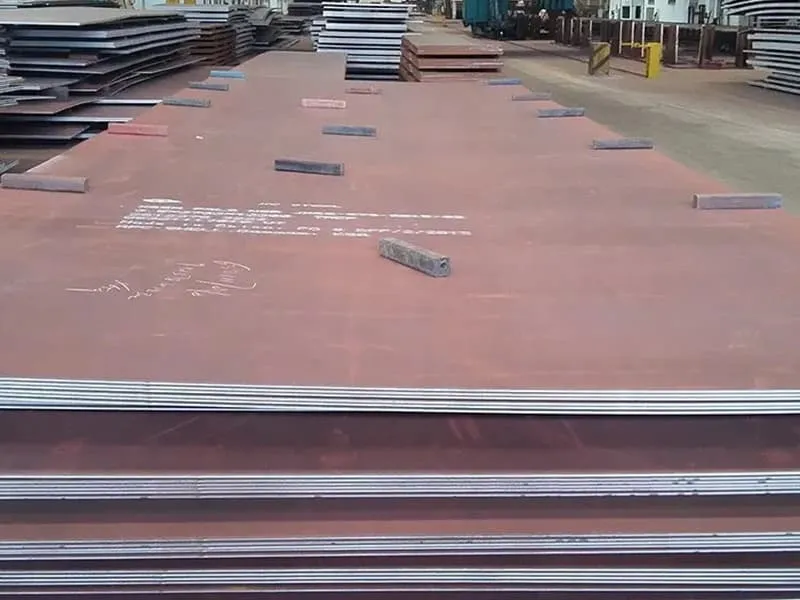
Short-Term Market Mood vs. Long-Term Reality
There is a difference between how the market feels right now and what the real demand is. Sometimes, the mood is negative because of news about the economy, even if shipyards are still busy.
Here is a breakdown of the short-term versus long-term view:
The Short-Term View (Next 1-3 Months):
- Market Mood: A bit cautious. People are watching economic news and policy changes [citation:6].
- Inventory Levels: Warehouses have some stock, so there is no immediate shortage.
- Price Action: Prices might wobble a little, but they will not fall off a cliff.
The Long-Term View (Next 6-12 Months):
- Real Demand: Underlying demand from shipbuilders is very solid. They have full order books [citation:3].
- Supply Control: Steel mills are disciplined. They are not flooding the market with cheap products [citation:7].
- Price Action: This solid demand and controlled supply1 will gently push prices up over the year.
A Lesson from a Client in Malaysia
Last year, one of my regular buyers from Malaysia was hesitant. He kept waiting for prices to drop to last year’s low. He waited too long. Prices stabilized and then ticked up. He ended up paying more than if he had bought when he first planned.
We discussed his project timeline and cash flow. He realized that for his fabricating business, a stable and predictable price was more valuable than gambling on a small drop. He placed the order, and the shipment arrived just in time for his project start. Now, we work together to schedule his L-shaped steel purchases based on his project calendar, not on trying to time the absolute bottom of the market.
What is the outlook for steel prices in China1?
For buyers outside of China, the big question is always about China. China makes more than half of the world’s steel. What happens there affects everyone, from a wholesaler in Romania to an importer in Thailand.
The outlook for steel prices in China is for a market that is shrinking in volume but improving in value. The government is actively changing the industry. They want less total steel, but better quality steel with higher prices [citation:3][citation:7].
China’s New Rules: Less Steel, Better Prices
The Chinese government is not just letting the market do whatever it wants. They are making new rules to help the industry become healthier. This is great news for us as suppliers of marine steel.
Here are the key changes happening in China right now and what they mean for you:
- Tighter Production Controls2: The government is serious about limiting how much steel is made. This stops the market from being flooded with cheap products.
- Focus on High-Quality Steel3: Policies now encourage mills to make specialty products like the ones we offer. This includes high-strength marine plate and advanced alloys [citation:3].
- Environmental Rules are Getting Stricter4: Mills that pollute are being forced to clean up or shut down. This adds a small cost to production but ensures the steel is made responsibly [citation:7].
- Slower Construction, Stronger Manufacturing: Less steel is needed for new buildings in China. But more steel is needed for high-end manufacturing, like the machines and ships we build [citation:3][citation:7].
How This Helps Our Partners in Vietnam and Mexico
What does this mean for a project contractor in Saudi Arabia or a distributor in Mexico? It means you can buy from China with more confidence. The days of unpredictable quality are fading.
When I work with our partner mills in Liaocheng, they are proud of their certifications and their ability to pass SGS inspections. They are not just pushing out cheap steel. They are building a reputation. For you, this means a more reliable supply chain. You get a product that meets international standards, with stable pricing, and from a supplier who can handle the export process smoothly. It turns a simple transaction into a true partnership.
Conclusion
Over the next 12 months, expect marine steel plate prices to gradually rise due to strong shipbuilding demand and controlled supply in China, but the increase will be kept in check by lower raw material costs.
-
Understanding the trend of steel prices in China can help you make informed purchasing decisions. ↩ ↩ ↩ ↩
-
Explore how production controls impact market dynamics and pricing strategies in the steel industry. ↩ ↩ ↩
-
Discover the benefits of high-quality steel and how it influences global supply chains. ↩ ↩ ↩
-
Learn how environmental regulations shape the steel industry and affect pricing and quality. ↩ ↩ ↩