
A shipyard in Saudi Arabia recently asked me about 2025 steel price forecasts. Their project budgeting required accurate cost projections.
Marine steel plate prices in 2025 are projected to range from $650 to $850 per ton for standard AH36 grade, with prices influenced by raw material costs, environmental regulations, and global demand. Higher grades like DH36 and EH36 may cost 10-20% more due to enhanced properties and certification requirements.
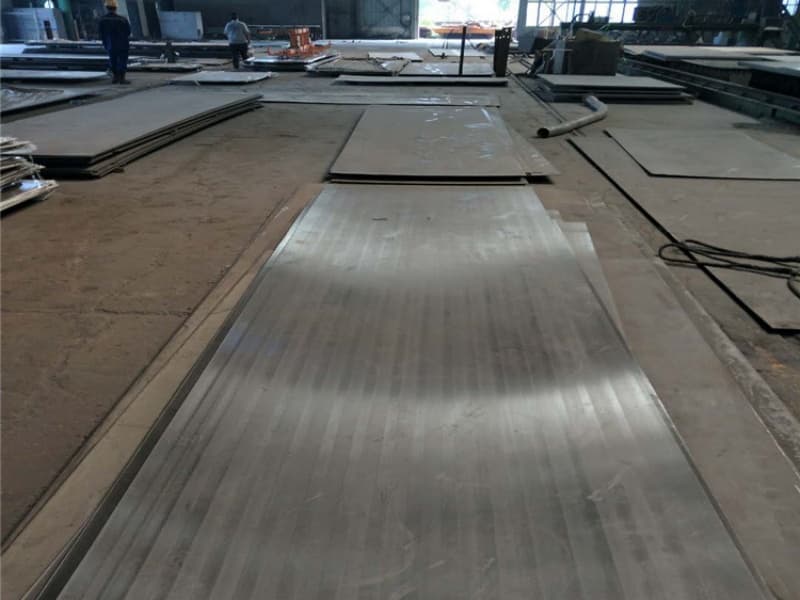
Understanding price trends helps shipbuilders plan their projects effectively. Let me analyze the factors affecting 2025 steel prices.
Will steel prices1 increase in 2025?
A shipowner from Qatar needed to understand price trends for their fleet expansion planning. Market analysis provided valuable insights.
Steel prices are expected to increase moderately in 2025 due to rising raw material costs2, environmental compliance expenses3, and growing infrastructure demand. However, Chinese overcapacity and global economic uncertainty may limit significant price surges, creating a balanced market with 5-10% potential increase from 2024 levels.
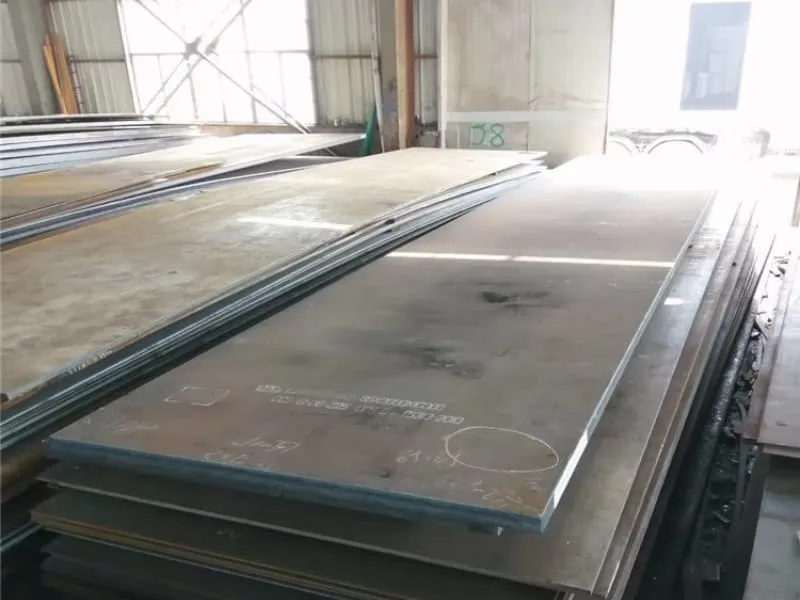
2025 Steel Price Outlook Analysis
Multiple factors will influence steel prices1 in 2025, creating a complex market environment where supply, demand, and regulatory pressures interact to determine final pricing.
Raw Material Cost Projections
Iron ore prices are expected to remain elevated in 2025. Major mining companies face increasing production costs. Environmental regulations require additional processing investments. Transportation costs continue rising with fuel prices. These factors contribute to higher raw material expenses. The cost pressure inevitably transfers to finished steel products.
Environmental Compliance Costs
Steel mills face growing environmental compliance expenses3. Carbon emission controls require significant investments. Energy efficiency improvements need capital expenditure. Waste treatment and recycling systems add operational costs. These environmental measures increase production costs substantially. The costs must be reflected in final product pricing.
Demand-Supply Balance
Global steel demand shows mixed signals for 2025. Infrastructure development in emerging markets supports demand. Construction activity in developed markets remains stable. Automotive industry recovery boosts specialty steel demand. However, Chinese overcapacity continues affecting global markets. The balance suggests moderate price increases rather than spikes.
Production Capacity Factors
Chinese steel production capacity remains a key factor. Government policies aim to control output levels. Environmental restrictions limit production in certain regions. Mill consolidation creates more disciplined pricing. Export regulations affect international market supply. These factors contribute to price stability with upward pressure.
Energy and Transportation Costs
Energy prices significantly impact steel production costs. Electricity rates continue rising globally. Natural gas prices affect direct reduction processes. Coal costs influence blast furnace operations. Transportation expenses increase with fuel prices and logistics challenges. These cost components support higher price levels.
Currency Exchange Effects
Currency fluctuations affect international steel trade. US dollar strength influences commodity pricing. Chinese yuan stability affects export competitiveness. Regional currency variations create arbitrage opportunities. Exchange rate movements can either amplify or dampen price trends. Monitoring currency markets is essential for price forecasting.
2025 Price Projection Factors
| Factor | Impact Direction | Strength | Duration |
|---|---|---|---|
| Raw Materials | Upward | Strong | Long-term |
| Environmental Costs | Upward | Medium | Increasing |
| Chinese Production | Downward | Strong | Variable |
| Global Demand | Upward | Medium | Stable |
| Energy Prices | Upward | Medium | Volatile |
| Currency Effects | Mixed | Variable | Unpredictable |
We monitor these factors closely to provide clients with accurate pricing guidance. Projects in Vietnam and Philippines benefit from our market insights.
How much does 1 ton of steel cost?
A contractor from Mexico needed current steel costs for their bidding process. Understanding price components helped their budgeting accuracy.
One ton of marine steel plate1 currently costs $600-800 for standard AH36 grade, with prices varying by quantity, certification requirements2, and delivery location. Higher grades like DH36 cost $650-850 per ton, while EH36 ranges from $700-900 per ton, plus additional charges for testing and certification.
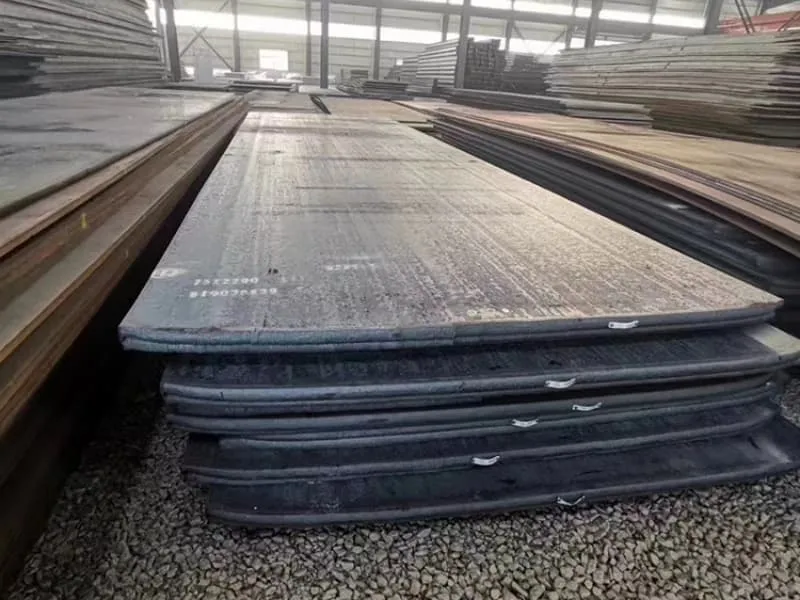
Comprehensive Steel Cost Analysis
Steel cost per ton involves multiple components that vary by product type, quality requirements, and market conditions. Understanding these elements helps in accurate cost estimation.
Base Material Cost Components
The base cost includes raw material and production expenses. Iron ore costs typically represent 40-50% of the total. Energy consumption adds 20-25% to production costs3. Labor and overhead contribute 15-20% of the total. Equipment depreciation and maintenance account for 10-15%. These components form the foundation of steel pricing.
Quality and Grade Premiums
Higher quality steels command significant price premiums. Marine grades cost 15-25% more than structural steel. Classification society certification adds 5-10% to the price. Enhanced toughness grades like DH36 carry 8-12% premiums. Special processing like TMCP increases costs by 10-15%. These premiums reflect additional value and performance.
Quantity and Scale Factors
Order quantity significantly affects per-ton pricing. Small orders under 10 tons incur 15-20% surcharges. Medium orders from 10-50 tons receive standard pricing. Large orders over 50 tons may qualify for 5-10% discounts. Very large projects can negotiate 10-15% volume discounts. The quantity effect reflects production and handling efficiency.
Certification and Testing Costs
Quality assurance adds to the total cost. Mill certification typically costs $50-100 per heat. Third-party inspection adds $100-200 per shipment. Classification society approval involves annual fees and per-ton charges. Additional testing like Z-quality certification increases costs. These services ensure quality but add to the price.
Market Condition Variations
Market dynamics cause price fluctuations4. Seasonal demand affects pricing throughout the year. Raw material price changes transfer to finished products. Currency exchange rates influence export pricing. Trade policies and tariffs create additional costs. Understanding market timing can yield cost savings.
Regional Price Differences
Geographical factors affect delivered prices. Production location influences base costs. Transportation distance adds to the final price. Import duties and taxes vary by country. Local market conditions create price variations. Regional preferences affect specific product pricing.
Steel Cost Breakdown Table
| Cost Component | Percentage Range | Typical Amount | Variable Factors |
|---|---|---|---|
| Raw Materials | 40-50% | $300-400 | Iron ore, scrap prices |
| Production | 25-30% | $180-240 | Energy, labor costs |
| Quality Premium | 15-25% | $120-200 | Grade, certification |
| Testing | 3-5% | $25-40 | Inspection requirements |
| Profit Margin | 8-12% | $60-80 | Market conditions |
| Logistics | 5-8% | $40-60 | Distance, quantity |
We provide transparent cost breakdowns to all clients. Understanding pricing components helps in budget planning and negotiation.
Are steel prices1 rising or falling?
A shipbuilder from Saudi Arabia needed current market direction for procurement timing. Market analysis informed their purchasing strategy.
Steel prices are currently experiencing moderate increases due to rising raw material costs2 and production constraints. However, the trend shows regional variations, with Chinese exports maintaining competitive pricing while other markets face upward pressure from environmental compliance costs and infrastructure demand growth.
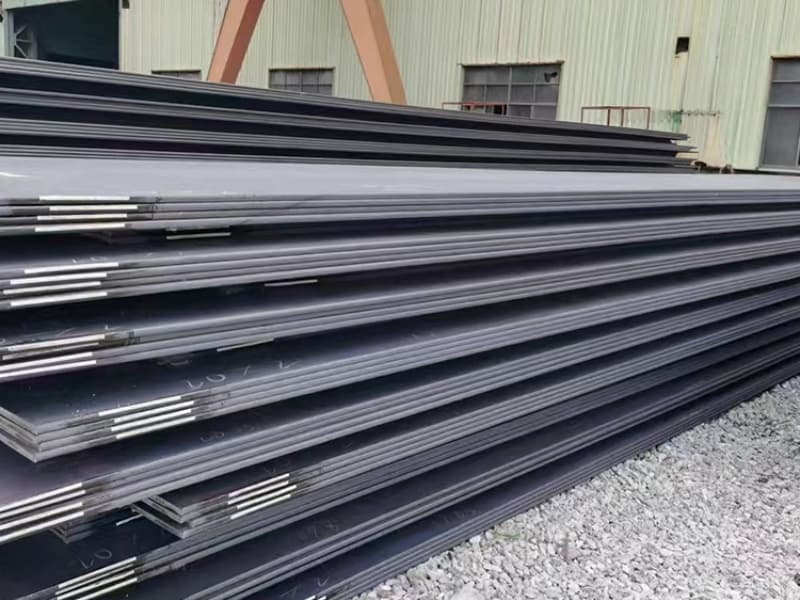
Current Steel Price Trend Analysis
Steel prices demonstrate complex behavior influenced by multiple competing factors. Understanding the current direction requires analyzing different market segments and geographical variations.
Raw Material Cost Influence
Iron ore prices have shown volatility in recent months. Supply disruptions in major mining regions affected availability. Transportation challenges increased delivery costs. Environmental regulations raised mining expenses. These factors contributed to raw material cost increases. The higher costs inevitably transfer to finished steel products.
Production Capacity Utilization
Global steel production operates at varied capacity levels. Chinese mills maintain high output despite environmental restrictions. European producers face energy cost challenges. North American mills benefit from protectionist policies. The capacity utilization affects supply availability and pricing pressure. Current trends suggest tight supply in certain markets.
Environmental Regulation Impact
Stricter environmental standards increase production costs. Carbon emission controls require technology investments. Energy efficiency standards raise operational expenses. Waste management regulations add compliance costs. These environmental measures contribute to price increases, particularly in regulated markets.
Demand Pattern Changes
Construction activity shows mixed patterns globally. Infrastructure projects in Asia maintain strong demand. European construction markets show moderate growth. American infrastructure spending supports demand. The varied demand patterns create regional price differences. Overall demand remains sufficient to support current price levels.
Trade Policy Effects
Trade policies continue influencing steel markets. Anti-dumping duties affect specific product categories. Tariff structures create market distortions. Regional trade agreements influence flow patterns. These policy factors create artificial price boundaries and opportunities.
Inventory Level Considerations
Steel inventory levels affect short-term pricing. High inventory typically leads to price pressure. Low inventory supports price stability or increases. Current inventory levels vary by region and product type. The inventory situation suggests balanced markets with some tightness in specific products.
Price Trend Indicators
| Market Segment | Current Trend | Strength | Expected Duration |
|---|---|---|---|
| Chinese Export | Stable to Up | Weak | Short-term |
| European Domestic | Rising | Medium | Medium-term |
| North American | Stable | Weak | Variable |
| Southeast Asian | Mixed | Variable | Unpredictable |
| Raw Materials | Volatile | Strong | Ongoing |
We help clients navigate these market trends for optimal purchasing timing. Strategic procurement can yield significant cost savings.
How much is a ton of steel in the UK?
A shipyard in Philippines needed UK steel prices for a vessel destined for European registration. Understanding regional pricing helped their cost estimation.
Marine steel plate in the UK costs £650-850 per ton for AH36 grade, with DH36 at £700-900 and EH36 at £750-950. Prices include CE certification and typically exceed Chinese prices by 20-30% due to higher production costs, import duties, and compliance with European standards and regulations.
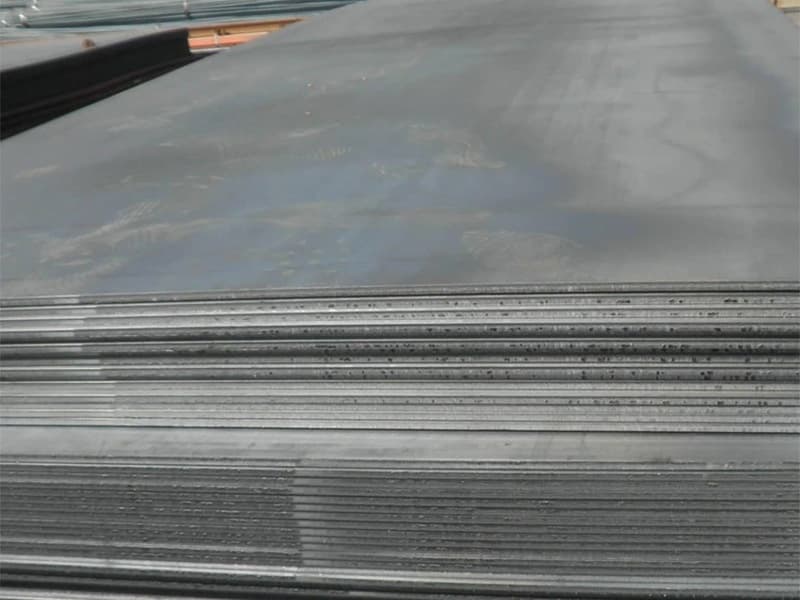
UK Steel Market Price Analysis
The UK steel market has unique characteristics that influence pricing compared to other global markets. Understanding these factors helps in cost planning for projects involving UK materials or regulations.
Production Cost Structure
UK steel production faces higher operating costs. Energy prices in the UK exceed global averages. Labor costs are significantly higher than in Asia. Environmental compliance expenses are substantial. Raw material costs include import duties and transportation. These factors contribute to higher base prices compared to Asian producers.
Regulatory Compliance Requirements
UK steel must meet strict regulatory standards. CE marking is mandatory for construction products. UKCA certification applies for domestic use. Environmental regulations require additional processing. Quality standards demand comprehensive testing. These compliance requirements add to the production costs.
Import Duty and Tax Structure
Steel imports into the UK face various charges. Standard import duty applies to most steel products. Anti-dumping duties affect certain categories. Value Added Tax adds 20% to the cost. Customs processing fees apply to all imports. These charges significantly increase the landed cost.
Transportation and Logistics
Geographical factors affect UK steel pricing. Island location increases transportation costs. Port handling charges add to import expenses. Domestic distribution costs are relatively high. These logistics factors contribute to price differences compared to continental Europe.
Market Competition Dynamics
The UK steel market has specific competitive characteristics. Domestic production faces import competition. Quality requirements limit supplier options. Customer preferences favor certain producers. These dynamics create a balanced but premium-priced market.
Quality and Certification Premium
UK customers expect high quality standards. Traceability requirements are stringent. Certification must be comprehensive and current. Technical support expectations are high. These quality expectations justify price premiums compared to other markets.
UK Steel Price Comparison
| Grade | UK Price (£/ton) | Chinese Price Equivalent | Price Difference | Main Reasons |
|---|---|---|---|---|
| AH36 | 650-850 | 500-700 | +25-30% | Production costs, duties |
| DH36 | 700-900 | 550-750 | +25-30% | Certification, testing |
| EH36 | 750-950 | 600-800 | +25-30% | Quality standards, compliance |
| Higher Grades | 800-1000+ | 650-850+ | +25-30% | Special requirements, low volume |
We help clients understand regional price differences for informed sourcing decisions. Optimal supplier selection balances cost, quality, and delivery requirements.
Conclusion
Marine steel plate prices in 2025 will reflect balanced market conditions with moderate increases from current levels. Understanding price drivers helps shipbuilders plan budgets and optimize procurement timing for project success.
-
Understanding the latest trends in steel prices can help you make informed purchasing decisions. ↩ ↩ ↩ ↩
-
Explore how fluctuations in raw material costs directly impact the pricing of steel products. ↩ ↩ ↩
-
This link breaks down production costs, providing clarity on what influences steel pricing. ↩ ↩ ↩
-
This link offers an in-depth analysis of market dynamics affecting steel prices, helping you make informed decisions. ↩