
Budgeting for a new ship is daunting. You know steel is a major cost, but how much exactly? A vague estimate can blow your entire project budget before the first plate is cut.
The marine steel cost for a 5,000-ton displacement vessel is a multi-layered calculation. It depends on the ship type, steel grades, market prices, and vessel capacity (like TEU for containers). For a typical general cargo or small bulk carrier, the steel weight can be 1,000-1,500 tons, with costs varying significantly based on global steel prices and specifications.
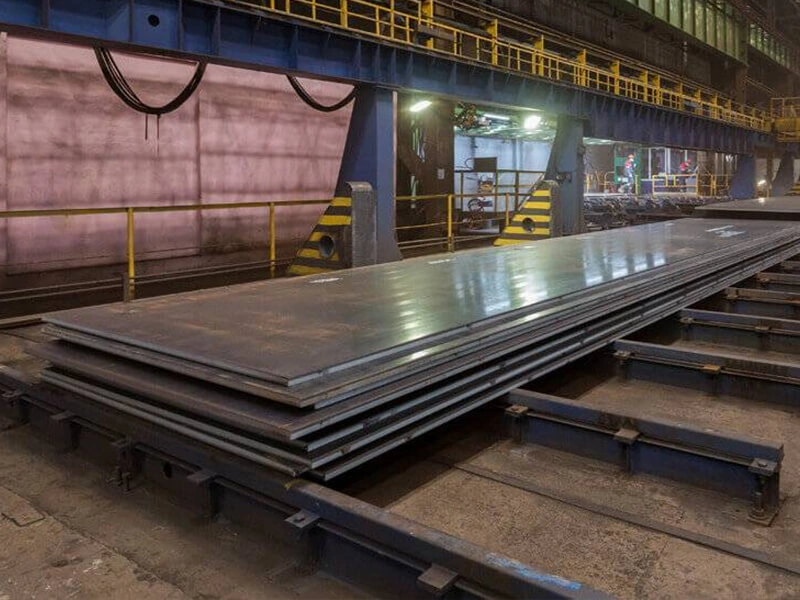
Talking about "5,000-ton vessels" is actually quite broad. This term can refer to the ship’s deadweight capacity or its lightweight. The type of ship matters most for steel cost. A 5,000-ton container ship uses steel very differently than a 5,000-ton oil tanker. To understand the steel cost, we must first understand what we are building. Let’s start by looking at common ship sizes and their overall costs, which puts the steel portion into perspective.
How much does a 500 TEU container ship1 cost?
When people think of small container ships, they often imagine a simple, inexpensive box. The reality is that even a modest feeder ship represents a major investment, with steel being a core, but not the only, cost driver.
A newbuild 500 TEU container ship1 can cost between $15 million and $25 million USD. The final price depends heavily on the shipyard location2, design sophistication, engine choice, and current market conditions for materials like steel.
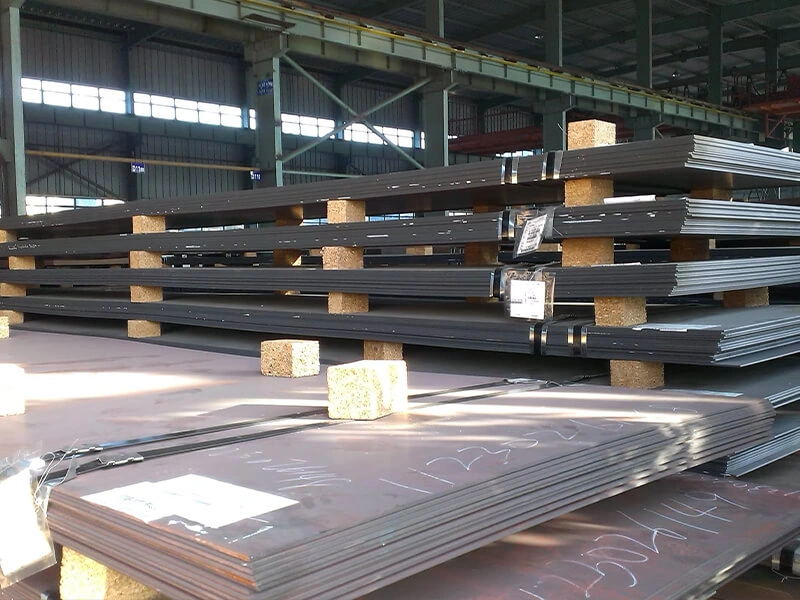
This total price tag might seem high for a relatively small ship. To understand why, and to see where steel fits in, we need to break down what this cost includes.
Deconstructing the Cost of a 500 TEU Feeder Ship
The cost is not one number. It is the sum of several large categories. Steel is a big part, but it’s surrounded by other essential expenses.
1. Hull Steel Structure: The Steel Cost Core
This is the part most relevant to our discussion. A 500 TEU ship has a lightweight (the weight of the empty ship) of roughly 3,000 to 4,000 tons. About 60-70% of this lightweight is steel. So, the steel weight is approximately 1,800 to 2,800 tons.
- Cost Calculation: If the average price for shipbuilding plate (like grade AH36) is $800 per ton (this is a variable example), the raw material cost for the hull steel alone would range from $1.44 million to $2.24 million.
- Important Note: This is just the material cost at the mill gate. It does not include processing, cutting, welding, or the steel for outfitting (decks, ladders, etc.).
2. Outfitting and Machinery3: The High-Value Additions
This category often exceeds the hull cost. It includes everything that makes the ship operate.
- Main Engine and Propulsion System: This is the single most expensive item after the hull, often costing several million dollars.
- Auxiliary Engines, Generators, and Pumps: The ship’s "hotel" and support power.
- Deck Machinery: Cranes (if not gearless), winches, mooring equipment.
- Electrical Systems, Piping, and Interior Joiner Work: All the complex systems inside.
3. Labor and Shipyard Costs4
This covers the thousands of hours of skilled work to cut, weld, assemble, and install everything. Labor rates vary drastically between shipyards in different countries (e.g., China, Vietnam, Japan, Europe), which is a primary reason for the wide cost range.
4. Design, Engineering, and Certification5
This includes the naval architecture fees, classification society fees (for ABS, LR, DNV, etc.), and regulatory compliance costs. These are fixed costs that apply regardless of ship size.
To visualize how steel fits into the bigger picture, consider this simplified percentage breakdown for a 500 TEU ship built in an efficient Asian yard:
| Cost Category | Approximate Share of Total Cost | What It Includes | Relation to Steel |
|---|---|---|---|
| Hull Structure (Material & Labor) | 30-40% | Steel plates, sections, bulb flats, and the labor to form and weld the hull. | This is the direct marine steel cost6t](https://gensteel.com/resources/infographics/how-steel-tariffs-affect-your-building-price/)[^7]. It includes material and basic fabrication. |
| Outfitting & Machinery | 40-50% | Engine, propulsion, cranes, generators, electrical systems, piping. | Uses some steel, but cost is dominated by purchased equipment. |
| Design & Certification | 5-10% | Naval design, class approval, regulatory fees. | Indirect cost; ensures the steel is used correctly. |
| Shipyard Overhead & Profit | 10-15% | Yard management, facilities, profit margin. | Applies a multiplier to the steel and labor cost. |
So, while the physical steel for the hull might cost around $2 million, the total cost to turn that steel into a finished, certified hull structure is more like $5-7 million within the $15-25 million total. This shows that saving on steel quality is a false economy. A small saving per ton can lead to higher fabrication costs or, worse, structural issues that incur massive repair bills later. Our clients, like project distributors, focus on stable quality and certification because they know their shipyard customers cannot afford hidden problems in the steel.
What does 5000 TEU mean?
You see "TEU" all the time in shipping news. For someone building or buying steel for a ship, it’s more than just a capacity number. It’s a direct indicator of the ship’s scale and, therefore, its steel appetite.
TEU stands for "Twenty-foot Equivalent Unit1." It is the standard measure of a container ship’s cargo capacity. A 5,000 TEU2 ship can carry approximately 5,000 standard 20-foot-long shipping containers. This defines it as a large Panamax or Post-Panamax class vessel.
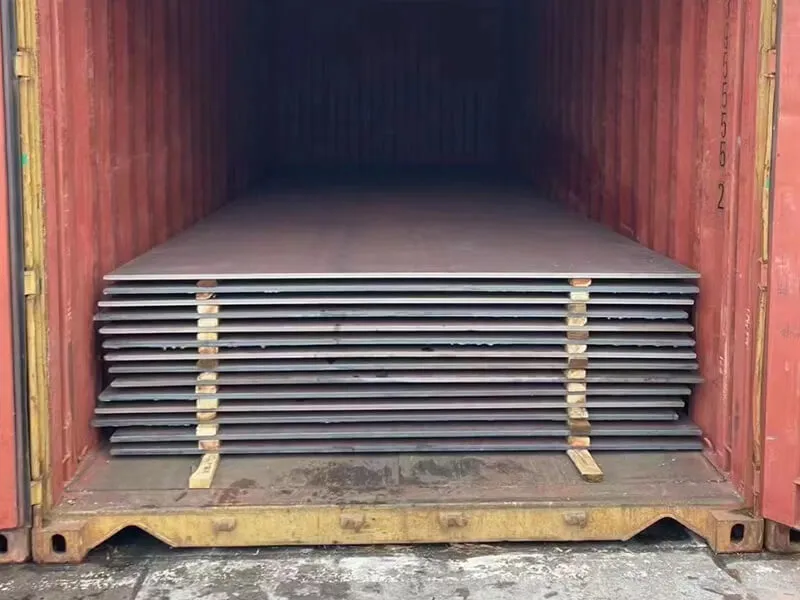
This capacity number translates directly into physical dimensions. Those dimensions dictate the amount of steel required. Let’s translate TEU into the language of steel procurement3.
From TEU to Tonnes of Steel: Understanding the Scale
A 5,000 TEU2 container ship is a giant floating steel structure. Its size is defined by the need to hold a specific number of boxes efficiently.
1. Key Dimensions of a 5,000 TEU2 Ship
- Length: Typically about 280-300 meters (around 920-985 feet). That’s roughly the length of three football fields.
- Width (Beam): About 40 meters (131 feet) to fit containers across.
- Depth: The hull depth might be around 24 meters (79 feet).
- Draft: The depth of the ship in the water is about 14 meters (46 feet).
2. The Steel Weight Implications
Such a large hull requires a massive amount of steel. The lightweight of a 5,000 TEU2 container ship is typically in the range of 25,000 to 30,000 tons. Remember, about 65-70% of this is steel.
- Estimated Steel Tonnage: This means the ship contains roughly 16,000 to 21,000 tons of steel.
- Comparison: The steel in one 5,000 TEU2 ship is equivalent to the weight of about 100 Boeing 777 airplanes or over 2,000 large trucks.
3. Steel Characteristics for a 5,000 TEU2 Ship
The steel is not just any steel. It must be high-strength to keep the structure light and allow more cargo weight.
- Predominant Grade: Most of the hull will use high-strength steel grades4 like AH36, DH36, and EH36. Critical areas, like the hatch coamings and upper deck in way of container loads, will use even higher grades like AH40 or EH40.
- Sections: Large amounts of bulb flat steel5 are used for stiffeners in the hull and decks. L-shaped angle steel is used for brackets and smaller structural elements.
- Design Focus: The structure is optimized for global bending stresses (as the ship rides waves) and local point loads from container stacks. This requires precise engineering and high-quality, consistent steel.
For a steel supplier, a 5,000 TEU2 newbuilding project is a major undertaking. It requires the ability to supply thousands of tons of certified steel6 across multiple grades and dimensions, with a production and delivery schedule that syncs with the shipyard’s building blocks. This is where long-term cooperation with certified mills is critical—to ensure a stable, predictable flow of material for a project that may last 12-18 months.
How much is the 10000 TEU ship?
Stepping up to 10,000 TEU feels like it should just double the cost of a 5,000 TEU ship. But in shipbuilding, scale has a nonlinear relationship with cost. The complexity and material requirements increase in surprising ways.
A newbuild 10,000 TEU ultra-large container ship (ULCS) can cost between $90 million and $130 million USD. The wide range depends on yard, design era, technology (like scrubbers), and market timing. Steel remains a major cost block, but its proportion of the total cost can be different than in smaller ships.
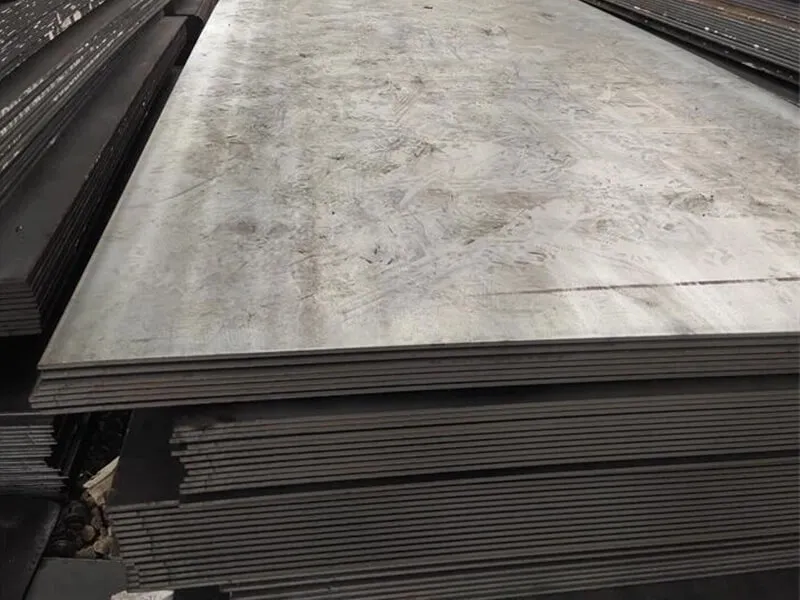
The jump from 5,000 to 10,000 TEU is not simply about building a longer ship. It involves a fundamental change in design and structural philosophy, which changes the cost dynamics.
The Economics and Engineering of a 10,000 TEU Giant
Building a ship this big is about managing extreme forces and maximizing efficiency. The cost structure reflects these engineering challenges.
1. Steel Quantity and Quality: A Step Change
- Lightweight: A 10,000 TEU ship has a lightweight of about 45,000 to 55,000 tons.
- Steel Tonnage: This translates to roughly 30,000 to 38,000 tons of steel. So, while capacity doubles from 5,000 TEU, the steel weight does not quite double. This is due to better design and more extensive use of high-strength steels.
- Grade Intensity: These ships use an even higher percentage of very high-strength steels (VHSS) like AH40/EH40 and even AH47/EH47 in the most critical areas (sheer strake, upper deck, hatch corners). The goal is to reduce plate thickness to save weight, but this requires steels with exceptional toughness and welding properties. The cost per ton for these premium grades is significantly higher than for standard AH36.
2. The Dominance of Systems and Machinery
The machinery plant for a 10,000 TEU ship is enormous. The main engine alone can output over 60,000 kW (over 80,000 horsepower). The cost of this engine, along with the massive propeller, shafting, and reduction gears, is colossal. The container handling system—whether it’s a sophisticated hatch cover system or the infrastructure for shore-based cranes—also adds tremendous cost. While the absolute cost of steel is huge, its share of the total newbuild price might be slightly lower than in a smaller ship because these other systems are so expensive.
3. Shipyard Capability Premium
Only a limited number of shipyards in the world can build ships of this size. This concentration of capability can command a price premium. The logistics within the yard—moving mega-blocks weighing thousands of tons—require giant cranes and facilities, the cost of which is built into the price.
Here’s a comparative look at how costs scale:
| Cost Factor | 500 TEU Feeder | 5,000 TEU Panamax | 10,000 TEU ULCS | Impact on Steel Procurement |
|---|---|---|---|---|
| Approx. Steel Weight | 1,800-2,800 T | 16,000-21,000 T | 30,000-38,000 T | Project scale demands mill allocation and flawless logistics. |
| Key Steel Grades | AH32/AH36, some DH | AH36/DH36/EH36, some AH40 | Extensive AH40/EH40, AH47/EH47 VHSS | Higher-grade mix increases average cost/ton and requires more technical support. |
| Main Engine Power | ~5,000 kW | ~40,000 kW | ~60,000+ kW | Steel cost is overshadowed by machinery cost at this scale. |
| Build Complexity | Moderate | High | Very High | Steel must be delivered in precise sequences for block construction. Any delay stalls the entire line. |
For a marine steel supplier, participating in a 10,000 TEU project is the highest level of endorsement. It requires demonstrating not just competitive pricing, but absolute reliability, full certification traceability, and the ability to handle complex logistics over a long period. It’s a partnership with the shipyard. This is why our clients who supply major yards value our consistent quality and SGS inspection support—it de-risks their part of the massive project chain.
How much does a 5000 TEU container ship cost?
Circling back to the 5,000 TEU size, we can now give a more focused cost answer. This size is a sweet spot for many global trades, and its cost is a frequent query for investors and procurement teams.
A newbuild 5,000 TEU container ship in the current market typically costs between $60 million and $85 million USD. The price is sensitive to the shipyard’s location, the inclusion of eco-design features (like hull optimization for fuel efficiency), and the specific choice of equipment and steel grades.
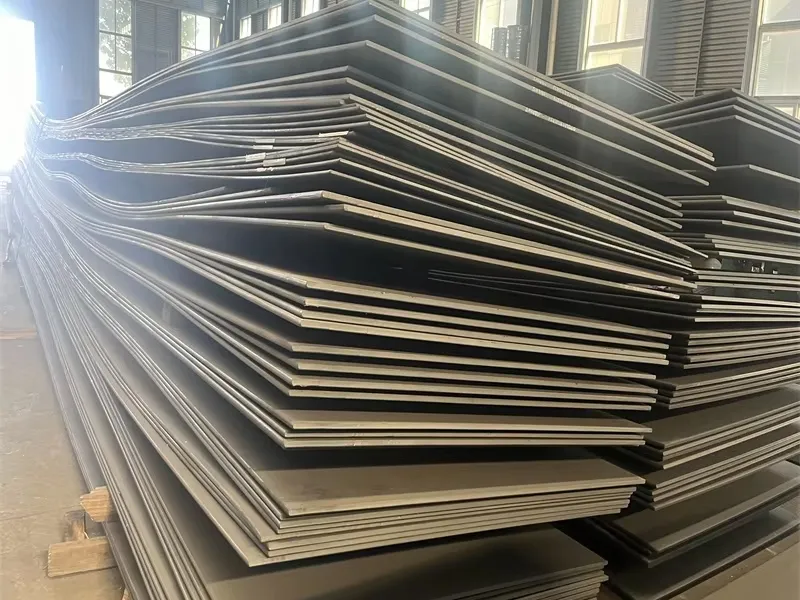
Now that we understand the scale and components, let’s break down this $60-85 million figure with a sharper focus on what a project manager or procurement officer needs to know.
A Detailed Procurement-Focused Cost Analysis
When you budget $70 million for a new 5,000 TEU ship, you are allocating funds across hundreds of line items. From a steel procurement perspective, several factors directly influence the final ship cost.
1. The Steel Package Cost
Using our earlier estimate of 16,000-21,000 tons of steel, let’s apply a more detailed cost model.
- Grade Mix Costing: Not all steel costs the same per ton.
- Standard AH36 Plate: Base price (e.g., $X/ton).
- DH36/EH36 Plate: Adds a premium for toughness (e.g., +$Y/ton).
- AH40/EH40 Plate: Further premium for higher strength (e.g., +$Z/ton).
- Sample Calculation: If the average blended cost per ton of steel (plates, sections, bulb flats) is $900, then the total material cost for steel is $14.4 million to $18.9 million. This is a significant, but manageable, portion of the total budget.
2. Factors That Cause Cost Variation ($60M vs. $85M)
- Shipyard Location: A yard in Japan or Korea may charge 15-25% more than a top-tier yard in China for comparable quality, due to higher labor and overhead costs.
- Design & Efficiency Features: A standard design is cheaper. A new design with optimized hydrodynamics, an air lubrication system, or ready-made scrubber/IoT infrastructure adds millions.
- Machinery Brand: Choosing a premium brand main engine (MAN B&W vs. a less known maker) or high-efficiency generators increases cost.
- Owner’s Specifications: Higher standards for cabin finishes, navigation equipment, or redundancy in systems all add up.
3. The Procurement Strategy’s Impact on Cost
How you buy the steel influences the final ship price.
- Shipyard-Supplied Steel: Most newbuilds are "full package" deals. The shipyard procures the steel. Their buying power and mill relationships determine this cost component. A yard with strong ties to reliable mills gets better prices and terms.
- Owner-Supplied Steel: Rare, but sometimes an owner with a strong procurement channel may supply steel. This transfers price risk and quality control responsibility to the owner.
- The Importance of a Reliable Supplier: For the shipyard, a steel supplier that delivers on time with zero defects is worth a small premium. Delays in steel delivery are among the most expensive delays in shipbuilding because they idle thousands of workers. The feedback from Gulf Metal Solutions about "rapid response speed throughout the entire delivery process" is exactly what shipyards need from their material suppliers to stay on schedule and budget.
The Big Picture: The $70 million ship is not just a hull. It is a balanced investment where the steel structure (costing perhaps $16-19 million in material) provides the foundation for about $50+ million of high-value machinery and systems. Cutting corners on the steel foundation to save 5% might risk the entire $70 million asset. Therefore, the focus in procurement shifts from the cheapest price to the best value: certified quality, reliable delivery, and technical support that ensures the steel performs as engineered.
Conclusion
The cost of marine steel for any vessel, from a 500 TEU feeder to a 10,000 TEU giant, is a significant but manageable part of the total budget, determined by ship type, size, steel grades, and procurement strategy.
-
Understanding TEU is crucial for grasping container shipping capacity and logistics. ↩ ↩ ↩
-
Explore the dimensions and specifications of a 5,000 TEU ship to appreciate its scale. ↩ ↩ ↩ ↩ ↩ ↩ ↩ ↩
-
Gain insights into the complexities of sourcing steel for large maritime projects. ↩ ↩
-
Learn about the types of steel that ensure the durability and efficiency of large vessels. ↩ ↩
-
Discover how bulb flat steel contributes to the structural integrity of ships. ↩ ↩
-
Understand the significance of certified steel in ensuring quality and safety in shipbuilding. ↩ ↩