
As a marine steel supplier, I see shipyards and importers facing a crucial decision: secure stable-priced, high-quality steel now or risk project delays and budget overruns later. The volatile market makes choosing the right partner more critical than ever.
Overall, steel prices are expected to rise moderately from 2025–2030, driven by green energy demand and production costs, but marine-grade steel like certified angle steel will see stronger, more stable growth due to specific shipbuilding needs. Unlike general construction steel, marine steel for ship hulls and offshore platforms must meet strict international standards, creating a separate, more resilient market.
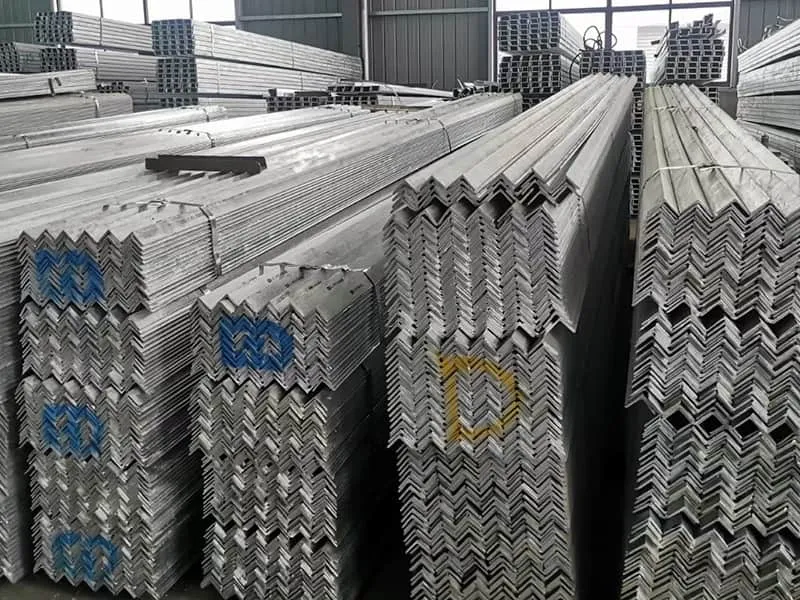
If you are involved in shipbuilding, oil tanker construction, or offshore projects, understanding this market split is vital for your procurement strategy. The coming years will separate suppliers who merely trade metal from those, like us, who provide certified, project-ready marine solutions. Let’s analyze the key questions shaping your next purchase.
Is the price of steel expected to go up or down?
Many buyers hope for a simple answer, but forecasting steel prices requires looking at two different markets. The truth is, the price path for common construction steel and certified marine angle steel1 will diverge significantly in the coming years.
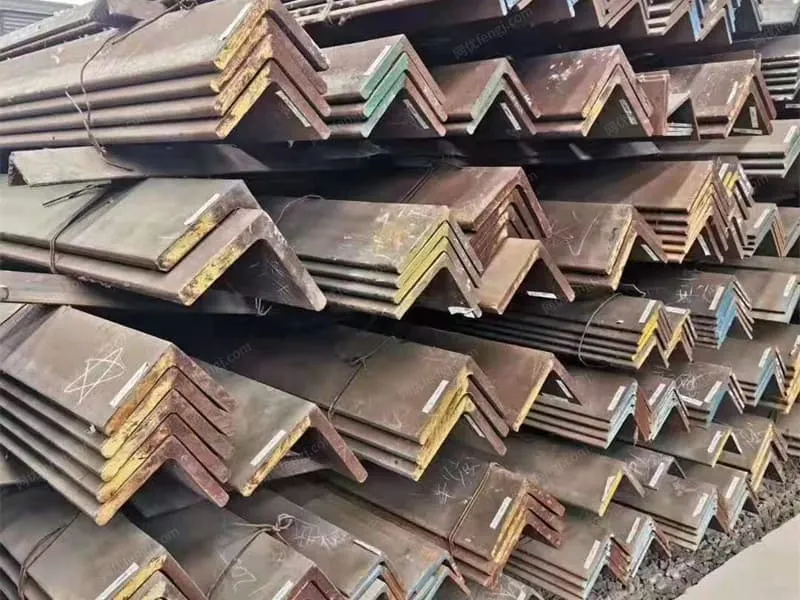
For general steel, prices may fluctuate with economic cycles, but for certified marine angle steel1, the long-term trend from 2025–2030 points upward, driven by stable demand from shipbuilding and higher production costs for specialized grades. The key differentiator is certification. Steel used for ship frames and hull structures must be approved by classification societies2 like ABS, LR, or DNV, which adds cost and limits supply to qualified mills.
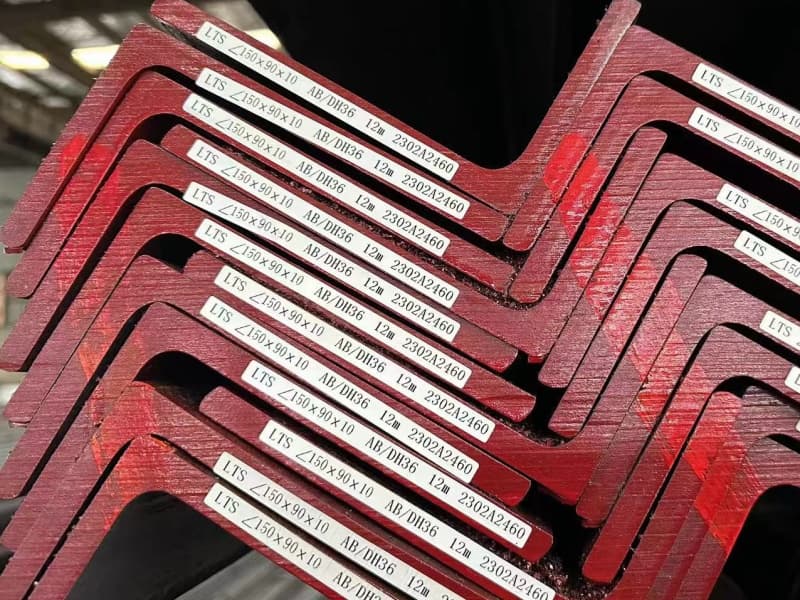
Why Marine Steel Stands Apart
To understand the price outlook, we must break down the market. Not all steel is equal. We can categorize it into two main types with different price drivers:
| Factor | General Carbon Steel (e.g., for construction) | Certified Marine Angle Steel (e.g., for shipbuilding) |
|---|---|---|
| Primary Demand Driver | Broad economic growth, real estate, and infrastructure investment. | Global shipbuilding orderbook, offshore energy projects, and fleet renewal regulations. |
| Supply Constraints | Linked to global iron ore, coking coal, and general mill capacity. | Limited to mills with specific classification society approvals and production lines for profiles. |
| Cost Pressure | Energy costs and carbon taxes affect all production. | Additional costs for rigorous testing, certification audits, and alloying elements for corrosion resistance. |
| Price Sensitivity | Highly sensitive to macroeconomic sentiment and Chinese industrial policy. | More insulated, tied to long-term project contracts and the specialized value of guaranteed performance. |
From our daily work with clients in Saudi Arabia and Vietnam, I see this firsthand. A project contractor building a bulk carrier cannot substitute a generic angle bar for one certified to ASTM A1313 or EN standards. This creates a captive market. Furthermore, global shipping’s push towards efficiency and new environmental rules is driving demand for newer, stronger vessels. This directly increases orders for marine-grade materials. While a short-term economic slowdown might temporarily soften prices for general steel, the pipeline for shipbuilding is long-term. Orders placed today for vessels deliver years from now, providing steady demand visibility. For marine steel, the question is less about volatile “up or down” and more about securing reliable, certified supply before lead times extend and prices climb further. Our partnerships with certified mills in Shandong allow us to offer this stability, but global competition for this quality is intensifying.
Why are steel prices falling?
Sometimes headlines scream about falling steel prices, causing confusion for professional buyers. It is true that prices can drop, but these declines are usually specific to certain products, grades, or regions and often don’t apply to the specialized marine segment.
Temporary drops in general steel prices are typically caused by a short-term mismatch between supply and demand, such as weak seasonal construction activity or traders selling off inventory, not a fundamental change in the certified marine steel market. When you see a price decline, the first question to ask is: “Is this for commodity-grade HRC coil, or for DNV-certified A-grade shipbuilding angle steel?” They are different products.
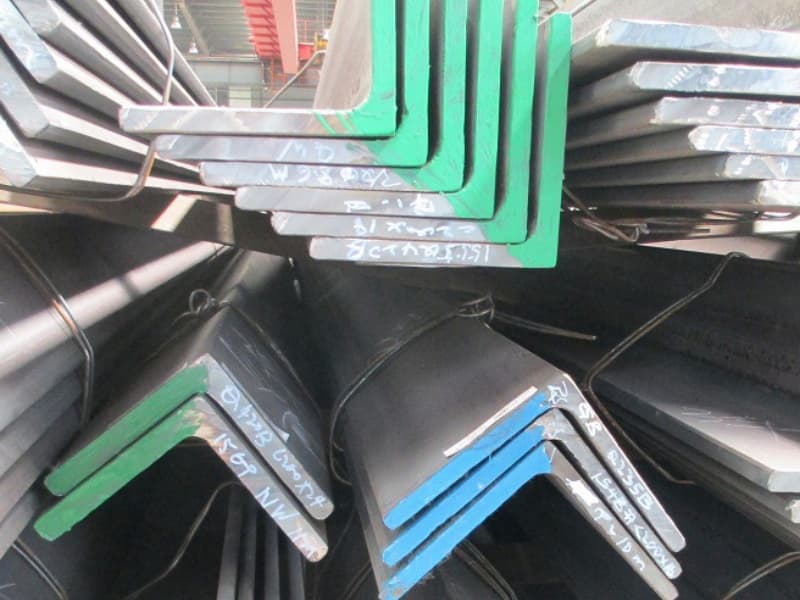
The Real Reasons Behind Temporary Drops
Let’s look at the common causes for price decreases and why they often bypass marine steel.
| Cause of Price Drop | Mechanism & Impact | Effect on Marine Steel |
|---|---|---|
| Overproduction of Commodity Steel | Large mills maintain output despite slowing demand, leading to oversupply of generic products. | Minimal impact. Marine steel production is tailored to specific standards and orders, not continuous high-volume runs. |
| Reduced Demand from Construction | A slowdown in real estate or infrastructure projects cuts demand for rebar and structural steel. | Limited impact. Shipbuilding and offshore energy are separate demand drivers with independent cycles. |
| Lower Raw Material (Iron Ore) Costs | The price of iron ore falls, reducing the base cost for all steel production. | Partial, delayed impact. While a factor, the premium for specialized processing and certification remains strong. |
| Currency Fluctuations | A stronger US dollar can make dollar-priced steel seem cheaper in local currencies, encouraging selling. | Minor impact. Project-based marine steel procurement is often hedged or contracted in stable terms. |
| Destocking by Traders | Middlemen sell inventory quickly due to high financing costs or pessimistic short-term forecasts. | Very little impact. Marine steel is usually shipped direct from mill or our stock to project, avoiding trader speculation. |
One of our clients, a fabricator in the Philippines, recently asked this. They saw online prices for “steel” falling and wondered if they should delay their order for marine plates. We explained that the falling prices were for general hot-rolled coil in China’s domestic market. Meanwhile, the lead time and price for the ABS-certified plates1 they needed for a port barge project remained firm and were even increasing slightly due to busy shipyard schedules. This distinction saved them from a costly project delay. For marine buyers, a broad price decline is often a signal to investigate, not a guarantee of savings. It might free up mill capacity, but the stringent requirements for toughness, weldability, and corrosion resistance in marine grades keep their production complex and costs inherently higher.
Will the steel sector go up?
Asking if the entire “steel sector” will rise is like asking if “transportation” will grow. The answer depends entirely on the segment. The future is not uniform; high-value, application-specific steel like marine-grade products is poised for a stronger upcycle than the broader sector.
The general steel sector faces cyclical challenges, but the marine steel niche1—particularly materials for shipbuilding and offshore energy—is on a clear growth trajectory due to global fleet renewal and energy transition investments. This growth is qualitative, not just quantitative; it demands higher specifications, which favors certified suppliers2.
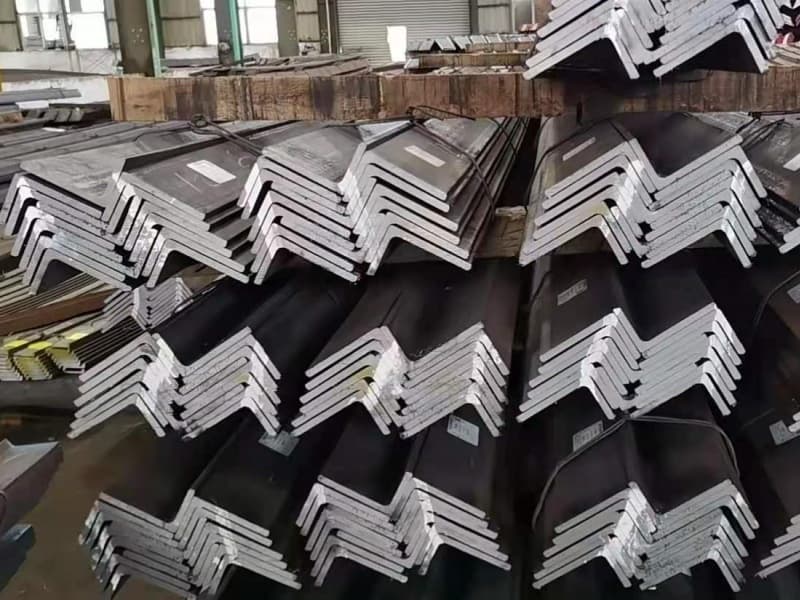
A Tale of Two Sectors: General vs. Marine
To predict performance, we must separate the sector into its components. The growth drivers for marine steel are more specific and powerful.
| Growth Driver | Impact on General Steel Sector | Impact on Marine Steel Sector |
|---|---|---|
| Green Energy Transition3 | Moderate. Needs steel for wind turbine towers and frames. | High. Directly drives demand for offshore wind platforms, substations, and installation vessels, all requiring marine-grade plates and profiles. |
| Global Shipbuilding Orders4 | Low. Shipbuilding is a small part of total steel consumption. | Very High. The core market. New orders for container ships, LNG carriers, and bulk carriers directly translate to demand for certified plates, angles, and bulb flats. |
| Infrastructure Spending | High. Major driver for rebar, beams, and structural sections. | Low to Moderate. Only for port, dock, and coastal infrastructure projects. |
| Technology & Lightweighting | Moderate. Advances in high-strength steel for autos. | High. Ship design demands higher-strength steels to reduce weight and increase cargo capacity, upgrading the product mix. |
| Environmental Regulations (e.g., EEDI) | Low. | Very High. Regulations like the Energy Efficiency Design Index5 force the use of advanced, higher-strength, and more durable steels to improve vessel efficiency. |
My perspective comes from the front lines. We are not just order-takers; we are solution providers. A buyer from Qatar recently needed L-shaped section steel6 for a complex vessel upgrade. The design required not just strength but specific fatigue resistance. This is where the sector is growing: in value, not just volume. Mills investing in the technology to produce these advanced, certified grades will thrive. Suppliers who understand the classification rules and can ensure traceability—from the mill test certificate to delivery at Dammam port—will be the partners project contractors trust. Therefore, while the broader steel sector may experience modest growth, the marine segment, especially for certified products, is building a stronger, more specialized, and more resilient upward path.
How to forecast steel prices?
Relying on gut feeling or news headlines for price forecasting is a sure way to harm your project budget. Successful forecasting, especially for marine steel1, is a disciplined process that separates market noise from genuine, actionable trends.
Effective steel price forecasting combines tracking broad raw material costs2, analyzing specific end-use demand cycles (like shipbuilding orders), and monitoring geopolitical trade policies, with a special emphasis on the supply chain for certified materials3. For marine steel1, the single most important indicator is the global shipyard order book4.
A Practical Framework for Marine Buyers
You do not need to be an economist. You need a practical checklist. Here is a structured method we use and recommend to our clients.
| Forecasting Factor | What to Monitor | Why It Matters for Marine Steel | Where to Find Data |
|---|---|---|---|
| 1. Demand Side: End-Use Markets | New shipbuilding contracts (in CGT), offshore wind FID dates, port infrastructure budgets. | Direct demand driver. A rise in LNG carrier orders instantly increases demand for specific low-temperature steel plates. | Clarksons Research, trade journals like Ship Technology, project tender boards. |
| 2. Supply Side: Mill Dynamics | Capacity utilization rates at certified mills, maintenance shutdown schedules, new mill certifications from classification societies. | Supply is limited. A fire or audit at a major certified mill can disrupt global supply and extend lead times by months. | Industry contacts, mill newsletters, announcements from class societies (ABS, LR). |
| 3. Raw Material Costs | Iron ore and coking coal futures (Singapore Exchange), ferrous scrap prices. | Forms the cost floor. A sustained rise in iron ore will eventually push all steel prices up, including marine. | Trading economics websites, Bloomberg/Reuters commodity sections. |
| 4. Policy & Trade Environment | Carbon border taxes (EU CBAM), import/export tariffs (e.g., US Section 232), green subsidy programs. | Can alter competitiveness. CBAM may add cost to imports, affecting your total landed cost for European projects. | Government trade department websites, industry legal briefs. |
| 5. Currency & Freight | USD/CNY exchange rate, bulk shipping freight rates from China to key ports (e.g., JNPT, Rotterdam). | Affects landed cost. A weaker Chinese Yuan can make Chinese steel more competitive globally. | XE.com, freightos.com, Baltic Exchange indices. |
Let me share how we applied this for a client in Mexico. They were planning a series of coastal workboats. Instead of just giving a static quote, we shared our analysis: 1) Demand: Shipyard capacity in Asia was filling up for 2025. 2) Supply: A key mill producing bulb flat steel had announced a scheduled blast furnace maintenance. 3) Freight: Container rates were volatile. Our forecast was not just a price, but a procurement recommendation: “Place your framework order for the marine angle steel5 and bulb flats now to lock in mill capacity and price, with staggered shipments later.” This proactive, informed approach saved them 11% compared to spot buying later. Forecasting is not about predicting the exact number. It is about understanding risk and giving you the confidence to make a strategic “buy” or “wait” decision for your project.
Conclusion
The marine steel market is set for stable, demand-driven growth. Success will depend on securing reliable, certified supply from partners who understand both the material and the market.
-
Explore this link to understand the latest trends and factors influencing marine steel prices. ↩ ↩ ↩ ↩ ↩ ↩
-
Learn about the raw material costs that form the foundation of steel pricing and their impact on the market. ↩ ↩ ↩
-
Discover how the supply chain dynamics for certified materials can influence steel prices. ↩ ↩ ↩
-
This resource will explain the significance of the global shipyard order book in steel price forecasting. ↩ ↩
-
Find out more about marine angle steel and its pricing trends to make informed procurement decisions. ↩ ↩
-
Discover the applications of L-shaped section steel in shipbuilding and its importance in complex vessel upgrades. ↩