
Strict new IMO rules are here. Your steel plate orders are about to change. This is not a future problem; it is a current supply chain reality.
The International Maritime Organization’s new regulations, focusing on carbon intensity (CII) and energy efficiency (EEXI), are directly increasing demand for specific types of marine steel plates. Shipowners and yards now require lighter, stronger, and more durable steel to build and retrofit vessels that comply with these mandatory environmental standards.
For years, the marine steel market moved at a steady pace. Orders were predictable. But now, my phone calls with clients from Qatar to the Philippines have a new urgency. The conversation has shifted from simple price and delivery to technical specifications driven by compliance. The IMO’s regulatory push is not just changing how ships operate; it is fundamentally altering what we build them with from the keel up. Understanding this shift is critical for anyone sourcing steel for the maritime industry.
What is steel plate1 used for?
Think of a ship’s skeleton. That framework, its skin, its very strength against the ocean, comes from steel plate1. It is the primary material that forms the hull, deck, and critical structural parts of virtually every large vessel.
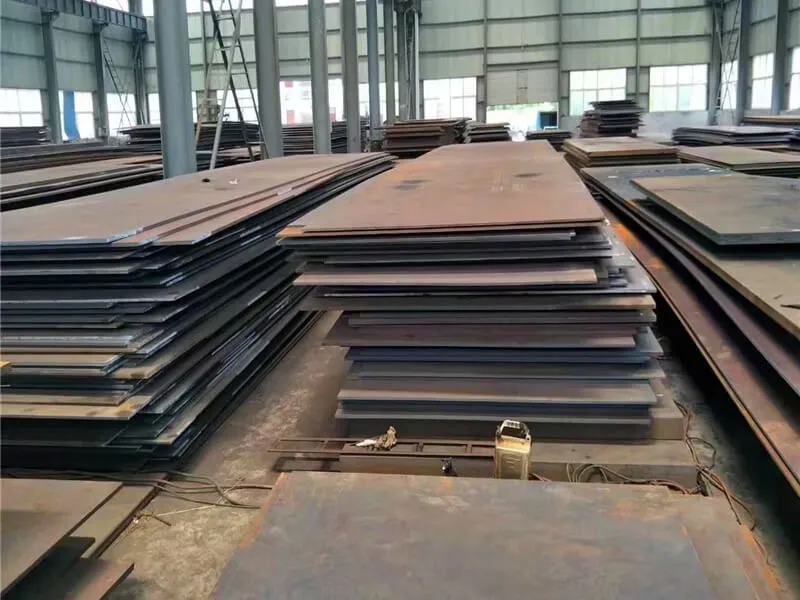
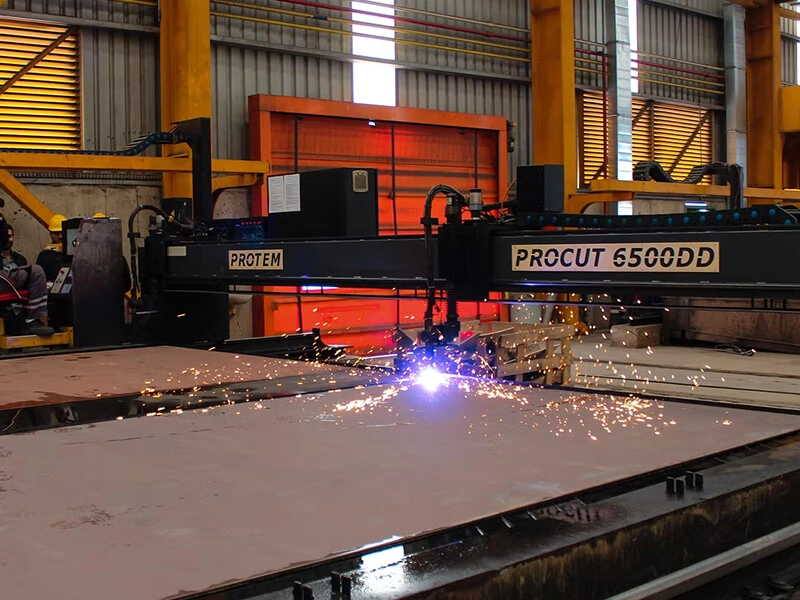
Steel plate is used to construct the main structural components of a ship. This includes the hull shell, inner bottom, decks, bulkheads, and superstructure2. Its strength, weldability3, and ability to withstand harsh marine environments make it the essential building block for shipbuilding and repair.
From Hull to Hold: The Comprehensive Role of Steel Plate in Modern Vessels
The use of steel plate1 on a ship is extensive and specialized. It is not one single application. Different parts of the ship face different stresses and environments, requiring plates with specific properties. The new IMO regulations are now adding another layer to this specification process: operational efficiency.
The Hull: The First Line of Defense.
The hull plating4 is the ship’s outer skin. It must resist constant seawater corrosion, withstand slamming waves, and handle global bending stresses as the ship moves. For this, shipbuilders use high-strength, low-alloy (HSLA) grades5 like AH36 or DH36. The IMO’s Energy Efficiency Existing Ship Index (EEXI)6 is directly impacting hull plate selection. To meet EEXI targets, many existing ships need technical modifications. One solution is to install energy-saving devices7 like rudder bulbs or wake-equalizing ducts. These devices are often fabricated from steel plate1s that must be welded onto the existing hull, requiring excellent weldability3 and matching mechanical properties. For newbuilds, the focus is on designing optimal hull forms. This sometimes requires more complex, curved plates which demand steel with good formability.
Internal Structures: Decks, Bulkheads, and Tanks.
Inside the ship, steel plate1s create the floors (decks), walls (bulkheads), and containers (tanks).
- Decks: Deck plates must carry heavy cargo loads and resist wear. They often use grades with good toughness.
- Bulkheads: Watertight bulkheads are critical for safety, dividing the ship into compartments. The steel here must be easy to weld into airtight seams.
- Tanks: Ballast water tanks and cargo holds (for oil, chemicals) need plates with high corrosion resistance8. The IMO’s Ballast Water Management Convention pushes for better tank coatings and materials that resist corrosion from various water types and cleaning systems.
The IMO Efficiency Driver: Weight and Strength.
A core principle of the IMO’s Carbon Intensity Indicator (CII) is that a more efficient ship burns less fuel. One direct way to improve efficiency is to reduce the ship’s lightship weight (the weight of the empty ship). This is where advanced steel plate1s come in.
Using thinner plates of higher-strength steel (e.g., moving from AH36 to AH40) can reduce weight without sacrificing strength. This weight saving translates directly into lower fuel consumption for the same amount of cargo. This creates a new demand curve. Yards and owners are now more willing to invest in premium high-strength grades because the long-term fuel savings and CII compliance justify the higher initial material cost.
The table below summarizes how IMO regulations influence the use of steel plate1 in different ship areas:
| Ship Area | Primary Steel Plate Function | Traditional Grade Consideration | IMO Regulation Influence & New Demand |
|---|---|---|---|
| Outer Hull Shell | Watertight integrity, strength, corrosion resistance8. | AH/DH/EH grades based on zone and temperature. | EEXI Compliance: Drives use of higher-strength grades (AH40+) for newbuilds to reduce weight. Increases demand for plates for retrofitting energy-saving devices7. |
| Main Deck | Carry cargo loads, withstand weather. | Grades with good toughness (E-grade for critical areas). | CII Rating9: Lighter decks from higher-strength steel improve efficiency. Demand for plates with excellent surface quality for optimal coating adhesion to reduce drag. |
| Watertight Bulkheads | Compartmentalization, safety, structural support. | Standard strength grades with focus on weldability3. | Safety & Stability: Unchanged core demand, but traceability requirements for all materials are stricter under enhanced IMO audit systems. |
| Ballast Tanks / Holds | Contain liquids/dry bulk, resist corrosion/abrasion. | Grades with higher corrosion resistance8 (CR), sometimes coated. | Ballast Water Convention: Increases need for corrosion-resistant grades and plates compatible with advanced, long-life coating systems to ensure system longevity. |
| Superstructure | Living quarters, bridge; adds top-side weight. | Generally standard grades, weight is a consideration. | CII / EEXI: Strong push to use lighter materials or thinner high-strength steel here to lower the ship’s center of gravity and reduce weight. |
In essence, a steel plate1 is no longer just a piece of metal to be cut and welded. It is a compliance-critical component. Each plate’s grade, weight, and performance directly contribute to the vessel’s ability to meet IMO mandates. This is why our clients now require more detailed documentation and technical support with their orders.
What is plat steel?
You might hear the term "plat steel" in shipyards or see it in old documents. It is simply a common misspelling or shorthand used in some regions and contexts for "plate steel1."
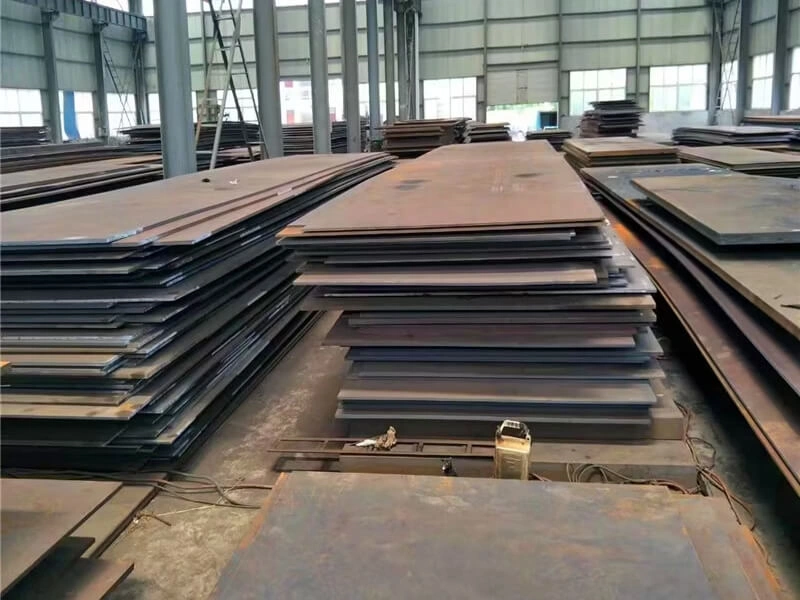
"Plat steel" is a non-standard variation of the term "plate steel1." It refers to the same product: flat-rolled steel produced in specific thicknesses, typically 6mm or more, and cut into rectangular sheets or shapes for structural use in industries like shipbuilding.
Clarifying the Terminology: Why Precision Matters in the IMO Era
The use of informal terms like "plat steel" highlights an important point in today’s regulated market: precision is critical. In the past, a general request might have been understood. Today, a misspelling or vague term can lead to delays, wrong material deliveries, and serious compliance issues.
The Standard Terminology: Plate Steel.
The correct and universal term in engineering and procurement is "steel plate" or "plate steel1." It is defined by its manufacturing process and dimensions.
- Production: Plates are usually produced by hot-rolling a slab of steel. They are distinguished from "sheet" steel by their thickness. The threshold varies, but a common rule is that material 6mm (1/4 inch) and thicker is called plate, while thinner material is called sheet.
- Key Characteristic: Plates are generally used where structural strength2 is the primary requirement, not formability. A ship’s hull plate might be 20-40mm thick, while a bulkhead might use 10-15mm plate.
The Risk of Informal Terms.
When a client uses a term like "plat steel," several risks emerge, especially under IMO rules:
- Specification Ambiguity: Does "plat steel" mean ordinary structural plate, or does it imply a specific marine grade like AH36? The buyer might assume one, and the supplier might provide another.
- Certification Problems: IMO compliance3 requires mill certificates4, classification society approvals (ABS, LR, DNV, etc.), and traceability documents. These official documents always use the precise terms: "Steel Plate, Grade AH36." If your purchase order says "Plat Steel," it may not match the certification, causing headaches during class surveys or port state control inspections.
- Quality Mismatch: Informal terms bypass the crucial grade specification. A ship’s bottom plate requires higher toughness than an interior non-critical partition. Calling both "plat steel" could lead to a catastrophic mismatch of material properties.
My Advice from the Front Lines.
In my daily work with clients like Gulf Metal Solutions, clear communication is the first step to a successful project. When they first contacted us, their requests were precise. They specified "ABS Grade AH36 Steel Plate for hull construction." This clarity allowed us to immediately provide the correct mill options, certificates, and a valid quote. It built trust.
I strongly advise all buyers to use the full, precise terminology:
- Do not say: "We need plat steel."
- Do say: "We require 500 MT of DNV-approved5 DH36 steel plate, 20mm thickness, for hull shell plating."
This precision ensures you get the exact material that meets both your engineering needs and the stringent documentation requirements of modern IMO regulations. It turns a potential procurement risk into a smooth, compliant process. As a supplier, we are here to help clarify these terms, but starting with accuracy saves everyone valuable time and prevents costly errors.
What is a steel plate1 in English?
In the global marine industry, we all must use the same technical language. "Steel plate" is the correct and standard English term that every shipowner, shipyard, classifier, and supplier understands for this fundamental material.
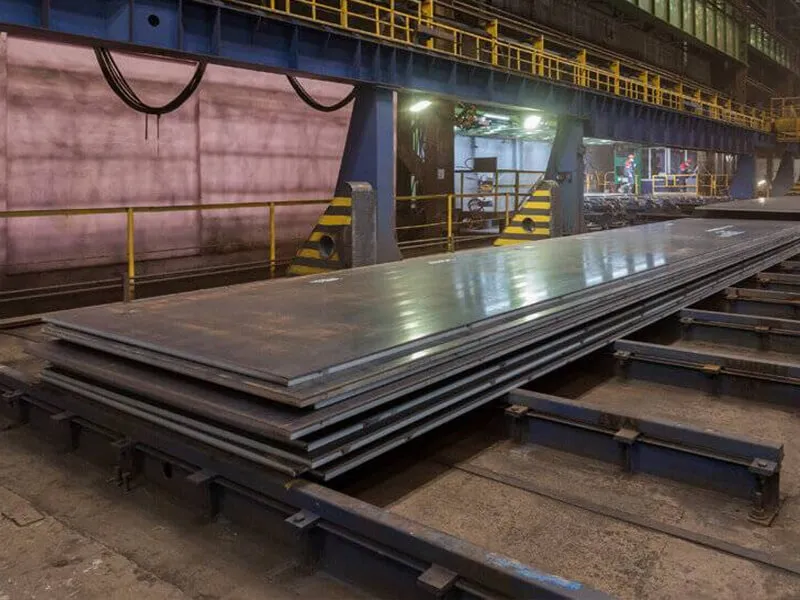
In English, a "steel plate1" is a flat-rolled steel product of substantial thickness (typically over 6mm), supplied in rectangular shapes. It is the primary material used to fabricate the structural components2 of ships, offshore platforms, and other heavy marine structures.
The Linguistic Foundation of Global Trade and Compliance
Using the correct English term "steel plate1" is not just about language proficiency; it is a fundamental requirement for operating in the international maritime market. This market is governed by English-language contracts, class rules, and IMO regulations3. Miscommunication here can have direct financial and legal consequences.
Why "Steel Plate" is Non-Negotiable.
The International Maritime Organization (IMO) publishes all its conventions, codes, and guidelines in English. Key documents like the International Convention for the Safety of Life at Sea (SOLAS) and the International Convention for the Prevention of Pollution from Ships (MARPOL) refer to "ship construction materials" and "structural components2." While they may not say "steel plate1" on every page, the entire regulatory ecosystem is built upon precise technical specifications that flow down through classification society rules. These rules, published in English by bodies like Lloyd’s Register (LR), American Bureau of Shipping (ABS), and DNV, explicitly detail requirements for "steel plate1s." Your mill certificate4, the legal proof of your material’s compliance, will be in English and state "Steel Plate."
The Cost of Getting it Wrong.
Imagine you are a procurement manager5 in Thailand sourcing plates for a tanker newbuild. You send an inquiry to a mill in China. If your inquiry uses a local term or a mistranslation, several things can go wrong:
- The mill may not understand you. This delays the quotation process.
- The mill may assume a default product. They might quote for the most common structural plate, which may not be the marine-grade6, impact-tested plate you need. If you proceed, you will receive non-compliant material.
- Documentation will be inconsistent. Your Purchase Order (PO) with the wrong term will not match the Proforma Invoice (PI), Bill of Lading (BL), or Mill Certificate. This discrepancy can cause customs clearance delays at the port of discharge (e.g., Dammam, Saudi Arabia) and lead to the shipment being held. Resolving this requires time, money, and re-issuing documents.
A Real-World Example from Our Business.
We receive inquiries every day. The most efficient ones, like those from our client in Saudi Arabia, use clear, standard English: "Quote for 200MT ABS Grade A steel plate1, 12mm thick, for internal bulkheads." This allows our sales team to process the request immediately. We know exactly which mill partners can produce this, what certificates are needed, and how to package it for marine transport.
Conversely, vague requests like "metal plates for boat" require multiple clarifying emails, slowing everything down. In the current fast-moving market driven by IMO deadlines, this delay can be the difference between securing a spot in a busy shipyard schedule or missing it.
Bottom Line:
"Steel plate" is the key that unlocks clear communication, accurate quotations, correct manufacturing, and smooth logistics in the global marine supply chain. Mastering this basic term is the first, essential step to ensuring your project runs on time, on budget, and in full compliance with international regulations.
What are the different types of steel plates?
Not all steel plates are the same. Choosing the wrong type for a ship part is not an option. The ocean is a relentless inspector, and now, the IMO is an equally strict regulator.
The different types of steel plates are primarily categorized by their strength, toughness, chemical composition, and special properties. For marine use, the main types are Mild Steel Plates, High-Strength Low-Alloy (HSLA) Plates, Alloy Steel Plates, and Specialty Plates (like abrasion-resistant or corrosion-resistant grades).

Navigating the Spectrum: How IMO Rules Are Shifting Demand Across Plate Types
Understanding the different plate types is crucial. But more importantly, we must understand how the push for efficiency and compliance is changing the demand balance between them. It is no longer just about picking the strongest or cheapest option; it is about selecting the plate that offers the best performance over the ship’s lifecycle under new regulatory pressures.
1. Mild Steel Plates (General Strength Grades: A, B, D, E)
These are carbon-manganese steels. They are versatile, weldable, and cost-effective.
- Traditional Use: Secondary structures, non-critical bulkheads, fittings, and inland waterway vessels.
- IMO Impact: Demand for standard mild steel (Grade A) in ocean-going newbuilds is decreasing for primary structure. Its lower strength means thicker, heavier sections are needed to achieve the same strength as HSLA steel. This extra weight hurts the ship’s EEXI and CII ratings from day one. However, it remains in demand for non-weight-sensitive internal work and repair jobs on older vessels.
2. High-Strength Low-Alloy (HSLA) Plates (Grades: AH32/36/40, DH32/36/40, etc.)
This is the dominant category for modern shipbuilding. They provide higher yield strength (the "32", "36", "40" numbers) through micro-alloying.
- Traditional Use: The entire hull structure of container ships, bulk carriers, and tankers.
- IMO Impact: Demand is intensifying and shifting within this category. The need for weight reduction is making higher-strength variants (AH40, FH40) more popular for newbuilds. The toughness grades (D and E) are also seeing steady demand for vessels trading in cold waters, as Arctic routes become more viable. The key IMO-driven question here is about the production method of the HSLA plate—buyers are increasingly asking if it’s from an EAF (Electric Arc Furnace) route, which has a lower carbon footprint than the traditional BOF (Basic Oxygen Furnace) route.
3. Alloy Steel Plates
These plates have higher percentages of alloying elements (like chromium, nickel, molybdenum) for specific properties like high tensile strength or pressure containment.
- Traditional Use: Specialized applications like high-pressure piping, forgings, and certain engine parts on ships.
- IMO Impact: Demand is specialized but stable. The focus here is on reliability and longevity. A failure in an alloy steel component can cause a breakdown, leading to off-hire time and wasted fuel—directly harming CII operational performance. Quality and certification for these plates are paramount.
4. Specialty Plates
This includes Corrosion-Resistant (CR) grades and Abrasion-Resistant (AR) grades.
- Traditional Use: CR for ballast tanks, chemical tanker hulls; AR for ore holds, dredger parts.
- IMO Impact: Demand is growing significantly. This is a direct consequence of IMO regulations.
- CR Grades: The IMO’s Performance Standard for Protective Coatings (PSPC) for ballast tanks mandates 15-year coating life. Using CR plates as a base material helps achieve this, reducing maintenance and the environmental impact of repainting. This is a clear, regulation-driven demand increase.
- AR Grades: For bulk carriers, using AR plates in cargo holds reduces damage from loading/unloading, extends the time between repairs, and maintains hull efficiency. A smooth, undamaged hold is also easier to clean, supporting biosecurity and ballast water management compliance.
The following table illustrates how IMO regulations are reshaping the market for each plate type:
| Plate Type | Core Characteristics | Primary Marine Applications | Current Demand Trend under IMO Rules | Driver & Buyer Consideration |
|---|---|---|---|---|
| Mild Steel (A/B Grade) | Good weldability, lower cost, lower strength. | Non-critical structures, inland vessels, repairs. | Stable/Declining for deep-sea. | Cost for non-weight-sensitive areas. Less favored for primary newbuild structure. |
| HSLA (AH/DH/EH Series) | High strength-to-weight, good toughness, weldable. | Hull shell, decks, main structural members. | Strong & Shifting Upward. | EEXI/CII: Demand for higher strength levels (AH40+) grows for weight savings. Focus on low-carbon production (EAF). |
| Alloy Steel | Very high strength, specific mechanical properties. | Specialized components, high-stress parts. | Stable & Niche. | Reliability to avoid operational downtime (which wrecks CII). Certified quality is critical. |
| Specialty: Corrosion Resistant | Enhanced resistance to rust and chemical attack. | Ballast tanks, chemical tankers, splash zones. | Sharply Increasing. | IMO PSPC & Maintenance: Extends coating life, reduces dry-docking. Essential for compliance and lifecycle cost. |
| Specialty: Abrasion Resistant | Extreme surface hardness to resist wear. | Bulk carrier holds, dredger components, deck areas. | Increasing. | Operational Efficiency: Reduces maintenance, preserves hull lines, supports cargo hold cleanliness rules. |
My insight from the market is clear: the IMO is not just a rulebook. It is a powerful market force that is actively redirecting demand from basic, commodity-grade plates toward more advanced, high-performance, and durable steel plate types. Sourcing the right type is now a strategic decision directly tied to a vessel’s commercial viability and regulatory compliance.
Conclusion
New IMO regulations are reshaping marine steel demand, prioritizing lighter, stronger, and more durable plates that ensure compliance and long-term operational efficiency.
-
Understanding the definition of ‘steel plate’ is crucial for compliance and communication in the marine industry. ↩ ↩ ↩ ↩ ↩ ↩ ↩ ↩ ↩ ↩ ↩ ↩ ↩ ↩ ↩ ↩ ↩
-
Discover the essential structural components that ensure the integrity and safety of marine vessels. ↩ ↩ ↩ ↩
-
Learn about IMO regulations to understand the standards governing ship construction and safety. ↩ ↩ ↩ ↩ ↩
-
Find out why a mill certificate is vital for verifying the compliance of steel materials. ↩ ↩ ↩
-
Gain insights into the role of a procurement manager and their impact on project success in marine operations. ↩ ↩ ↩
-
Explore the significance of marine-grade steel to ensure safety and compliance in shipbuilding. ↩ ↩
-
Explore various energy-saving devices used in ships to enhance efficiency and reduce fuel consumption. ↩ ↩
-
Explore the critical role of corrosion resistance in ensuring the longevity and safety of ships. ↩ ↩ ↩
-
Learn how the CII Rating affects ship design and operational efficiency, promoting sustainability in maritime transport. ↩