
Seeing a bulb flat steel bar seems simple, but its journey from raw material to a ship’s backbone is complex. Many buyers focus only on price and grade, but understanding how it’s made reveals the true source of quality and value.
Marine bulb flat steel is manufactured through a specialized sequence: steelmaking, continuous casting, reheating, and then hot-rolling in a purpose-built section mill using shaped rolls. The final product undergoes controlled cooling, straightening, inspection, and certification to meet strict classification society standards for shipbuilding.
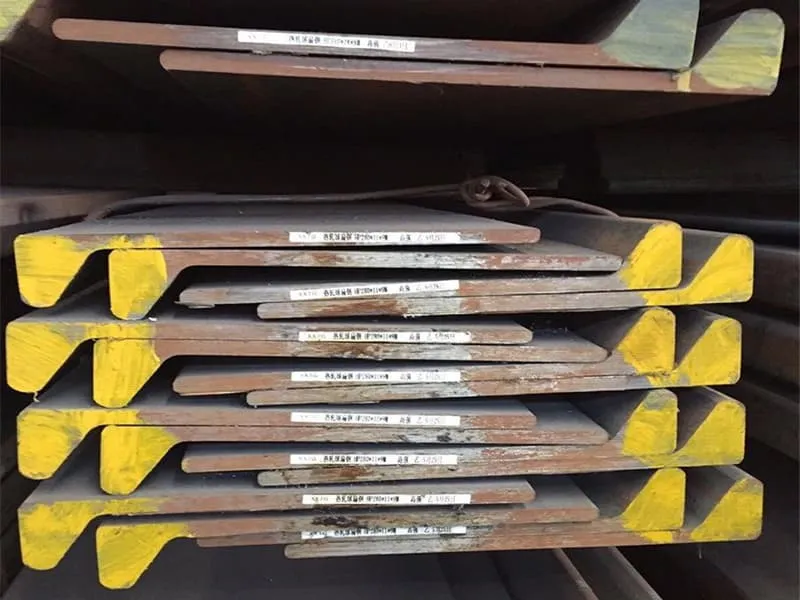
The unique profile of a bulb flat is not carved or welded; it is rolled into shape. Knowing the steps involved helps you appreciate why certified material costs more and performs better. This insight also helps you ask the right questions when evaluating suppliers.
How is flat-rolled steel1 made?
Flat-rolled steel is the foundation of shipbuilding, from plates to the webs of bulb flats. The process seems industrial and distant, but its precision directly impacts the safety of a vessel. Variations in this process separate ordinary steel from marine-grade material2.
Flat-rolled steel is made by heating semi-finished steel slabs to high temperatures (over 1100°C) and passing them through a series of rolling mills. These mills apply pressure to reduce thickness and shape the steel. For plates, it is flattened. For profiles like bulb flats, specially grooved rolls form the shape.
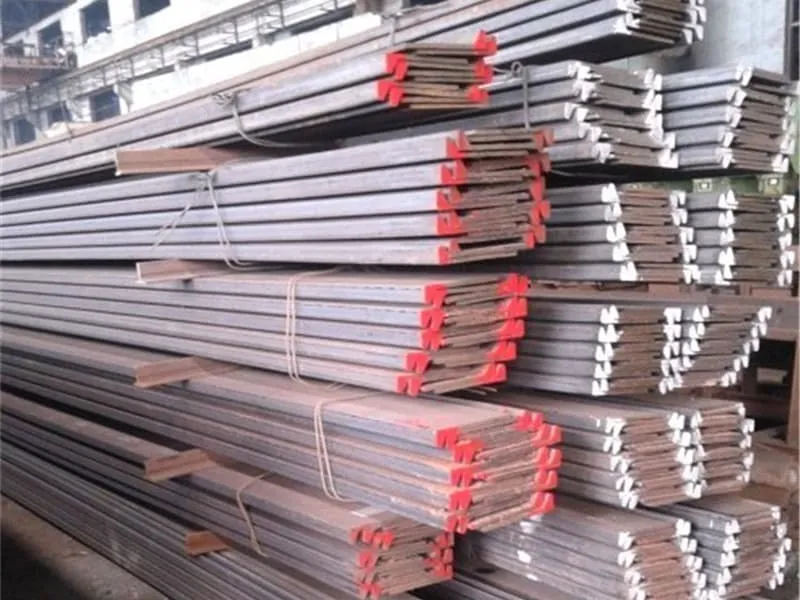
From Liquid to Solid Shape: The Full Flat-Rolling Chain
The term "flat-rolled" covers the end product’s form, not the entire journey. Let’s trace the complete transformation from raw material to finished plate or profile.
Stage 1: Primary Steelmaking
This is where the chemistry is set. For marine grades, this is critical.
- Basic Oxygen Furnace (BOF)3 or Electric Arc Furnace (EAF): Iron ore (or scrap steel) is refined into liquid steel. Alloying elements like Manganese, Niobium, and Vanadium are added to achieve the target grade (e.g., AH36, DH32).
- Secondary Refining: The steel is treated in a Ladle Furnace. This step fine-tunes the chemistry, removes impurities (like sulfur and oxygen), and ensures a homogeneous mix. Low sulfur levels are vital for good toughness.
- Continuous Casting4: The liquid steel is poured into a water-cooled mold. It solidifies into a long, semi-finished shape called a slab (for plates) or a bloom (for large sections). This is the starting point for rolling.
Stage 2: The Reheating Furnace
The solid slab or bloom is cold and needs to be malleable. It passes through a reheat furnace, bringing it to a uniform temperature of around 1250°C. At this temperature, steel is soft and can be shaped easily.
Stage 3: The Hot Rolling Mill
This is where shaping happens. The setup differs for plates and sections.
- For Plates (Flat Products):
- The slab first goes through a roughing mill to reduce thickness.
- It then passes through a finishing mill with multiple stands to achieve the final thickness and surface quality.
- After rolling, it is cooled on a run-out table. The cooling speed (controlled by water sprays) can be adjusted. This is the basis of the TMCP process5, which improves strength and toughness.
- For Sections like Bulb Flats (Long Products):
- The pre-formed bloom enters a section mill or beam mill.
- It passes through a series of grooved rolls. Each set of rolls has a progressively deeper and more precise cut that shapes the steel into the final profile.
- For a bulb flat, the rolls have a specific groove that forms the flat web and the rounded bulb in one continuous process.
Stage 4: Post-Rolling Treatment
- Cooling: The long, hot profile is cooled, often on a cooling bed. Controlled cooling is essential to achieve the required mechanical properties.
- Straightening: The long bars may have some curvature from cooling. They pass through a straightening machine.
- Inspection & Cutting: The product is inspected for surface defects, dimensions, and straightness. It is then cut to the required length (often 12 meters for bulb flats).
- Testing & Certification: Samples are taken for mechanical testing (tensile, Charpy impact). The results are recorded on the Mill Test Certificate (MTC)6.
Our long-term mill partners in Shandong excel in this controlled rolling process. They understand that for clients in Saudi Arabia or the Philippines, the MTC is not just a paper. It is proof that every step, from chemistry to final cooling, was controlled to produce steel that meets the exacting standards of LR, ABS, or DNV.
What is a bulb flat?
Many people in construction are familiar with angles and beams, but bulb flats are a specialist’s profile. To the untrained eye, it looks like an L-angle with a rounded tip. This unique shape is the result of specific engineering needs, not a manufacturing quirk.
A bulb flat is a steel profile with a flat vertical section called the web and a thickened, rounded edge called the bulb. It is designed to act as a stiffener. The bulb adds significant strength and inertia to the profile, making it highly efficient for resisting bending in one direction.
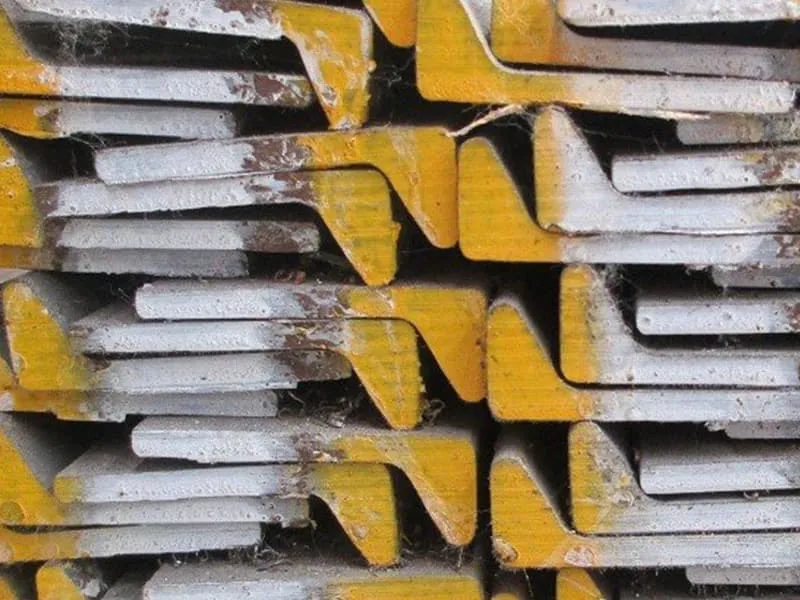
The Engineering Rationale Behind the Bulb
The bulb flat is a problem-solving shape. Let’s dissect its design and compare it to more common alternatives.
Anatomy and Nomenclature
- Web (Height x Thickness): The main vertical plate. Its height (e.g., 200mm in HP200) is the primary factor determining the stiffener’s effectiveness. The web’s thickness provides shear strength.
- Bulb: The solid, rounded end. Its mass is placed as far away from the web’s center as possible. In engineering terms, this greatly increases the section modulus about the strong axis.
- Toe: The edge of the web opposite the bulb. This is the welding edge that attaches to the ship’s shell plate.
The "HP" Dimension System
Bulb flats are standardized into the HP series (Holland Profile).
- HP80, HP100, HP120… up to HP430.
- The number indicates the nominal total profile height in millimeters.
- Each HP size has fixed standard dimensions for web height, bulb size, and associated thickness ranges.
Functional Comparison: Bulb Flat vs. Other Stiffeners
Why choose a bulb flat over a simple flat bar or an angle bar? The answer lies in structural efficiency.
| Profile Type | Cross-Section Shape | Key Advantage | Key Disadvantage | Best For |
|---|---|---|---|---|
| Bulb Flat | Web + Rounded Bulb | Highest section modulus per unit weight. Very efficient in bending. Clean, single welding line. | Specialized product; fewer mills produce it. Higher cost per ton than simple shapes. | Primary and secondary stiffeners in ship hulls, decks, bulkheads. |
| Flat Bar | Simple rectangle. | Low cost, widely available, easy to fabricate. | Very low bending resistance for its weight. Inefficient as a stiffener. | Light bracing, trim, non-structural applications. |
| Angle Bar (L-shape) | Two equal or unequal legs. | Good torsional stiffness, easy to install as brackets. Available everywhere. | Lower bending strength than a bulb flat of similar weight. Requires welding on two sides. | Secondary framing, brackets, supports in construction and shipbuilding. |
| Tee Bar (T-shape) | Web with a central flange. | Symmetrical, good in two directions. | The flange is centered, offering less bending efficiency than a bulb flat’s offset bulb. More complex to weld. | General structural applications; less common in modern shipbuilding. |
The Naval Architect’s Choice
Naval architects design ships to be as light and strong as possible. Using bulb flat stiffeners allows them to reduce the weight of the framing system. This saves steel and increases cargo capacity. The high strength-to-weight ratio is the bulb flat’s raison d’être. When we supply HP series bulb flats to a shipyard in Vietnam, they are not buying an odd-shaped bar. They are buying optimized structural efficiency that has been calculated into their vessel’s design from the start.
What is the use of bulb bar?
The term "bulb bar" is often used interchangeably with "bulb flat." Seeing these long steel bars stacked in a yard, one might wonder about their specific job. Their use is singular and vital: to make large steel structures stiff and stable without adding unnecessary weight.
The primary use of a bulb bar (bulb flat) is as a longitudinal or transverse stiffener in shipbuilding. It is welded to decks, hull plates, and bulkheads to prevent buckling under load. It is also used in offshore platforms, large bridge construction, and other heavy engineering structures requiring high bending resistance.
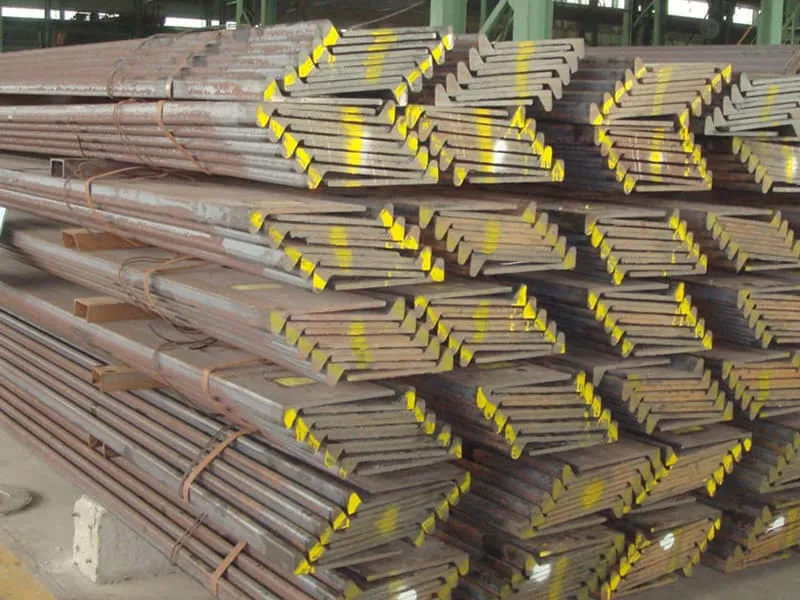
The Stiffener in Action: Applications Across Industries
The bulb bar’s unique properties make it the preferred choice in situations where strength and weight are critical factors. Let’s explore its roles in detail.
1. The Dominant Use: Ship and Offshore Construction
In a ship, the shell plating is relatively thin. Without support, it would buckle under water pressure, wave loads, and cargo weight. Bulb bars provide this support.
- Deck Stiffeners: Run transversely or longitudinally under the deck plating to support cargo and equipment loads.
- Bottom and Side Shell Stiffeners: Run longitudinally along the hull to resist water pressure and global bending of the ship.
- Bulkhead Stiffeners: Stiffen the vertical walls inside the ship (watertight bulkheads) to contain flooding or separate cargo holds.
- Offshore Platform Legs and Jackets: Used as bracing and stiffening members in the complex lattice structures of oil and gas platforms.
2. Heavy Civil and Bridge Engineering
- Box Girder Bridges: Bulb flats can be used as internal stiffeners in the webs of large box girders, preventing buckling from compressive forces.
- Crane Runway Girders: In heavy industrial facilities, the girders that support overhead cranes experience massive dynamic loads. Bulb flats provide excellent stiffening against these forces.
- Large Storage Tanks: They can stiffen the walls of large liquid storage tanks.
Installation and Welding Practice
The way a bulb bar is used is just as important as its material.
- Orientation: The bulb is always oriented away from the plate to which it is welded. The flat web is welded along its toe to the plate.
- Welding: Typically, a continuous fillet weld is run along the entire length on the plate side. Good fit-up is essential, which requires the bulb flat to be straight and dimensionally consistent.
- End Connections: Where stiffeners intersect or terminate, they are carefully detailed to avoid stress concentrations. Ends are often snipped or scalloped.
A Client’s Perspective: From Specification to Installation
For a project contractor like Gulf Metal Solutions, the use of bulb bars is a calculated decision. They receive project specifications that call for specific HP profiles (e.g., HP240x11 in grade DH36). Their pain point used to be receiving material with poor straightness or surface scale, which makes fit-up and welding difficult and costly.
When they source from us, they need assurance that:
- The dimensional tolerances (height, thickness, straightness) are tight, ensuring easy installation.
- The surface condition is clean, free of excessive scale that would need removal before welding.
- The material certification is flawless, allowing them to submit it directly to the classification surveyor.
The "use" of the bulb bar, therefore, extends beyond its function in the structure. It includes its role in the smooth, compliant, and cost-efficient execution of the entire construction project. A poorly manufactured bulb bar can delay a project at the welding stage, where labor costs are highest.
What are the disadvantages of a flat bar?
Flat bars are simple, cheap, and available everywhere. It’s tempting to use them for all stiffening needs. But in marine and high-performance engineering, this simplicity becomes a major liability. Using a flat bar where a bulb flat is needed is a fundamental design error.
The main disadvantage of a flat bar as a stiffener is its very low structural efficiency. It has a poor strength-to-weight ratio because its material is distributed close to its neutral axis. This makes it weak in bending, prone to buckling, and a wasteful use of steel and space compared to shaped profiles like bulb flats or angles.
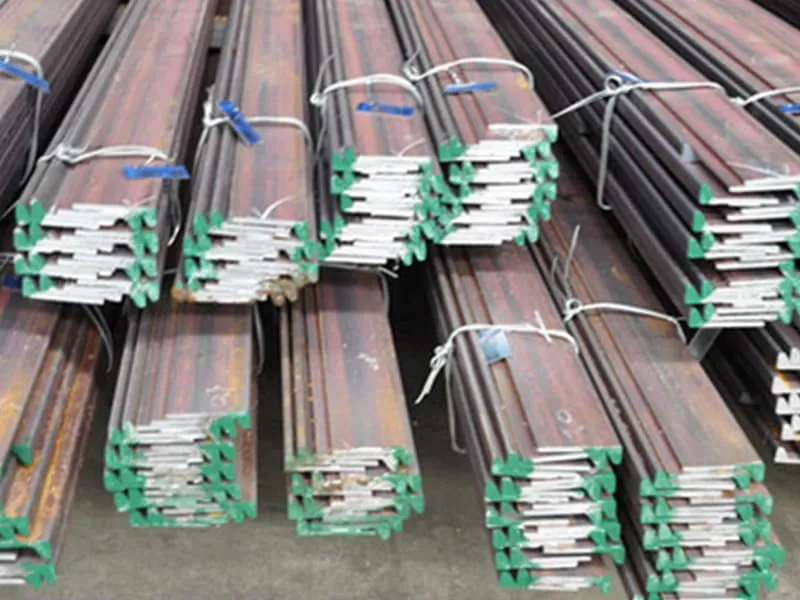
Why the Simple Shape Fails in Demanding Applications
To understand the disadvantage, we must look at the engineering principles of beam bending and compare practical outcomes.
The Science of Bending Resistance
When a beam bends, the material farthest from the center (neutral axis) experiences the most stress. A shape’s resistance to bending is quantified by its Section Modulus (Z).
- Flat Bar: All material is clustered near the center. Its section modulus is very low for its cross-sectional area. Formula for a vertical flat bar: ( Z = (b \times h^2) / 6 ), where b=thickness, h=height. To increase Z, you must increase the height (h) a lot, which makes the bar tall, thin, and prone to lateral buckling.
- Bulb Flat: The bulb places a mass of material far from the center. This dramatically increases the section modulus with only a small addition of weight. It is an efficient use of material.
Comparative Analysis: Flat Bar vs. Bulb Flat
Let’s take a concrete example. Suppose you need a stiffener with a certain required section modulus.
| Parameter | Scenario A: Flat Bar | Scenario B: Bulb Flat (HP200) |
|---|---|---|
| Target Section Modulus (Z) | Say, 200 cm³ | Same, 200 cm³ |
| Possible Design | A very tall and thick flat bar, e.g., 250mm high x 12mm thick. | A standard HP200x10 profile. |
| Weight per Meter | ~23.6 kg/m (250×12 flat) | ~22.8 kg/m (HP200x10) |
| Result | The flat bar is heavier but also much taller and thinner-webed. It will be flexible laterally and hard to weld without distortion. | The bulb flat is lighter, more compact in height, and has a stiffer web due to the bulb’s stabilizing effect. |
Key Disadvantages of Using a Flat Bar as a Stiffener
- Weight Inefficiency: You need more steel (more weight) to achieve the same stiffness. In shipbuilding, added weight reduces cargo capacity.
- Buckling Risk: A tall, thin flat bar is highly susceptible to lateral-torsional buckling under compression. The bulb on a bulb flat acts as a small flange, providing resistance to this buckling.
- Welding Challenges: Welding a thin, tall flat bar to a plate creates high heat concentration on one side. This often leads to significant distortion (bending) of the bar and the plate. The bulb flat’s asymmetrical shape is more stable during welding.
- Space Inefficiency: To get strength, you need a very tall flat bar. This steals valuable space within the hull or structure.
- Non-Standard: While flat bars are standard products, using them as primary stiffeners is a non-standard, inefficient practice. Classification society rules are based on efficient profiles like bulb flats and angles.
When IS a Flat Bar Acceptable?
Flat bars have their rightful place, just not as primary bending members.
- Tie Rods or Tension Members: Where the load is purely tensile, a flat bar is fine.
- Small Brackets or Gussets: For low-stress connections.
- Trim, Edging, or Non-Structural Cladding: Where no significant load is carried.
- Light Bracing: In structures where loads are minimal.
The disadvantage appears when cost-driven buyers or inexperienced designers try to substitute a cheap flat bar for a specified bulb flat or angle. The initial material savings are wiped out by the extra steel tonnage needed, the increased fabrication labor to control welding distortion, and the potential compromise on structural integrity. Our role is to educate buyers. When a client from Malaysia asks for a price for "flat bars for ship stiffeners," we ask for the drawings. Often, we find they actually need HP series bulb flats, and we explain the significant performance and long-term cost differences.
Conclusion
Marine bulb flat steel is engineered for strength and efficiency through a precise rolling process. Understanding this process and the profile’s advantages over simple flat bars is key to making informed, cost-effective procurement decisions for shipbuilding.
-
Explore the significance of flat-rolled steel in various industries and its unique properties. ↩
-
Explore the characteristics that make marine-grade steel suitable for shipbuilding. ↩
-
Learn about the BOF process and its role in producing high-quality steel. ↩
-
Discover how Continuous Casting transforms liquid steel into solid shapes efficiently. ↩
-
Understand the TMCP process and its impact on the strength and toughness of steel. ↩
-
Find out why the MTC is crucial for ensuring steel quality and compliance. ↩