
Your new vessel design is overweight. It fails to meet the latest efficiency regulations before the first plate is even cut. The solution isn’t a redesign; it’s a material upgrade. The industry is moving decisively from standard grades to high-strength steel to meet the dual demands of regulatory compliance and economic survival.
The shift is driven by the need for lightweighting to comply with emissions regulations (EEXI, CII) and improve fuel economy. High-strength steels (like AH40, FH grades) allow for thinner hull plates while maintaining strength, reducing structural weight by 10-20%, increasing payload capacity, and directly lowering operational carbon emissions.
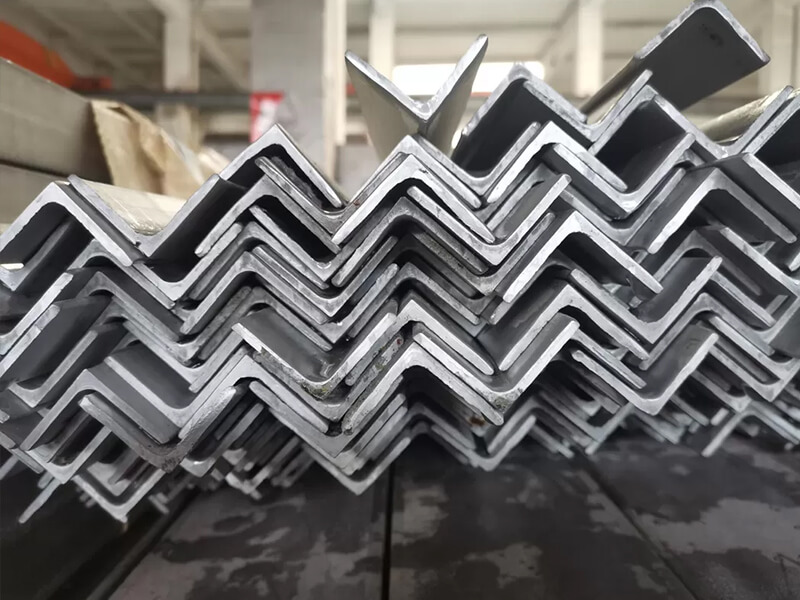
This is not a minor trend. It’s a fundamental redesign principle that impacts every aspect of shipbuilding, from procurement and fabrication to classification and operation. Let’s explore why high-strength steel is becoming the new normal.
What is the purpose of high strength steel in structural design?
You design a bridge. You can use many small, weak beams, or a few large, strong beams. High-strength steel is the "strong beam" principle applied to ships. Its purpose is to do more with less material, enabling smarter, lighter, and more efficient structures.
The primary purpose of high-strength steel in structural design is to reduce weight1 while maintaining or increasing load-carrying capacity. This allows for longer spans, thinner sections, and lighter overall structures. In marine design, this translates directly to increased cargo capacity, improved fuel efficiency, and better compliance with environmental regulations.
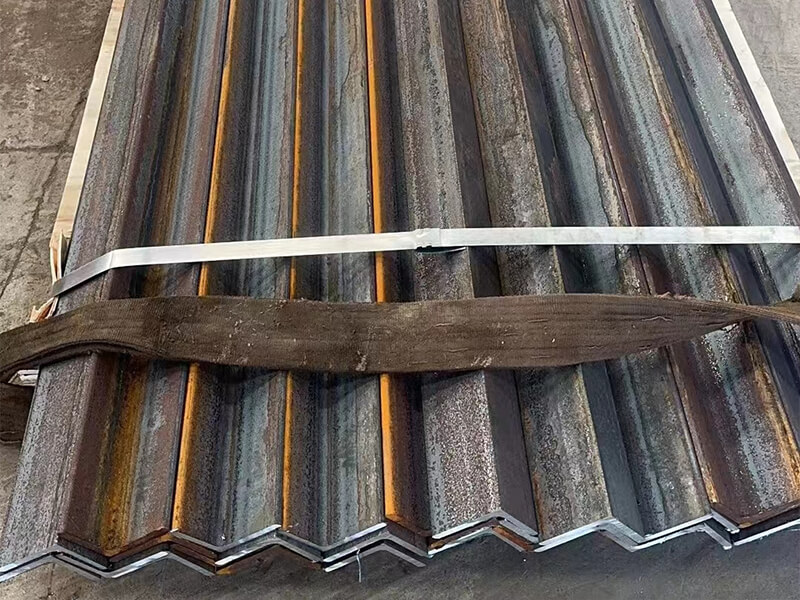
This purpose goes beyond simple substitution. It enables entirely new design philosophies that were not feasible with traditional materials. Let’s examine the core engineering principles and their marine application.
The Engineering Rationale: Strength-to-Weight Ratio as King
In any mobile structure—airplanes, cars, ships—the key metric is strength-to-weight ratio2. High-strength steel dramatically improves this ratio.
The Basic Mechanics:
The bending strength of a plate or beam is proportional to its section modulus. For a simple rectangular plate, the section modulus is proportional to the square of its thickness.
- If you use a steel with twice the yield strength, you can, in theory, use a plate that is about 30% thinner and still carry the same load.
- Thinner plate means less weight.
Application in Ship Structural Design:
Naval architects use this principle in scantling optimization3. They are not just swapping AH36 for AH40. They are re-calculating the required thickness of every hull plate, deck plate, and stiffener based on the higher allowable stress of the new grade.
- Result: A redesigned hull with optimized, thinner scantlings. The weight saved is "deadweight" that can be converted into extra cargo (payload)4.
Beyond Simple Substitution: Enabling New Designs
High-strength steel isn’t just for making existing designs lighter. It enables new ones:
- Larger Container Ships: To build a 24,000 TEU vessel within draft and stability limits, extensive use of AH40+ steel is mandatory in the upper hull and deck structure.
- Complex Offshore Structures: For floating offshore wind platforms, high-strength steel reduces the weight of the floating hull, improving stability and reducing mooring system costs.
- High-Speed Vessels: Weight is the enemy of speed. High-strength steel is essential for fast ferries and naval vessels.
The Design Trade-Offs:
Higher strength comes with considerations the designer must manage:
- Fatigue: Higher-strength steels can be more sensitive to notch effects and fatigue cracking5. Design details (weld profiles, cut-outs) become more critical.
- Buckling: Thinner plates are more prone to buckling. Stiffener spacing might need adjustment.
- Weldability: As strength increases, achieving good weld toughness without pre/post-heat can become more challenging. The Carbon Equivalent (CE) value becomes a crucial selection parameter.
The purpose, therefore, is strategic: to unlock performance and regulatory compliance. The shift is from designing with steel to designing for steel’s advanced capabilities.
What is high yield strength structural steel1iftonsteel.com/education/tensile-and-yield-strength)2 structural steel?
You see grades like AH40, FH550, or S690. The number indicates yield strength, but what does "high yield strength" actually mean for the steel’s behavior, and how is it achieved? Understanding this is key to specifying and fabricating with it correctly.
High yield strength2 structural steel is a steel grade with a minimum yield strength (the stress at which it begins to deform permanently) significantly above that of conventional structural steel. While mild steel may yield at 235 MPa, high-strength marine grades like AH40 yield at 390 MPa, and FH grades can exceed 550 MPa. This increased strength is achieved through precise chemistry control and advanced rolling processes like Thermo-Mechanical Controlled Processing (TMCP).
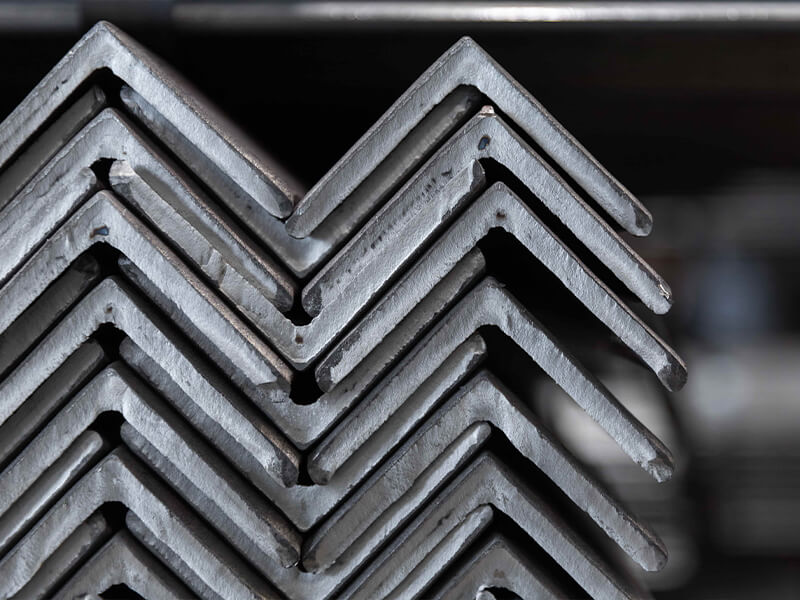
Yield strength is the most important number for a structural designer. It’s the "point of no return" for elastic deformation. A higher number means the steel can carry more load before it starts to bend permanently. Let’s delve into the metallurgy behind the number.
The Metallurgy of Strength: How Yield Strength is Enhanced
You cannot simply add more carbon to get stronger steel; that would ruin weldability and toughness. Modern high-strength marine steels3 use sophisticated alloying and processing.
Key Methods to Increase Yield Strength:
- Grain Refinement4 (The Hall-Petch Relationship): This is the most desirable method. Smaller grains in the steel’s microstructure create more grain boundaries, which block dislocation movement (the mechanism of plastic deformation). TMCP is the premier technology for this. It involves controlled rolling at specific temperatures followed by accelerated cooling, resulting in a very fine, strong microstructure.
- Precipitation Hardening5: Adding micro-alloying elements like Niobium (Nb), Vanadium (V), and Titanium (Ti). These form tiny, hard carbide or nitride particles that pin dislocations, increasing strength.
- Solid Solution Strengthening6: Adding alloying elements like Manganese (Mn) and Silicon (Si) that dissolve in the iron matrix and distort the crystal lattice, making dislocation movement harder.
The Role of TMCP (Thermo-Mechanical Controlled Processing):
This is the game-changer for producing high-strength, weldable marine plate.
- Process: The slab is rolled in a precise temperature range (the austenite region) to deform and refine the austenite grains. It is then rapidly cooled, transforming the fine austenite into an even finer ferrite microstructure.
- Result: A combination of high strength and excellent low-temperature toughness with a low Carbon Equivalent (CE), meaning it remains readily weldable.
Classification of High-Strength Marine Steels:
Under rules like ABS, high-strength steels are categorized by their yield strength2 level:
| Category | Example Grades (ABS) | Minimum Yield Strength | Typical Application in Shipbuilding |
|---|---|---|---|
| Normal Strength | A, B, D, E | 235 MPa | Traditional hulls, non-critical areas. |
| Higher Strength | AH32, DH32, EH32, AH36, DH36, EH36 | 315 – 355 MPa | Standard for most modern commercial hulls. |
| Extra-High Strength | AH40, DH40, EH40, AH47… | 390 – 460 MPa | Used for weight reduction in large container ships, LNG carriers (deck, upper hull). |
| Ultra-High Strength | FH (e.g., FH550, FH690) | ≥ 550 MPa | Used in specialized areas like hatch covers, high-stress connections, offshore. |
Implication for Buyers and Fabricators:
When you order AH40 instead of AH36, you are not just buying a stronger steel. You are buying a product of a more sophisticated metallurgical process. The MTC will show a different chemistry (likely micro-alloyed) and a different production route (TMCP). Your welding procedures may need to be requalified to account for the different HAZ characteristics. Sourcing from a mill with proven TMCP capability is essential.
What is the main advantage of using high tensile steel for ship building?
The advantage is often summarized as "weight savings," but the real value is what that weight saving translates into: profitability and regulatory compliance1. In today’s market, these are not just advantages; they are requirements for staying in business.
The main advantage of using high-tensile (high-strength) steel in shipbuilding is significant structural weight reduction2. This directly leads to increased cargo carrying capacity3 (deadweight), lower fuel consumption, reduced greenhouse gas emissions4, and improved compliance with international efficiency regulations like the EEXI and CII, all of which enhance the vessel’s economic and environmental performance.
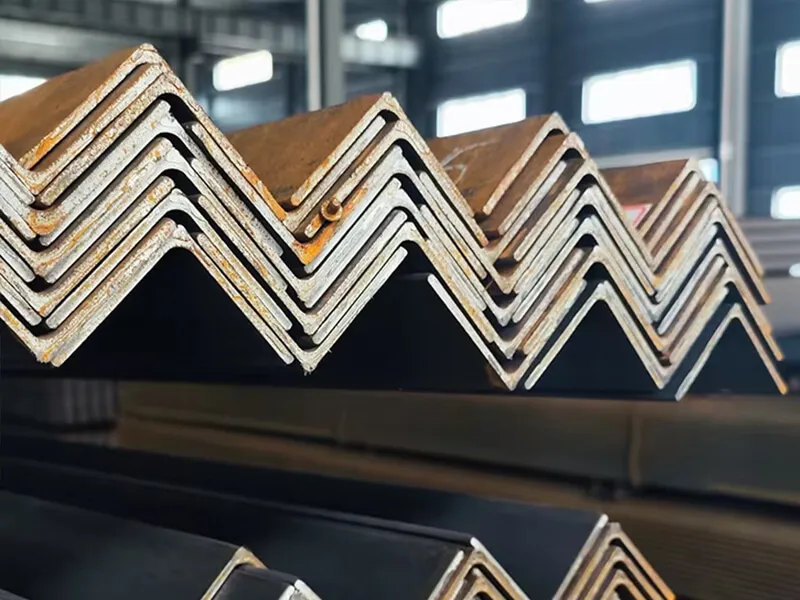
This advantage creates a powerful economic flywheel. Let’s break down the chain of benefits from the material choice to the owner’s bottom line.
The Economic and Environmental Flywheel of Lightweighting
The decision to use high-tensile steel isn’t a one-time cost; it’s an investment that pays dividends throughout the vessel’s life.
The Chain of Benefits:
- Direct Weight Saving (The Trigger): Using AH40 instead of AH36 can reduce the hull steel weight by 15% or more for equivalent strength.
- Increased Deadweight Tonnage (DWT): The saved weight is added back as payload. For a bulk carrier, that’s more iron ore or grain. For a container ship, it’s more containers. This directly increases revenue per voyage.
- Reduced Fuel Consumption: A lighter ship requires less power to move at the same speed. This lowers operational costs. Fuel is the single largest operating expense for a shipowner.
- Lower Emissions: Less fuel burned means fewer CO2, SOx, and NOx emissions. This is crucial for meeting the IMO’s Carbon Intensity Indicator (CII)5, which gets stricter each year.
- Extended Design Range or Smaller Machinery: With lower fuel needs, the ship can travel further on the same tank volume, or the engine and fuel tank size can be reduced, saving further weight and cost.
- Improved Stability (Sometimes): Lowering the center of gravity by removing heavy steel high up in the hull can improve stability, allowing for safer operation or further design optimization.
Quantifying the Advantage: A Simplified Example
Consider a 180,000 DWT Capesize bulk carrier.
- Hull Steel Weight (using AH36): ~25,000 tons.
- Potential Weight Saving (using AH40 in optimized design): 15% = 3,750 tons.
- Benefit: That 3,750 tons becomes extra cargo capacity. At a freight rate of $30/ton, that’s $112,500 extra revenue per voyage. Over 25 years, this compounds into tens of millions of dollars.
The Regulatory Imperative:
Regulations like the Energy Efficiency Existing Ship Index (EEXI)6 and CII have turned this economic advantage into a compliance necessity. Ships that are too heavy and inefficient will get poor CII ratings, face trading restrictions, and lose value. Using high-tensile steel is one of the most effective tools for a shipyard to design a compliant vessel and for an owner to maintain the asset’s value.
Therefore, the "advantage" is now existential. It’s not just about building a better ship; it’s about building a ship that is legally and economically viable for decades to come.
Which steel grade is widely used in ship hull construction for high strength and toughness1?
You need a grade that is both strong and tough, available globally, and understood by all classification societies. While AH40 and higher grades are growing, there is a current workhorse that balances these demands perfectly for most high-strength applications.
The steel grade most widely used in ship hull construction for an optimal balance of high strength and toughness1 is ABS AH36 / DH36 / EH362. While AH40+ grades are used for specific lightweighting, the AH/DH/EH36 family is the global standard for primary hull structures in most large commercial vessels, offering 355 MPa yield strength with guaranteed toughness at various temperature levels.
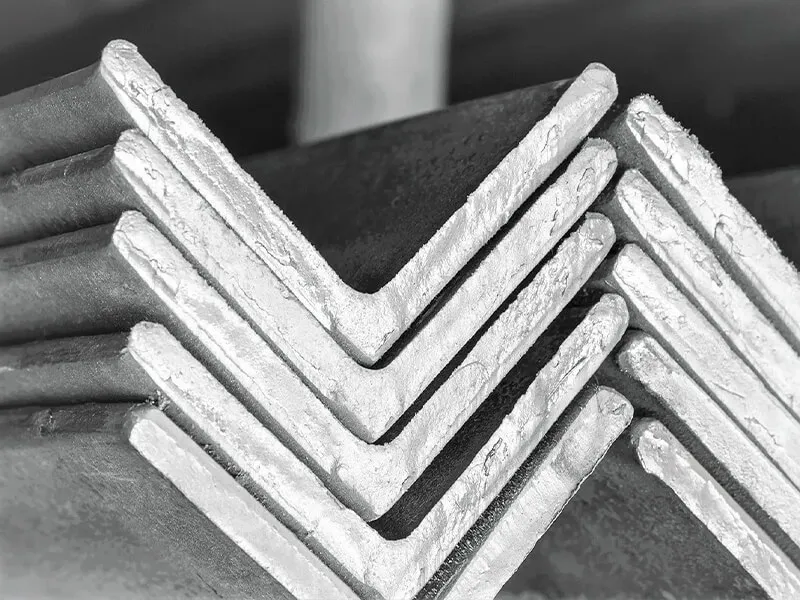
AH36 is the benchmark. It represents the first major step up from normal strength steel and has become the default choice for a reason. Let’s examine why it reigns supreme and how it fits into the broader high-strength landscape.
The Reign of AH/DH/EH36: The Benchmark High-Strength Grade
This family of grades hit a sweet spot that revolutionized shipbuilding in the late 20th century and remains dominant today.
Why AH36 Became the Standard:
- Significant Strength Increase: 355 MPa yield vs. 235 MPa for Grade A. This offered meaningful weight savings without pushing the boundaries of fabricability too far.
- Excellent Weldability: Mills learned to produce AH36 with a relatively low Carbon Equivalent (CE), allowing shipyards to weld it without extensive pre-heat procedures, keeping construction costs manageable.
- Proven Toughness: The "D" and "E" qualifiers provide guaranteed impact toughness for colder waters (-20°C and -40°C respectively), making it suitable for global trade routes.
- Global Availability and Familiarity: Every major shipbuilding mill3 in Asia and Europe produces it. Every classification society has rules for it. Every shipyard in the world knows how to work with it.
The "H36" Family Breakdown:
- AH36: Standard high strength. For general use in temperate/tropical waters.
- DH36: Improved toughness grade (normalized or TMCP). For vessels operating in colder climates (North Atlantic, winter seasons).
- EH36: Extra-high toughness grade (typically TMCP). For the most severe environments (Arctic service, high-stress areas like the sheer strake).
Application in the Hull:
- Bottom Shell: AH36/DH36 is standard. Handles slamming loads and hydrostatic pressure.
- Side Shell: AH36.
- Deck (Main Deck): AH36/EH36. Resists tensile stresses from hull bending.
- Sheer Strake (Critical): Often EH36 for its superior toughness at the point of highest stress.
The Relationship with Higher Grades (AH40+):
AH36 is not being replaced; it is being complemented. Think of it as a hierarchy:
- AH36: The standard high-strength workhorse for the majority of the hull.
- AH40/EH40: The premium lightweighting grade used selectively in areas where the weight saving justifies the extra cost and fabrication attention (e.g., upper decks of large container ships, hatch covers).
- FH Grades: The specialist ultra-high-strength for discrete, highly stressed components.
For a supplier like us, AH/DH/EH36 is a core product. Our mills produce it reliably at scale. It’s the grade that forms the backbone of the global fleet. Understanding its properties and its correct application is fundamental before moving into the more advanced grades. It is the bridge between traditional and next-generation shipbuilding.
Conclusion
The shift to high-strength marine steel is a strategic response to efficiency regulations and economic pressure, enabling lighter, stronger ships through grades like AH36 and beyond, with careful attention to the associated design and fabrication requirements.
-
Discover the advantages of using materials with high strength and toughness in shipbuilding. ↩ ↩ ↩ ↩ ↩
-
Explore this link to understand why ABS AH36 / DH36 / EH36 is the go-to choice for ship hull construction. ↩ ↩ ↩ ↩ ↩ ↩
-
Explore the critical role of shipbuilding mills in the production and supply of essential steel grades. ↩ ↩ ↩ ↩
-
Discover effective strategies to minimize emissions and comply with environmental regulations in the shipping industry. ↩ ↩ ↩
-
Understanding the CII is essential for shipowners to ensure compliance and enhance sustainability in operations. ↩ ↩ ↩
-
Explore the EEXI’s role in promoting energy efficiency and regulatory compliance in the maritime industry. ↩ ↩