
You’ve ordered marine-grade angle steel for a shipbuilding project, but what happens with the leftover stock? Its utility extends far beyond the shipyard. I’ve seen clients successfully repurpose this high-quality material for other demanding projects, from coastal infrastructure to industrial plants.
Marine angle steel, known for its certified strength and corrosion resistance, has extensive applications beyond shipbuilding. It is ideal for coastal and offshore structures like jetties and platforms, port facilities, bridges in corrosive environments, heavy industrial supports, and power plant construction where durability and load-bearing capacity are critical. Its superior properties make it a valuable material for any project facing harsh conditions.
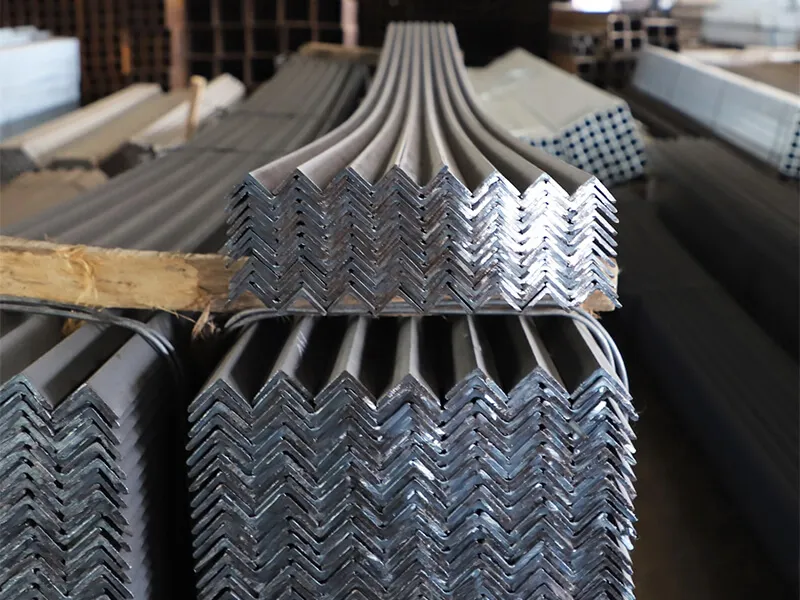
For distributors, fabricators, and project managers, understanding these alternative markets can unlock new business opportunities and provide better value from your steel inventory. Let’s explore the versatility of this material, starting with its fundamental purpose.
What is the purpose of the steel angle?
The steel angle, or L-bar, is one of the most basic structural shapes. Its purpose seems simple, but its engineering value is profound. A contractor in Mexico once described it as the "duct tape of steel construction"—versatile, strong, and used everywhere.
The primary purpose of a steel angle is to provide structural support1, bracing, and framing. Its L-shaped cross-section offers high strength and stiffness in two perpendicular directions, making it perfect for creating rigid connections, reinforcing plates against buckling, and acting as a lightweight beam or column in frameworks. It is a fundamental component for transferring and resisting loads in countless structures.

The Engineering Principles Behind the Simple L-Shape
The angle’s effectiveness comes from its geometry and how it interacts with forces. Let’s break down its core functions.
1. As a Connection and Bracing Member (Its Most Common Role)
- Bracing: Angles are used as diagonal members in trusses, towers, and building frames. They prevent the structure from racking (deforming sideways) under wind, seismic, or lateral loads. In a ship’s hull, they provide internal triangulation for rigidity.
- Connection Angles (Gussets): Pieces of angle are used to connect beams to columns or other beams. They are bolted or welded to provide a strong, stable joint. The two legs offer ample surface area for fasteners.
2. As a Stiffener (The Key to Using Thin Plates)
Large, thin steel plates are weak and prone to buckling under pressure. By welding an angle perpendicular to the plate (along one leg), you effectively turn the plate into a series of small, reinforced panels.
- In Ships: Angles are welded to hull, deck, and bulkhead plates as stiffener2s.
- In Storage Tanks: Angles stiffen the walls of large liquid storage tanks.
- In Machinery: Angles reinforce guards and covers.
3. As a Primary Structural Member
- Light Beams and Purlins: Angles can serve as beams for light loads, such as supporting roof sheeting (purlins) or wall cladding (girts).
- Columns and Posts: Small columns or support posts for platforms, signs, or equipment are often made from angles.
- Framing: The entire frame for doors, windows, machine guards, and shelving units is commonly built from angles.
Functional Analysis of the L-Shape:
Why is this shape so effective? It places material away from the center (the heel of the angle). This increases its moment of inertia3, which is a measure of its resistance to bending. An L-angle resists bending better than a flat bar of the same weight.
Practical Use Case Table:
| Structural Need | How a Steel Angle Addresses It | Example |
|---|---|---|
| Prevent a frame from leaning. | Install as a diagonal brace. | Diagonal angle in a communication tower. |
| Stop a large metal sheet from wobbling. | Weld as a stiffener2 to its back. | Angles on a ship’s bulkhead. |
| Create a strong corner joint. | Use as a bracket or gusset. | Angle bracket connecting a shelf to a wall. |
| Build a simple support frame. | Use as the legs and rails. | Frame for a workbench or equipment skid. |
When we talk about marine angle steel, we take this versatile profile and enhance it with specific properties for harsh environments. This leads us to ask: what makes shipbuilding steel special?
What type of steel is used in shipbuilding?
You cannot use the same steel for a warehouse frame as you do for a ship’s hull. The ocean is an unforgiving environment. Marine steel is engineered to meet this challenge head-on. I’ve witnessed the consequences of using substandard steel in a coastal structure—premature failure was costly.
Shipbuilding uses marine-grade steel1 certified by classification societies2 (ABS, DNV, LR, etc.). This is primarily carbon-manganese steel with controlled chemistry for weldability3 and mandatory toughness testing. Grades range from ordinary strength (A, B, D, E) to high-strength (AH32, AH36, DH36), where letters indicate toughness at low temperatures and numbers indicate yield strength (e.g., 36 for 355 MPa). This steel is designed to resist brittle fracture, fatigue, and corrosion.

The Specifics That Define Marine Steel
Marine steel is a family of materials, each with a role based on its location and stress in the vessel.
1. The Role of Classification Societies
These independent organizations (ABS, DNV, BV, etc.) set the rules. They approve the steel mills and the grades. The Mill Test Certificate (MTC)4 is your proof of compliance. It’s a non-negotiable passport for the material.
2. Key Properties Tailored for the Sea:
- Toughness (Impact Resistance): This is critical. Steel can become brittle in cold water. Charpy V-notch impact tests at low temperatures (e.g., -20°C for Grade D) ensure the steel will bend, not shatter, upon impact.
- Weldability: A ship is a welded structure. The steel’s chemical composition, particularly a low Carbon Equivalent (CE), is controlled to prevent cracking during and after welding.
- Fatigue Resistance: Ships flex in waves for decades. The steel must resist crack initiation under these repeated loads.
- Strength: High-strength grades (AH/DH36) allow for thinner, lighter hulls, increasing cargo capacity and fuel efficiency.
3. Grade Selection Based on Location:
- Midship Hull: High-strength steel (AH36) for weight savings.
- Bow Area: High-toughness steel (DH36, EH36) to handle wave impact and cold temperatures.
- Internal Bulkheads: Ordinary strength steel (Grade A, B) for cost-effectiveness.
Why This Matters for Non-Shipbuilding Applications:
When you use marine-grade angle steel for a bridge, jetty, or industrial plant, you are importing these superior properties:
- Guaranteed Toughness: It will perform reliably in cold climates or under impact loads.
- Certified Traceability: The MTC provides assurance of quality and composition.
- Corrosion Resistance Foundation: While it will still rust, its cleaner chemistry provides a better base for protective coatings than generic steel.
Comparison: Marine vs. Generic Structural Steel
| Property | Marine Grade (e.g., ABS AH36) | Generic Structural (e.g., ASTM A36) |
|---|---|---|
| Yield Strength | Min. 355 MPa (certified) | Min. 250 MPa (may vary) |
| Impact Toughness | Mandatory testing at low temp (e.g., 0°C or -20°C). | Often not required or tested at room temp. |
| Chemical Control | Strict limits on S, P, and CE for weldability3. | Looser limits; may have higher impurities. |
| Certification | Must have MTC from approved mill. | MTC may be available but not from a class society. |
For a fabricator building a seaside processing plant, using marine angles for exposed structural supports is a smart, long-term investment. This focus on corrosion resistance5 naturally leads us to another marine material: stainless steel.
What are the marine applications1 of stainless steel2?
While carbon steel forms the hull, stainless steel2 plays a vital role in specific marine applications1 where corrosion is the primary enemy. A shipowner in Saudi Arabia specified 316 stainless for all deck railings3 and fittings to minimize maintenance in the harsh Gulf environment.
Stainless steel (typically grades 304 or 316) is used in marine applications1 for its exceptional corrosion resistance4. Common uses include ship fittings (railings, cleats, ladders), propeller shafts, fasteners, piping systems, and components in desalination plants5. Grade 3166, with added molybdenum, is preferred for direct saltwater exposure. It is not used for primary hull structures due to high cost and different mechanical properties.
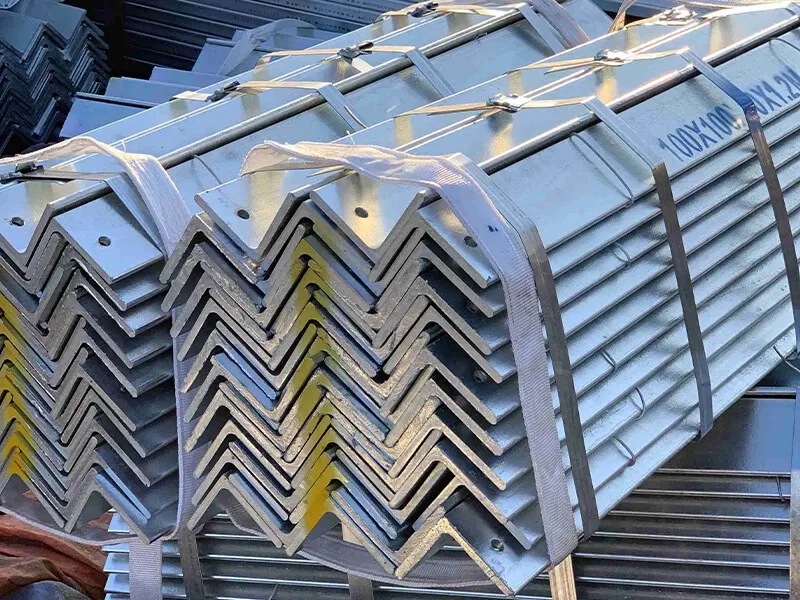
Distinguishing the Roles: Structural vs. Corrosion-Resistant
It’s important to understand that stainless steel2 and marine carbon steel7 serve different purposes. They are complementary, not interchangeable.
Why Stainless Steel is Special:
Stainless steel contains a minimum of 10.5% Chromium. This forms a passive, self-repairing oxide layer on the surface that blocks corrosion. The addition of Molybdenum in Grade 3166 greatly enhances resistance to chlorides (salt).
Key Marine Applications:
- Deck Outfitting and Hardware:
- Railings, Stanchions, Ladders: Constantly exposed to salt spray and weather. Stainless provides a maintenance-free appearance and safety.
- Cleats, Chocks, Hatches: Hardware subject to mechanical wear and corrosion.
- Machinery and Systems:
- Shafting: Propeller shafts and intermediate shafts often use high-strength stainless alloys.
- Piping: For bilge lines, ballast lines, and especially for handling fresh water or chemicals.
- Heat Exchangers and Condensers: Tubes and plates in seawater cooling systems.
- Specialized Vessels and Structures:
- Chemical Tankers: Cargo tanks and piping are often made of stainless to handle corrosive cargos.
- Desalination Plants: Almost entire plants are built with stainless steel2 (duplex grades) due to constant exposure to seawater and brine.
- Offshore Platform Living Quarters: Interior fittings, galley equipment, and exterior cladding in splash zones.
Limitations and Cost Consideration:
- Cost: Stainless steel (especially 316) is 5 to 10 times more expensive than carbon steel like AH36.
- Strength & Fabrication: It has different thermal expansion and welding characteristics. It is not typically used as the primary structural frame of a ship or offshore platform due to cost and design complexity.
Application Selection Guide:
| Marine Component | Material Choice | Reason |
|---|---|---|
| Ship’s Hull Frame | Marine Carbon Steel (AH36) | Cost-effective strength, weldability, toughness. The hull is protected by coatings. |
| Deck Railing | Stainless Steel (316) | Superior corrosion resistance4 for safety-critical, exposed fittings. Low maintenance. |
| Offshore Platform Leg | Marine Carbon Steel (DH36) + Coatings | Massive structural component. Cost prohibits stainless. Protected by coatings/anodes. |
| Seawater Pump Impeller | Special Stainless or Bronze | Must resist erosion and corrosion from seawater flow. |
| Coastal Walkway Handrail | Hot-Dip Galvanized Carbon Steel or Stainless 316 | Balance of cost and longevity. Stainless offers zero maintenance premium. |
For a project contractor, the choice is about matching the material to the specific threat and budget. Marine angle steel (carbon) handles structural loads in corrosive atmospheres. Stainless handles pure corrosion challenges in non-structural or highly critical components. Both find wide use, but let’s return to the widespread use of steel angles in general.
Where are steel angles1 widely used?
From the skeleton of a skyscraper to the frame of your bed, steel angles1 are ubiquitous in the modern world. Their simplicity and effectiveness make them a default choice for countless applications. A fabricator in Thailand supplies angles for over fifty different local industries, from agriculture to electronics.
Steel angles are widely used in building and bridge construction2 (framing, bracing), industrial manufacturing3 (machine frames, supports), transportation4 (vehicle chassis, trailer frames), infrastructure5 (transmission towers, signage), and even furniture and storage systems. Their use is limited only by engineering imagination and the availability of material.

A Sector-by-Sector Breakdown of Angle Applications
The L-angle is a universal component. Its adoption across industries is a testament to its utility.
1. Construction and Civil Engineering:
- Building Frames: As secondary members, bracing, and connection elements in steel-framed buildings.
- Bridges: For bracing between girders, support for deck forms, and in pedestrian bridge frames.
- Transmission and Communication Towers: The primary structural member for legs and bracing in lattice towers.
- Staircases and Balconies: Stringers and edge supports.
2. Industrial and Manufacturing:
- Machine Frames and Bases: Angles form rigid frames for industrial machinery, presses, and conveyors.
- Support Structures: For platforms, walkways, pipe racks, and cable trays within factories and plants.
- Guards and Enclosures: Safety guards around moving equipment are often built from angles.
- Storage and Racking: The uprights and beams in heavy-duty pallet racking6 are frequently made from rolled or cold-formed angles.
3. Transportation and Automotive:
- Truck and Trailer Frames: As cross-members and reinforcements.
- Railcar Construction: In underframe and body structure.
- Shipbuilding: As discussed, a massive consumer for frames and stiffeners.
4. Infrastructure and Utilities:
- Signage and Signal Gantries: The support poles and cross-arms.
- Lighting Poles: For street lights and high mast lighting.
- Agricultural Equipment: Frames for tractors, harvesters, and storage bins.
The Advantage of Marine-Grade Angles in These Sectors:
When a standard application faces a harsh environment, marine-grade angles7 become the superior choice.
- A Water Treatment Plant: Supports and frames in constant humid, chemical-laden air.
- A Coastal Mining Facility: Structural bracing exposed to salt spray.
- A Power Plant Cooling Tower: Internal supports in a warm, wet, corrosive atmosphere.
- A Bridge in a Cold, De-icing Salt Region: Exposed bracing and connections.
Market Opportunity Table for Suppliers:
| Industry | Typical Angle Use | Value Proposition for Marine-Grade Angles |
|---|---|---|
| Coastal Construction | Jetty piles, walkway supports, sea wall reinforcement. | Direct need. Certified corrosion resistance and toughness for saltwater exposure. |
| Chemical & Petrochemical | Pipe bridge frames, platform supports, equipment skirts. | Resistance to corrosive atmospheric chemicals. Traceability (MTC) is valued. |
| Power Generation | Boiler supports, ductwork framing, cooling tower structures. | Long-term durability in high-heat, high-moisture environments. |
| Infrastructure (Bridges, Tunnels) | Internal bracing, connection elements. | Enhanced toughness for seismic zones or cold climates. |
| Heavy Equipment Manufacturing | Chassis frames for equipment used in mining or coastal areas. | Increased service life for equipment in abrasive, wet environments. |
For a B2B supplier like us, this knowledge is powerful. It allows us to advise clients like Gulf Metal Solutions not just on shipbuilding materials, but on how the same high-quality marine angles can solve durability problems in their other project contracts, from port upgrades in Qatar to industrial plants in Malaysia.
Conclusion
Marine angle steel, with its certified strength and corrosion-resistant properties, finds valuable applications far beyond shipbuilding in coastal infrastructure, heavy industry, power generation, and any project demanding durability in harsh environments, proving its versatility and long-term economic value.
-
Explore how steel angles are essential in various construction projects, enhancing structural integrity and design. ↩ ↩ ↩ ↩ ↩ ↩ ↩
-
Learn about the critical role steel angles play in ensuring the safety and durability of buildings and bridges. ↩ ↩ ↩ ↩ ↩ ↩ ↩ ↩
-
Discover the importance of steel angles in creating robust machinery and support structures in manufacturing. ↩ ↩ ↩ ↩ ↩
-
Find out how steel angles contribute to the strength and safety of vehicles and transportation infrastructure. ↩ ↩ ↩ ↩
-
Understand the vital function of steel angles in supporting essential infrastructure like towers and signage. ↩ ↩ ↩
-
Learn how steel angles enhance the strength and stability of storage solutions in warehouses. ↩ ↩ ↩
-
Explore the benefits of marine-grade angles in harsh environments, ensuring longevity and reliability. ↩ ↩