
A ship repair yard in Philippines needed a small quantity of marine plates urgently. Their experience revealed why MOQ matters in steel procurement.
Minimum order quantity for marine steel plates typically ranges from 5 to 20 tons depending on grade, thickness, and mill requirements. We offer flexible MOQ starting from 3 tons for standard grades, with smaller quantities possible for urgent repairs but usually at higher per-ton prices due to production and logistics constraints.
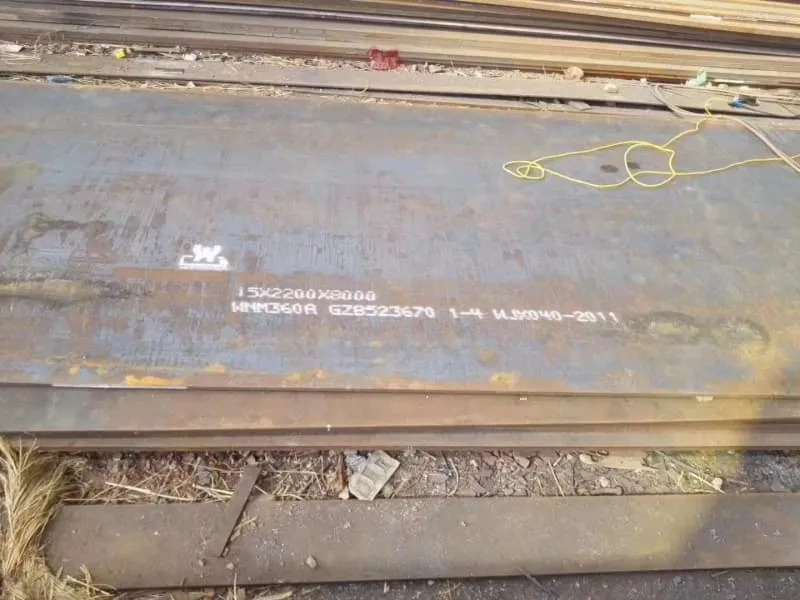
Understanding MOQ requirements helps plan procurement effectively. Let me explain the factors affecting minimum orders and how to optimize your purchasing.
How to calculate steel plate quantity?
A project manager from Saudi Arabia underestimated their plate requirements. Proper calculation methods prevented costly project delays.
Steel plate quantity calculation1 involves measuring surface area, multiplying by thickness, then applying steel density (7.85 g/cm³). The formula is: Weight (kg) = Length (m) × Width (m) × Thickness (mm) × 7.85, with additional percentages added for cutting waste and processing allowances in shipbuilding projects.
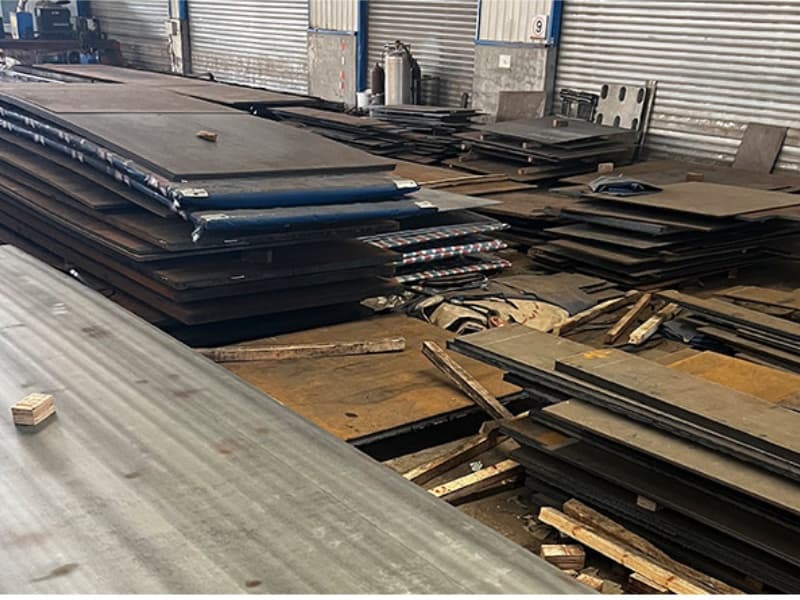
Accurate Quantity Calculation Methods
Calculating steel plate requirements involves more than simple mathematics. Several practical factors affect the final quantity needed for a project.
Basic Weight Calculation Formula
The fundamental calculation uses the standard steel density. For a 10m long, 2m wide, 15mm thick plate: 10 × 2 × 15 × 7.85 = 2,355 kg. This calculation provides the theoretical weight. Actual weight may vary slightly due to mill tolerances. The formula works for all carbon steel plates including marine grades.
Cutting Waste Allowance2
Shipbuilding involves significant material loss during cutting. Nesting efficiency typically ranges from 85% to 95%. Complex shapes generate more waste than rectangular pieces. We recommend adding 5-10% for cutting waste depending on part complexity. This ensures adequate material for the actual fabrication process.
Processing Loss Considerations3
Additional material loss occurs during processing. Edge preparation for welding removes some material. Surface grinding may be necessary for some applications. Testing samples require extra material. These processing losses typically add 2-3% to the calculated quantity. The percentage varies with fabrication methods.
Spare Material Requirements4
Projects often require spare plates for repairs and replacements. Classification societies may mandate specific spare percentages. Typical spare allowances range from 2% to 5% of total weight. The spare material should match the production plates in grade and heat number. This ensures compatibility for future repairs.
Measurement Standards5
Plates are measured in different conditions. Theoretical weight uses nominal dimensions. Actual weight accounts for mill tolerances. The calculation method should match the pricing basis. Some suppliers price by theoretical weight, others by actual weight. Understanding the measurement standard prevents disputes.
Calculation Verification Methods6
Multiple verification methods ensure accuracy. Software programs automate calculations with nesting optimization. Manual calculations provide a quick check. Historical data from similar projects offers reference points. Mill test certificates provide actual weights for verification.
Quantity Calculation Factors
| Factor | Typical Percentage | Calculation Method | Notes |
|---|---|---|---|
| Theoretical Weight | 100% | L×W×T×7.85 | Base calculation |
| Cutting Waste | 5-10% | Added to base | Depends on nesting |
| Processing Loss | 2-3% | Added to total | Fabrication method |
| Spare Material | 2-5% | Project requirement | Classification rules |
| Tolerance | ±5% | Mill standard | Actual vs theoretical |
We help clients in Vietnam and Qatar with accurate quantity calculations. Their projects maintain optimal material utilization through proper planning.
What are the sizes of mild steel available?
A fabricator from Mexico needed specific plate sizes for their shipbuilding project. Understanding standard sizes helped optimize their material selection.
Mild steel plates are available in standard widths1 from 1500mm to 3600mm and lengths from 6000mm to 12000mm, with thickness ranging from 6mm to 300mm. Custom sizes are possible but increase costs and lead times, while standard dimensions offer better availability and pricing for shipbuilding applications.
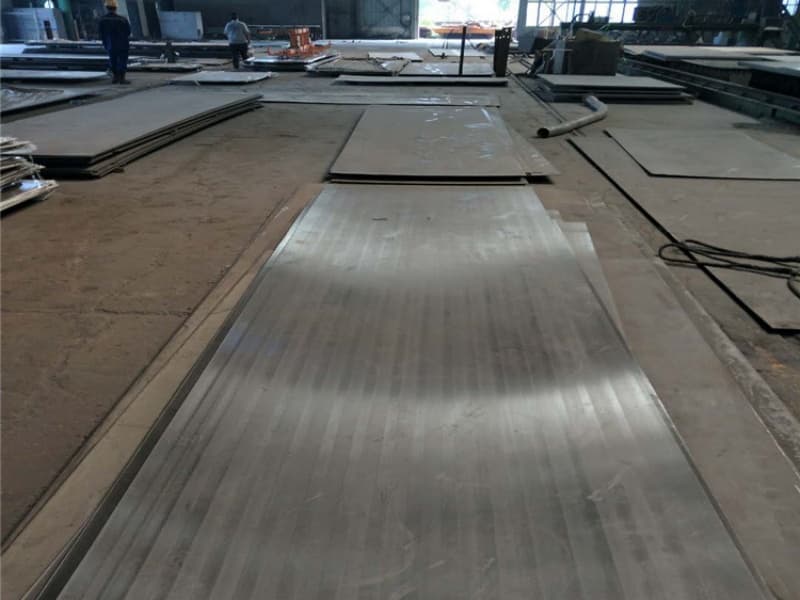
Comprehensive Size Availability Guide
Steel plate sizes follow industry standards that balance production efficiency with application needs. Understanding these standards helps in material planning.
Standard Width Specifications
Mills produce plates in standard width increments. Common widths include 1500mm, 1800mm, 2000mm, 2200mm, 2500mm, 3000mm, and 3600mm. The width availability depends on the mill’s rolling equipment. Older mills may have maximum widths of 3000mm. Modern facilities can produce up to 5000mm wide plates for special orders.
Standard Length Options
Plate lengths follow predictable patterns. Standard lengths typically include 6000mm, 8000mm, 9000mm, 10000mm, and 12000mm. Some mills offer 3000mm increments from 6000mm to 15000mm. The length selection affects transportation feasibility. Very long plates may require special transport arrangements.
Thickness Range Availability
Mild steel plates cover extensive thickness ranges. Standard thickness starts from 6mm for thin plates. Intermediate thicknesses include 8mm, 10mm, 12mm, 16mm, 20mm, 25mm, 30mm, 35mm, and 40mm. Heavy plates range from 50mm to 300mm thickness. Not all mills produce the entire thickness range.
Weight Limitations per Plate
Individual plate weights face practical limits. Handling equipment capacity affects maximum weight. Typical maximum weights range from 10 to 30 tons per plate. Very heavy plates require special handling equipment. The weight limitation influences the maximum combination of thickness and area.
Custom Size Considerations
Custom sizes involve additional costs. Non-standard widths1 may require edge trimming. Special lengths might need cutting from longer plates. The mill may charge extra for custom dimensions. Lead times typically increase for non-standard sizes. The cost premium can reach 10-20% above standard sizes.
Size Selection Optimization
Optimal size selection minimizes waste. The chosen dimensions should match the cutting pattern. Standard sizes often provide better utilization than custom sizes2. Multiple smaller plates may be more efficient than one large plate. The selection should consider both material cost and fabrication efficiency.
Standard Plate Size Matrix
| Thickness Range | Available Widths | Standard Lengths | Typical Applications |
|---|---|---|---|
| 6-20mm | 1500-3000mm | 6000-12000mm | Hull plating, decks |
| 21-40mm | 2000-3600mm | 8000-12000mm | Structural members |
| 41-80mm | 2500-3600mm | 6000-10000mm | Thick sections |
| 81-150mm | 2000-3000mm | 6000-8000mm | Special components |
| 151-300mm | 1500-2500mm | 3000-6000mm | Heavy fabrications |
We guide clients in Thailand and Romania on size selection. Their projects achieve better cost efficiency through optimal dimension choices.
How are steel plates priced?
A shipowner from Saudi Arabia received varying quotes for identical specifications. Understanding pricing components helped them evaluate offers properly.
Steel plate pricing1 includes raw material costs, production expenses, testing fees, certification charges, and profit margins. Prices vary by grade, thickness, quantity, and market conditions, with marine plates typically costing 15-30% more than structural steel due to enhanced properties and classification society certification requirements.

Steel Plate Pricing Structure Analysis
Steel plate pricing1 involves multiple components that vary by order specifics and market conditions. Understanding these elements helps in budget planning and supplier evaluation.
Raw Material Cost Basis2
Iron ore and scrap prices form the price foundation. Raw material costs fluctuate with global markets. Alloying elements add to the base cost. The raw material component typically represents 50-60% of the final price. Market volatility affects this component significantly. Long-term contracts may stabilize raw material costs.
Production Process Costs3
Manufacturing costs depend on process complexity. Hot rolling has different cost structure than controlled rolling. Heat treatment adds significant production costs. Thicker plates require more rolling passes increasing costs. Special processing like TMCP commands premium pricing. The production method directly affects the final price.
Testing and Certification Expenses4
Marine plates require extensive testing. Chemical analysis costs apply to each heat. Mechanical testing expenses increase with sample quantity. Classification society fees add to the cost. Third-party inspection services involve additional charges. These quality assurance costs are necessary for marine applications.
Quantity and Size Factors
Order quantity significantly affects pricing. Large orders benefit from economies of scale. Small quantities incur higher per-ton costs. Standard sizes cost less than custom dimensions. The price per ton decreases as order quantity increases. Minimum order charges may apply to small quantities.
Market Condition Influences5
Supply and demand dynamics affect pricing. Tight supply conditions increase prices. Seasonal factors influence market prices. Currency exchange rates impact international pricing. Transportation costs vary with fuel prices and route availability. Market premiums or discounts reflect current conditions.
Additional Cost Components6
Several other factors influence final pricing. Packaging costs protect plates during transport. Storage fees may apply for delayed shipments. Payment terms affect financing costs. Warranty provisions influence risk pricing. After-sales support adds to the overall cost structure.
Price Component Breakdown
| Cost Component | Typical Percentage | Variable Factors | Notes |
|---|---|---|---|
| Raw Materials | 50-60% | Iron ore, scrap prices | Highly volatile |
| Production | 20-25% | Process complexity | Relatively stable |
| Testing | 5-10% | Grade requirements | Marine premium |
| Profit Margin | 8-12% | Market conditions | Negotiable |
| Logistics | 3-5% | Distance, quantity | Order specific |
We provide transparent pricing to clients in Malaysia and Pakistan. Their procurement decisions benefit from understanding the complete cost structure.
What is the minimum thickness1 of plate in a steel stack?
A warehouse manager from Qatar asked about storage limitations for thin plates. The answer involves both practical handling and quality considerations.
The minimum thickness1 in a steel stack depends on plate dimensions and storage conditions, typically starting from 6mm for standard handling. Thinner plates require special stacking arrangements with protective layers and reduced height to prevent deformation, damage, and interleaving issues during storage and transportation.
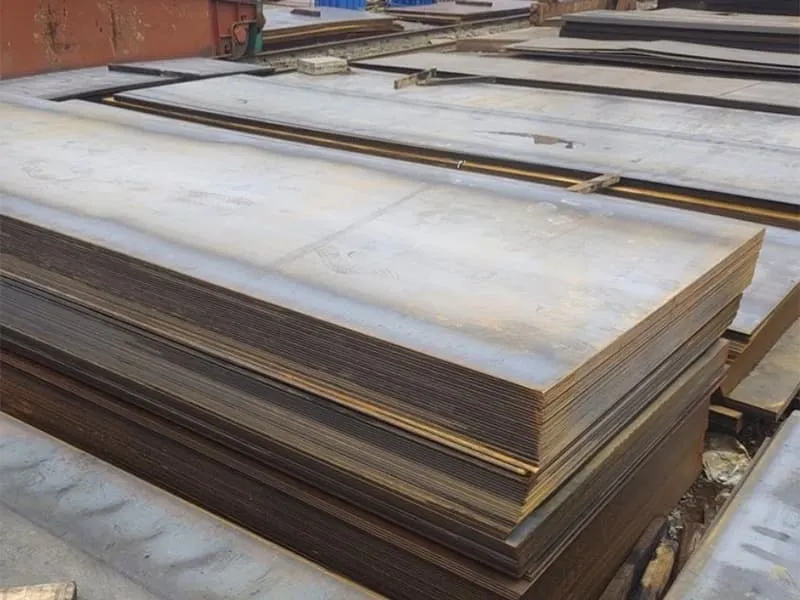
Steel Stack Thickness Considerations
Stacking steel plates involves balancing storage efficiency with material protection. Several factors determine the minimum practical thickness for stacking operations.
Handling and Transportation Requirements
Thin plates present handling challenges. Forklift handling requires minimum thickness1 for stability. Crane lifting needs adequate thickness for sling protection. Transportation vibrations can damage very thin plates. The minimum thickness1 for standard handling is typically 6mm. Thinner plates need special handling equipment and procedures.
Stack Height Limitations
Stack height decreases with reducing plate thickness. For 6mm plates, maximum stack height is about 1 meter. Thinner plates require lower stack heights. Very thin plates may stack only 10-20 pieces high. The weight distribution must prevent deformation of bottom plates. Excessive height causes permanent bending in thin sections.
Interleaving and Protection
Thin plates require protection between layers. Paper or plastic sheets prevent scratching. Wooden dunnage provides support and spacing. The interleaving material adds to stack height. Protection requirements increase handling time and costs. Without proper interleaving, thin plates stick together and damage surfaces.
Flatness and Deformation Concerns
Thin plates are prone to deformation during storage. Uneven support causes permanent bending. Temperature variations affect thin plates more significantly. Storage time influences deformation risks. The storage foundation must be perfectly level. Special racks may be necessary for very thin plates.
Weight Distribution Calculations
Stack design considers weight distribution. The bottom plate supports the entire stack weight. Thickness must adequate to prevent crushing deformation. Calculation methods determine maximum stack height. Safety factors ensure no damage during storage. The calculations consider plate size and strength properties.
Storage Environment Factors
Storage conditions affect minimum thickness1 requirements. Outdoor storage requires thicker plates for weather resistance. Indoor storage allows thinner minimums. Humidity control prevents corrosion between thin plates. Temperature stability reduces thermal stress issues. The storage method influences the practical thickness limit.
Stacking Guidelines by Thickness
| Plate Thickness | Maximum Stack Height | Interleaving Required | Special Handling |
|---|---|---|---|
| 3-5mm | 0.5 meter | Mandatory | Always |
| 6-10mm | 1.0 meter | Recommended | Sometimes |
| 11-20mm | 1.5 meters | Optional | Rarely |
| 21-50mm | 2.0 meters | Not required | Standard |
| 51mm+ | 2.5 meters | Not required | Standard |
We advise clients in Philippines and Myanmar on proper storage methods. Their material preservation benefits from appropriate stacking practices.
Conclusion
Understanding MOQ requirements and related factors helps optimize marine steel procurement. Proper planning ensures cost-effective purchasing while meeting project requirements and quality standards.
-
Understanding the minimum thickness is crucial for ensuring safe and effective storage of steel plates. ↩ ↩ ↩ ↩ ↩ ↩ ↩ ↩ ↩ ↩
-
Learn how raw material costs form the foundation of steel pricing and their impact on overall expenses. ↩ ↩ ↩
-
Discover the complexities of production costs and how they influence the final price of steel plates. ↩ ↩
-
Understand the significance of testing and certification in ensuring quality and compliance for marine applications. ↩ ↩
-
Gain insights into how supply and demand dynamics affect steel pricing in the global market. ↩ ↩
-
Explore the various additional costs that can impact the final pricing of steel plates, ensuring comprehensive budgeting. ↩ ↩