
When you run a shipyard, every steel piece matters. L-shaped steel forms the骨架 of vessels, but finding the right supplier feels like searching for a needle in a haystack. Many suppliers promise the world but fail on delivery. What do shipyards really need?
Shipyards expect marine L-shaped steel suppliers to deliver consistent quality, precise dimensions, high corrosion resistance, and on-time shipments. They also value clear communication, English-speaking support, and flexible third-party inspection options like SGS. These factors directly impact vessel safety and project timelines.
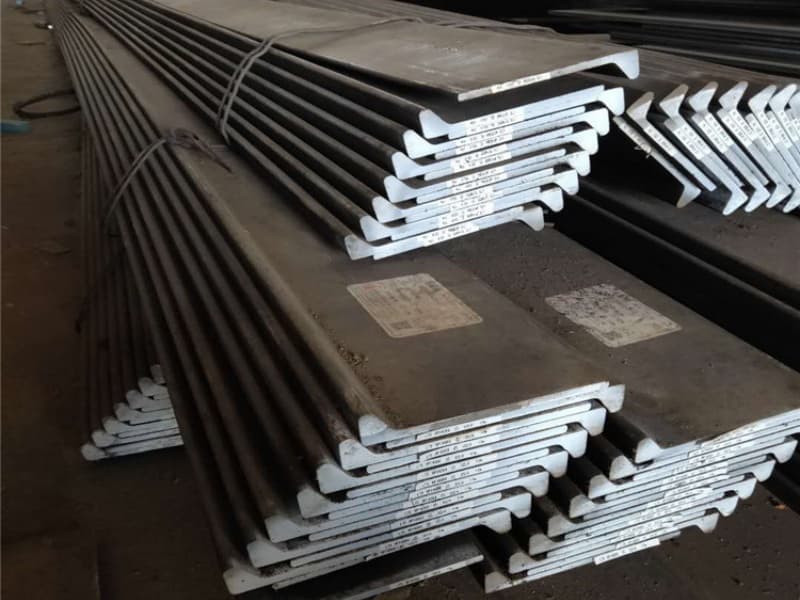
But why are these expectations so critical? Let’s break down the most common questions shipyards ask about marine steel. By understanding the answers, you will see how we, as a supplier, align with what shipyards truly need.
What is the most commonly used type of steel in ship hull construction?
Imagine a shipyard with thousands of steel plates and profiles. The steel that holds everything together must be strong, weldable, and reliable. Which type do they use most?
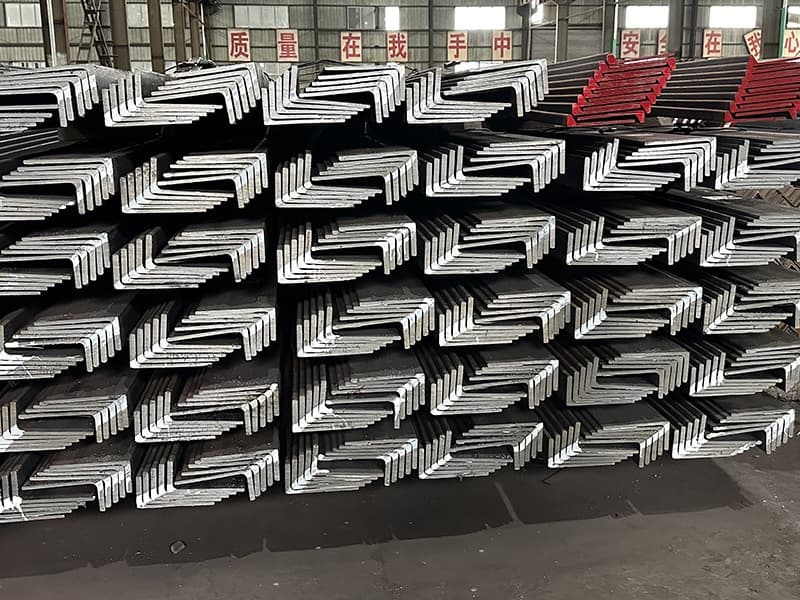
The most commonly used steel for ship hulls is carbon-manganese steel1. This includes ordinary-strength grades like A, B, D, and E, and high-strength grades such as AH32, AH36, DH36, and EH36. These steels offer the best balance of strength, weldability2, and cost for large structures.
Understanding the Grades and Why They Matter
When you work with shipyards, you hear these grade names daily. But why are they so popular? Let’s dive deeper.
1. Ordinary-Strength vs. High-Strength Steel
Ship hulls experience different stresses. The bottom plates face high pressure, while the upper decks have less. Ship designers choose steel grades based on these needs.
- Ordinary-strength steel (Grades A, B, D, E) has a minimum yield strength3 of 235 MPa. It is used for less critical areas or smaller vessels. Grade A is common for mild environments, while Grade E is for low-temperature service.
- High-strength steel (AH32, AH36, DH36, EH36) offers yield strengths from 315 MPa to 355 MPa. This allows shipbuilders to use thinner plates, reducing weight and increasing cargo capacity. AH36 is one of the most widely used grades in modern shipbuilding.
2. Key Properties Shipyards Check
Shipyards don’t just look at the name. They verify several properties to ensure safety:
- Yield Strength: The stress at which steel starts to deform. Higher strength means lighter structures.
- Tensile Strength: The maximum stress steel can withstand before breaking.
- Elongation: A measure of ductility. It tells how much the steel can stretch before fracture, which is vital for withstanding impacts.
- Toughness: The ability to absorb energy without fracturing, especially at low temperatures. This is critical for ships sailing in cold regions.
- Weldability: Steel must weld easily without cracking. Carbon equivalent (CEV) is a key indicator.
3. How L-Shaped Steel Fits In
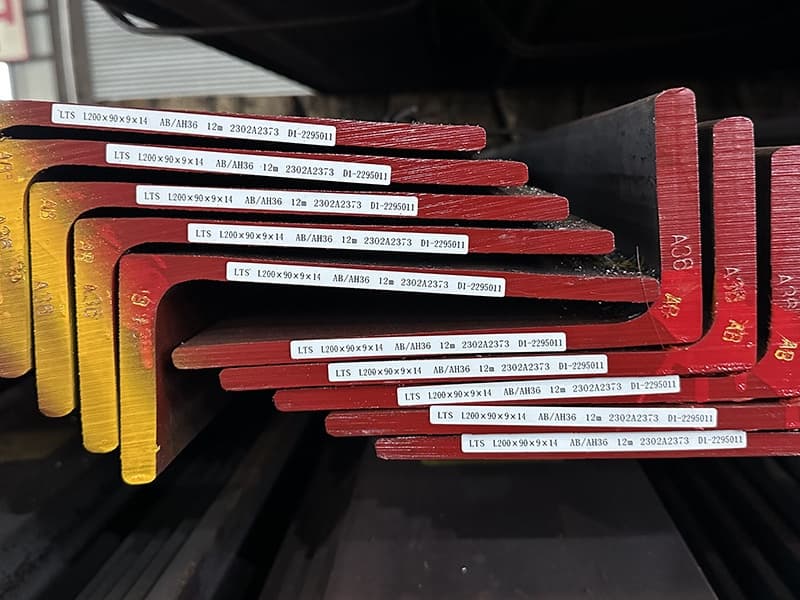
L-shaped steel, or angle steel, is used for frames, brackets, and stiffeners inside the hull. It is almost always made from the same grades as plates. For example, a shipyard building a bulk carrier will order L-shaped steel in AH36 to match the high-strength plates used for the hull.
4. Verification and Documentation
Shipyards expect full traceability. They require mill test certificates4 (MTC) that show the chemical composition and mechanical properties. They also often demand third-party inspection, like SGS, to confirm the steel meets classification society rules (ABS, DNV, LR, etc.). This is not a luxury; it is a necessity for insurance and safety.
In our experience with clients like Gulf Metal Solutions in Saudi Arabia, they previously suffered from inconsistent quality. Some suppliers sent steel with the right grade name but poor surface finish or wrong dimensions. That is why we always offer MTCs and support SGS inspection before shipment. It builds trust and ensures the steel performs as expected in the shipyard.
What are the 4 types of structural steel1?
In a shipyard, you see steel in many forms: beams, plates, bars, and profiles. But all these shapes come from a few basic types of structural steel. What are they?
The four main types of structural steel are carbon steel, high-strength low-alloy steel, heat-treated steel, and quenched and tempered steel. In shipbuilding2, carbon steel and high-strength low-alloy steel are the most common, especially for hull structures and L-shaped sections.
A Closer Look at Each Type and Its Shipbuilding Role
Knowing the four types helps shipyards choose the right material for each part of the vessel. Let’s examine each one.
- Description: This is the basic steel with iron and carbon as the main alloying elements. It is classified by carbon content: low (up to 0.3% C), medium (0.3-0.6% C), and high (above 0.6% C).
- Shipbuilding Use: Low-carbon steel (like Grade A) is used for secondary structures, interior bulkheads, and parts that don’t carry high stress. It is easy to weld and form.
- Limitations: It has lower strength and corrosion resistance compared to alloy steels.
2. High-Strength Low-Alloy Steel (HSLA)4
- Description: This steel contains small amounts of alloying elements like manganese, chromium, nickel, or vanadium to increase strength without adding much weight.
- Shipbuilding Use: HSLA grades such as AH36, DH36, and EH36 are the backbone of modern ship hulls. They offer high strength and good weldability. L-shaped steel for main frames and longitudinal stiffeners is almost always HSLA.
- Advantages: Allows thinner plates, reduces welding time, and improves fuel efficiency of the vessel.
- Description: This steel is heated and cooled in controlled ways to change its microstructure and improve properties like hardness or toughness.
- Shipbuilding Use: Used for specific high-stress components like rudder stocks, shaft brackets, or parts exposed to extreme wear. Not commonly used for general L-shaped sections.
- Considerations: Heat treatment adds cost and requires precise control.
4. Quenched and Tempered Steel6
- Description: A specialized heat treatment where steel is heated, rapidly cooled (quenched), and then reheated (tempered) to achieve very high strength and toughness.
- Shipbuilding Use: Used for critical military vessels, icebreakers, or very large container ships where extreme strength is needed. Grades like AQ43 or EQ56 fall into this category.
- Availability: Less common and more expensive. Shipyards typically order these only for specific projects.
Comparison Table for Shipbuilding Applications
| Type | Typical Grades | Yield Strength (MPa) | Main Ship Use | Cost Level |
|---|---|---|---|---|
| Carbon Steel | Grade A, B | 235 | Interior structures, non-critical parts | Low |
| HSLA | AH36, DH36, EH36 | 355 | Hull plates, L-shaped frames, decks | Medium |
| Heat-Treated | Various | 400-600 | Rudders, stern frames | High |
| Quenched & Tempered | AQ43, EQ56 | 550-700 | Icebreakers, naval ships | Very High |
As a supplier, we focus on HSLA grades like AH36 for L-shaped steel because that is what most commercial shipyards need. Our clients appreciate that we can provide consistent chemistry and mechanical properties, backed by mill certificates, so they can weld without issues.
What is the best steel for the marine environment?
Saltwater, waves, and humidity attack steel constantly. Ship hulls must survive decades in this harsh environment. So, what steel performs best?
There is no single "best" steel for all marine applications. The optimal choice depends on the location in the ship and the balance between corrosion resistance, strength, and cost. For general hull construction, high-strength low-alloy steel with protective coatings is the most practical. For areas with extreme corrosion risk, like ballast tanks, more resistant options like duplex stainless steel may be used.
Deep Dive: Factors That Determine the Best Choice
Shipyards and designers weigh many factors when selecting steel for marine use. Let’s explore them.
1. Corrosion Mechanisms in the Marine Environment1
- General Corrosion: Uniform thinning due to exposure to seawater and air.
- Pitting Corrosion: Localized holes that can penetrate the steel quickly.
- Galvanic Corrosion: Occurs when dissimilar metals are in contact in an electrolyte.
- Stress Corrosion Cracking: Cracks caused by the combination of tensile stress and a corrosive environment.
- Microbiologically Influenced Corrosion (MIC): Caused by bacteria in stagnant water areas.
2. Steel Options and Their Marine Performance
- Carbon Steel: The most common and cheapest. It corrodes at a predictable rate (about 0.1-0.2 mm per year in seawater) but requires protective coatings and cathodic protection (sacrificial anodes).
- HSLA Steel2 (with improved corrosion resistance): Some HSLA grades have small additions of copper, chromium, or nickel that slightly improve atmospheric corrosion resistance (similar to weathering steel). However, they still need coatings when submerged.
- Stainless Steel (Austenitic grades like 316L): Excellent corrosion resistance due to chromium and molybdenum. Used for piping, fittings, and deck equipment. Very expensive for hull structures.
- Duplex Stainless Steel3: Combines high strength with excellent corrosion resistance. Used for chemical tankers and offshore platforms.
- Aluminum Alloys: Lightweight and corrosion-resistant, used for superstructures of passenger ships and fast ferries.
3. Protective Measures Shipyards Rely On4
Because no steel is completely immune, shipyards use additional methods:
- Coatings: Epoxy, zinc-rich primers, and anti-fouling paints create a barrier.
- Cathodic Protection: Sacrificial anodes (zinc or aluminum) or impressed current systems protect the hull.
- Corrosion Allowance: Designers add extra thickness to account for expected corrosion over the ship’s life.
4. L-Shaped Steel in Corrosive Zones5
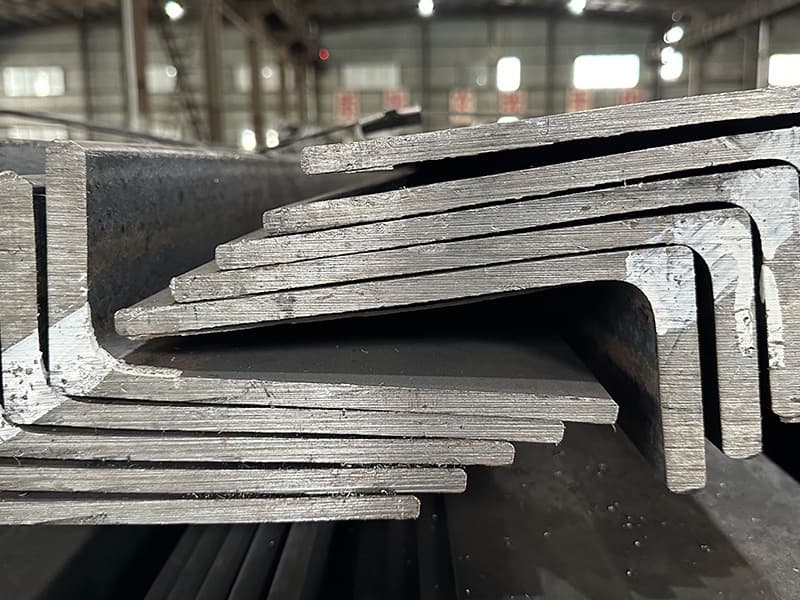
L-shaped steel is often used in ballast tanks and cargo holds, areas prone to corrosion and mechanical damage. Shipyards expect L-profiles to have a sound surface and be free of mill scale that can trap moisture. They also need the steel to accept coatings well. Our L-shaped steel comes with a clean surface and proper edge preparation to ensure paint adhesion.
5. Client Expectations and Verification6
Clients like Gulf Metal Solutions, who operate in the Middle East with high humidity and temperature, are very concerned about corrosion resistance. They inspect the steel for surface defects and often request SGS inspection to verify that the material meets the required standards. We provide samples and ensure that our steel’s surface condition is suitable for immediate coating after shot blasting.
In summary, the "best" steel for marine environment is a system: the right base material plus effective protection. We help shipyards by offering L-shaped steel with consistent quality and the documentation they need to certify their vessels.
What are four types of steel?
This question is broader, covering all steel classifications. For a shipyard buyer, understanding the basic types helps in communicating with suppliers and ensuring they order correctly.
The four main types of steel, based on composition, are carbon steel1, alloy steel2, stainless steel3, and tool steel4. In shipbuilding, we primarily deal with carbon steel and alloy steel (especially low-alloy grades) for structural components, while stainless steel appears in piping and hardware.
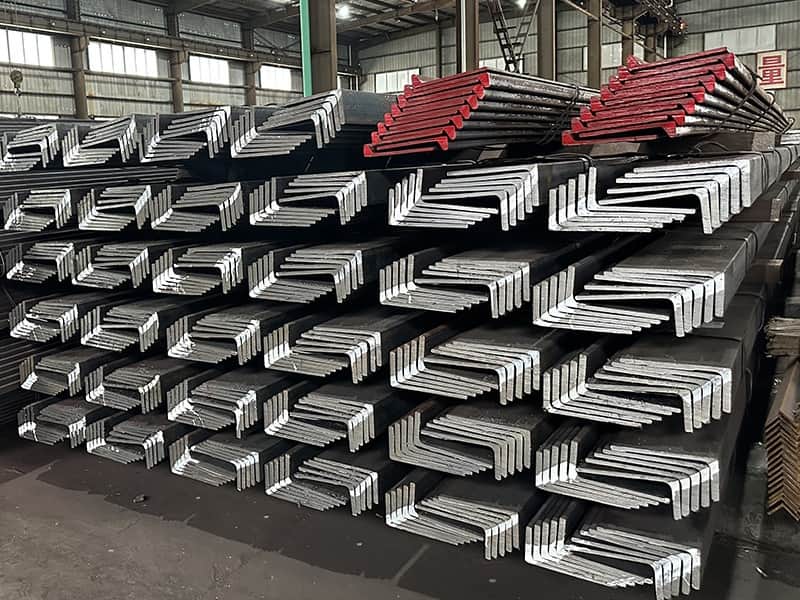
Expanding the Classification for Practical Use
Let’s examine each type in the context of a shipyard’s daily operations.
1. Carbon Steel
- Composition: Iron and carbon (up to 2.1% C). Manganese, silicon, and copper may be present in small amounts.
- Subtypes:
- Low-carbon (mild) steel: 0.6% C. Hard, used for springs, tools.
- Shipbuilding Role: Low-carbon steel is the workhorse for non-critical structures and profiles.
2. Alloy Steel
- Composition: Carbon steel plus intentional additions of elements like chromium, nickel, molybdenum, vanadium to enhance properties.
- Subtypes:
- Low-alloy steel: 5% alloy content. Includes stainless steels.
- Shipbuilding Role: HSLA for hull and frames; other alloys for propulsion components, rudders.
3. Stainless Steel
- Composition: At least 10.5% chromium, which forms a passive layer that resists corrosion. Often contains nickel and molybdenum.
- Common Grades in Marine:
- 304: General purpose, used for interior fittings.
- 316: Contains molybdenum, better resistance to chlorides, used for deck rails, piping, fasteners.
- Duplex (2205): Higher strength, excellent corrosion resistance, for chemical tankers.
- Shipbuilding Role: Not for main hull due to cost, but essential for exposed equipment and piping.
4. Tool Steel
- Composition: High carbon with alloying elements like tungsten, molybdenum, cobalt for hardness and wear resistance at high temperatures.
- Shipbuilding Role: Used to make tools for cutting, stamping, and forming steel plates in the shipyard. Not a material shipyards buy for the vessel itself.
- Why Mention It: It completes the four-type classification, but it’s irrelevant for hull construction.
Practical Implications for Shipyard Suppliers
When a shipyard buyer asks for "L-shaped steel," they assume it is carbon or low-alloy steel5 of a specific marine grade. They rarely think about tool steel. However, as a supplier, we must be precise. We always confirm:
- Grade: e.g., AH36, Grade A.
- Standard: e.g., ASTM A131, CCS, BV.
- Dimensions: leg length, thickness, length.
- Certification: Mill test report, third-party inspection if required.
Our experience with international clients shows that clear communication about the steel type prevents costly mistakes. For example, a buyer in Qatar once inquired about "L-shaped steel" but forgot to specify the grade. We asked clarifying questions and discovered they needed AH36 for a tanker project, not common Grade A. By paying attention to the four types and their subclasses, we helped them order correctly.
Conclusion
Shipyards expect more than just steel. They need a partner who understands grades, quality control, and documentation. By focusing on stable quality and responsive service, we help shipbuilders deliver safe, long-lasting vessels.
-
Explore this link to understand the properties and uses of carbon steel, crucial for shipbuilding. ↩ ↩ ↩ ↩
-
Learn about the advantages of alloy steel in shipbuilding, enhancing structural integrity and performance. ↩ ↩ ↩ ↩
-
Discover the various grades of stainless steel and their specific applications in marine environments. ↩ ↩ ↩ ↩
-
Find out how tool steel is utilized in shipyards for manufacturing tools and its importance in the industry. ↩ ↩ ↩ ↩
-
Understand the role of low-alloy steel in shipbuilding, particularly for hull and frame construction. ↩ ↩ ↩
-
Understanding client expectations can guide you in ensuring compliance and quality in marine steel production. ↩ ↩