
You see them everywhere in construction and shipbuilding, but do you know if they’re the same thing? Confusion between these two terms can lead to costly mistakes in sourcing and application. I want to clear this up for you right now.
The core difference lies in the context and standards. "Angle iron" traditionally refers to a specific, often lighter, form. "L-shaped steel" is the modern, broader technical term that includes various standardized profiles. Essentially, all angle iron is L-shaped steel, but not all L-shaped steel is called angle iron in professional settings.
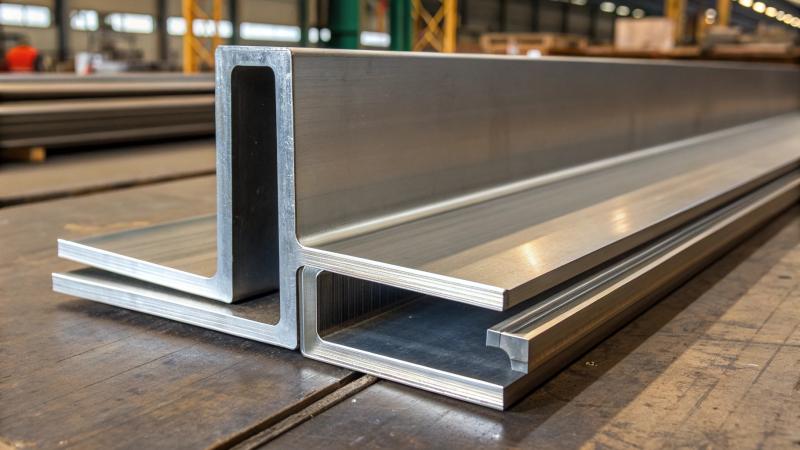
This is more than just a game of names. Choosing the right term helps you find the right material, get accurate quotes, and ensure your project’s structural integrity. Let’s break down the details to make sure your next purchase is spot-on.
What is the difference between L channel and angle iron?
Have you ever received a shipment labeled "L channel" when you ordered "angle iron"? This mix-up happens all the time. It often causes frustration and delays in projects, leaving buyers unsure if they got the correct product.
"L channel" and "angle iron" generally describe the same basic 90-degree profile. The difference is subtle and often regional or contextual. "Angle iron" is a very common, traditional name. "L channel" might be used to emphasize a specific, standardized structural shape, sometimes with more precise dimensional tolerances.
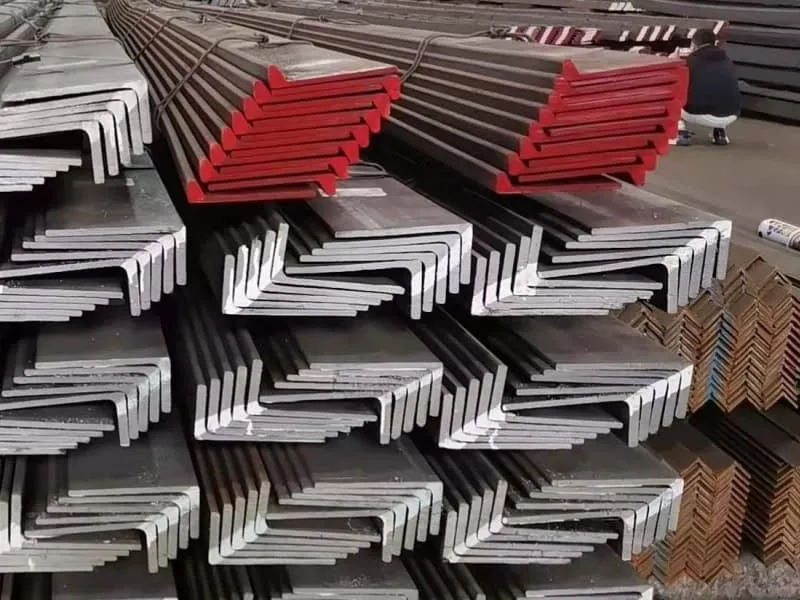
Diving Deeper: Untangling Terminology for Precise Procurement
The confusion between "L channel" and "angle iron" isn’t just about words. It’s about precision in an industry where millimeters and material grades matter. As a supplier, I see this confusion create real problems. A client might request "angle iron" but actually need a specific marine-grade L-section steel with certified impact properties for a ship’s hull. Using the vague term can lead to receiving a commercial-grade product unfit for the harsh marine environment.
Let’s structure this common point of confusion:
| Aspect | "Angle Iron" (Common Usage) | "L Channel" (Common Usage) | Key Insight for Buyers |
|---|---|---|---|
| Origin of Term | A historical term from when these were made from wrought iron. | A more modern, descriptive term focusing on the shape’s function. | "Angle iron" is outdated but deeply ingrained. "L channel" is clearer in technical drawings. |
| Technical Precision | Often used loosely for any 90-degree steel angle. | Sometimes implies a manufactured, standardized structural channel. | Always specify the exact standard (e.g., ASTM A36, EN 10056-1) and dimensions to avoid ambiguity. |
| Industry Context | Very common in general construction, workshops, and fabrication. | Frequently used in architectural, structural engineering, and detailed bill of materials. | Know your audience. Use "L section" or "L profile" in technical specs for global clarity. |
| Material Implication | Can sometimes imply a lighter, hot-rolled product. | Doesn’t specify material; it’s purely a shape description. | The name doesn’t guarantee grade. You must specify the steel grade (S235JR, A572-50, etc.) separately. |
From my experience, the most reliable approach is to move beyond these colloquial terms in your inquiries. Instead, use the language of international standards. For example, instead of asking for "angle iron," specify: "I need L-shaped steel, 100mm x 100mm x 10mm, according to standard JIS G3192, in grade SS400." This removes all guesswork. Our company, CN Marine Steel, deals with clients worldwide, from Vietnam to Saudi Arabia. We’ve learned that precise terminology is the first step to a successful partnership. It ensures we provide exactly what is needed, whether it’s for a skyscraper’s bracing or a critical component in an oil tanker.
Think of it this way: "Angle iron" is like asking for "a car." "L channel" is a bit more specific, like asking for "a sedan." But what you really need to communicate is the exact make, model, and specifications. In the steel world, those are the dimensions, tolerance, steel grade, and the relevant national or international standard. This precision saves time, prevents errors, and builds trust from the very first conversation.
Are L bar1 and angle bar2 the same?
You’re browsing supplier catalogs and see both "L bar1" and "angle bar2" listed. Your project manager is waiting for a material confirmation. Are these two items identical, or is there a hidden difference that could affect your budget and timeline?
Yes, in almost all practical scenarios, "L bar1" and "angle bar2" are different names for the same product: a long piece of steel3 with an L-shaped cross-section. The terms are interchangeable in the global market. The choice of word often depends on regional preference or a supplier’s internal catalog naming convention.
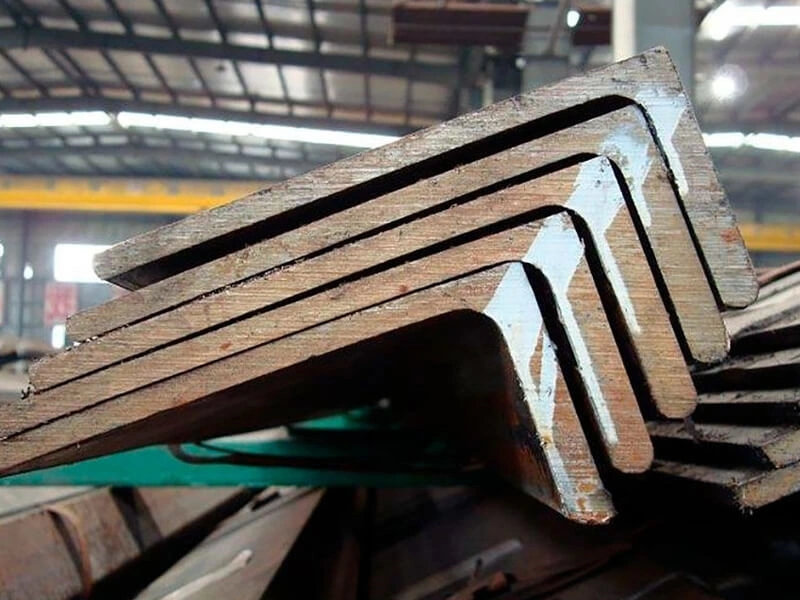
Diving Deeper: Navigating Global Synonyms for Efficient Sourcing
This is perhaps the simplest question with the most straightforward answer: they are the same. However, understanding why both terms exist is crucial for efficient global sourcing, especially in a B2B context like ours. As a Chinese supplier exporting to countries from Mexico to the Philippines, we see these terms used interchangeably every day.
The persistence of both terms is a lesson in industrial linguistics. "Angle bar" is very direct—it describes a bar that is angled. "L bar1" is equally direct, referencing the letter ‘L’ shape. There’s no technical distinction. The confusion arises when a buyer, used to one term, encounters a supplier who primarily uses the other. This can lead to unnecessary back-and-forth communication, slowing down the procurement process4.
To help you navigate this, here’s a breakdown of typical usage patterns:
| Region / Context | Preferred Term | Notes | Procurement Advice |
|---|---|---|---|
| North America | Angle Iron / Angle Bar | "Angle iron" is still very common. "Angle bar" is also widely used. | Use "angle bar2" in written inquiries for clarity. Be prepared to hear "angle iron" in conversation. |
| Europe & UK | L Section / L Profile / Angle | "Angle" is common. Metric standards (EN 10056) use "L" profiles (e.g., L 100x100x10). | Using "L section" with metric dimensions aligns perfectly with European technical norms. |
| Asia (General) | Angle Bar / L Bar | Both are used heavily. "Angle bar" is very prevalent in Southeast Asia. | In your RFQ, list both: "L Bar / Angle Bar." This shows understanding and catches all search terms in a supplier’s system. |
| Technical Drawings & Bills of Material | L Profile, L-Section | This is the most unambiguous language for engineers and architects worldwide. | For formal project documentation, always use "L" followed by dimensions (e.g., L 6" x 4" x 1/2"). |
| Online Search & Catalogs | Both | Suppliers optimize for both keywords. | Search for both terms to get the most comprehensive list of potential suppliers and price comparisons. |
My advice, drawn from daily interactions with clients like Gulf Metal Solutions in Saudi Arabia, is to lead with clarity. When you send an inquiry, use the most descriptive term possible. For example: "We are interested in your L-shaped steel3 bars (commonly called angle bar2s), specifically for marine applications5." This immediately bridges the terminology gap. It shows professionalism and ensures the sales team understands your need without hesitation.
Furthermore, in our business, we tag our products with both names in our database and on our website, cnmarine[steel](https://www.metalsupermarkets.com/different-types-steel-steel-grades/)[^3].com. This ensures that whether a project contractor in Qatar searches for "L bar1" or a wholesaler in Thailand searches for "angle bar2," they find our marine-grade products. The goal is to eliminate jargon as a barrier. The material is the same; the success of your project depends on the quality, specifications, and the supplier’s reliability, not the name you use to ask for it.
What is L-shaped steel1 called?
You need to order material, but your drawing says "L 150x90x12" and your procurement team is searching for "unequal angle2." Are they looking for the same thing? The variety of names can turn a simple purchase into a confusing puzzle.
L-shaped steel1 has many names, all correct in different contexts. Its most universal technical name is an "L-section3" or "L-profile." It is also commonly called angle iron4, angle bar5, L-bar, or L-channel6. The specific name often depends on the industry, country, and exact dimensional properties (like equal or unequal legs).

Diving Deeper: The Official Lexicon of L-Shaped Steel
L-shaped steel1 is the chameleon of the structural world—one shape, many identities. Knowing all its aliases is power. It allows you to communicate effectively with mills, traders, fabricators, and international suppliers. Let’s categorize these names to build your professional vocabulary.
The names fall into a few logical families:
-
The "Angle" Family: This is the oldest and most colloquial group.
- Angle Iron: The classic term, hinting at its historical roots in wrought iron. Still dominant in workshops and everyday speech.
- Angle Bar / Angle Steel: A more modern update, replacing "iron" with the correct material, "steel." Very common in general trade.
- Angle Section: A slightly more technical term used in some engineering contexts.
-
The "L" Family: This is the shape-descriptive and increasingly standard group.
- L-Shaped Steel: The clear, descriptive winner. It’s unambiguous.
- L-Section or L-Profile: The preferred terms in structural engineering, architecture, and formal standards (ASTM, EN, JIS). This is the language of technical drawings.
- L-Bar or L-Channel: Common in fabrication and retail catalogs. "Channel" sometimes implies a specific use or a slightly different edge detail.
-
The "Standard" Family: This is the official, precise language.
- Structural Steel Angle: The formal title in many standards documents.
- Rolled Steel Equal/Unequal Angle: A precise description of the manufacturing process (hot-rolled) and the leg dimensions.
To see how this works in practice, consider the table below, which maps the name to its typical source:
| What You Call It | Who Typically Uses This Name | When to Use It | Example in a Sentence |
|---|---|---|---|
| Angle Iron | Workshop foremen, older fabricators, casual inquiries. | In verbal, on-site conversations. Avoid in written specifications. | "We’ll need some angle iron4 for that support bracket." |
| L-Section (L 100x75x8) | Engineers, architects, draftsmen, ISO standards. | On technical drawings, in Bill of Materials (BOM), with international suppliers. | "The drawing calls for L 100x75x8 per EN 10056-1." |
| Angle Bar | General contractors, procurement officers, Southeast Asian markets. | In general purchase orders and when dealing with trading companies. | "Please quote for 20MT of 75x75x6mm angle bar5, A36 grade." |
| Structural Steel Angle | Mill certification documents, material test reports. | When reviewing quality documentation or mill certificates. | "The MTR confirms the Structural Steel Angle meets ASTM A572 Gr. 50." |
| Marine Angle Steel | Specialized suppliers like us (CN Marine Steel), shipyards. | When you need corrosion-resistant grades for marine applications. | "We source our Marine Angle Steel from certified mills for hull construction." |
The last row is critical. In our niche—supplying steel for shipbuilding, oil tankers, and port structures—the generic name isn’t enough. A client doesn’t just need "angle iron4"; they need "marine angle steel7" with specific chemical composition (like enhanced copper, chromium, or nickel for corrosion resistance) and often with normalized or controlled rolling. By using the specialized term, you immediately signal your high requirements and filter for suppliers who can meet them, like us. It transforms your inquiry from a commodity request into a technical specification, attracting the right level of service and expertise from your supplier.
What does l-angle mean?
You’ve decoded "L-section," but now a supplier’s quote mentions "L-angle1." Is this a new product, a typo, or just another twist in the naming maze? This hybrid term pops up often and deserves a clear explanation.
"L-angle1" is simply a combined shorthand for "L-shaped angle2." It merges the two most common families of names ("L" and "angle") into one compact term. It means exactly the same as L-section steel3 or angle bar4. It’s a convenient, non-technical term used in catalogs, casual communication, and some online product titles.
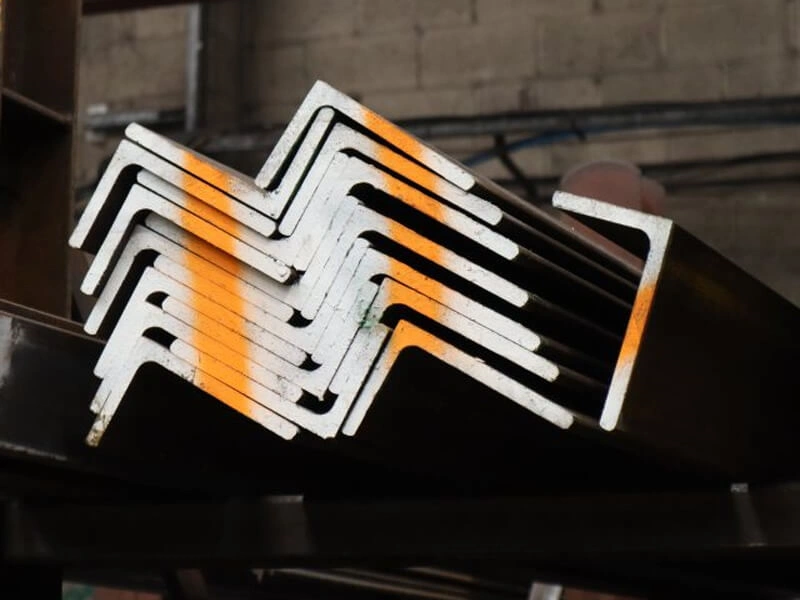
Diving Deeper: Decoding Hybrid Terms and Supplier Communication
The term "L-angle1" is a perfect example of how industrial language evolves for efficiency. It’s not defined in any formal standard like ASTM or EN. Instead, it’s a pragmatic, commercial term born from the daily need to communicate quickly and be found easily in online searches. As an exporter who manages digital marketing through Google Ads and SEO, I understand why this term exists: it captures search traffic from people using both "L" and "angle" in their queries.
Think of "L-angle1" as a bridge term. It’s useful, but you must know its limits. Here’s a critical breakdown:
| Communication Context | Is "L-angle1" Appropriate? | Why? | Better Alternative for Precision |
|---|---|---|---|
| Initial Online Search | Yes. | It’s a good broad keyword that will yield results from suppliers using either naming convention. | Also try "steel angle bar4" and "L section steel." |
| Product Title on a Website/Alibaba | Yes. | Suppliers use it to be found. E.g., "Hot Rolled L-Angle Steel for Construction." | Always look past the title to the product description and specifications. |
| Initial Email Inquiry to a Supplier | Acceptable, but vague. | It gets the point across but requires immediate follow-up with details. | "We are interested in L-angle1 steel, specifically marine-grade unequal angles5." |
| Formal Purchase Order / Contract | No. | It is too ambiguous for a legal document. It does not specify standards or tolerances. | Use the standard designation: "Structural Steel Angle, ASTM A709 Gr. 506, L 8" x 6" x 1/2"." |
| Technical Discussion with an Engineer | No. | It is considered imprecise jargon in engineering circles. | Use "L-section" or "L-profile" with the exact dimensions. |
The key takeaway is that "L-angle1" is a conversational or marketing term, not a technical one. Its usefulness ends where precision begins. When a serious buyer from Romania or Myanmar contacts us, they might start with "L-angle1," but the conversation quickly moves to specifics: dimensions, grade, standard, surface finish (e.g., pickled and oiled), length, and certification needs.
Let me share a insight from our case study with Gulf Metal Solutions. Their buyer, a rational and results-driven professional, didn’t just ask for "L-angle1." His initial inquiry specified the application (marine fabrication), the approximate size, and his need for SGS inspection support. This immediately elevated the discussion. We didn’t talk about names; we talked about solutions: which mill’s production run would match his quality needs, what shipping schedule to Dammam port worked best, and how we would handle the pre-shipment inspection. The term "L-angle1" was the entry point, but the shared language of specifications, logistics, and quality assurance sealed the deal.
Therefore, when you see "L-angle1," understand it as an invitation to a conversation. Your job as an informed buyer is to respond with the precise details that turn that general inquiry into a firm, error-proof order. This approach minimizes risk and builds the kind of reliable, long-term supplier relationship that every project needs.
Conclusion
The names—angle iron, L-bar, L-section—all point to the same essential shape. The real difference lies in using the right term to get the exact material your project demands.
-
Understanding the term ‘L-angle’ can help you navigate supplier communications and product specifications effectively. ↩ ↩ ↩ ↩ ↩ ↩ ↩ ↩ ↩ ↩ ↩ ↩ ↩ ↩ ↩ ↩ ↩ ↩ ↩
-
Explore the applications of L-shaped angles to see how they fit into various construction and engineering projects. ↩ ↩ ↩ ↩ ↩ ↩ ↩ ↩
-
Learn about L-section steel to understand its properties and applications in structural engineering. ↩ ↩ ↩ ↩
-
Discover the significance of angle bars in construction and how they are utilized in various projects. ↩ ↩ ↩ ↩ ↩ ↩
-
Find out why marine-grade unequal angles are essential for marine applications and their specifications. ↩ ↩ ↩ ↩
-
Gain insights into ASTM A709 Gr. 50 steel to understand its standards and applications in structural projects. ↩ ↩
-
Explore the unique properties of marine angle steel and its critical role in shipbuilding and marine structures. ↩