
A shipyard in Saudi Arabia recently switched to ABS certified bulb flat steel. The improvement in fabrication efficiency and quality was immediately noticeable.
ABS certified bulb flat steel is preferred by shipyards because it guarantees material quality, ensures regulatory compliance, and provides documented traceability. The certification from American Bureau of Shipping verifies the steel meets specific marine requirements for strength, toughness, and weldability in ship construction applications.
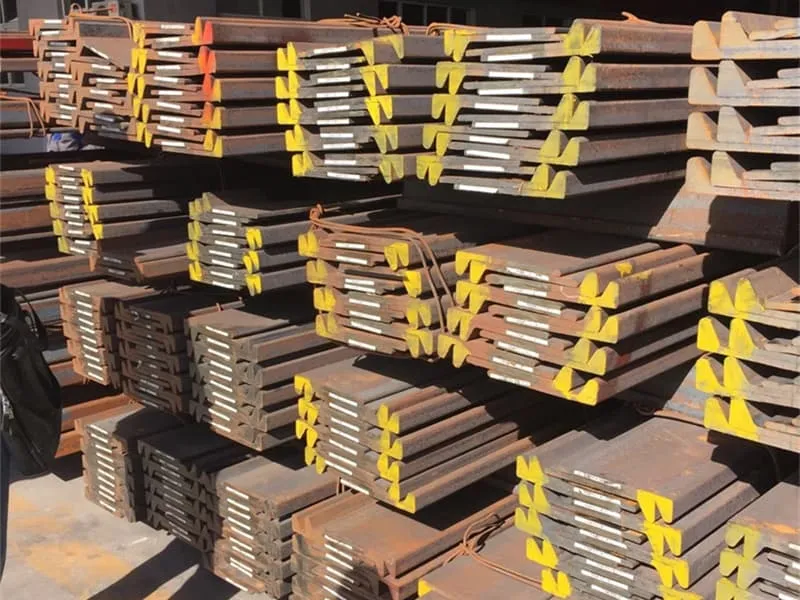
Understanding why ABS certification matters helps shipbuilders make informed material choices. Let me explain the advantages and applications.
What are flat bars1 used for in construction?
A contractor from Qatar asked about flat bar applications in their shipyard expansion. The versatility of flat bars1 surprised them.
Flat bars serve as connecting elements, reinforcement2 members, support brackets, and framing components in construction. In shipbuilding, they function as stiffeners, foundation supports, and structural connections, providing simple yet effective solutions for various fabrication and assembly requirements.
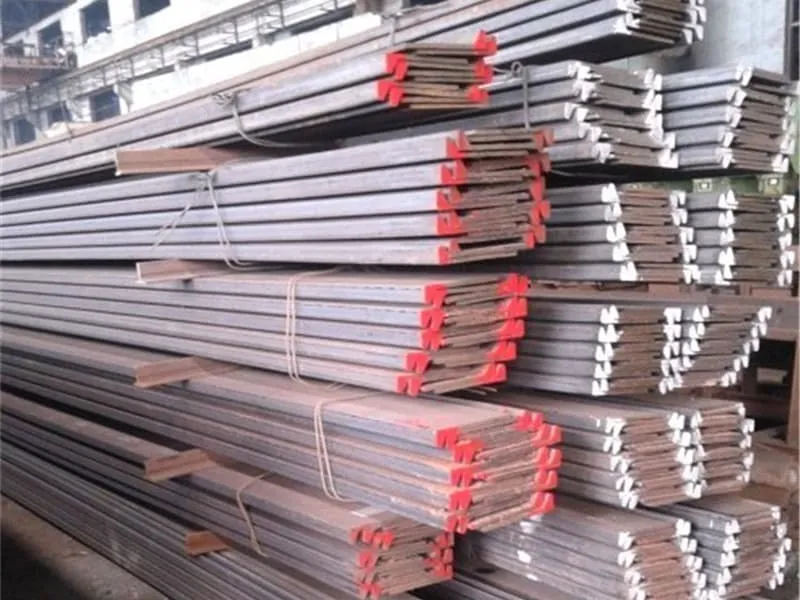
Comprehensive Flat Bar Applications
Flat bars represent one of the most versatile structural steel products. Their simple rectangular cross-section enables numerous applications across different industries and construction types.
Structural Framing and Bracing
Flat bars provide essential bracing in structural frameworks. They connect primary structural members like beams and columns. The bars transfer loads between different structural elements. They prevent buckling and provide lateral stability. The applications include building frames, industrial structures, and ship hulls. The simplicity makes them easy to fabricate and install.
Connection and Joining Elements
Flat bars serve as connection plates3 in structural joints. They distribute loads at beam-to-column connections. The bars provide welding surfaces for joining different members. They reinforce critical connection points against stress concentrations. The applications include moment connections, shear plates, and gusset plates. Proper sizing ensures joint integrity.
Reinforcement and Stiffening
Flat bars reinforce existing structures and components. They stiffen plates against buckling under compression. The bars local reinforcement2 around openings and cutouts. They strengthen areas subject to high stress concentrations. The applications include hull plating reinforcement2 and deck stiffening. The reinforcement2 improves structural performance and longevity.
Machinery and Equipment Support
Flat bars form bases and supports for mechanical equipment. They create mounting platforms for pumps, motors, and generators. The bars serve as machine foundations in industrial settings. They provide alignment and leveling surfaces for equipment installation. The applications include engine foundations and equipment bases. Proper design ensures stable equipment operation.
Architectural and Finishing Applications
Flat bars serve in architectural and finishing roles. They create trim elements and decorative features. The bars form handrails and guardrail components. They provide edges and finishing details in various structures. The applications include ship railings and architectural features. The aesthetic appeal complements functional requirements.
Temporary and Permanent Supports
Flat bars work for both temporary and permanent applications. They serve as temporary bracing during construction. The bars become part of permanent structures after completion. They provide shoring and support during assembly operations. The applications include construction staging and permanent bracing. The versatility supports various project phases.
Flat Bar Application Guide
| Application Type | Typical Sizes | Common Grades | Key Considerations |
|---|---|---|---|
| Structural Bracing | 50x6mm to 100x12mm | A36, S275 | Load transfer, connection design |
| Connection Plates | 75x8mm to 150x16mm | A36, S355 | Weldability, stress distribution |
| Reinforcement | 40x5mm to 80x10mm | Various | Compatibility with base material |
| Equipment Bases | 100x12mm to 200x20mm | A36, S275 | Vibration resistance, stability |
| Architectural | 25x3mm to 50x6mm | Stainless steel | Appearance, corrosion resistance |
We supply flat bars1 for various shipbuilding applications4. Clients in Vietnam and Philippines appreciate the versatility and reliability.
What are the advantages of flat bars?
A fabricator from Mexico compared flat bars with other steel sections. The advantages became clear during their ship construction project.
Flat bars offer simplicity in fabrication, ease of welding and connection, cost-effectiveness, availability in various sizes, and versatility in applications. Their rectangular cross-section provides uniform stress distribution and straightforward installation compared to more complex structural shapes.
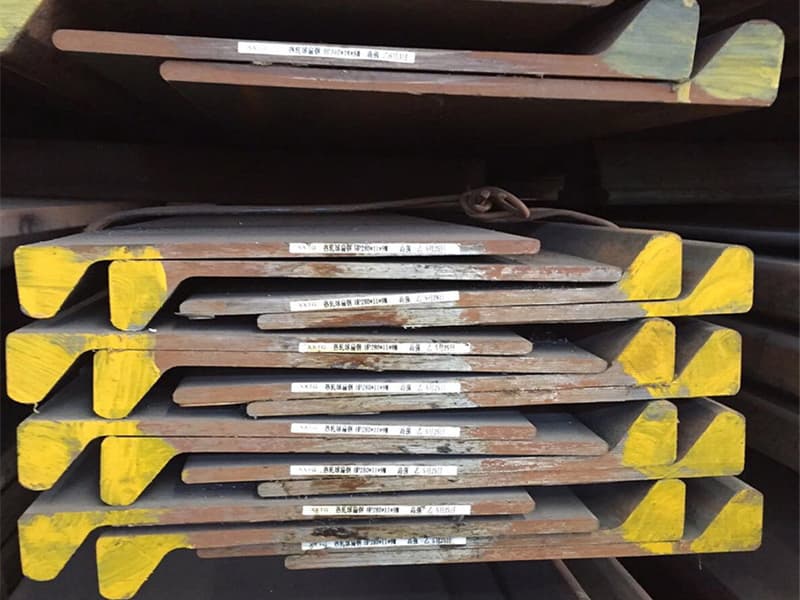
Comprehensive Advantage Analysis
Flat bars provide multiple benefits that make them preferred choices for many construction and fabrication applications. Each advantage contributes to their widespread use.
Fabrication Simplicity1
Flat bars have the simplest cross-sectional shape among structural steel products. This simplicity makes them easy to cut, drill, and shape. Fabricators can process them with basic equipment and skills. The straightforward geometry reduces fabrication time and costs. Modifications and adjustments are simple to implement during construction.
Welding and Connection Ease2
The flat surfaces facilitate easy welding and connection. Weld preparation requires minimal surface treatment. The uniform thickness ensures consistent weld quality. Connection design is straightforward with predictable behavior. The simplicity reduces welding time and inspection requirements. Repair and modification welding is equally straightforward.
Cost Effectiveness3
Flat bars typically have the lowest cost among structural steel sections. The simple manufacturing process reduces production costs. Material utilization is high with minimal waste. Handling and storage costs are lower due to stackability. The overall economy makes them attractive for budget-conscious projects.
Size Availability and Variety4
Manufacturers produce flat bars in extensive size ranges. Widths typically range from 20mm to 300mm. Thicknesses commonly span from 3mm to 50mm. Lengths are available from 6 meters to 12 meters. This variety supports diverse application requirements. Special sizes can be produced with reasonable lead times.
Versatility in Applications5
The simple shape supports countless applications. Flat bars serve structural, mechanical, and architectural purposes. They work as primary members or secondary components. The applications span from heavy industry to delicate instruments. This versatility reduces the need for multiple product types.
Stress Distribution Characteristics6
The rectangular cross-section provides uniform stress distribution. Load transfer occurs evenly across the section. Stress concentrations are minimized at connections. The behavior under load is predictable and reliable. This characteristic supports safe and efficient design.
Comparison with Other Sections
| Advantage | Flat Bars | Angles | Channels | T-bars |
|---|---|---|---|---|
| Fabrication Cost | Lowest | Low | Medium | Medium |
| Connection Simplicity | Highest | High | Medium | Low |
| Versatility | Highest | High | Medium | Low |
| Stress Distribution | Uniform | Good | Good | Fair |
| Availability | Excellent | Good | Good | Limited |
We recognize these advantages in our daily operations. Clients in Thailand and Malaysia benefit from flat bar applications in their projects.
What is steel flat bar used for?
A shipyard manager from Saudi Arabia needed to optimize their material usage. Understanding flat bar applications improved their procurement planning.
Steel flat bars are used for structural bracing, connection plates, machinery bases, reinforcement elements, and framing components. In shipbuilding, they serve as stiffeners for hull plating, foundation supports for equipment, and connection elements between structural members, providing reliable performance in marine environments.
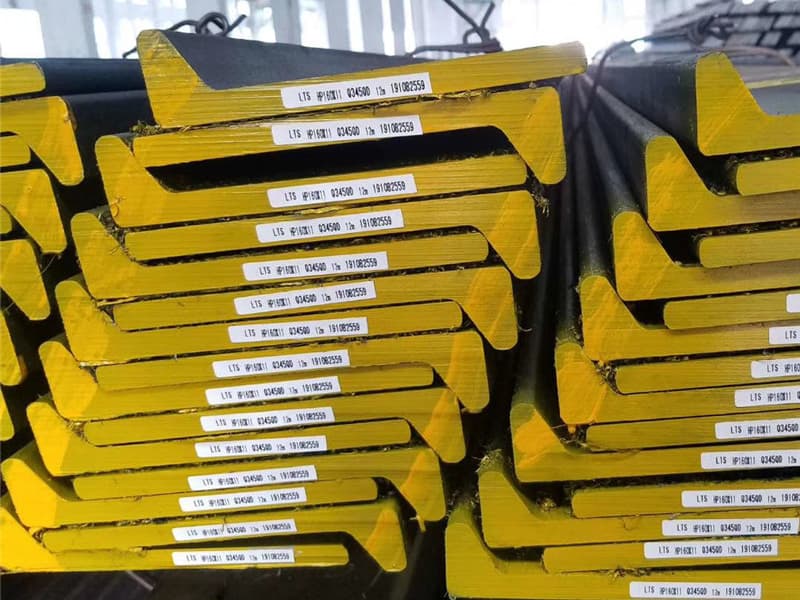
Detailed Application Analysis
Steel flat bars find applications across multiple industries due to their versatility and reliability. Each application leverages specific characteristics of the flat bar profile.
Shipbuilding Applications
Flat bars serve critical roles in vessel construction. They act as longitudinal and transverse stiffeners for hull plating. The bars reinforce deck plates and bulkheads against loading. They form foundation seats for machinery and equipment. The applications include engine foundations and pump bases. Proper selection ensures marine environment durability.
Industrial Machinery Support
Flat bars provide stable bases for industrial equipment. They create mounting platforms for heavy machinery. The bars serve as machine frames and support structures. They align and level equipment during installation. The applications include conveyor supports and processing equipment bases. The stability ensures reliable equipment operation.
Structural Reinforcement
Flat bars strengthen existing structures effectively. They reinforce areas around openings and cutouts. The bars provide additional support at stress concentration points. They stiffen plates against buckling under compression. The applications include bridge reinforcement and building strengthening. The reinforcement extends structure service life.
Connection and Joining Systems
Flat bars facilitate connections between structural members. They serve as gusset plates in truss connections. The bars act as splice plates in member extensions. They provide welding surfaces for complex joints. The applications include moment connections and shear transfer elements. Proper design ensures joint integrity.
Architectural and Construction Uses
Flat bars serve both structural and aesthetic purposes. They form handrails and guardrail systems. The bars create decorative elements and trim features. They provide edges and finishing details in buildings. The applications include staircase components and architectural accents. The versatility supports creative designs.
Temporary Structures and Support
Flat bars work well in temporary applications. They serve as shoring and bracing during construction. The bars form temporary work platforms and access structures. They provide support during assembly and erection operations. The applications include construction staging and temporary reinforcement. The reusability adds value.
Flat Bar Application Specifications
| Application | Typical Size Range | Common Grade | Special Requirements |
|---|---|---|---|
| Hull Stiffeners | 75x10mm to 200x16mm | AH36 | ABS certification, corrosion resistance |
| Machinery Bases | 100x12mm to 250x20mm | A36 | Flatness, drilling precision |
| Connection Plates | 50x6mm to 150x12mm | S275 | Weldability, dimensional accuracy |
| Reinforcement | 40x5mm to 100x10mm | Various | Compatibility, weldability |
| Architectural | 30x3mm to 60x6mm | Stainless 304 | Surface finish, corrosion resistance |
We supply flat bars for all these applications. Our clients receive materials tailored to their specific requirements.
What are the three types of steel bars?
A new engineer from Philippines needed to understand steel bar classifications. The knowledge helped their material selection process.
The three main types of steel bars are reinforcing bars (rebar) for concrete construction, merchant bars including angles, channels, and flats for structural fabrication, and special purpose bars designed for specific applications like shipbuilding or machinery components with enhanced properties.
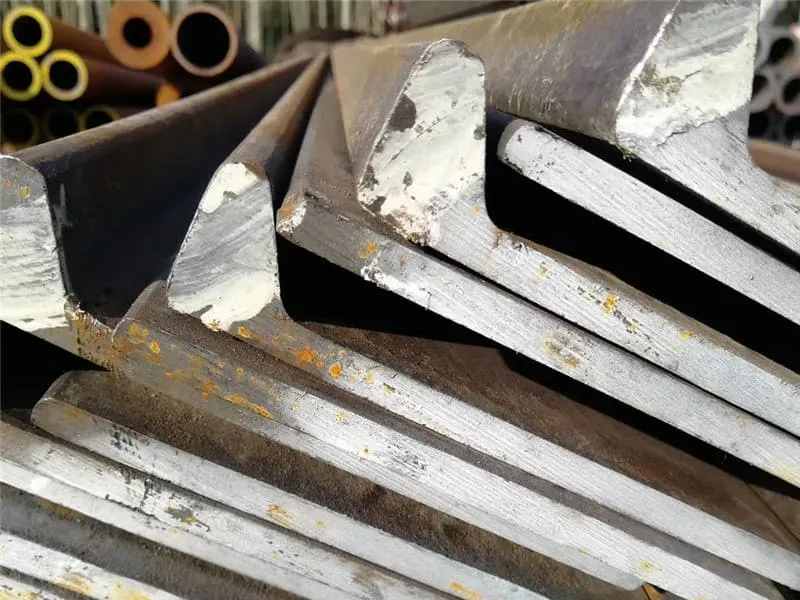
Comprehensive Steel Bar Classification
Steel bars are categorized based on their manufacturing process, intended use, and specific properties. Understanding these categories helps in proper material selection and application.
Reinforcing Bars (Rebar)
Reinforcing bars are designed for concrete construction. They have surface deformations for better bond with concrete. Grades typically range from 40 to 75 yield strength. Sizes commonly span from 10mm to 40mm diameter. The bars resist tensile forces in concrete structures. Applications include buildings, bridges, and infrastructure projects.
Merchant Bars
Merchant bars encompass various structural shapes. This category includes angles, channels, flats, and rounds. The products serve general construction and fabrication needs. Sizes and grades cover wide ranges for different applications. The bars are hot-rolled for consistent properties. Applications include structural frameworks and mechanical components.
Special Purpose Bars
Special bars are engineered for specific applications. Marine grades have enhanced corrosion resistance and toughness. Alloy bars offer superior strength and wear resistance. Stainless steel bars provide corrosion resistance for harsh environments. These bars meet strict specifications and testing requirements. Applications include shipbuilding, machinery, and specialized structures.
Manufacturing Process Differences
Different bars undergo specific manufacturing processes. Rebars are hot-rolled with controlled cooling for properties. Merchant bars are hot-rolled to standard shapes and sizes. Special bars may involve additional heat treatment or processing. The manufacturing method affects the final properties and performance. Understanding processes helps in application selection.
Grade and Specification Variations
Each bar type follows different grade systems. Rebars use yield strength-based grading like Grade 60. Merchant bars employ structural steel grades like A36. Special bars have application-specific specifications like ABS grades. The grading systems ensure appropriate property levels. Proper grade selection ensures application success.
Application-Specific Considerations
Different bars suit different applications. Rebars work exclusively in concrete construction. Merchant bars serve general structural fabrication. Special bars address specific performance requirements. The selection considers load conditions, environment, and service life. Proper application ensures optimal performance and safety.
Steel Bar Type Comparison
| Bar Type | Main Applications | Typical Grades | Key Properties |
|---|---|---|---|
| Reinforcing Bars | Concrete structures | Grade 40, 60, 75 | Bond strength, ductility |
| Merchant Bars | Structural fabrication | A36, S275, S355 | Weldability, formability |
| Special Purpose | Specific applications | ABS AH36, Stainless | Enhanced properties |
| Alloy Steel | Machinery, tools | 4140, 4340 | Strength, hardenability |
| Stainless Steel | Corrosive environments | 304, 316 | Corrosion resistance |
We supply all types of steel bars for various applications. Our expertise helps clients select the right products for their projects.
Conclusion
ABS certified bulb flat steel provides guaranteed quality and performance for shipbuilding applications. Understanding flat bar advantages and types supports informed material selection and optimal project outcomes.
-
Understanding fabrication simplicity can help you optimize your construction processes and reduce costs. ↩ ↩ ↩ ↩
-
Exploring welding ease can enhance your knowledge of efficient construction techniques and improve project outcomes. ↩ ↩ ↩ ↩ ↩
-
Discovering cost effectiveness can guide budget decisions and maximize project efficiency. ↩ ↩
-
Learning about size availability can help you select the right materials for diverse applications. ↩ ↩
-
Understanding versatility can inspire innovative uses of flat bars in your projects. ↩
-
Exploring stress distribution can enhance your design safety and structural integrity. ↩