
You are designing a new container ship. You need a material that is strong, lightweight, and tough enough for ocean storms. The choice of stiffener is critical. One material stands out for balancing all these needs perfectly.
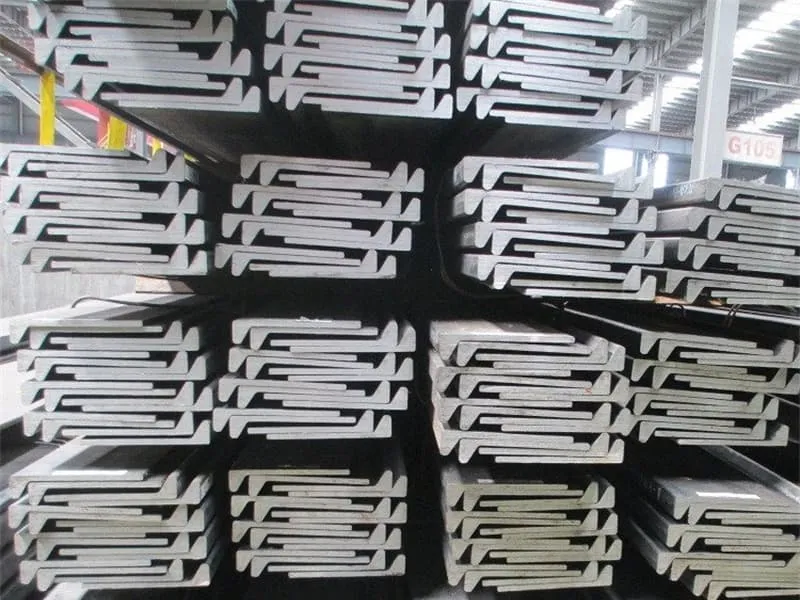
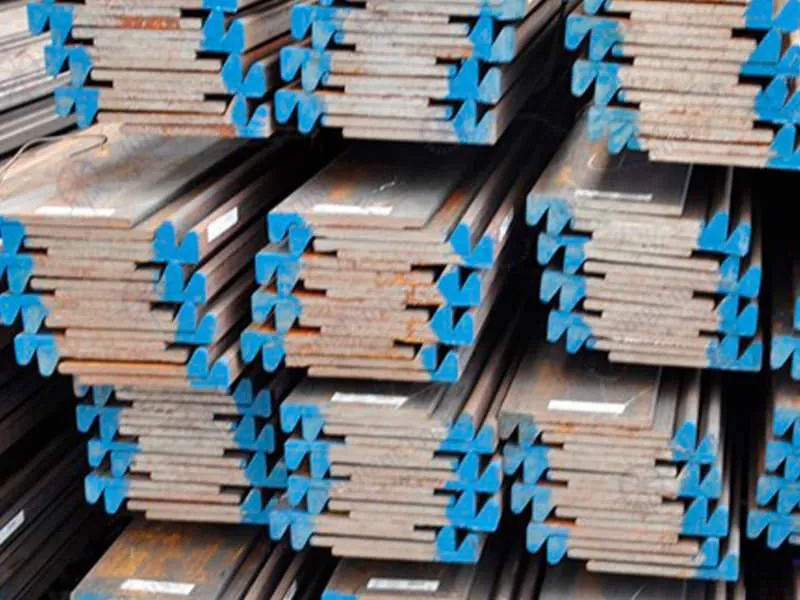
AH36 bulb flat steel is popular because it combines high strength, good toughness at low temperatures, and excellent weldability. Its unique bulb profile provides maximum stiffness with minimum weight, making it the ideal choice for longitudinal stiffeners and frames in modern ship hulls.
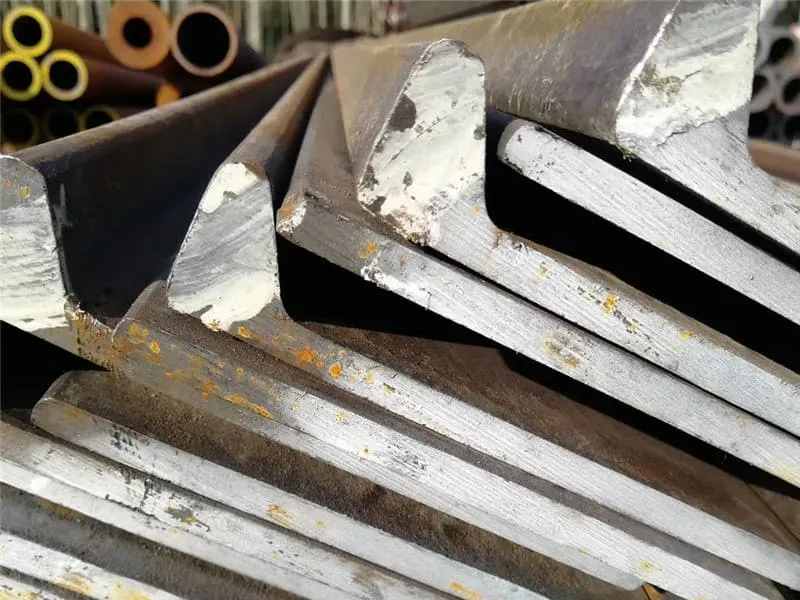
The popularity of AH36 bulb flat is not an accident. It is the result of years of naval architecture evolution. Shipbuilders face constant pressure to reduce vessel weight for fuel efficiency while maintaining safety. I work with shipyards across Asia and the Middle East. They consistently choose AH36 bulb flat for critical applications. Let’s explore the specific reasons behind this preference, starting with the broader question of marine steel selection.
What is the best steel for ship building?
There is no single "best" steel for all ships. The best choice depends on the ship’s type, size, and the specific structural part. However, for the primary hull structure, high-strength, low-alloy (HSLA) steels with good toughness are the top category.
The best steel for shipbuilding is a marine-grade steel that offers the right balance of strength, toughness, weldability, and corrosion resistance for its location on the vessel. For main hull plates and key stiffeners, grades like AH36, DH36, and EH36 are considered optimal for most commercial vessels.
Evaluating "Best" in a Demanding Environment
Calling a steel the "best" requires looking at multiple competing demands. A ship is a massive, moving structure that faces fatigue, impact, and corrosive seawater. The steel must perform in all these conditions.
First, we must define the criteria for "best." For shipbuilding steel, four properties are non-negotiable:
- High Yield Strength: This determines how much load the steel can carry before it permanently deforms. Higher strength allows for thinner, lighter plates and stiffeners, reducing the ship’s weight.
- Good Toughness (Impact Resistance): Ships sail in cold waters. The steel must not become brittle and crack under impact loads, like slamming waves. This is measured by Charpy V-notch impact tests at low temperatures.
- Excellent Weldability: A ship is essentially a giant welded structure. The steel must be easy to weld without developing cracks in the heat-affected zone. This depends heavily on the chemical composition, especially the Carbon Equivalent (CE) value.
- Corrosion Resistance: While painting and coatings provide primary defense, the base steel’s resistance to seawater corrosion is important for longevity.
Second, the "best" steel changes for different parts of the ship. The stresses are not uniform.
- Strength-Driven Areas: The keel, bottom plating, and upper deck are under high tension or compression. Here, high-strength steels like AH36/DH36 are best.
- Toughness-Driven Areas: The side shell in cold regions and impact-prone areas need steel with superior low-temperature toughness, like DH36 or EH36.
- Standard Areas: For internal bulkheads or non-critical structures, ordinary strength shipbuilding steel (Grade A) may be sufficient and more cost-effective.
Third, let’s compare common "best" options. The "A/D/E" hierarchy in grades like AH36 is key. ‘A’ stands for ambient temperature toughness, ‘D’ for improved low-temperature toughness, and ‘E’ for the best low-temperature toughness. ‘H’ means high strength, and ’36’ means a minimum yield strength of 355 MPa (36 kgf/mm²).
Here is a table comparing typical applications:
| Ship Area / Component | Typical "Best" Steel Grade | Primary Reason for Choice |
|---|---|---|
| Bottom Shell Plating | AH36 or DH36 Plate | High strength to withstand water pressure and global bending loads. |
| Deck Plating (Midship) | AH36 Plate | High strength to resist tensile/compressive stresses from hull bending. |
| Side Shell (in cold zones) | DH36 or EH36 Plate | Superior low-temperature toughness to resist impact from ice or waves. |
| Longitudinal Stiffeners & Frames | AH36 Bulb Flat | High strength-to-weight ratio; provides efficient stiffening to plates. |
| Internal Bulkheads | Grade A or B Steel | Lower stress area; cost-effectiveness is a priority. |
| Superstructure | Grade A or AH32 Steel | Moderate strength requirements; lower weight is beneficial for stability. |
From our supply experience, the "best" steel is also the one that is reliably available with full certification. A shipyard in Vietnam building bulk carriers will standardize on AH36 for most hull components. They choose it because it offers a proven balance. It is strong enough to meet classification society rules for scantlings (dimensions). It is also readily produced by major mills. When we supply AH36 bulb flat, we ensure the mill test certificates show compliance with ABS, DNV, or LR rules. This reliability is what makes it the best practical choice for serial production.
What grade of steel is used in shipbuilding?
Shipbuilding does not use just one grade of steel. It uses a family of grades defined by international standards and classification society rules. These grades form a systematic toolkit for naval architects.
The primary grades used in shipbuilding are defined by classification societies like ABS, DNV, and LR. They range from Ordinary Strength steels (Grades A, B, D, E) to High Strength steels (Grades AH32/36, DH32/36, EH32/36). The numbers 32 and 36 refer to the yield strength in kgf/mm².
The Systematic World of Ship Steel Grades
Understanding shipbuilding steel grades is like learning a code. This code tells you exactly what the steel is capable of. Let’s break down the naming convention and the logic behind the system.
First, the foundation is the "Grade" letter. This letter primarily indicates the level of toughness and the testing temperature.
- Grade A: This is basic mild steel for shipbuilding. It has no required impact toughness test. It is used for non-critical parts inside the ship where temperatures are not low.
- Grade B: A notch tougher than Grade A. It requires an impact test, but at a higher (less cold) temperature than D or E.
- Grade D: This grade offers improved low-temperature toughness. It is required for thicker plates and for structures in cold environments.
- Grade E: This offers the highest level of low-temperature toughness. It is used in the most critical areas, like large tankers or ships operating in Arctic waters.
Second, the "H" designation and the number indicate strength. When you see an ‘H’ in the grade, it means "High Strength."
- AH32 / DH32 / EH32: High Strength steel with a minimum yield strength of 315 MPa (32 kgf/mm²).
- AH36 / DH36 / EH36: High Strength steel with a minimum yield strength of 355 MPa (36 kgf/mm²).
So, AH36 means: A (ambient temperature toughness grade), H (high strength), 36 (355 MPa yield strength). DH36 would be the same strength but with the improved low-temperature toughness of Grade D.
Third, these grades are governed by strict rules. They are not just chemical recipes. They are part of the "Rules for Materials and Welding" published by each classification society (IACS members). A steel mill must be approved by the society to produce these grades. Each batch of steel must be tested and certified to prove it meets all the mechanical and chemical requirements. This system ensures global consistency and safety.
To see the full picture, here is a detailed table of common shipbuilding grades:
| Standard Grade Designation | Yield Strength Min (MPa) | Toughness Level & Test Temperature | Typical Carbon Equivalent (CE) Max | Common Applications |
|---|---|---|---|---|
| Grade A | 235 | No mandatory impact test. | ~0.40 | Internal bulkheads, secondary structures. |
| Grade D | 235 | Improved toughness. Tested at -20°C. | ~0.40 | Thicker plates, side shells for general routes. |
| Grade E | 235 | Highest toughness. Tested at -40°C. | ~0.40 | Critical zones of large tankers, ice-going vessels. |
| AH32 | 315 | Ambient temperature toughness. | ~0.40 | High strength plates for decks/bottoms in moderate climates. |
| DH32 | 315 | Improved toughness. Tested at -20°C. | ~0.40 | High strength plates for use in colder waters. |
| EH32 | 315 | Highest toughness. Tested at -40°C. | ~0.40 | High-strength applications in very cold environments. |
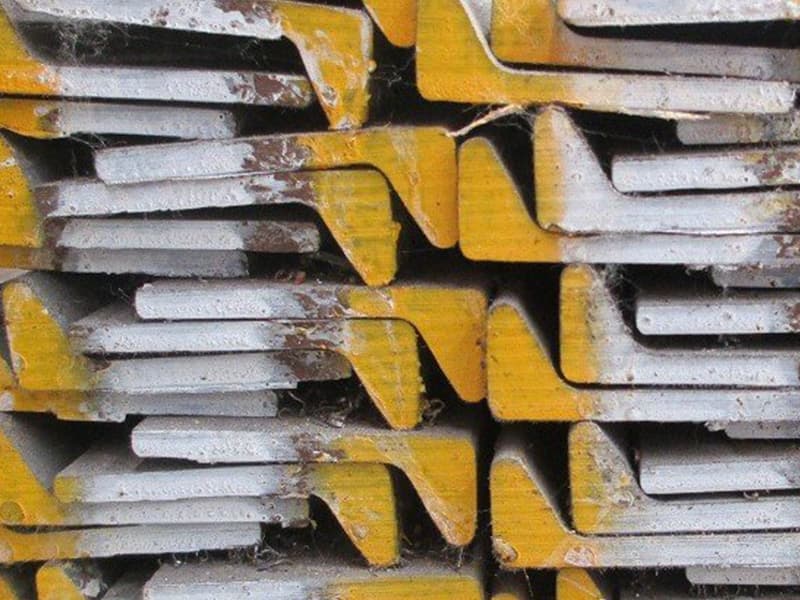
| AH36 | 355 | Ambient temperature toughness. | ~0.41 | Most popular for hull plating and bulb flats in commercial ships. |
| DH36 | 355 | Improved toughness. Tested at -20°C. | ~0.41 | Hull plating for ships on Arctic routes. |
| EH36 | 355 | Highest toughness. Tested at -40°C. | ~0.41 | Most demanding high-strength applications. |
In practice, AH36 finds the widest use. Why? Most commercial vessels (container ships, bulk carriers, oil tankers) operate on routes where the seawater temperature rarely drops to the extreme levels requiring ‘D’ or ‘E’ grade toughness. The jump from 235 MPa (Grade A) to 355 MPa (AH36) is significant. It allows for about a 24% reduction in plate thickness for the same strength. This weight saving is directly translates to higher cargo capacity or lower fuel consumption. For bulb flats, using AH36 means the stiffeners can be smaller or spaced farther apart, further reducing weight and welding work. This is the economic and engineering logic that makes AH36 the workhorse grade.
Which type of steel is most commonly used in shipbuilding due to its strength and durability?
Strength and durability are the top priorities for a ship’s hull. Among the many types, one specific category is chosen most often for the primary structure because it delivers both.
High-strength, low-alloy (HSLA) steel is the most common type in modern shipbuilding for strength and durability. Specifically, normalized-rolled HSLA steels like AH36 provide an excellent combination of increased yield strength and good toughness, ensuring the hull can withstand heavy loads and harsh sea conditions for decades.
Why HSLA Steel Dominates the Hull
The term "type" here refers to the metallurgical category, not just the grade. Understanding why HSLA steel is the industry standard requires looking at its advantages over plain carbon steel.
First, let’s define HSLA steel. It is a type of steel that provides better mechanical properties than standard carbon steel. It achieves this through precise control of small amounts of alloying elements like niobium (Nb), vanadium (V), titanium (Ti), and aluminum (Al). These elements are added in very small quantities (usually less than 0.1% each). They work by forming fine carbides or nitrides and by refining the grain structure of the steel. This process increases strength without severely harming weldability or toughness.
Second, we compare it to the alternative: ordinary carbon-manganese steel. Ordinary steel (like Grade A) gets its strength mainly from carbon and manganese content. To get higher strength, you would need to increase carbon. But high carbon makes steel very hard to weld and prone to cracking. It also reduces toughness. HSLA steel takes a smarter path. It uses micro-alloying to achieve strength through grain refinement and precipitation strengthening. This allows for a lower carbon content, which preserves weldability and toughness.
The "durability" aspect is crucial. Durability in shipbuilding means resistance to fatigue and brittle fracture over a 25+ year lifespan.
- Fatigue Resistance: Ships flex in waves, creating cyclic stresses. HSLA steels generally have better fatigue performance due to their finer, more uniform microstructure.
- Brittle Fracture Resistance: This is where toughness comes in. The fine grain structure of HSLA steel, especially when delivered in the normalized condition, provides a high resistance to crack propagation. This is why grades like DH36 and EH36 are HSLA steels designed for the toughest conditions.
Third, the manufacturing process for shipbuilding HSLA steel is typically "normalizing rolling" or "thermomechanical rolling." This is a controlled hot-rolling process. The steel is rolled within a specific temperature range to achieve the desired fine grain size. For the highest grades, the steel may undergo a separate normalizing heat treatment after rolling. This process ensures the toughness properties are consistent throughout the thick plate.
Here is a comparison of steel types for hull construction:
| Steel Type | Key Characteristics | Advantages for Shipbuilding | Disadvantages / Limitations |
|---|---|---|---|
| Ordinary Carbon Steel (e.g., Grade A) | Higher carbon for strength, simple composition. | Low cost, adequate for non-critical parts. | Lower strength-to-weight ratio. Poor toughness in thick sections. Not suitable for primary hull. |
| High-Strength Low-Alloy (HSLA) Steel (e.g., AH36) | Micro-alloyed, controlled rolling, fine grain structure. | High strength with good toughness. Excellent weldability. Good fatigue resistance. | Higher cost than ordinary steel. Requires strict process control during production. |
| Quenched & Tempered (Q&T) Steel | Very high strength (yield ≥ 460 MPa). | Extremely high strength for specialized, weight-critical applications. | Very high cost. More challenging welding procedures required. Risk of heat-affected zone softening. |
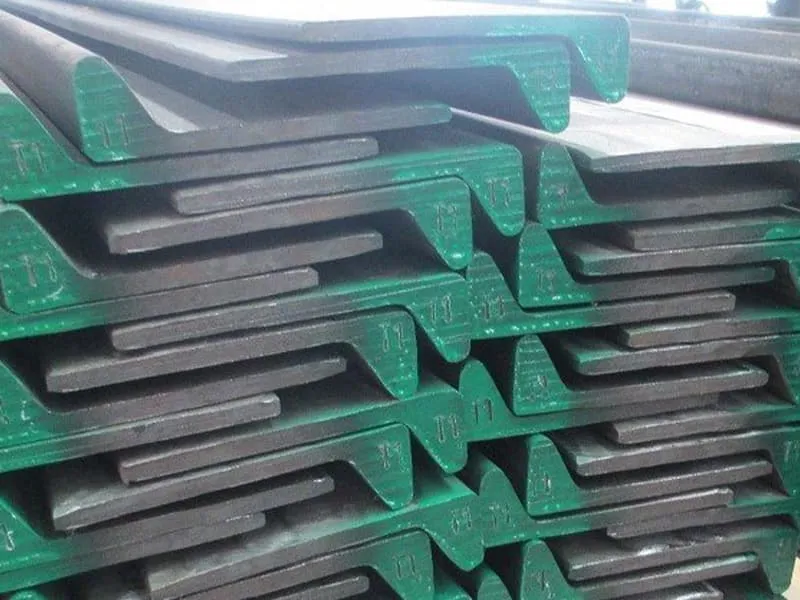
In the real world, AH36 HSLA steel is the default choice. A shipyard in Mexico building an oil tanker will use AH36 plates for the hull. They will use AH36 bulb flats for the stiffeners. This creates a homogeneous structure. The welds between the plate and the stiffener are consistent and reliable. The entire assembly has a predictable, high level of strength and durability. When we supply this material, the mill test certificate confirms it is HSLA steel produced by thermo-mechanical controlled process (TMCP). This is the guarantee of durability that shipowners and classification societies demand.
What materials are commonly used in shipbuilding and why?
A modern ship is a complex assembly of many materials. Steel is the king, but other materials play vital supporting roles. Each material is chosen for a specific set of properties that suit its job on the vessel.
The most common material in shipbuilding is steel, specifically marine-grade steel, for the hull and structure due to its strength, toughness, and weldability. Aluminum alloys are used for superstructures to reduce weight. Composites and specialized coatings are used for insulation, corrosion protection, and interior fittings.
The Material Ecosystem of a Ship
Building a ship is like building a floating city. You need materials for the skeleton, the skin, the insulation, and the interiors. Let’s look at the most common ones and the clear reasons for their use.
1. Structural Materials: The Bones and Skin
- Marine Steel (AH36, DH36, etc.)1: As discussed, this is the primary material. Why? It has the optimal balance of high strength, good toughness, ease of fabrication (cutting, welding), and relatively low cost per ton of strength. No other material matches this combination for the main hull.
- Aluminum-Magnesium Alloys (5000 & 6000 series)2: These are used for upper decks, superstructures (the cabin block), and interiors on some ferries and warships. Why? Aluminum is about one-third the density of steel. Using it for high-up structures lowers the ship’s center of gravity, improving stability. It is also corrosion-resistant in marine atmospheres. However, it is more expensive and has lower strength and melting point than steel, limiting its use in the main hull.
2. Joining and Protection Materials: The Connections and Armor
- Welding Consumables (Electrodes, Wires, Flux)3: These are critical "materials." The weld metal must match or exceed the properties of the base steel. Why? The integrity of the ship depends on the quality of its millions of welds. Special low-hydrogen welding rods are used for HSLA steels to prevent cracking.
- Coatings and Paints4: This is a huge industry within shipbuilding. Systems include epoxy primers, anti-corrosive coatings, and anti-fouling paints. Why? Steel corrodes quickly in seawater. A multi-layer coating system is the primary defense, protecting the steel and preventing marine growth that increases drag and fuel consumption.
- Cathodic Protection (Zinc or Aluminum Anodes)5: These are blocks of reactive metal attached to the hull. Why? They corrode sacrificially instead of the steel, providing an additional layer of corrosion control, especially for underwater parts.
3. Interior and Specialized Materials: The Insulation and Finishes
- Insulation Materials (Mineral Wool, Foam)6: Used on accommodation walls, engine rooms, and liquefied gas carrier tanks. Why? For thermal insulation (to keep heat in or out) and fire protection. They must be non-combustible or have low flame spread.
- Composites (GRP – Glass Reinforced Plastic)7: Used for lifeboats, hatch covers, pipes, and some interior panels. Why? They are lightweight, corrosion-proof, and can be molded into complex shapes. They are not used for primary structure due to lower strength and fire resistance concerns.
- Wood and Joinery8: Used for interior furnishings, decking on some vessels, and blocking. Why? Traditional, good insulation properties, and aesthetic appeal for accommodations.
The following table organizes these common materials by their primary function:
| Material Category | Specific Examples | Primary Use on Ship | Key Reason for Selection |
|---|---|---|---|
| Primary Structure | AH36/DH36 Steel Plate & Bulb Flat | Hull, Decks, Bulkheads, Frames | High strength, toughness, weldability, cost-effectiveness. |
| Lightweight Structure | 5083 / 6082 Aluminum Alloy | Superstructure, Mast, Interior walls | Low density reduces top-side weight, improving stability. |
| Corrosion Protection | Epoxy / Zinc Silicate Coatings, Zinc Anodes9 | Entire hull, ballast tanks | Absolute necessity to protect steel from seawater corrosion. |
| Thermal/Fire Protection | Mineral Wool, Ceramic Foam | Engine room bulkheads, Accommodation, LNG tanks | Insulation and compliance with strict fire safety regulations (SOLAS). |
| Interior & Fittings | Marine-grade Plywood, GRP, Stainless Steel | Furniture, Ceilings, Ducts, Railings | Durability in humid environment, hygiene, maintenance, and aesthetics. |
| Joining | Low-Hydrogen Welding Electrodes, Flux-cored Wires10 | All structural connections | Creates welds with strength and toughness matching the base steel. |
In our business, we focus on the core structural material: steel. However, understanding the full material context helps us serve our clients better. For instance, when a client in the Philippines orders AH36 bulb flat, they are planning to weld it to AH36 plate. They will then coat the entire assembly with a specific epoxy system. Knowing this, we can ensure our steel’s surface condition (e.g., blast cleaning standard Sa 2.5) is suitable for their coating specification. We are not just selling a metal profile; we are supplying a critical component that fits into a complex material system designed to keep a ship safe and operational for decades.
Conclusion
AH36 bulb flat steel is popular because it efficiently meets the core demands of modern shipbuilding: high strength for lightweight design, good toughness for safety, and reliable weldability for construction.
-
Explore the properties of Marine Steel to understand why it’s the primary choice for ship hulls. ↩
-
Learn how these alloys improve ship stability and reduce weight in superstructures. ↩
-
Discover the critical role of welding consumables in ensuring ship integrity and safety. ↩
-
Find out how coatings protect ships from corrosion and enhance their longevity. ↩
-
Understand the importance of cathodic protection in extending the life of a ship’s hull. ↩
-
Explore the types of insulation materials that ensure safety and comfort on ships. ↩
-
Learn about the lightweight and corrosion-resistant properties of composites in marine applications. ↩
-
Discover how wood is used for aesthetics and insulation in ship interiors. ↩
-
Find out how to effectively protect ships from seawater corrosion with these coatings. ↩
-
Understand the significance of these electrodes in creating strong and durable welds. ↩