
You place an order for marine steel plates, but the delivery keeps getting delayed. You start to worry about your own project schedule. This is a common problem many buyers face.
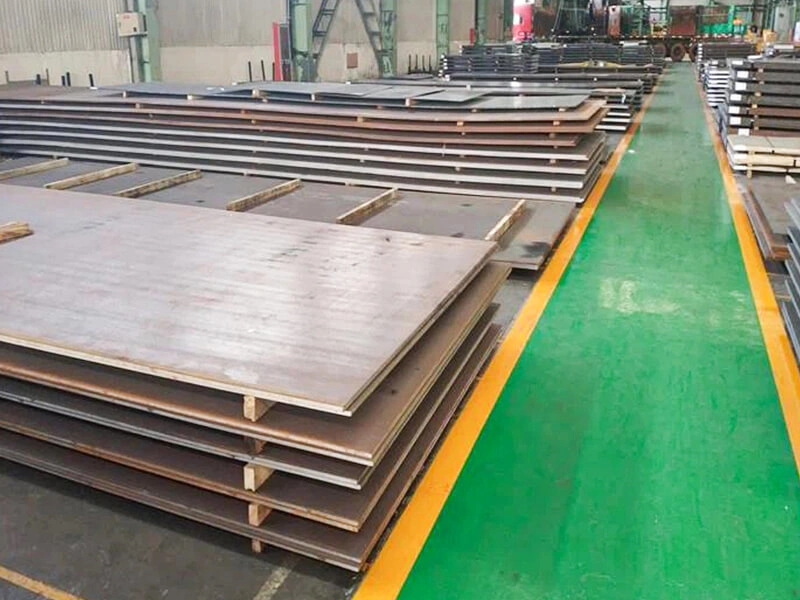
Bulk orders for marine steel plates get better supply stability because steel mills prioritize large volume contracts. They schedule production for these orders first. This means you avoid delays caused by small order backlogs. You also get more consistent quality and dedicated support.
Now, let me share why this matters for your business. I have seen many buyers struggle with unstable supply. They switch from small urgent buys to planned bulk purchasing. The difference is huge. It affects your project timeline, your costs, and your peace of mind. I will explain this through four common questions my customers ask me.
How should mild steel slabs1 be loaded in a bulk carrier2?
You just bought a large quantity of mild steel slabs. Now you worry about damage during sea transport. Will they arrive in good condition? This is a real concern for every importer.
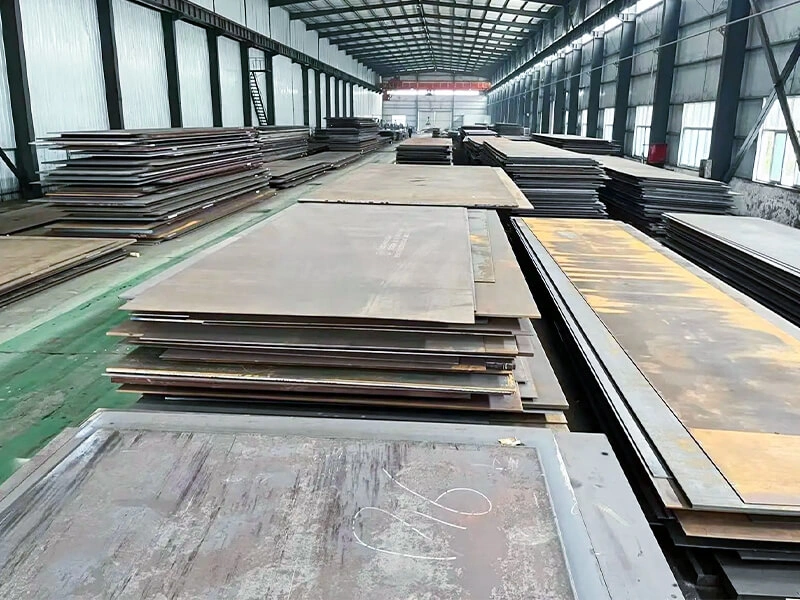
Mild steel slabs should be loaded in a bulk carrier using proper dunnage and secure lashing. They must be placed on a flat, clean surface. You need to prevent shifting and moisture damage during the voyage.
The Risks of Improper Loading
If you load slabs the wrong way, you face big problems. The ship can become unstable. The steel can shift and damage the vessel. Your cargo can arrive bent, scratched, or rusty. I have heard stories from clients who received damaged goods. They had to argue with suppliers and insurers. It delayed their projects by weeks.
Key Factors for Safe Loading
There are several important points to consider. They all work together to keep your steel safe.
-
Preparation of the Hold: The hold must be clean and dry. No previous cargo residue should remain. You need to sweep and sometimes wash the area. Then you must dry it completely. Any moisture can cause rust on the steel surface.
-
Dunnage Placement: Dunnage is the material placed under and between steel layers. It is usually wood or rubber. It creates space for air circulation. It also prevents direct metal-to-metal contact. This reduces the risk of scratches and corrosion.
-
Stowage Plan: The slabs should be stowed in a block. They should be placed tightly together. This minimizes movement. You should also consider the ship’s stability. The weight must be distributed evenly.
-
Lashing and Securing: Steel slabs are heavy. They need strong lashing to stop them from sliding. You use steel straps or chains. These are tightened with turnbuckles. The lashing points on the ship must be strong enough.
-
Ventilation: During the voyage, condensation can form. This is called ship’s sweat. Good ventilation3 inside the hold helps prevent this. It keeps the steel dry.
A Practical Checklist for Importers
Here is a simple table to help you check your loading process. You can share this with your supplier or shipping agent.
| Step | Action | Why It Matters |
|---|---|---|
| 1 | Inspect the hold for cleanliness and dryness. | Prevents contamination and rust. |
| 2 | Lay down wooden dunnage on the floor. | Allows airflow and avoids water pooling. |
| 3 | Place the first layer of slabs carefully. | Ensures a stable base. |
| 4 | Add dunnage between each layer. | Separates layers for ventilation and protection. |
| 5 | Secure the stack with steel straps or chains. | Prevents shifting in rough seas. |
| 6 | Check lashing tension after loading. | Confirms the cargo is held firmly. |
| 7 | Monitor ventilation during the voyage. | Reduces moisture and condensation. |
My Experience with Shipments to Saudi Arabia
One of our clients, Gulf Metal Solutions in Saudi Arabia, buys marine steel plates from us. They also import mild steel slabs. Before working with us, they had problems with surface finish. The steel arrived with scratches and rust. They told me the packaging from their previous supplier was poor. The loading was not done carefully.
When we started shipping to them, we paid close attention to loading. We used strong wooden dunnage. We made sure each layer was separated. We also used heavy-duty steel straps. The client told me, "The packaging is the best among all the packaging for ship plates we have received so far." This feedback shows that proper loading and packaging matter. It is not just about the steel quality. It is about how you handle it from the mill to the destination.
If you are an importer, you should ask your supplier about their loading process. Ask for photos during loading. Ask what kind of dunnage they use. Ask how they secure the cargo. A good supplier will have clear answers. They will also welcome third-party inspection4, like SGS, to check the loading. This gives you peace of mind.
What are the advantages of steel in ship construction?
Have you ever wondered why almost all large ships are made of steel? Why not wood or aluminum? There must be strong reasons behind this choice.
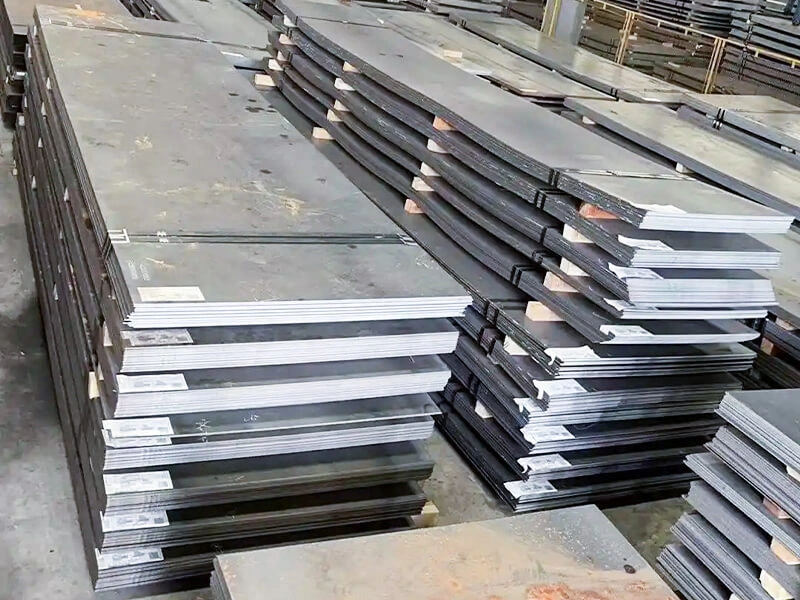
Steel offers high strength1, durability, and cost-effectiveness2 for ship construction. It can withstand harsh marine environments. It is also relatively easy to repair and recycle. These advantages make it the preferred material for building vessels.
Breaking Down the Benefits of Steel
Let us look at the specific advantages. Each one plays a big role in why shipbuilders choose steel.
1. Strength and Toughness
Steel has a very high strength-to-weight ratio3. This means it can carry heavy loads without being too heavy itself. A ship made of steel can carry more cargo. It can also handle the stress of waves and rough weather. The toughness of steel means it can absorb impact. If the ship hits something, the steel bends instead of breaking. This gives the crew time to react.
2. Durability and Corrosion Resistance
Ships live in saltwater. Saltwater causes rust. But steel can be protected. We use special coatings and paints. We also use corrosion-resistant steel grades4. For example, our marine steel plates5 have high corrosion resistance. This extends the life of the ship. Regular maintenance can keep a steel ship in service for decades.
3. Weldability and Formability
You need to join steel plates together to form a hull. Steel welds very well. You can also bend it into curved shapes. This is important for the bow and stern of a ship. Modern shipbuilding uses welding robots. They work fast and create strong joints. Steel’s formability allows complex designs.
4. Cost-Effectiveness
Steel is abundant and relatively cheap compared to other high-performance materials. The production process is well-established. Recycling steel is also easy. Old ships are often scrapped and the steel is melted down to make new steel. This creates a circular economy. It keeps costs down.
5. Recyclability
At the end of a ship’s life, the steel can be recycled. This reduces waste and saves energy. Recycling steel uses less energy than making new steel from iron ore. Many shipbuilders and owners now consider this environmental benefit.
Comparing Steel to Other Materials
To make it clearer, here is a comparison of steel with aluminum and wood for shipbuilding.
| Property | Steel | Aluminum | Wood |
|---|---|---|---|
| Strength | High | Medium | Low to Medium |
| Weight | Heavy | Light | Medium |
| Cost | Moderate | High | Low to Medium (but varies) |
| Durability | High (with coating) | High (corrosion-resistant) | Low (rots, needs treatment) |
| Weldability | Excellent | Good (requires special technique) | Not applicable |
| Recyclability | Excellent | Excellent | Limited |
| Maintenance | Regular painting needed | Less maintenance | High maintenance |
| Fire Resistance | Good | Melts at high temperature | Burns |
From this table, you see steel balances many factors. It is not perfect in every area. But for large vessels like bulk carriers, oil tankers, and container ships, it is the best choice. It gives you the strength you need at a price you can afford.
How This Helps My Clients
Our clients are project contractors and manufacturers. They build ships for different purposes. One client in Vietnam builds fishing vessels. They use our marine angle steel for frames. Another client in Mexico builds small tankers. They need plates that can hold oil safely. Steel gives them the confidence that their ships will last. They know the material is reliable.
When a client asks me why they should choose our steel, I tell them about the properties. I explain that our steel comes from certified mills. We can support SGS inspection to verify the quality. This way, they know they are getting the advantages of steel without the risk of bad material.
What is the main purpose of bending steel plates1 during ship construction?
When you look at a ship, you see curves everywhere. The front is curved. The sides are curved. Even the bottom has a curve. Why do shipbuilders go through the trouble of bending steel plates?
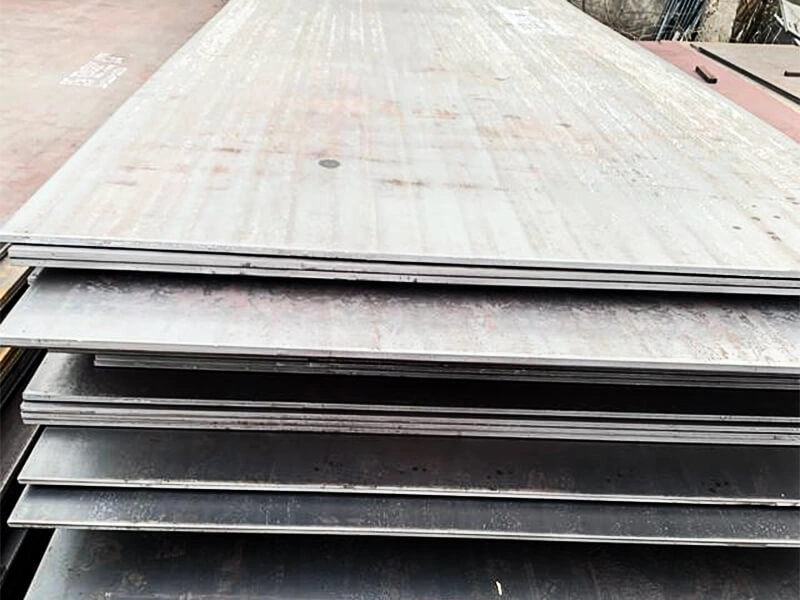
The main purpose of bending steel plates during ship construction is to create the streamlined shape of the hull2. This shape reduces drag in water. It also improves the ship’s stability and maneuverability. Bending allows the hull to cut through waves efficiently.
The Hydrodynamic Reason
A ship moves through water. Water resists motion. If the hull is flat and boxy, it pushes a lot of water. This creates high drag. The ship needs more fuel to move. It also goes slower.
A curved hull3, on the other hand, parts the water smoothly. The water flows around the curves. This reduces drag. The ship can go faster with less power. It saves fuel. This is the hydrodynamic reason.
The Structural Reason
Bending also adds strength. A curved plate is stronger than a flat plate. Think of an eggshell. It is thin but strong because of its curve. The same idea applies to a ship’s hull. The curves distribute stress evenly. When a wave hits the side, the curve helps spread the force. This prevents the plate from buckling.
Different Bending Methods
Shipbuilders use different ways to bend steel plates. The method depends on the thickness of the plate and the shape needed.
-
Cold Bending: This is done at room temperature. Hydraulic presses or rollers apply force to bend the plate. It is common for mild steel plates with moderate thickness.
-
Hot Bending: For very thick plates or tight curves, you need heat. The plate is heated in a furnace or with torches. Then it is bent using presses or dies. As it cools, it holds the new shape.
-
Line Heating: This is a special technique. A worker heats a narrow line on the plate with a torch. The metal expands. When it cools, it contracts and bends. Skilled workers can create complex curves this way.
Why Precision Matters
Bending must be precise. If a plate is bent too much or too little, it will not fit with the next plate. Gaps appear. Welding becomes hard. The hull might have weak points.
Shipbuilders use templates and computer-controlled machines to ensure accuracy. They check each bent plate against a model. This precision ensures the final hull is smooth and strong.
My Interaction with a Project Contractor
I remember talking to a project contractor from Qatar. He was building a series of small cargo ships. He needed bulb flat steel for stiffeners and plates for the hull. He asked me about our quality control for bending4. He had problems before with plates that did not match the design.
I explained that we work with mills that use modern bending equipment. They have digital controls. They also do trial bends before starting full production. We can arrange for a third-party inspector to be present during bending. This way, the contractor knows the plates will fit perfectly. He was happy with this. It reduced his risk of rework.
Bending is not just a step in construction. It is a critical skill. It turns flat steel into a living, moving ship. Without it, we would only have barges and boxes. Not the elegant vessels that cross oceans.
Why is the steel sector rising?
You read the news. You hear that steel demand is going up. Prices are fluctuating. But you wonder, why is this happening now? Is it a short-term trend or a long-term change?
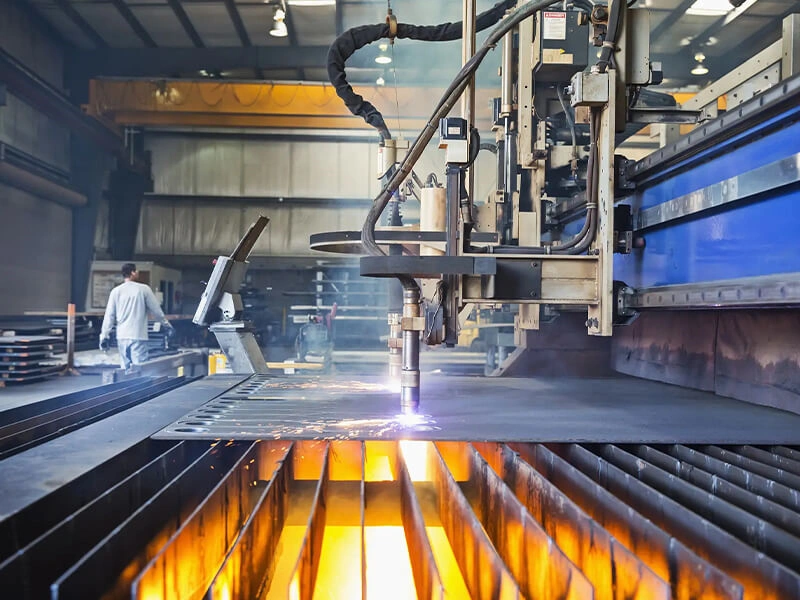
The steel sector is rising due to increased infrastructure spending1, a rebound in manufacturing2, and the energy transition3. Governments are investing in bridges, railways, and ports. Industries need steel for machinery and construction. Renewable energy projects like wind farms require large amounts of steel.
Key Drivers Behind the Growth
Let us break down the reasons. Each driver contributes to the demand for steel, especially marine steel4.
1. Government Infrastructure Projects
Many countries are updating their old infrastructure. In the United States, the infrastructure bill funds roads and bridges. In Europe, there are plans for high-speed rail. In Asia, new ports and airports are being built. All these projects need steel. Rebar for concrete, beams for bridges, and plates for ports. This creates a steady demand.
2. Rebound in Global Manufacturing
After the pandemic, factories started working again. They needed to replace old equipment. They also expanded to meet new orders. Manufacturing uses steel for machines, tools, and factory buildings. As production grows, so does steel consumption.
3. Energy Transition and Renewables
This is a big one. Solar panels need steel frames. Wind turbines need steel towers. Electric vehicles need steel for bodies and batteries. The shift to clean energy is steel-intensive. For example, an offshore wind farm requires massive steel foundations. These are driven into the seabed. They are made from thick steel plates. This is where marine steel comes in.
4. Urbanization in Developing Countries
In countries like Vietnam, Indonesia, and parts of Africa, people are moving to cities. They need housing, schools, hospitals. All of these require steel. The middle class is growing. They buy cars and appliances. This adds to steel demand.
5. Supply Chain Adjustments
During the pandemic, steel production slowed. Mills closed. When demand came back, supply could not catch up immediately. This caused prices to rise. Now, mills are expanding. But new capacity takes time to build. So the market remains tight.
Impact on Marine Steel
Specifically for marine steel, the rise is tied to shipbuilding. Global trade relies on ships. Container ships, bulk carriers, tankers. As trade grows, so does the need for new ships. Old ships also need to be replaced with more efficient ones. New environmental rules push for cleaner ships. This often means new construction.
Shipyards are busy. Orders for new vessels are high. This drives demand for marine steel plates, angle steel, and bulb flat steel. Our company supplies these products. We see the increase in inquiries from countries like Vietnam, Philippines, and Mexico.
A Look at Our Export Markets
We export to many countries. Here is a quick view of why each region is demanding more steel.
| Country/Region | Reason for Rising Demand |
|---|---|
| Vietnam | Growing shipbuilding industry, new port construction |
| Mexico | Manufacturing growth, energy projects near coast |
| Qatar | World Cup infrastructure, LNG terminal expansion |
| Saudi Arabia | Vision 2030 projects, Red Sea coastal development |
| Malaysia | Oil and gas industry, ship repair yards |
| Pakistan | CPEC projects, port upgrades |
| Philippines | Maritime nation, inter-island shipping needs |
| Romania | EU funds for infrastructure, Black Sea ports |
| Thailand | Eastern Economic Corridor, shipbuilding |
| Myanmar | Coastal development (though slower now) |
This table shows the diversity of demand. It is not just one country. It is a global trend. And it is not just for new ships. Repair and maintenance also need steel. So the sector has multiple legs to stand on.
My Personal View as a Supplier
I have been in this business for years. I see the orders coming in. The inquiries are more frequent. Clients ask for faster delivery. They ask for larger quantities. This tells me the market is hot.
But I also advise my clients to plan ahead. The rising sector means mills are busy. Lead times can stretch. If you wait too long to order, you might face delays. This is why bulk orders5 give better supply stability. You book your place in the production queue. You secure your material.
The steel sector is rising. It offers opportunities. But it also requires smart purchasing. Work with a supplier who understands the market. Someone who can communicate with mills and give you realistic timelines. That is the value we provide at China Marine Steel.
Conclusion
Bulk orders for marine steel plates give you stable supply, better quality, and peace of mind. Understanding loading, steel advantages, bending, and market trends helps you make smarter buying decisions.
-
Explore how infrastructure investments are driving steel demand and shaping the market. ↩ ↩ ↩ ↩
-
Learn about the connection between manufacturing recovery and rising steel prices. ↩ ↩ ↩ ↩
-
Discover how the shift to renewable energy is increasing the need for steel. ↩ ↩ ↩ ↩
-
Get insights into the significance of marine steel in the growing shipbuilding sector. ↩ ↩ ↩ ↩
-
Learn how bulk purchasing can secure better supply stability in a rising market. ↩ ↩