
Last month, a project contractor in Qatar urgently needed 500 tons of AH36 plate for a wind farm foundation. This wasn’t a ship. It was a sign of a bigger shift. The ocean is becoming a new industrial frontier, and steel is the foundation.
Demand for marine steel plate is rising in offshore projects because the global push for renewable energy (offshore wind, green hydrogen) and continued oil & gas exploration in deeper waters require massive, certified, corrosion-resistant steel structures like monopiles, jackets, and floating platforms, all consuming thousands of tons of specialized plate.
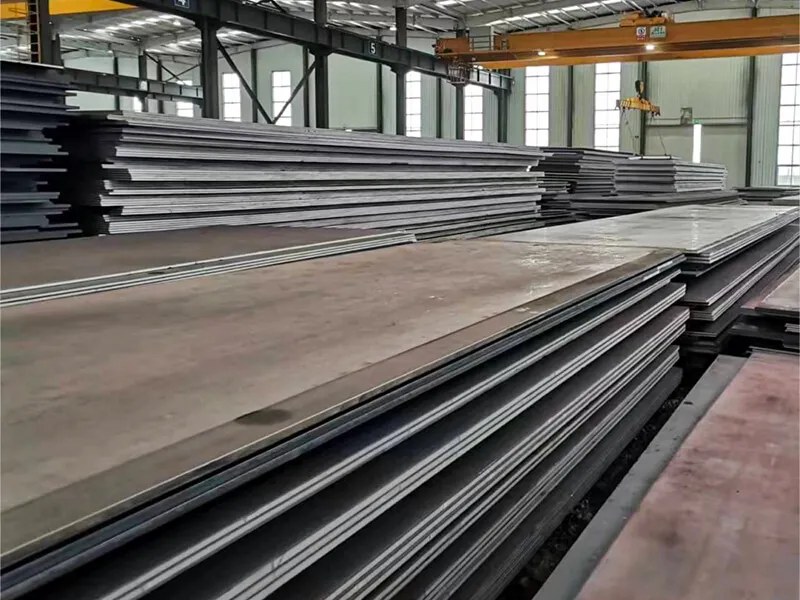
This surge is not a temporary spike. It is driven by long-term global trends that make steel more critical than ever. To understand the future of offshore steel, we need to look at the fundamentals of the material and the market forces at play.
Why is steel important in marine technology1?
Imagine trying to build a 100-meter tall skyscraper in the middle of a windy, salty ocean. That is the challenge of offshore engineering. No other material can match steel’s combination of strength, toughness, workability, and cost for this task. It is the backbone of marine technology1.
Steel is fundamental to marine technology1 because it offers an unmatched balance of high strength, good toughness, excellent weldability for fabrication, and relative affordability. These properties allow engineers to design and build massive, safe, and durable structures—from ship hulls to offshore platforms—that can withstand extreme ocean forces and corrosive environments.
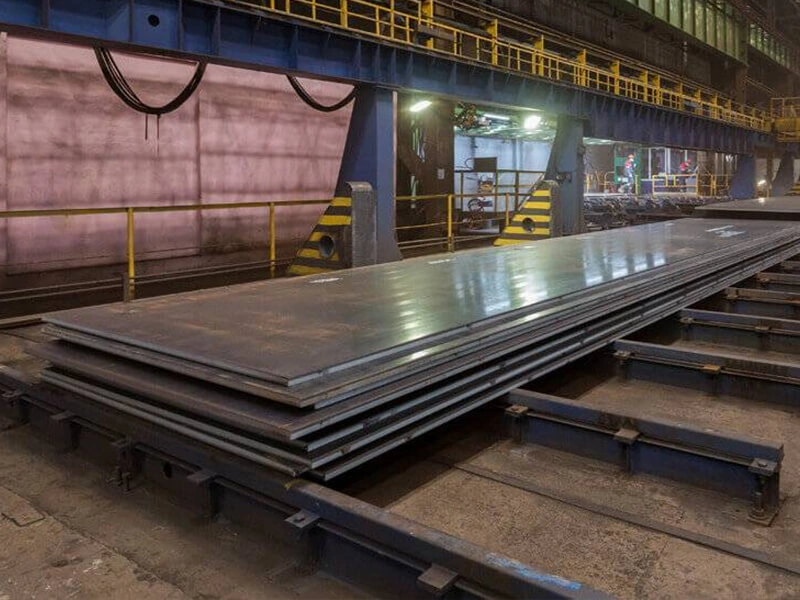
This importance is not just about one property. It is about a combination that no competing material can currently match at scale. Let’s break down this winning combination.
The Unbeatable Combination: Strength, Fabricability, and Economics
First, consider strength and toughness2. The ocean exerts incredible forces: waves, currents, wind, and for ice-going vessels, impact loads. Steel, especially marine-grade steel, has a high yield strength. This means it can bear huge loads without permanently deforming. More importantly, it has good fracture toughness. This means it can absorb energy and resist cracking, even at low temperatures. Materials like concrete can be strong but are brittle. Advanced composites can be strong and light but lack the proven toughness and fire resistance for primary structures. Steel provides a reliable safety margin.
Second, and often overlooked, is fabricability3. Marine structures are incredibly complex. They are not cast as single pieces. They are built from thousands of plates and sections that are cut, rolled, bent, and welded together in shipyards and fabrication yards. Steel is perfectly suited for this. It can be easily welded, which is the most efficient way to join large metal sections. Its properties can be precisely controlled through chemistry and rolling processes to make it suitable for different parts of a structure. We can produce thick plates for hulls and thinner, higher-strength plates for decks, all from the same basic material family.
Third is the economic reality4. While the initial cost of steel is a factor, the total lifecycle cost is what matters. Steel structures, when properly designed, fabricated, and protected with coating systems, have a proven service life of decades. They are also recyclable at the end of their life. Alternative materials might offer weight savings, but they often come with exponentially higher material costs, unproven long-term durability in seawater, or immense fabrication challenges. For large-scale offshore projects requiring tens of thousands of tons of material, steel remains the only viable economic choice.
Here is a comparison of why steel dominates key areas of marine tech:
| Marine Technology Sector | Primary Structural Material | Key Reason Steel is Used |
|---|---|---|
| Commercial Shipbuilding | Carbon & High-Strength Low-Alloy (HSLA) Steel | Provides the optimal strength-to-cost ratio for massive hulls; allows for modular construction through welding. |
| Offshore Oil & Gas Platforms (Jackets, Topsides) | Heavy Thick Steel Plate (up to 150mm) | Only steel offers the sheer mass and strength to support thousands of tons of equipment in deep water; weldable into complex nodes. |
| Offshore Wind Turbine Foundations (Monopiles) | Ultra-heavy rolled and welded steel plate cylinders. | Requires immense quantities of steel (up to 2,000 tons per monopile) that can be fabricated on a giant scale; withstands constant fatigue loading. |
| Floating LNG Units (FLNG) | Specialized cryogenic and high-strength steel grades. | Must contain liquefied natural gas at -162°C while floating; special nickel-alloyed steels maintain toughness at these temperatures. |
| Ports & Coastal Infrastructure | Steel piles, sheet piles, and reinforcement. | Drives easily into seabeds, provides strong retaining walls, and resists impact from vessels. |
The current boom in offshore wind5 is a perfect example. A single 8MW turbine’s monopile foundation can use over 1,000 tons of steel. A large wind farm with 100 turbines needs over 100,000 tons. This scale simply cannot be met with any alternative material. Steel’s importance is cemented by these mega-projects.
Is steel going to rise?
My clients in Saudi Arabia and Mexico ask me this every week. They are worried about budget overruns. The simple answer is: the price will fluctuate, but the strategic importance and overall demand for marine steel1 are on a clear upward trend. The "rise" we should focus on is in consumption, not just price.
Steel prices are subject to short-term volatility due to raw material costs (iron ore, coking coal) and energy prices. However, the long-term demand for marine-grade steel is poised to rise significantly, driven by global offshore energy expansion, fleet renewal for green shipping, and large-scale coastal infrastructure projects.

Focusing only on price misses the bigger picture. We need to separate cyclical price movements from structural demand growth.
Distinguishing Price Cycles from Structural Demand Growth
Yes, steel prices go up and down. In the short term, they react to many things. The cost of iron ore and coking coal changes. Energy costs for mills change. Geopolitical events can disrupt supply. Government policies, like China’s production controls or carbon taxes, can affect supply and cost. These factors cause the price volatility that makes procurement challenging.
But beneath these price waves, there is a powerful tide of structural demand growth2. This growth is driven by factors that are long-term and policy-backed:
- The Global Energy Transition3: This is the biggest driver. Countries in Europe, Asia, and North America have committed to massive offshore wind targets. The UK, Germany, Vietnam, and the USA all have gigawatt-scale plans. Each new wind farm represents hundreds of thousands of tons of steel for foundations, transition pieces, and towers. This demand is for the next 20-30 years, not just the next quarter.
- Green Shipbuilding4: New international regulations (like the IMO’s EEXI and CII) are forcing shipowners to improve efficiency. One of the best ways is to build new ships with more High-Strength Steel (HSS)5. HSS allows for thinner, lighter hulls without losing strength. This means a modern container ship might use a higher percentage of costly AH40/EH40 steel instead of standard AH36. This shifts demand towards higher-value steel products.
- Regional Infrastructure & Security: Nations are investing in their maritime capabilities. This includes new naval vessels, port expansions, and coastal protection structures. Our exports to the Philippines, Thailand, and the Middle East reflect this. These are government-funded, strategic projects that are less sensitive to short-term steel price swings.
For a project contractor or distributor, this means your strategy must change. You cannot just buy steel when you need it and hope for a low price. You need strategic sourcing partnerships6. You need a supplier who understands these market forces, has stable mill relationships (like our partnerships in Liaocheng), and can help you plan purchases. You might lock in prices for a phased project. You might build buffer stock for critical grades. The question is no longer "will the price rise?" but "how do I secure a stable supply of the right steel at a predictable cost for my long-term projects?"
What is the main advantage of using high tensile steel1 for ship building?
A shipowner once told me, "I don’t buy steel, I buy cargo capacity." That statement perfectly captures the main advantage. High tensile steel is not about making the ship stronger in an absolute sense; it is about doing more with less weight.
The main advantage of using high tensile steel1 (HTS) in shipbuilding is its superior strength-to-weight ratio2. It allows ship designers to use thinner plates and sections while maintaining structural strength, leading to a significant reduction in the ship’s overall weight, which directly improves fuel efficiency, increases cargo payload, and reduces emissions.
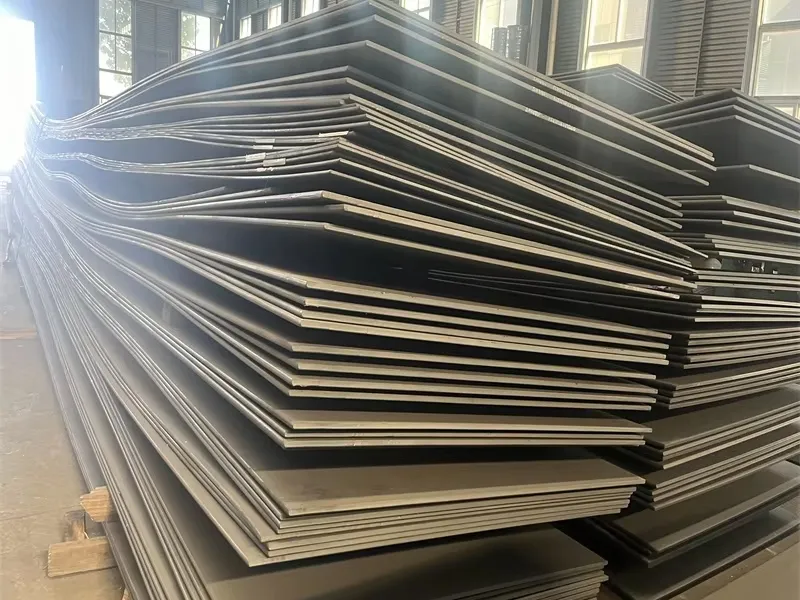
This weight saving creates a powerful chain reaction of benefits that impact the ship’s entire economic and environmental profile. Let’s trace this impact.
The Ripple Effect of Lighter Weight: From Design to Operation
The core property of High Tensile Steel (like grades AH32, DH36, EH40) is its higher yield strength. Yield strength is the stress level at which the steel starts to deform permanently. If standard Grade A steel has a yield strength of 235 MPa, AH36 has 355 MPa. This means a plate of AH36 can withstand about 50% more load before deforming than a same-thickness Grade A plate.
So, for the same required strength, the designer can specify a thinner plate of AH36. For example, a hull plate that needs to be 30mm thick in Grade A might only need to be 24mm thick in AH36. This 6mm difference across thousands of square meters of hull plating adds up to hundreds of tons of weight saved.
Now, let’s follow the advantages:
- Increased Deadweight Tonnage (DWT)3: This is the money-maker. A ship’s total weight capacity is fixed. If the ship itself (the lightship weight) is lighter, then it can carry more cargo, fuel, and supplies. More cargo means more revenue per voyage.
- Improved Fuel Efficiency4: A lighter ship requires less engine power to move at the same speed. This leads to substantial fuel savings over the ship’s 25-year life. With fuel being a major operating cost, this is a huge financial advantage.
- Reduced Emissions5: Less fuel burned means lower emissions of CO2, SOx, and NOx. This directly helps shipowners comply with increasingly strict International Maritime Organization (IMO) regulations like the Carbon Intensity Indicator (CII). Using HTS is a direct technical solution to meet environmental goals.
- Design Flexibility6: The saved weight can be redistributed. It can allow for larger cargo holds, more powerful engines, or additional environmental technology like scrubbers or ballast water treatment systems without exceeding overall weight limits.
However, there are trade-offs that designers and builders must manage:
- Higher Material Cost: HTS is more expensive per ton than normal strength steel.
- Fabrication Challenges: It can be harder to cut and weld. It requires stricter welding procedures to avoid weakening the heat-affected zone. It may also be more prone to distortion during welding.
- Stiffness: Thinner plates might be more flexible, which could affect local vibration or "oil canning" effects. Designers must account for this.
The market trend is unequivocal. The use of HTS is becoming standard, not optional. New ship designs consistently specify HTS for the entire hull envelope. For suppliers, this means our inventory and mill orders are increasingly focused on grades like AH36 and DH40, rather than just Grade A. We are helping clients transition their supply chains to match this new normal in ship design.
What is the world steel demand forecast for 2025?
Looking at a single global number is misleading for a marine steel specialist. The overall world steel demand might grow slowly, but the demand for our specific type of steel—marine and offshore grade plate1—is on a much steeper growth path. It is like the tide lifting all boats, but the offshore energy sector is a speedboat.
The World Steel Association2 forecasts global steel demand to grow by around 1.7% in 2025, reaching about 1.85 billion metric tons. However, demand for flat products (like plate) and specifically for high-quality, certified marine-grade plate3 is expected to outpace this average, driven by robust activity in shipbuilding and offshore energy projects.
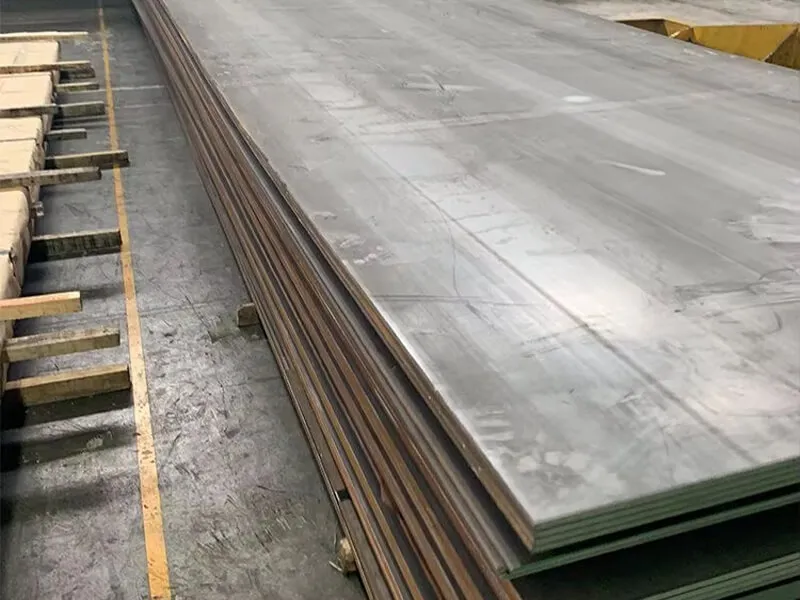
The aggregate number hides the real story. We need to segment the forecast to see where the opportunities and challenges lie for marine steel buyers.
Segmenting the Forecast: Where the Real Growth Lies
The World Steel Association2 (worldsteel) provides a top-level view. Their 1.7% growth for 2025 suggests a stable but not booming market. But when we break it down by region and sector, a different picture emerges for our industry.
First, look at regional demand. Growth is not uniform.
- Asia (excluding China): This is a key growth engine for marine steel. Countries like India, Vietnam, and South Korea are expanding their shipbuilding and offshore capabilities. Vietnam, for instance, is becoming a hub for offshore wind service vessels and fabrication.
- The Middle East & North Africa (MENA): This region is a major focus for us. Countries like Saudi Arabia, Qatar, and the UAE are investing heavily in offshore gas projects, coastal megaprojects (like NEOM), and their own shipbuilding and repair capacities. Our client Gulf Metal Solutions is part of this regional growth story.
- North America & Europe: Demand here is heavily tilted towards the offshore wind sector4. The U.S. Inflation Reduction Act and European Green Deal are funneling billions into offshore wind, creating a strong, policy-driven demand for heavy plate.
Second, and more important, is sectoral demand. The construction sector, which consumes the most steel globally, might be soft in many regions. But the sectors that use marine-grade plate are booming:
- Shipbuilding: New orders are strong for container ships, LNG carriers, and specialized vessels. These modern ships use more high-strength steel per vessel.
- Offshore Wind & Energy: This is the superstar sector. Forecasts suggest double-digit annual growth in capacity installation, translating directly into millions of tons of new steel demand for foundations and structures.
- Infrastructure: Strategic port upgrades and naval projects continue to provide a steady base of demand.
For a steel buyer, this segmented forecast has clear implications:
- Competition for Supply: High-quality plate from certified mills will be in tighter supply. Mills will prioritize large, long-term offshore contracts.
- Lead Time Extension: The lead time for thick, high-grade plate5 (like DH36 in 40mm+ thickness) will likely increase. Projects need to plan earlier.
- Importance of Supplier Reliability: In a tight market, having a trusted supplier with direct mill access (like our model) becomes a critical competitive advantage. It ensures you can get the material you need when others cannot.
The world steel demand forecast for 2025 is a story of divergence. While overall growth is modest, the marine and offshore plate segment is entering a period of intense activity and demand pressure. Strategic sourcing is no longer an option; it is a business necessity.
Conclusion
The rise in marine steel demand is structural, driven by the global energy transition and green shipping. Success depends on securing reliable supply chains for the right high-grade materials.
-
Explore the significance of marine and offshore grade plate in shipbuilding and energy sectors. ↩ ↩ ↩ ↩ ↩ ↩ ↩
-
Learn about the insights and forecasts from the World Steel Association regarding global steel demand. ↩ ↩ ↩ ↩ ↩
-
Understand the advantages of using certified marine-grade plate in construction and shipbuilding. ↩ ↩ ↩ ↩
-
Discover how the booming offshore wind sector is driving demand for marine-grade steel. ↩ ↩ ↩ ↩
-
Find out the factors influencing lead times for high-grade steel and how to manage them. ↩ ↩ ↩ ↩
-
Find out how HTS allows for innovative designs and enhanced ship capabilities. ↩ ↩