
You buy angle steel from three suppliers. One delivers late. One has bad quality. One sends wrong documents.
Integrated supply means one supplier handles all your marine angle steel needs – from mill sourcing to quality control, documentation, logistics, and after‑sales support. It simplifies your work and reduces risks.
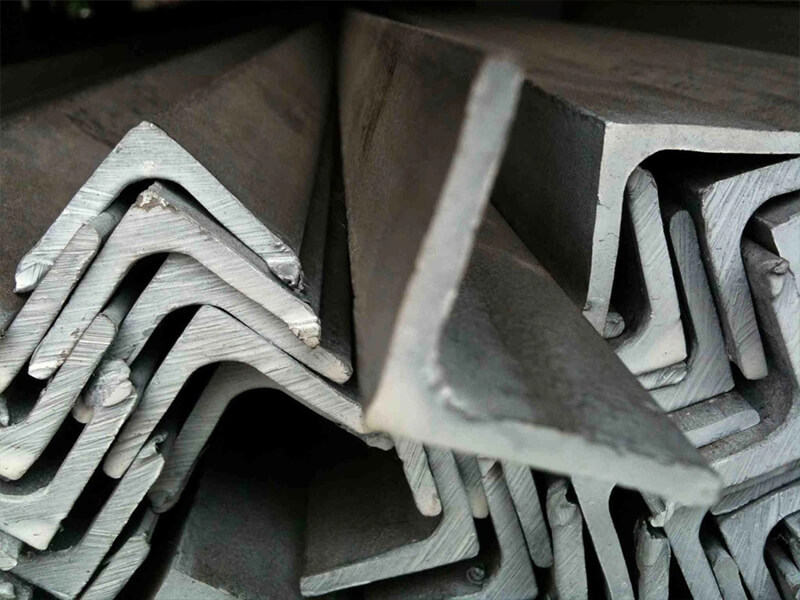
I have seen shipyards struggle with multiple suppliers. They chase different people for different problems. Then they try my integrated supply model. They never go back. Let me show you why having one partner for your marine angle steel orders makes your life easier and your projects safer.
How Does Integrated Supply Simplify Vendor Management and Reduce Coordination Costs?
You call Supplier A for price. Supplier B for delivery. Supplier C for documents. You spend hours on the phone.
Integrated supply1 gives you one contact person, one contract, one invoice, and one delivery schedule2. You stop chasing multiple vendors and start focusing on your production.
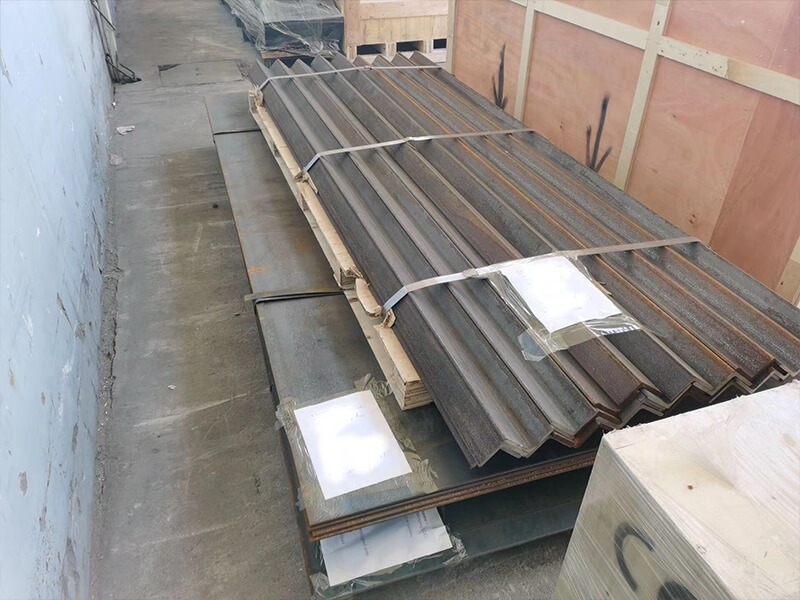
The hidden cost of multiple suppliers
I had a client from Malaysia. He bought marine angle steel from four different sources. One Chinese mill for large sizes. One local trader for small sizes. One stockist for urgent orders. One agent for export documentation. He spent 15 hours per week just on coordination. Then he switched to me as his integrated supplier. His coordination time dropped to 3 hours per week. That is 12 hours saved. At his rate of $50 per hour, that is $600 per week. Over a year, $30,000 just in time savings.
So let me break down the real cost of using multiple suppliers.
First, the direct costs.
| Cost Type | Multiple Suppliers | Integrated Supply | Saving |
|---|---|---|---|
| Purchase orders | 4 POs per order | 1 PO | Less paperwork |
| Invoices to process | 4 invoices | 1 invoice | Less accounting time |
| Supplier qualification checks | 4 sets of audits | 1 audit | Saves management time |
| Payment transfers | 4 bank fees | 1 fee | Small but real |
Second, the indirect costs that add up. These are harder to see but bigger in total.
- Time spent explaining your project to each new supplier
- Time chasing different people for status updates
- Time resolving disputes when one supplier blames another
- Time matching delivery schedules from multiple sources
One shipyard manager told me: "I used to be a purchasing coordinator. With integrated supply, I became a production planner. That is a promotion."
Third, how integrated supply simplifies vendor management3 in practice. When you work with me, you get:
| Your Need | What I Do |
|---|---|
| Price quote | One email. I quote all sizes at once. |
| Production status | One weekly update for your whole order. |
| Quality issue | One person to call. I fix it or replace. |
| Delivery change | One request. I adjust the whole schedule. |
| Documentation | One package with all certificates and invoices. |
You do not have to coordinate between a mill in Shanghai, a packaging company in Tianjin, and a forwarder in Qingdao. I do all that for you.
A simple comparison
| Task | Multiple Suppliers | Integrated Supply (One Supplier) |
|---|---|---|
| Get quotes for 5 sizes | Email 5 suppliers | Email 1 supplier |
| Compare prices | 5 spreadsheets | 1 spreadsheet |
| Place orders | 5 POs | 1 PO |
| Track production | 5 calls | 1 call |
| Receive documents | 5 packages | 1 package |
| Handle quality complaint | Who caused it? Supplier A blames B | One person responsible |
The math is clear. Integrated supply saves time, reduces stress, and lowers your cost of doing business.
Why Does a Single Supplier Improve Batch Consistency Across Multiple Deliveries?
You buy L100x100x10 from Supplier A this month. Next month you buy from Supplier B. The steel looks different. Your welders complain.
A single supplier uses the same mill, the same production line, the same quality control process1 for every delivery. That means the second batch matches the first batch. Your fabrication process stays stable.
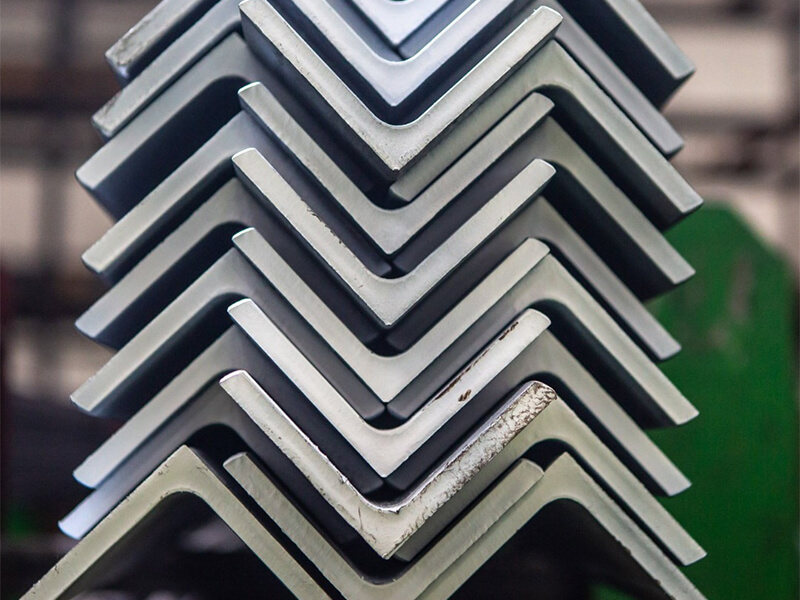
How one source ends the guessing game
I remember a fabricator in Vietnam. He bought angle steel from three different Chinese traders. Each trader sourced from a different mill. One batch had carbon at 0.18%. The next batch had 0.24%. The welder had to change his settings every time. Rejection rate was 8%. Then he switched to buying everything from one integrated supplier2 (me). I use the same mill for all his orders. His rejection rate dropped to 1%. His welders are happy.
So let me explain why batch consistency3 matters and how integrated supply delivers it.
First, what inconsistency looks like in real life.
| Attribute | Batch from Supplier A | Batch from Supplier B | Result for You |
|---|---|---|---|
| Leg length | 100.2 mm | 99.1 mm | Gaps in welding |
| Thickness | 10.05 mm | 9.4 mm | Weak joints |
| Carbon % | 0.18% | 0.24% | Hard to weld |
| Surface | Clean | Rusty | Extra cleaning time |
When you have one integrated supplier, you get the same numbers every time.
Second, why integrated suppliers achieve better consistency. I do three things that fragmented suppliers cannot.
-
Long‑term mill commitment. I have contracts with specific mills. Those mills know my quality requirements. They do not switch production lines unexpectedly.
-
Fixed raw material sources. I track which scrap or ore my mill uses. When the source changes, I test the new batch before shipping.
-
Standard operating procedures. My inspection checklist is the same for every order. I measure the same way every time.
Third, the cost of inconsistency4. Let me give you real numbers from a client in Thailand.
| Impact of Inconsistent Batches | Extra Cost per 100 tons |
|---|---|
| Welder re‑settings (2 hours per change × 5 changes) at $30/hour | $300 |
| Extra weld inspection and rework (10% of joints) | $1,500 |
| Grinding of mismatch edges | $800 |
| Production delay (8 hours) | $240 |
| Total extra cost | $2,840 |
With integrated supply and consistent batches, that $2,840 becomes $0.
What to ask your supplier about batch consistency
- Do you use the same mill for all deliveries of this size?
- Can you provide measurement records5 from your last three shipments?
- What is your acceptable tolerance range? (Mine is ±0.3mm on thickness)
- How do you handle a batch that is out of tolerance? (I replace at my cost)
I give my clients a "consistency guarantee" in writing. If a batch deviates more than my stated tolerance, I replace it free. That is what integrated supply can offer.
How Can Integrated Supply Streamline Documentation, Customs, and Logistics?
You get MTC from Supplier A. Packing list from Supplier B. Bill of lading from forwarder C. One number is wrong. Customs holds your steel.
Integrated supply1 means one supplier produces all documents, checks them for consistency, and coordinates directly with the freight forwarder. You receive one complete document package. Customs clearance becomes faster and smoother.
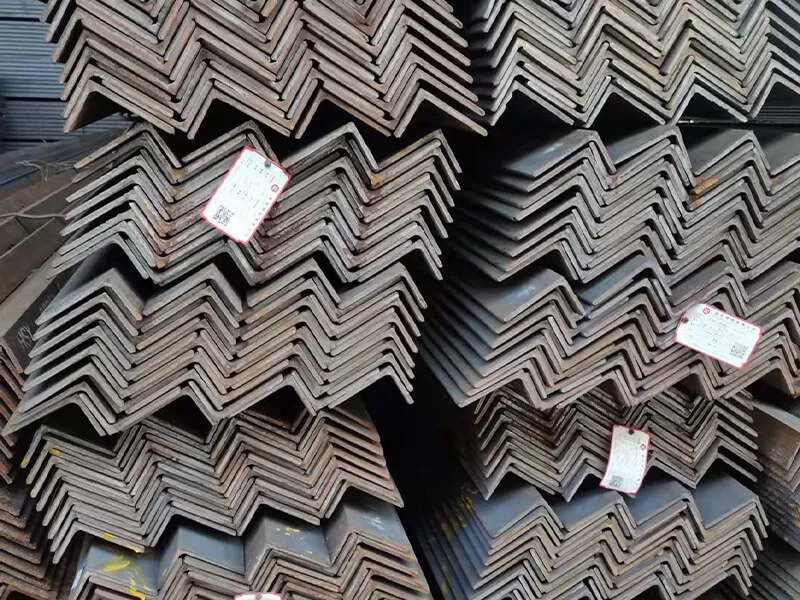
The document nightmare ends with one phone call
I had a buyer from Saudi Arabia. He ordered steel from three suppliers for one project. When the containers arrived, the MTC from Supplier A had a different total weight than the packing list from Supplier B. Customs held all three containers for 10 days. He paid $3,000 in demurrage. The suppliers blamed each other. After that, he moved to integrated supply with me. Now I send one complete document package. His customs clearance2 takes 2 days.
So let me explain how integrated supply fixes documentation and logistics.
First, the document chain that fails with multiple suppliers. Each document must match the others.
| Document | Key Fields That Must Match |
|---|---|
| Mill Test Certificate (MTC)3 | Heat number, grade, dimensions |
| Packing list | Bundle numbers, heat numbers, weights |
| Commercial invoice | Total weight, value, HS code |
| Bill of Lading (BL) | Shipper name, consignee, weight, container numbers |
With multiple suppliers, the shipper name on the BL might not match the seller on the invoice. The heat numbers on the MTC might not appear on the packing list. Any mismatch triggers a customs flag.
Second, how integrated supply solves this. I control all documents from one desk.
| Document | I Prepare | I Check Consistency With |
|---|---|---|
| MTC | Yes (from my mill partner) | Heat numbers on steel photos |
| Packing list | Yes | MTC and physical bundles |
| Commercial invoice | Yes | Packing list and MTC |
| Bill of Lading | I coordinate with forwarder | Invoice and packing list |
I also provide a "document alignment sheet4" that shows how every number matches across all documents. Customs officers love that.
Third, logistics coordination. When you use multiple suppliers, each one may book their own freight. You might get three different shipping lines, three different arrival dates, and three different container drop‑off locations. That is a mess.
With integrated supply, I book all freight together. I can:
- Combine multiple sizes into full container loads
- Ship on the same vessel so all steel arrives together
- Negotiate better freight rates because volume is higher
- Provide one tracking report for all containers
Here is a real example from a client in Mexico:
| Scenario | Multiple Suppliers | Integrated Supply |
|---|---|---|
| Number of containers | 6 (spread across 3 shipments) | 6 (all in one shipment) |
| Different arrival dates | Yes (spread over 4 weeks) | No (all same week) |
| Freight cost per ton | $120 | $95 |
| Customs clearance time | 15 days (multiple entries) | 3 days (one entry) |
| Total logistics cost5 | $28,000 | $22,000 |
He saved $6,000 and three weeks of waiting.
Your documentation checklist
- Does one person check that all documents match?
- Are heat numbers consistent from MTC to packing list?
- Is the consignee name correct on the BL?
- Do you have a single point of contact for freight issues?
With integrated supply, the answer to all of these is "yes" without you having to chase anyone.
What Risk Mitigation Benefits Does Integrated Supply Offer for Urgent Project Changes?
Your project schedule changes. You need steel sooner. Or you need to delay a delivery. With multiple suppliers1, you call each one. Some say yes. Some say no.
With integrated supply, you make one request. A good integrated supplier has flexibility built in – stock of common sizes, relationships with multiple mills, and control over their own logistics. They can adjust.
When things go wrong, you want one throat to choke
I had a client from Qatar. He was building a port facility. The client sped up the project by three weeks. He needed his next steel delivery 15 days earlier. He called his three suppliers. Supplier A said yes. Supplier B said maybe. Supplier C said no. He had to find a new supplier for the steel that Supplier C was supposed to deliver. That took two weeks and cost him a premium price. Now he uses me as his integrated supplier. When his schedule changes, he calls me. I adjust all deliveries together.
So let me explain the risk mitigation benefits of integrated supply.
First, schedule flexibility2. When you have one supplier who controls the whole chain, they can:
- Pull from stock if mill production is too slow
- Switch to a different mill if one mill is overloaded
- Expedite packaging and loading
- Use a faster shipping route (air or express freight) if needed
I keep stock of common angle steel sizes in Liaocheng. If a client needs steel urgently, I can skip mill production and ship from stock within 7 days.
Second, quality risk management3. If a batch fails inspection, an integrated supplier can:
- Replace the bad batch from another mill or from stock
- Adjust the production schedule for the remaining batches
- Provide a discount for the affected material
- Arrange fast replacement shipping
With multiple suppliers, you have to file a claim with the one who supplied the bad batch. They may deny responsibility. The others continue as if nothing happened. You are left with a hole in your material plan.
Third, financial risk management4. Integrated supply allows better payment terms. I offer my long‑term integrated clients:
- 30% deposit, 70% against BL (standard)
- For trusted clients: 20% deposit, 80% 30 days after BL
- Volume discounts applied automatically to each delivery
With multiple suppliers, you may have to pay each one separately. You lose negotiating power.
Fourth, crisis response5. I remember the COVID port closures in 2020. Many single‑product suppliers stopped shipping. But as an integrated supplier, I had relationships with multiple mills and multiple forwarders. I rerouted containers through different ports. My clients got their steel when others did not.
Here is a comparison of risk response:
| Risk Event | Multiple Suppliers Response | Integrated Supply Response |
|---|---|---|
| Mill breakdown for one size | That supplier delays. Others continue. You miss one size. | I switch that size to another mill. All sizes ship together. |
| Port congestion | Each supplier uses their own forwarder. Steel arrives at different times. | I use one forwarder. I can reroute all containers together. |
| Quality failure in one batch | Supplier A says "not my problem." You file a claim. | I replace the batch from stock. Project continues. |
| Urgent schedule change | You call three people. Inconsistent answers. | You call me. One answer for everything. |
A real example: how integrated supply saved a project
A client in Thailand was building three patrol boats. The navy changed the delivery date. He needed the steel for all three boats two months earlier. He called me. I had stock for 60% of the steel. The remaining 40% I expedited from mills. I shipped everything in three weeks instead of eight. The navy was happy. The client is still with me.
Conclusion
Integrated supply means one vendor, one contract, one document package, and one point of accountability. It saves time, cuts cost, and reduces risk.
-
Investigate the potential pitfalls of using multiple suppliers and how integrated supply can offer solutions. ↩ ↩ ↩ ↩
-
Explore how schedule flexibility can streamline your supply chain and enhance project efficiency. ↩ ↩ ↩ ↩
-
Learn how integrated supply can mitigate quality risks and ensure consistent material quality. ↩ ↩ ↩ ↩
-
Discover how integrated supply can enhance your financial negotiations and payment terms. ↩ ↩ ↩
-
Understand the advantages of integrated supply in managing crises and ensuring timely deliveries. ↩ ↩ ↩