
Your shipbuilding project is running behind schedule. Workers are standing idle. You are paying penalties. You thought the steel order was placed on time.
Marine angle steel procurement causes delays through unclear specifications, late mill deliveries, supplier quality failures, and poor order management. These four factors can add 4‑12 weeks to project timelines and increase costs by 10‑15%.
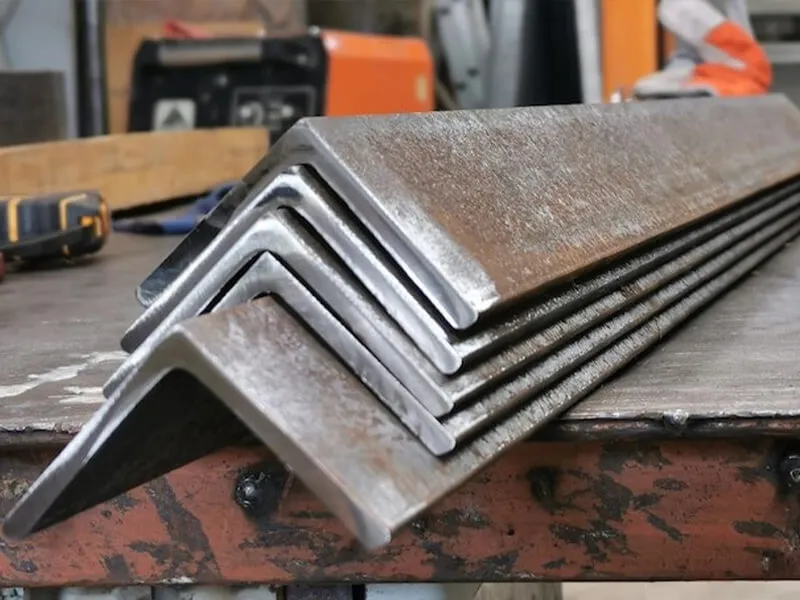
I am Zora Guo from cnmarinesteel.com. I have supplied marine angle steel to shipyards for years. I have also seen projects lose months because of procurement mistakes. Most delays are avoidable. Let me show you where they happen and how to stop them.
How Do Unclear Specifications, Mixed Grades, and Wrong Sizes Delay Cutting and Fabrication?
You order angle steel. The supplier ships what they think you want. But your drawings require L150x90x12 AH36. The supplier sends L150x90x10 AH36. Your fabrication team cannot use it.
Unclear specifications are the number one cause of procurement‑related fabrication delays. When the purchase order does not clearly state the grade, thickness, tolerances, or class approval requirements, the mill guesses. They guess wrong. Mixed grades are even worse — when AH36 and A grade angle steel are shipped in the same bundle, your yard must sort them. Sorting takes days. Cutting stops. Wrong sizes mean the steel cannot be used at all. You must return it and wait for replacements. A single specification error can cost 2‑4 weeks of project time.
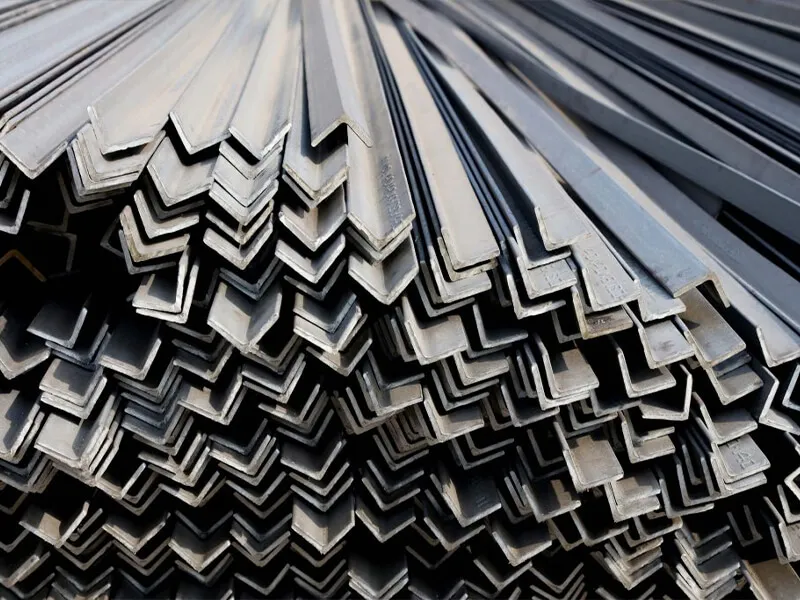
Let me show you how these errors happen and what they cost.
Unclear Specifications — The Hidden Trap
Shipyards often order angle steel by a general description like "AH36 angle steel, 12mm, L150x90." But the mill needs more detail:
- Grade: AH36, but which sub‑grade? (AH36, DH36, EH36)
- Thickness tolerance: Under‑tolerance of 0.3mm or 0.4mm?
- Length: Exact length or mill random length?
- Class approval: ABS, DNV, or LR? Which stamp is required?
- Mill certificate: 3.1 or 3.2 certification?
If any of these is unclear, the mill may roll to the most common interpretation — which may not match your requirements. Then the steel arrives and is rejected.
Red flags that cause specification errors:
- Relying on verbal instructions instead of written specifications
- Copying an old purchase order without updating grade or thickness
- Not including class society approval requirements in the PO
- Assuming the supplier "knows what we need"
Mixed Grades — The Sorting Nightmare
When AH36 and A grade angle steel are shipped in the same bundle, your receiving team must separate them. The two grades look identical. The only way to tell them apart is by reading the heat number stamp on every piece.
For a 200‑ton shipment, sorting can take 2‑3 days. During that time, no steel goes to cutting. Your fabrication line is idle. The cost of idle labor for 3 days can exceed $50,000.
Wrong Sizes — The Complete Stop
If the angle steel is the wrong size, you cannot use it. The wrong leg length, wrong thickness, or wrong length means the steel does not fit the design. You must return it and order again. Replacement lead time is 4‑8 weeks. Your project is stopped for 2 months.
A Real Example
A shipyard in Vietnam ordered L150x90x12 AH36 angle steel. The purchase order said "12mm AH36." The mill interpreted "12mm" as leg thickness. But the shipyard needed the shorter leg to be 12mm. The long leg was only 10mm. The steel was unusable. The shipyard had to reorder. The delay cost $200,000 in idle labor and penalties. The lesson: specify both leg lengths clearly.
Why Do Late Mill Deliveries, Port Congestion, and Logistics Failures Push Back Project Timelines?
The steel is ordered. The mill confirms production. But delivery is late. Your project stops.
Late mill deliveries are the most common cause of steel‑related delays. Mills are often backlogged. They prioritize large orders over small ones. Unplanned breakdowns happen. Port congestion adds weeks. A vessel waiting for berth can cost $10,000‑20,000 per day in demurrage. Logistics failures — trucks breaking down, drivers not showing up — add more days. A 4‑week mill delay combined with 2 weeks of port congestion means your steel arrives 6 weeks late. Your production schedule is destroyed.
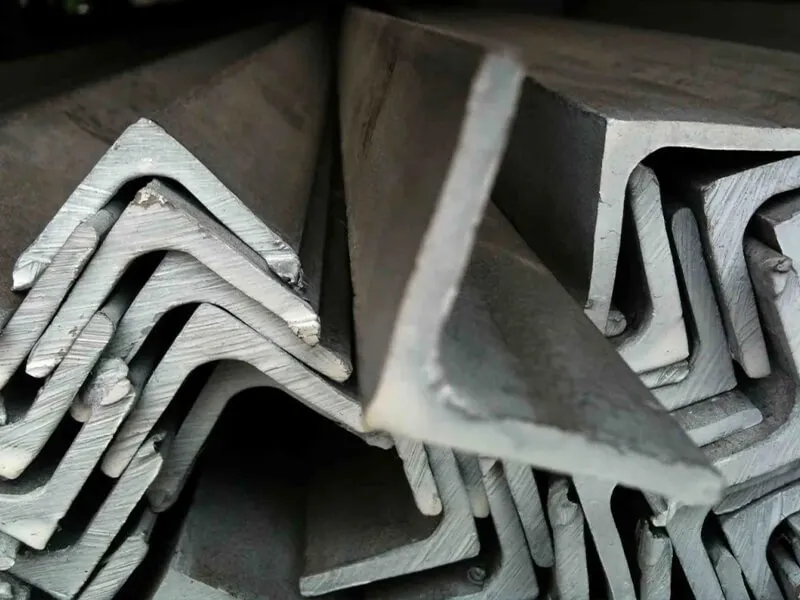
Let me break down the logistics chain.
Mill Production Delays
Mills roll angle steel in production campaigns. They do not roll every size every week. If your order misses the campaign window, you wait for the next one — often 4‑6 weeks.
Common mill delays:
- Raw material shortage — Steel billets are not available
- Equipment breakdown — A rolling mill stand fails
- Labor shortage — Skilled operators are not available
- Power outage — Mills consume huge amounts of electricity
A single 2‑day breakdown can push your order back by 2‑3 weeks because the mill must reschedule all subsequent orders.
Port Congestion
Once the steel leaves the mill, it goes to the port. If the port is congested — and many are — the steel waits. A vessel can wait 3‑5 days for a berth. In severe cases, 2‑3 weeks.
Demurrage cost: A typical bulk carrier costs $10,000‑20,000 per day in demurrage. A 5‑day delay adds $50,000‑100,000 to your project cost.
Logistics Failures
After the vessel arrives, the steel is unloaded. Then trucks must carry it to your yard. If trucks are delayed, the steel sits at the port. Storage fees add up.
Common logistics failures:
- Truck breakdowns on the road
- Driver shortages
- Road closures or bad weather
- Bridge weight limits that require special permits
A Real Example
A shipyard in Malaysia ordered 500 tons of angle steel from China. The mill was 3 weeks late. The vessel waited 5 days at Qingdao port. The same vessel waited 4 days at Klang port. Total delay: 6 weeks. Demurrage cost: $60,000. Idle labor: $150,000. The yard lost money on the project.
What Role Do Supplier Quality Issues — Rejected Plates, Missing Certificates, Failed Inspections — Play in Procurement Delays?
The steel arrives. The class surveyor inspects it. It fails. Your steel is rejected. You wait for replacements.
Supplier quality issues are the most expensive delays because they require full replacement. Rejected plates must be returned. New plates must be rolled, tested, and shipped. This cycle takes 8‑12 weeks. Missing certificates are a smaller problem but still a delay — without the certificate, the steel cannot be used. Your yard must wait days or weeks for the supplier to provide the documents. Failed inspections at the mill are actually good — they catch problems before shipping. But if the supplier fails to perform proper inspection, you discover the problem at your yard, where it is much more expensive to fix.
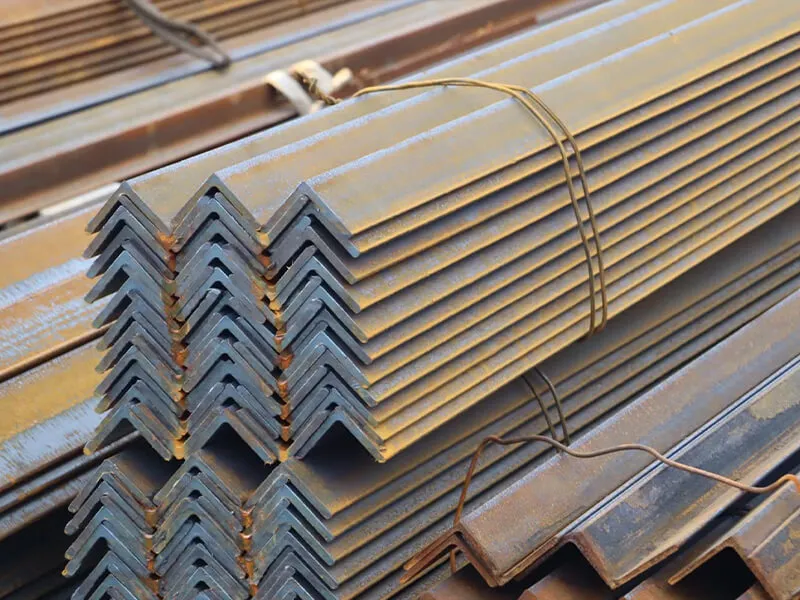
Let me detail each quality failure.
Rejected Plates — The Costliest Delay
If angle steel fails class inspection, it cannot be used. The most common reasons for rejection:
- Thickness under tolerance — The angle leg is too thin
- Mechanical properties fail — Low yield strength or poor Charpy impact
- Surface defects — Laminations, deep pits, or edge cracks
- Wrong grade — The steel is AH32 when AH36 was ordered
When plates are rejected at your yard, you must order replacements. The replacement lead time is the full production cycle — 8‑12 weeks. Your project stops.
Missing Certificates — The Paperwork Delay
Even good steel cannot be used without the correct mill certificates. The certificate must show:
- The correct grade
- The heat number
- Mechanical test results
- The class society stamp
If the certificate is missing or incorrect, the class surveyor will not approve the steel. The yard must request corrected certificates. This takes days or weeks.
Failed Inspections — The Hidden Cost
Some suppliers do not perform proper in‑process inspection. They ship steel without testing it. When the steel fails at your yard, you pay the cost of testing and rejection.
Good suppliers perform third‑party inspection (SGS, class surveyor) before shipment. This catches problems early. If the steel fails at the mill, the supplier replaces it before shipping. Your project is not delayed.
A Real Example
A shipyard in Indonesia received 200 tons of angle steel. The mill certificates showed AH36. But independent testing found the yield strength was only 320 MPa — below the 355 MPa minimum. The steel was rejected. The supplier had to replace it. The replacement took 10 weeks. The project was delayed 2 months. The shipyard lost $1 million in penalties.
How Does Poor Order Management (Late Ordering, No Backup Mills, No Phased Deliveries) Cause Unnecessary Delays?
Some delays are avoidable. They happen because the procurement team did not plan ahead.
Poor order management creates delays before the steel is even ordered. Late ordering — starting procurement too late — is the most common mistake. The steel lead time is 8‑12 weeks. If you order 4 weeks before you need it, you are already 8 weeks late. No backup mills means when your primary mill fails, you have no alternative. No phased deliveries means you receive all your steel at once — which causes storage problems, and if there is a problem, all your steel is affected. Good order management is the difference between on‑time delivery and catastrophic delay.
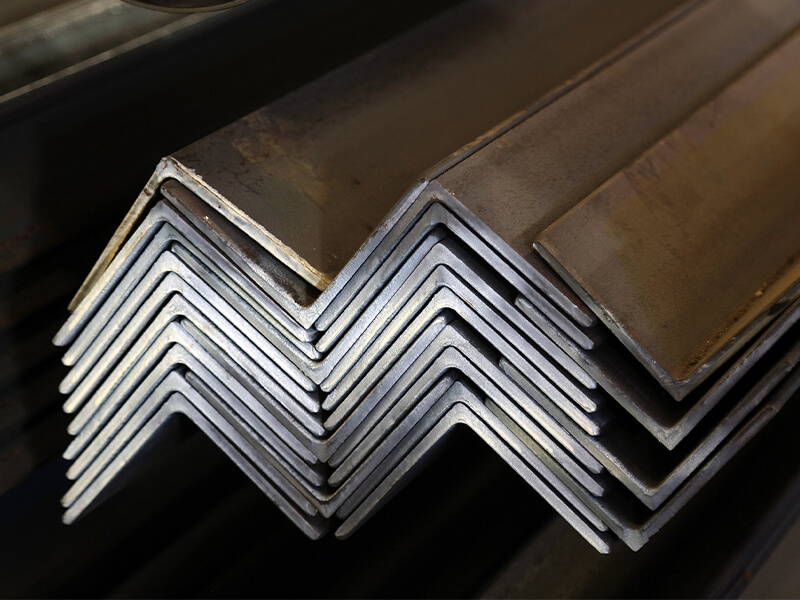
Let me show you the planning mistakes.
Late Ordering — The Self‑Inflicted Delay
Procurement teams often underestimate lead time. They think 4 weeks is enough. But the actual lead time for marine angle steel is 8‑12 weeks:
- Mill rolling: 2‑4 weeks
- Testing and certification: 1‑2 weeks
- Packing and loading: 1 week
- Sea freight: 2‑4 weeks
- Customs clearance: 1‑2 weeks
- Final truck delivery: 1 week
If you need steel in 8 weeks, you should order 12‑14 weeks before. Most procurement teams order too late, and the project pays the price.
No Backup Mills — The Single Point of Failure
When you rely on one mill, you are vulnerable. If that mill has a breakdown, your order stops. If you have a backup mill, you can shift the order and avoid delay.
But qualifying a backup mill takes 2‑3 months. You cannot do it when you need it. It must be done in advance.
No Phased Deliveries — The All‑or‑Nothing Problem
When you order all your angle steel at once, you receive it all at once. Your yard must store hundreds of tons of steel. If there is a quality problem, all the steel may be affected. If the mill is late, all the steel is late.
Phased deliveries spread the risk. You order a large quantity but receive it in monthly batches. If one batch is delayed, you only lose one month of production. If the first batch fails quality, you can correct the problem before the second batch is rolled.
A Real Example
A shipyard in Thailand ordered 1,000 tons of angle steel from a single mill. They ordered 4 weeks before the fabrication start — 4 weeks too late. The mill had a breakdown and was 6 weeks late. The shipyard had no backup mill. The project lost 10 weeks. The procurement manager was fired.
Conclusion
Marine angle steel procurement causes delays through unclear specifications, late mill deliveries, supplier quality failures, and poor order management. Each mistake can add weeks or months to your project. Avoid them by writing clear specs, ordering early, qualifying backup mills, and using phased deliveries.